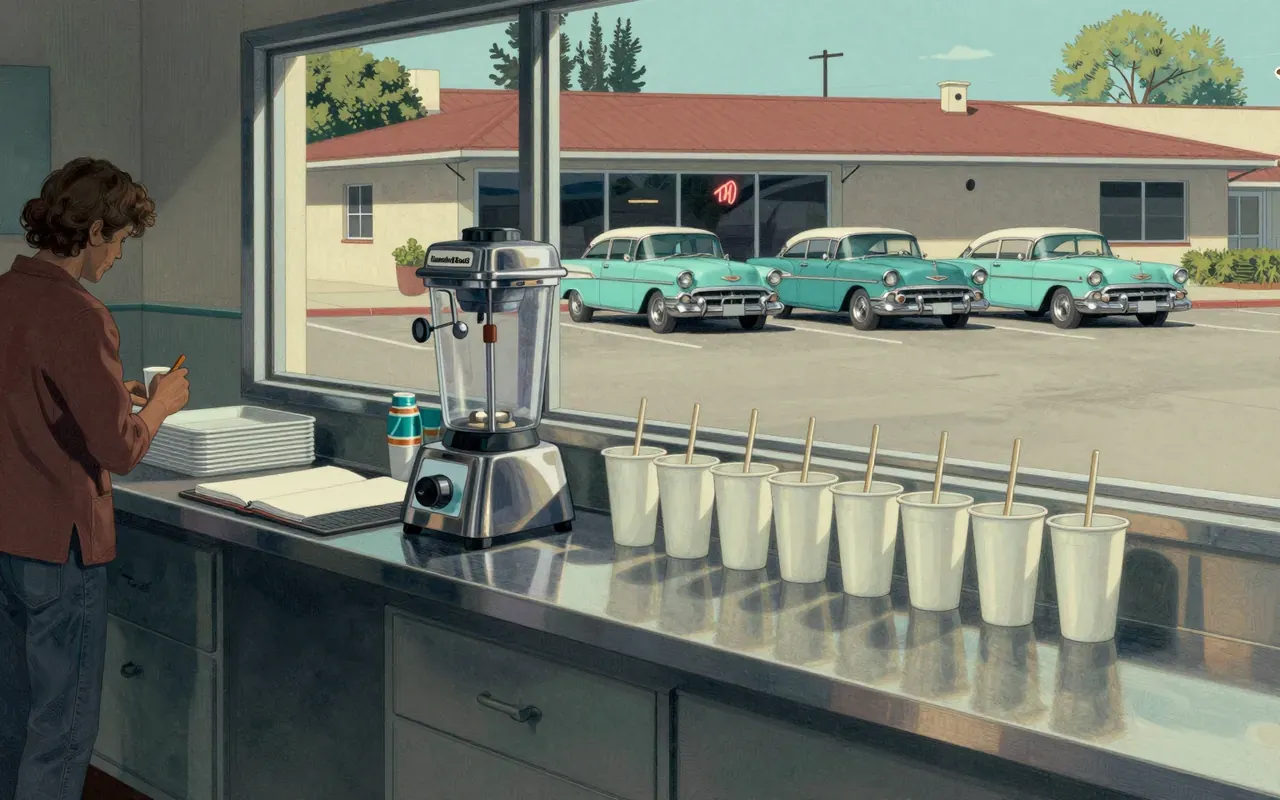
Ray Kroc
Ray Kroc was the American businessman who bought McDonald's in 1961 and helped turn it into a worldwide franchise chain.
Where most calories actually come from, and who decides.

JBS S.A. is the world’s largest meat processor by sales. On May 30, 2021, ransomware disabled its beef and pork slaughterhouses in the US, Canada, and Australia. It paid $11 million in Bitcoin. The White House attributed the attack to a Russian organisation; news outlets named REvil. REvil did not claim responsibility before its infrastructure vanished on July 13, 2021.
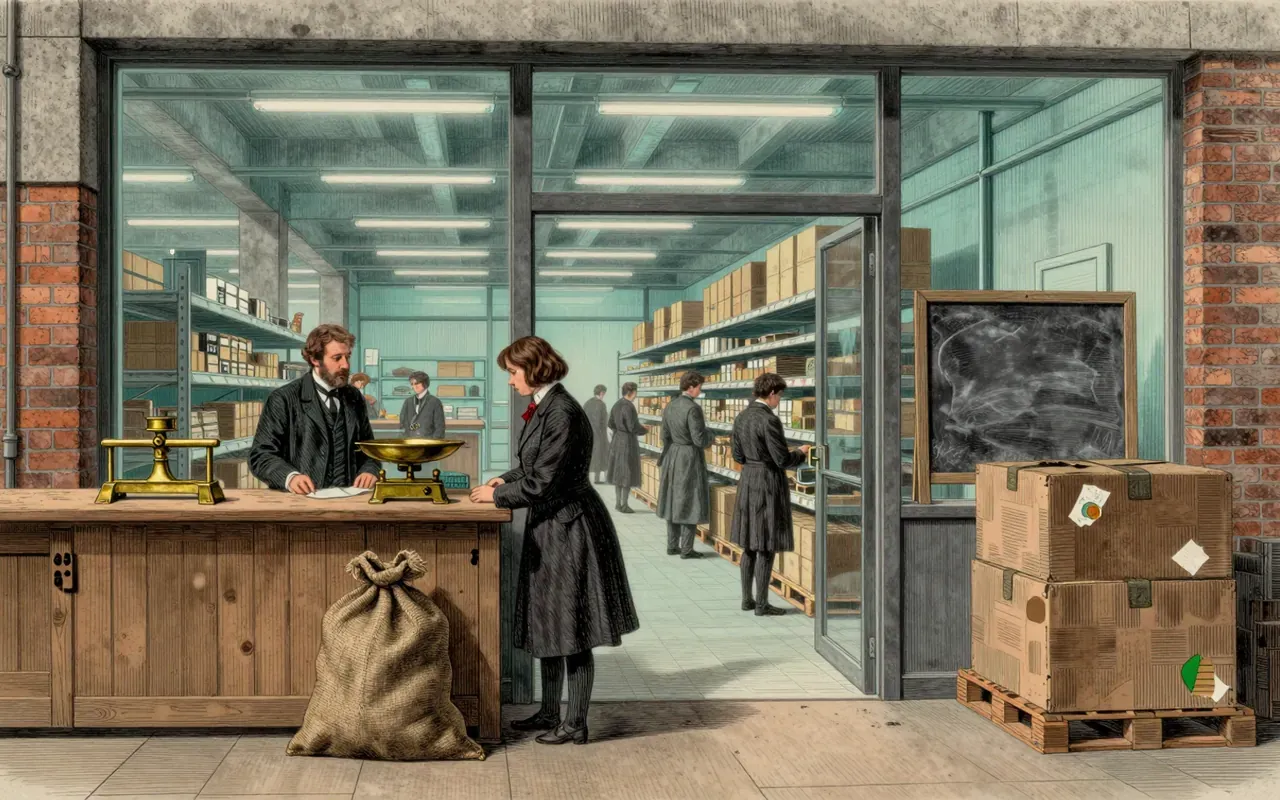
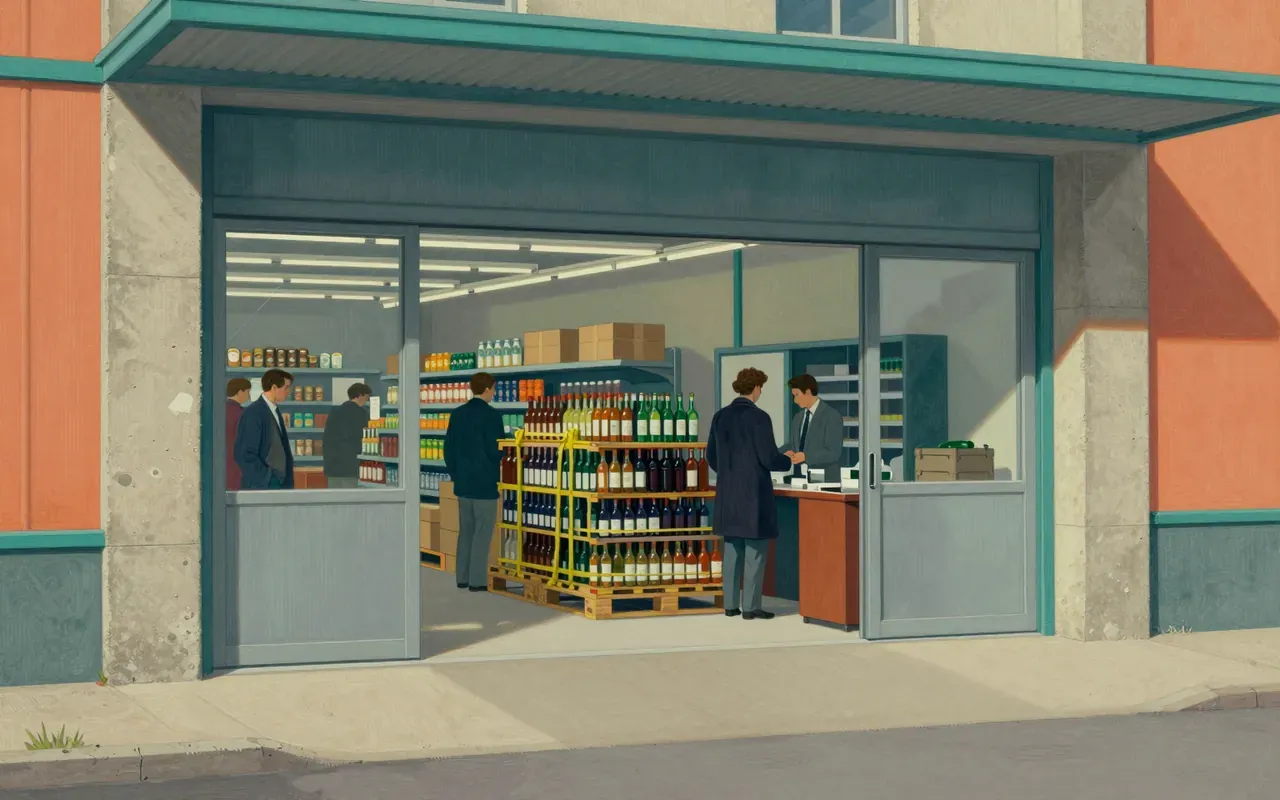
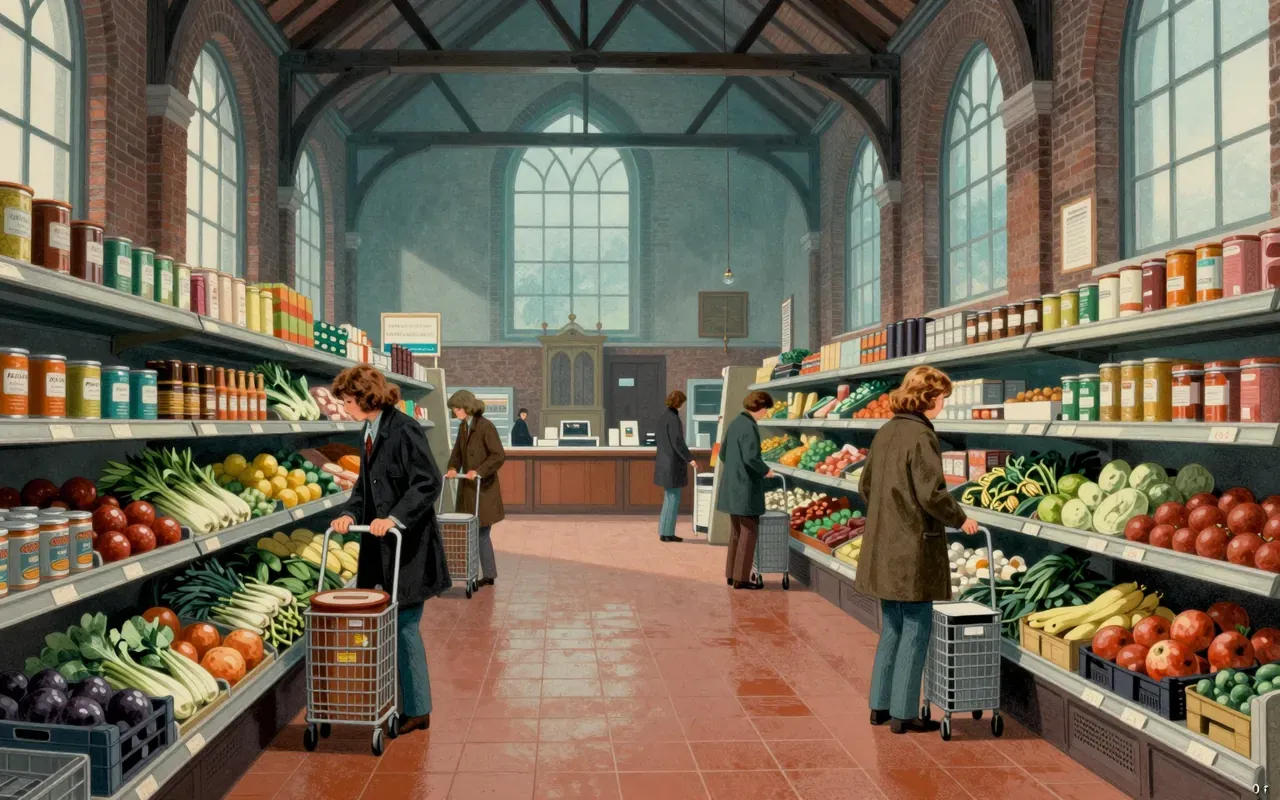
E.Leclerc is a French retailers’ cooperative founded in 1948. It pioneered the hypermarket format in 1964, adopted self-service retailing from the Félix Potin model, launched wine fairs in 1973, discontinued disposable plastic bags in 1996, introduced the Repère brand in 1997, and expanded internationally starting with Pamplona in 1992 and most recently into Luxembourg in 2023 via acquisition.
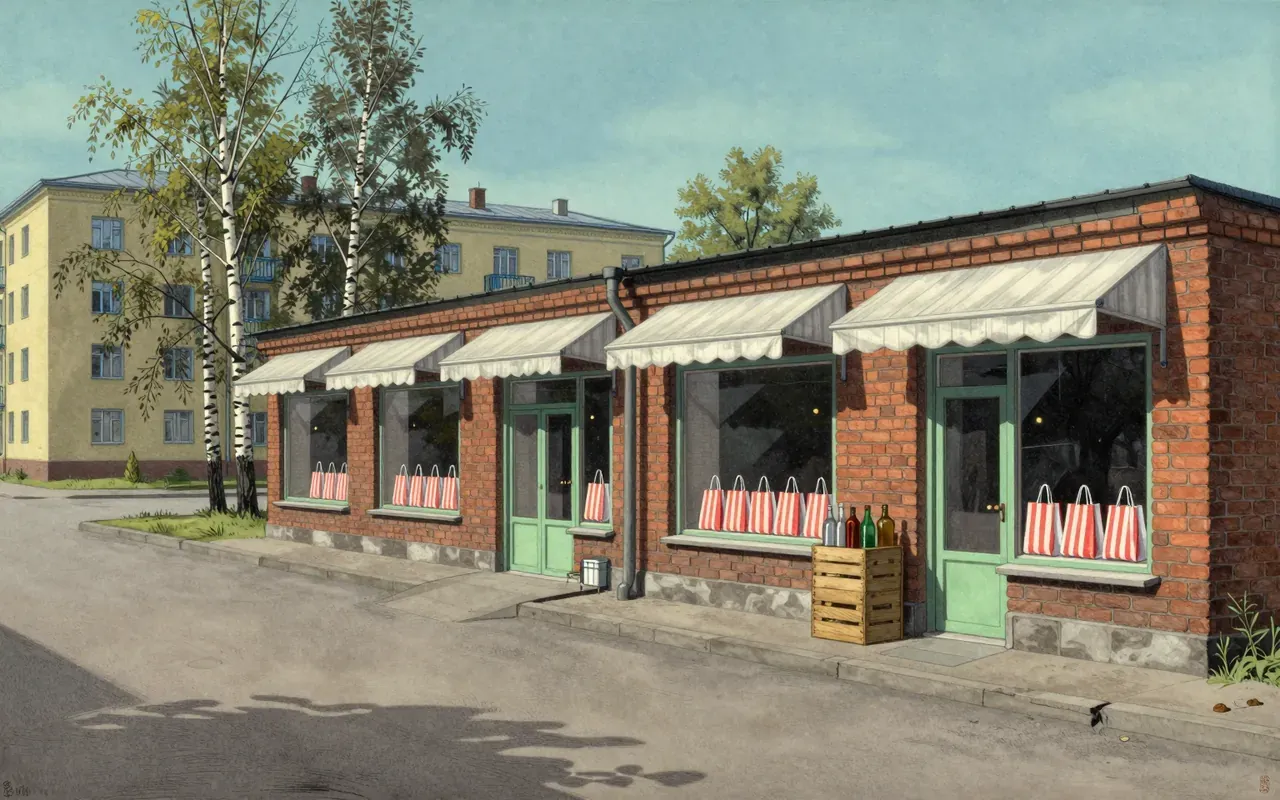
Magnit is a Russian food retailer founded in 1994 in Krasnodar by Sergey Galitsky. It grew rapidly from a regional chain into a national leader, adopting the convenience store format in 2004 and expanding to 1,000 stores by 2000 and 1,500 by 2005—surpassing Pyaterochka in revenue. By 2010 it ranked among the world’s top 250 retailers (Deloitte), and in 2014 became Russia’s largest importer. Its growth continued with milestones including 10,000 stores (2015), entry into pharmacy and drogerie formats, and strategic acquisitions like Dixy (2021) and Samberi (2024). Ownership shifted significantly after 2018, with Marathon Group becoming the largest shareholder in November 2021. Management transitioned from Galitsky to external CEOs starting in 2018, and the company pursued vertical integration via in-house production facilities and distribution infrastructure.
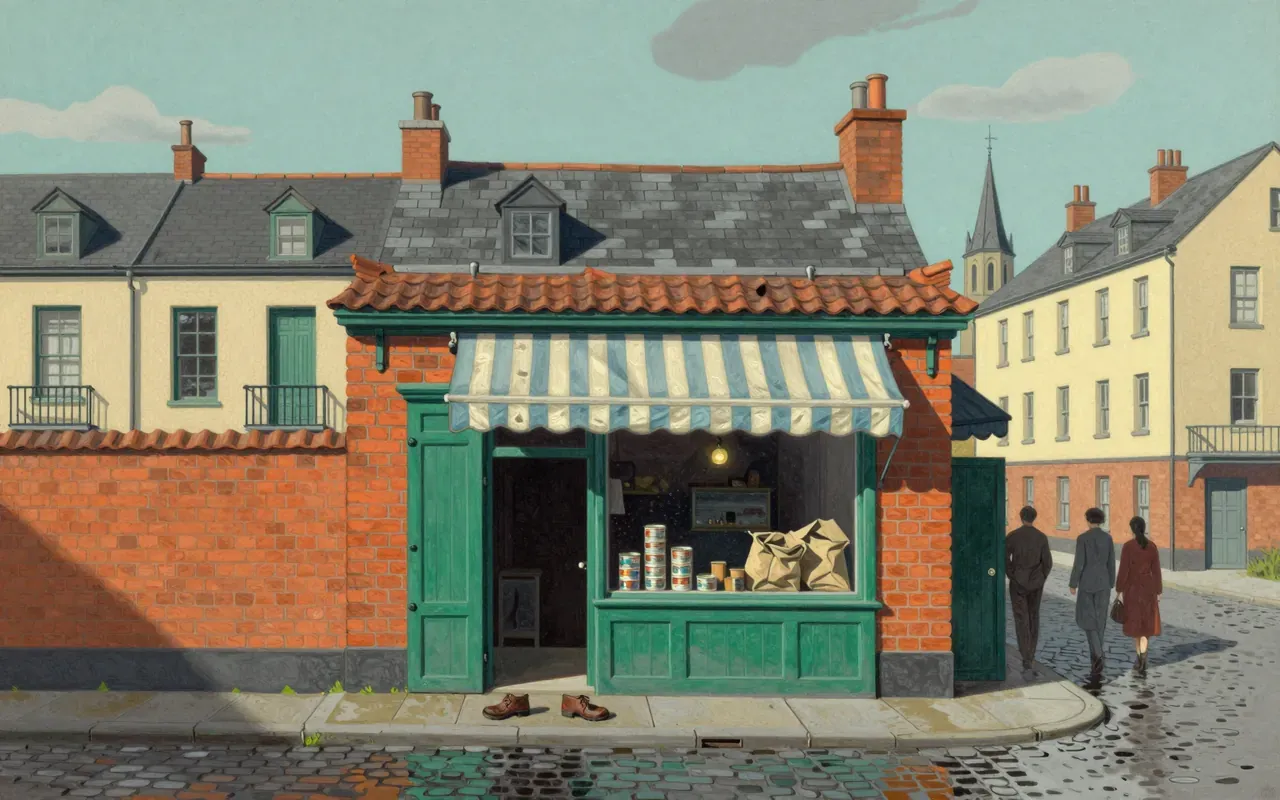
Aldi is not a single company. It is two legally and financially separate firms — Aldi Nord and Aldi Süd — born from a 1960 split triggered by a disagreement over cigarettes. They share a name, a cost-cutting method, and a lineage, but no ownership, no shared board, and no central strategy. Their model works because it eliminates variables: no fresh produce, no advertising, no unsold stock, no large stores, no rebates beyond the legal 3%. By 1960, that method had scaled to 300 stores. Family control ended by 2002. The business survives not through narrative, but through subtraction.

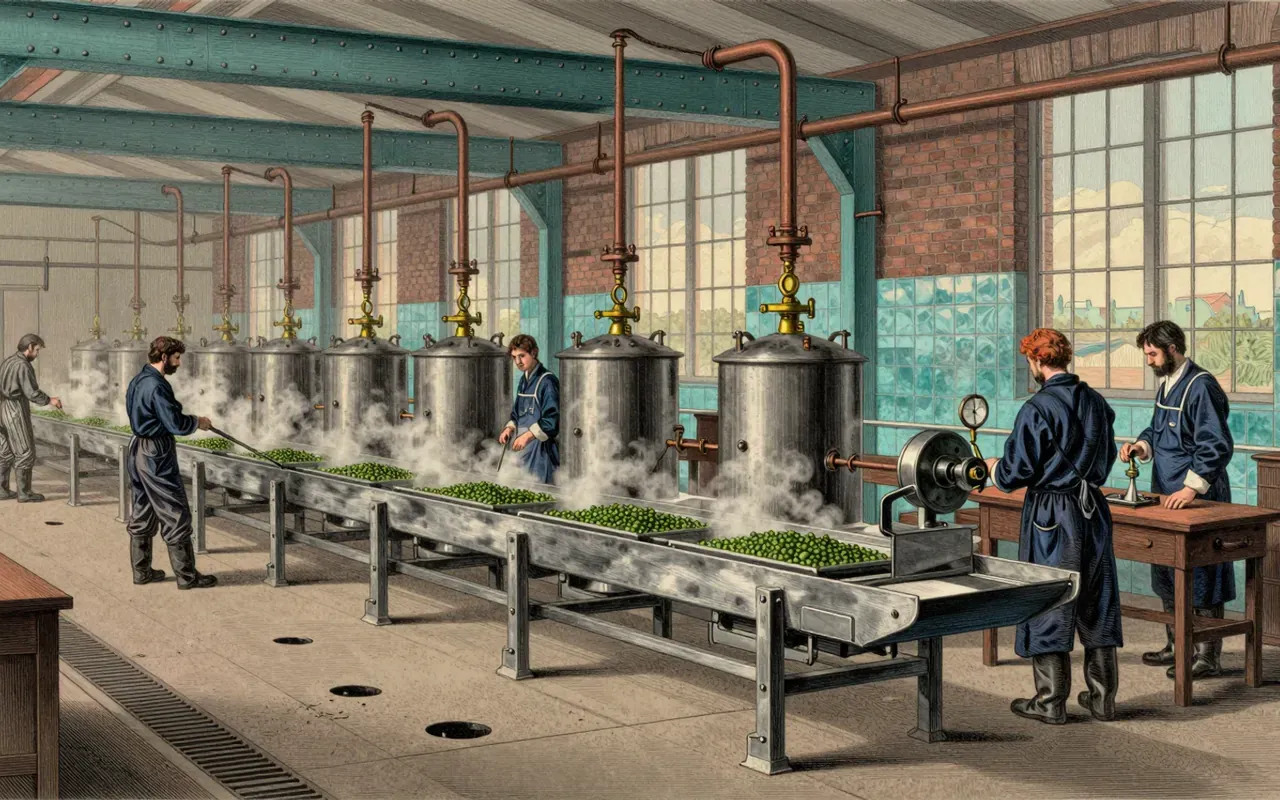
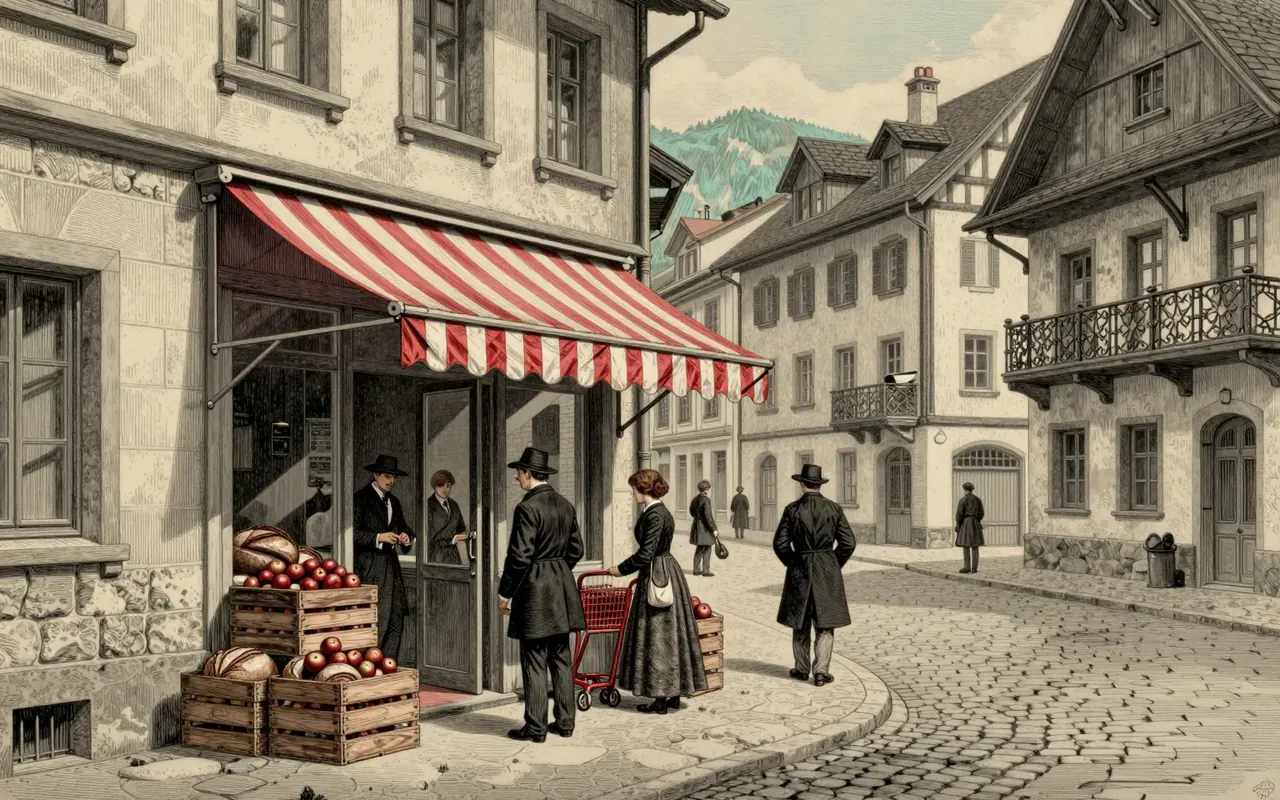


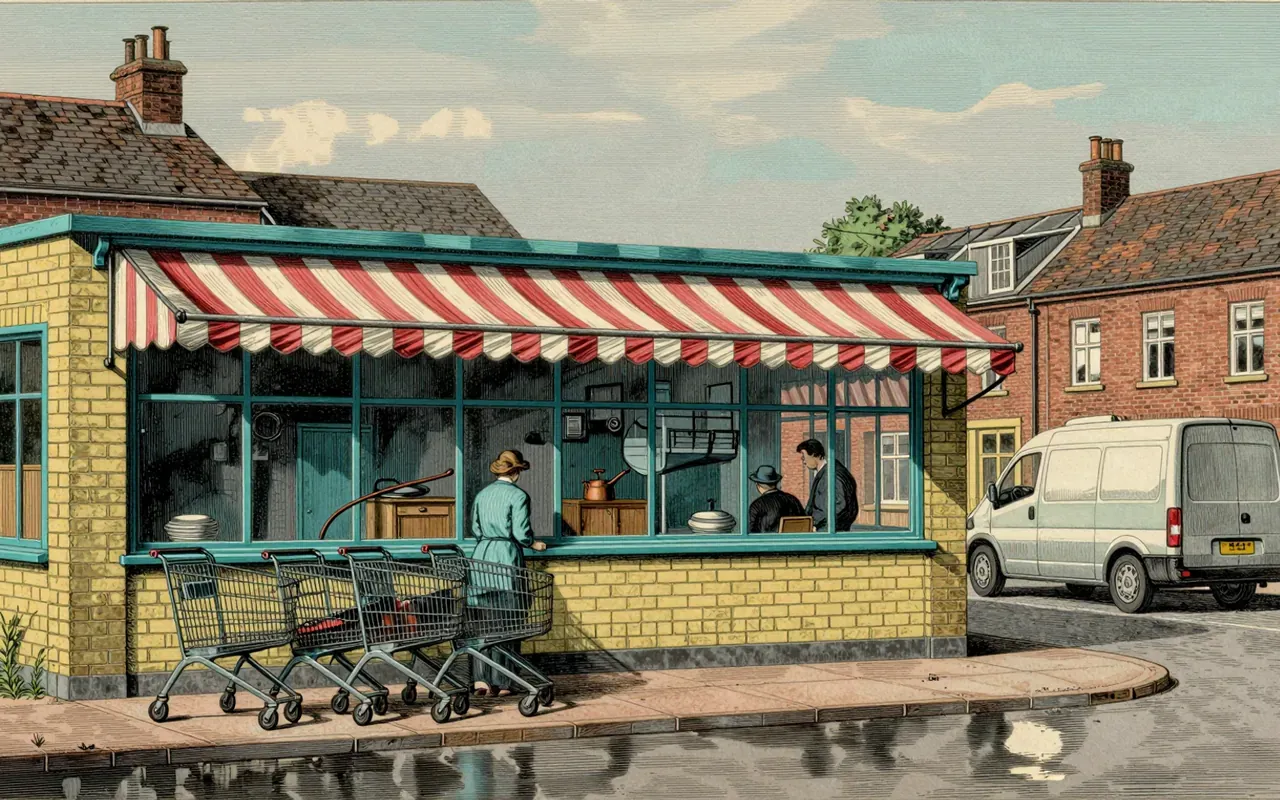
Morrisons is a UK supermarket chain founded in 1899 as an egg and butter stall in Rawson Market, Bradford. It grew regionally until the 2004 Safeway acquisition gave it national reach across Great Britain and one store in Gibraltar. As of 2021, it operated 497 stores, employed 110,000 people, and served ~11 million customers weekly. It was listed on the London Stock Exchange until its October 2021 acquisition by Clayton, Dubilier & Rice. Since then, it has struggled financially and fallen to fifth place in UK market share (8.6%), overtaken by Aldi in September 2022.
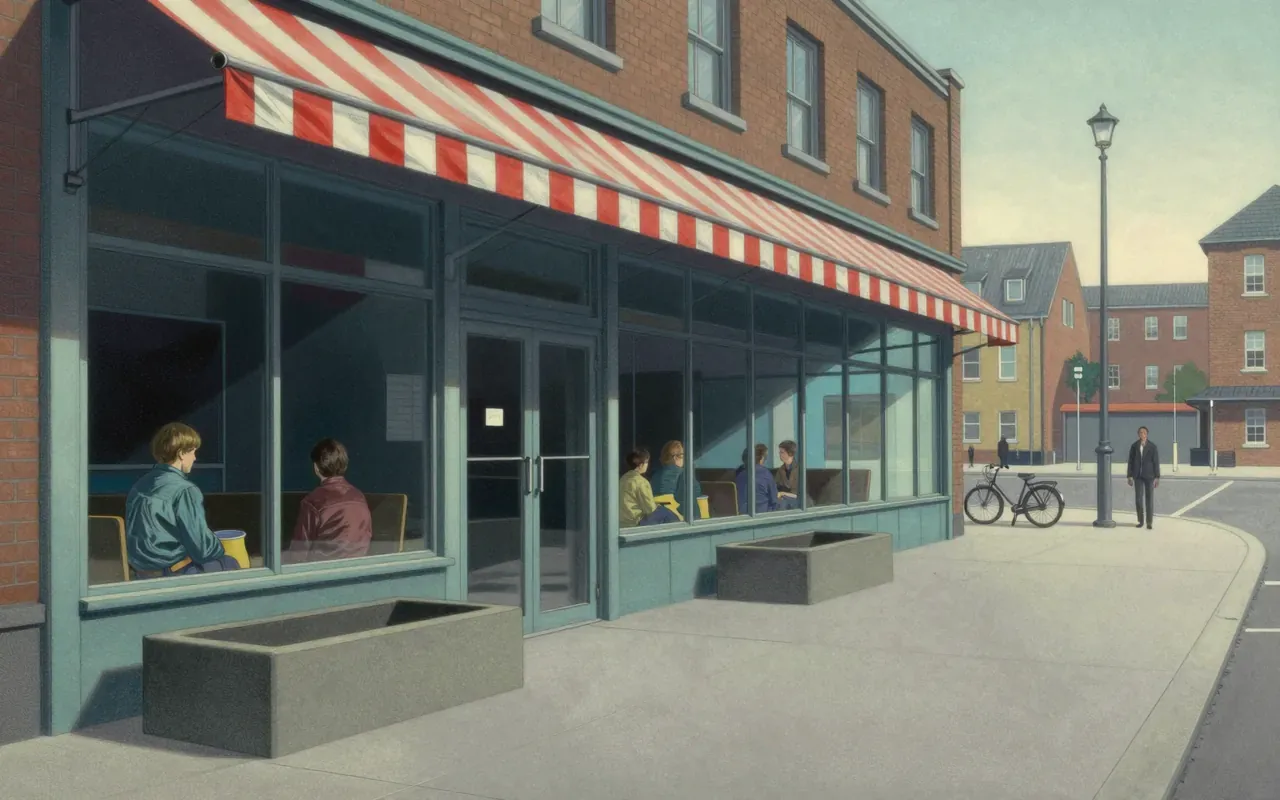
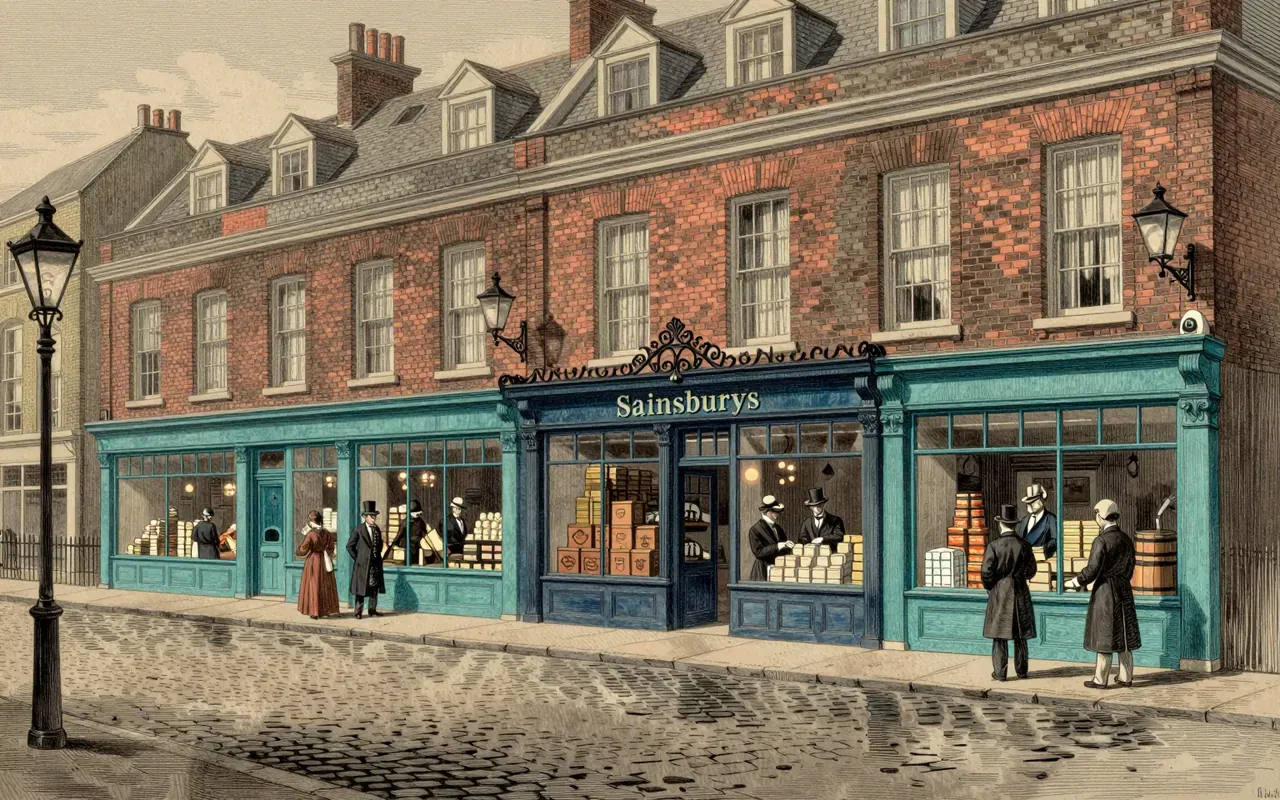
Sainsbury’s is the second-largest UK supermarket chain. It was the largest UK grocery retailer for most of the 20th century. It was founded in 1869 as a partnership by John James Sainsbury and Mary Ann Sainsbury at 173 Drury Lane in London. It began selling fresh foods and later expanded into packaged groceries. Its founding philosophy was 'Quality perfect, prices lower'. It used distinctive cast-iron signage, offered home delivery, and prioritised centrally located shops for better display and cooling before refrigeration existed. It grew to 128 stores by 1928 and remained a family business throughout Sainsbury’s lifetime. He served as Chairman and Governing Director from incorporation in 1922 until his death in 1928.
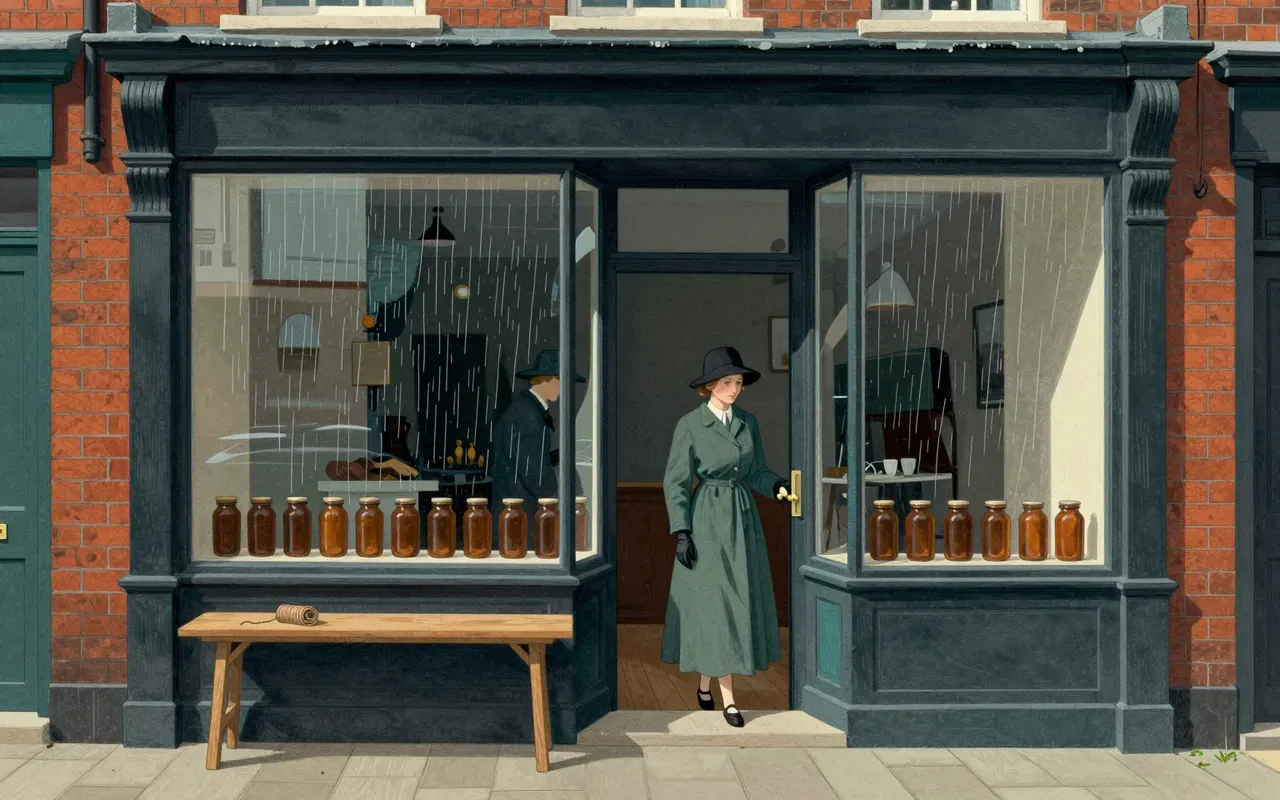
Tesco is a British multinational groceries and general merchandise retailer headquartered in Welwyn Garden City, England. It was founded in 1919 by Sir Jack Cohen in Hackney, London, beginning with a market stall selling war-surplus groceries. The Tesco brand emerged in 1924 from supplier initials and Cohen’s surname. The first dedicated shop opened in 1931 in Edgware. It was floated on the London Stock Exchange in 1947. It pioneered self-service (1948) and supermarket formats (1956). Cohen’s core business method was 'pile it high and sell it cheap' and the motivational internal motto 'YCDBSOYA'.
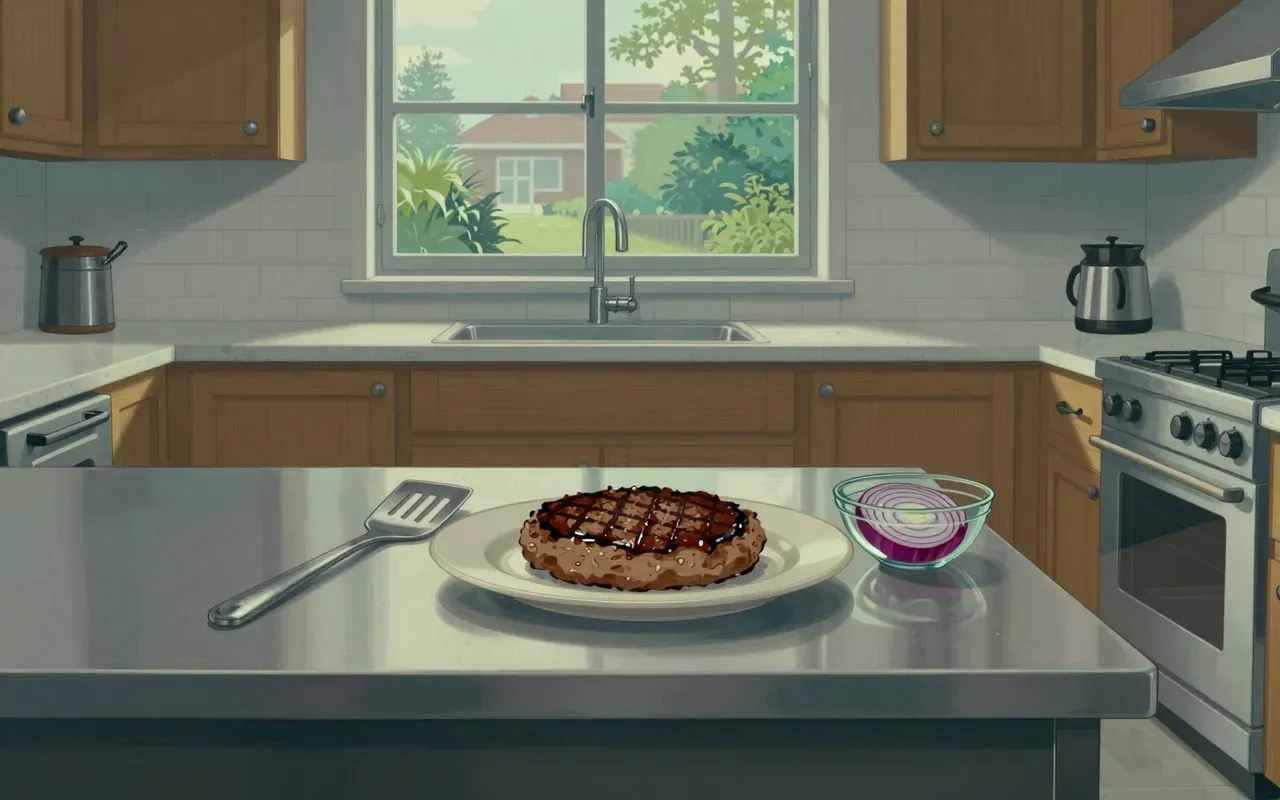
Beyond Meat is a plant-based meat alternative producer founded in 2009 by Ethan Brown to mitigate climate change. It licensed meatless protein technology from University of Missouri professors, launched its first product in 2012, its signature Beyond Burger in 2016, and became the first publicly traded company in its category in 2019. It announced layoffs of 19% of staff in October 2022 due to revenue declines and additional layoffs in November 2023 after a 9% sales decline.
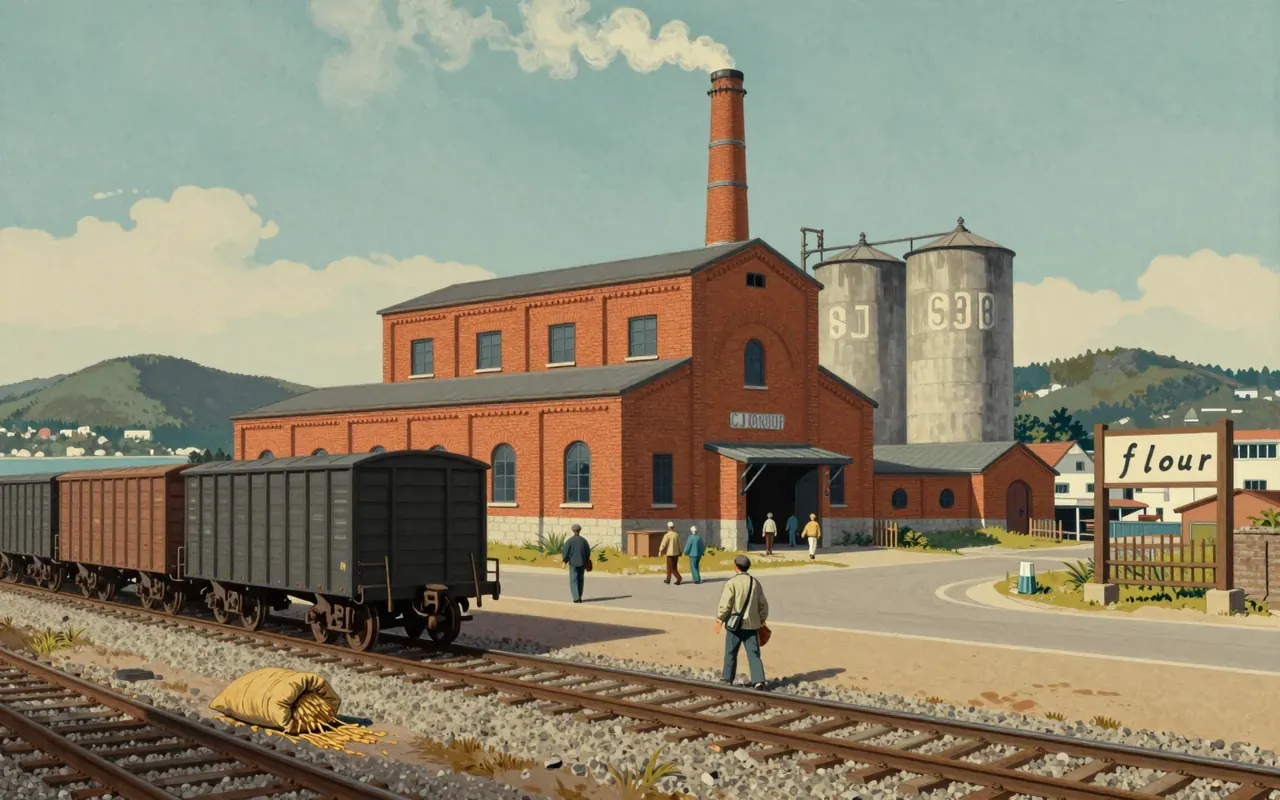
CJ Group is a South Korean chaebol that originated in 1953 as Samsung’s first manufacturing unit: a sugar and flour producer named CheilJedang. It established early industrial firsts — Korea’s first flour mill (1958), first sugar export to Okinawa (1962), and first branded sugar (Beksul, 1965). Its independence from Samsung followed a legal dispute among the Lee family — not market forces. Today it operates across food, bio, logistics, and entertainment, but the sources give no detail on how those businesses interconnect, profit, or compete. It is a case study in legacy infrastructure and familial fracture — not scalable strategy or innovation.

Danone’s origin is a tightly documented sequence: a Barcelona workshop, a legal name fix, physician validation, pharmacy distribution, then expansion. No funding rounds, no founder mythmaking — just regulatory adaptation and clinical credibility turned into commerce.

Nestlé is a case study in how industrial food companies scale not through singular genius, but through technical borrowing, wartime procurement, and post-war recalibration. Henri Nestlé invented a product, then exited. The company that bears his name grew via merger, contract, and consolidation — not continuity.

Unilever is not a modern purpose-led corporation disguised as a legacy firm — it is a legacy firm whose original mechanics (commodity sourcing, unit standardisation, trademark enclosure, paternalistic control) still define its structure, even as its marketing tells a different story.
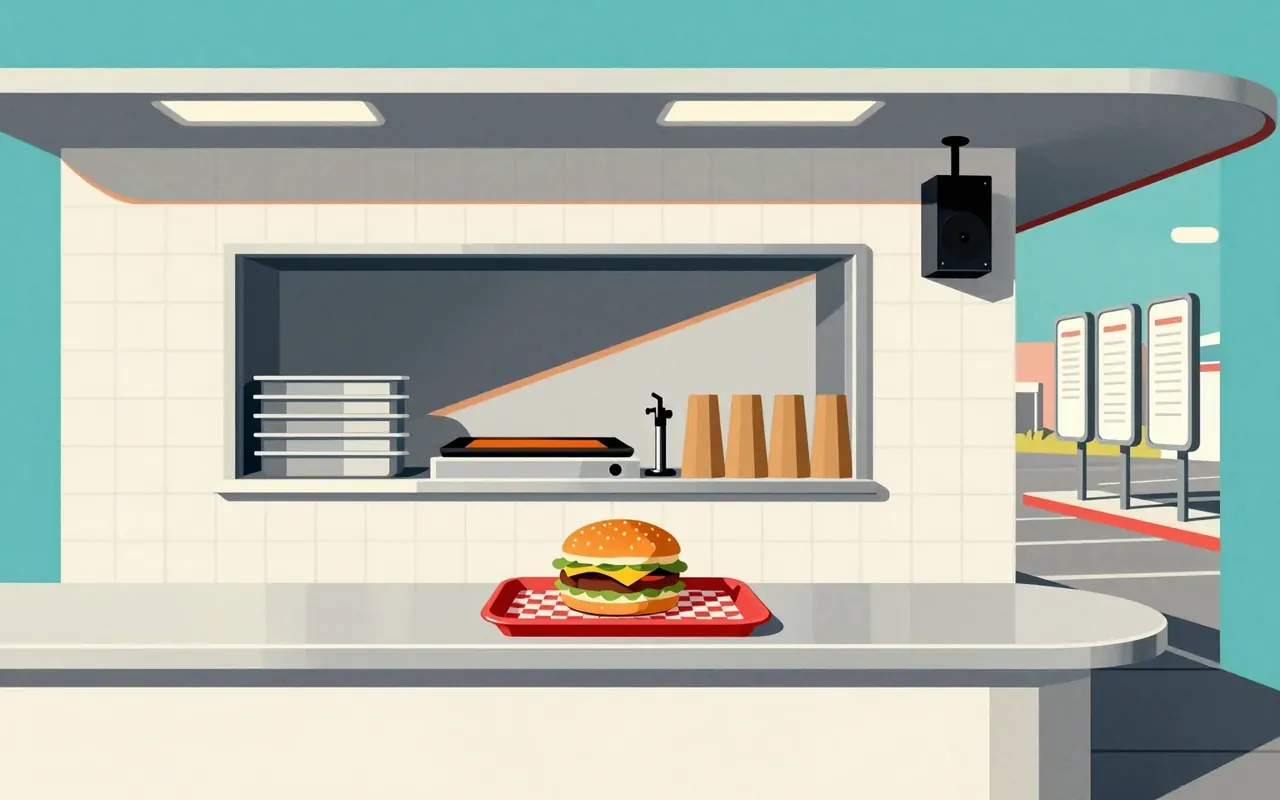
McDonald's is not a restaurant chain but a replication system — built on enforceable standardisation and deliberately constrained franchising. Its economics rely on control, not volume, and its origin story is a legal rebranding of a hostile acquisition.