Emirates isn’t independent — it’s Dubai’s sovereign infrastructure dressed as an airline.
Emirates is a state-owned UAE flag carrier founded in 1985 after Gulf Air reduced Dubai services. It operates over 3,600 weekly flights from Dubai International Airport’s Terminal 3, serves 150+ cities across six continents, and ranks third globally by passenger volume and second by freight volume. Its ownership lies with Dubai’s Investment Corporation of Dubai, and its cargo arm is Emirates SkyCargo. It is not part of any global airline alliance.
Emirates was founded in direct response to Gulf Air cutting back services to Dubai — not as a visionary startup but as a geopolitical contingency.
2:34
Terminal 3 monopoly
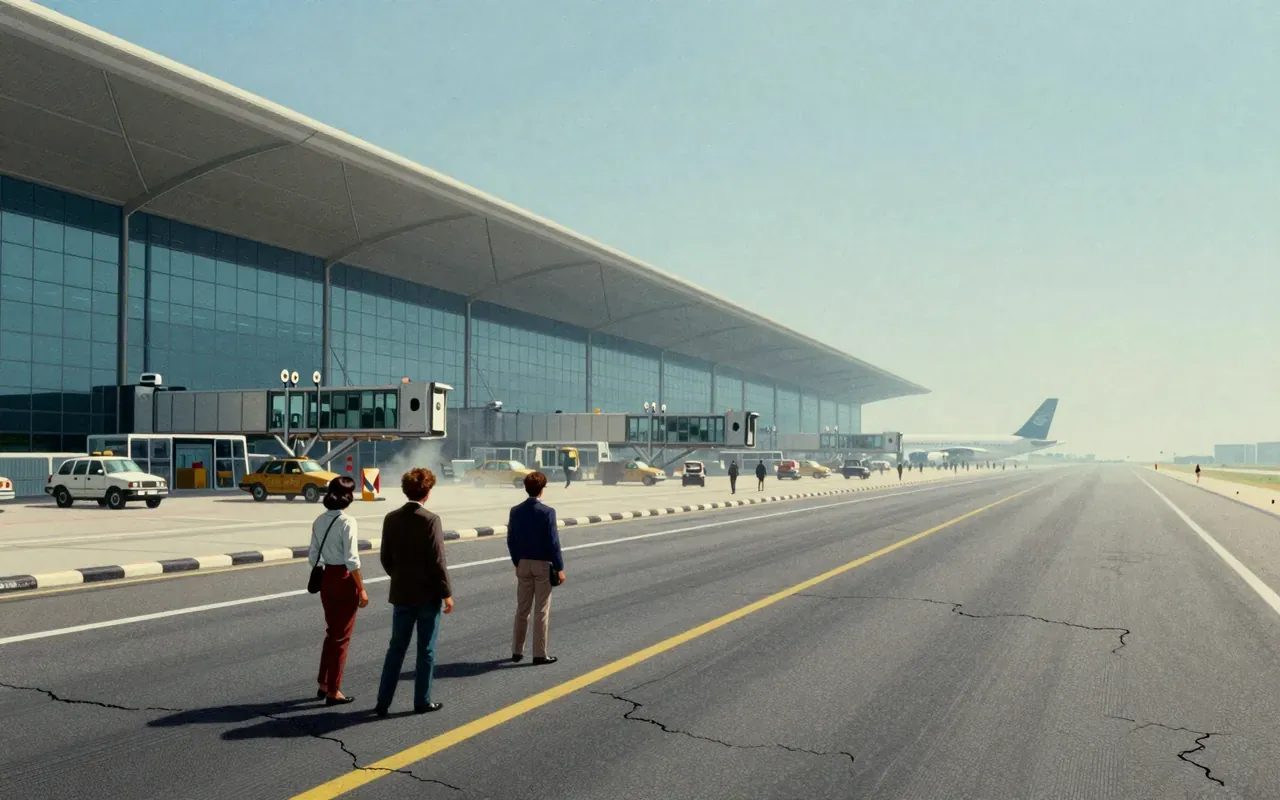
Emirates runs over 3,600 weekly flights from one terminal in one airport — a hub model that trades flexibility for control.
4:26
Metrics without alliances
It ranks third globally by passenger volume and second by freight volume — proof that long-haul scale can be engineered without short-haul feeders.
6:31
State-owned, vertically split
It is a flag carrier owned by Dubai’s government, with cargo run separately by Emirates SkyCargo — a vertical split masking integrated state control.
Worth your time?
Yes. Study the whole thing.
3.5/ 5
What works
scale without alliances
long-haul dominance via single-hub concentration
state-backed capital deployment in aviation
What does not
alliance membership
operational independence from Dubai government
Study it if
airline strategists
sovereign wealth analysts
hub-and-spoke infrastructure designers
Skip it if
startup founders seeking replication models
investors assessing commercial autonomy
The written brief1 min read
What the company or idea is
Emirates is a UAE flag carrier airline founded on 15 March 1985 in Dubai, operating globally as the world’s largest long-haul airline and largest in the Middle East.
How it actually makes money
Emirates makes money from passenger tickets and cargo freight on long-haul routes. It operates more than 3,600 flights per week from Dubai International Airport’s Terminal 3. Cargo operations are handled by Emirates SkyCargo.
What works
Its all-wide-body fleet, exclusive use of Dubai International Airport’s Terminal 3, and focus on connecting traffic across six continents sustain its position as the world’s third-largest airline by revenue passenger-kilometers and second-largest by freight tonne-kilometers.
What does not
Emirates does not belong to any global airline alliance. It receives backing from Dubai’s royal family and is owned by the government of Dubai’s Investment Corporation of Dubai — contradicting claims of no government operational interference.
What to take from it
The gap between Emirates’ self-presentation as an independent commercial operator and its structural dependence on Dubai’s sovereign wealth and political direction is the core lesson.
Is it worth your time
Yes — if you want to study how a state-owned airline achieves scale without alliances, or how hub geography replaces network density. No — if you assume its independence means operational autonomy or financial transparency.