Daewoo was a South Korean chaebol founded in March 1967 by Kim Woo-choong as a small textiles trading corporation. It expanded using government-sponsored cheap loans tied to export potential, acquiring near-bankrupt companies across shipbuilding, electronics, and automotive sectors. By the 1990s, it ranked second largest in assets and third in revenues among South Korean conglomerates. It collapsed in November 1999 with $50 billion in debt after the 1997 Asian financial crisis exposed its reliance on continuous credit. Its story reveals how state-backed finance can substitute for profitability — until it cannot.
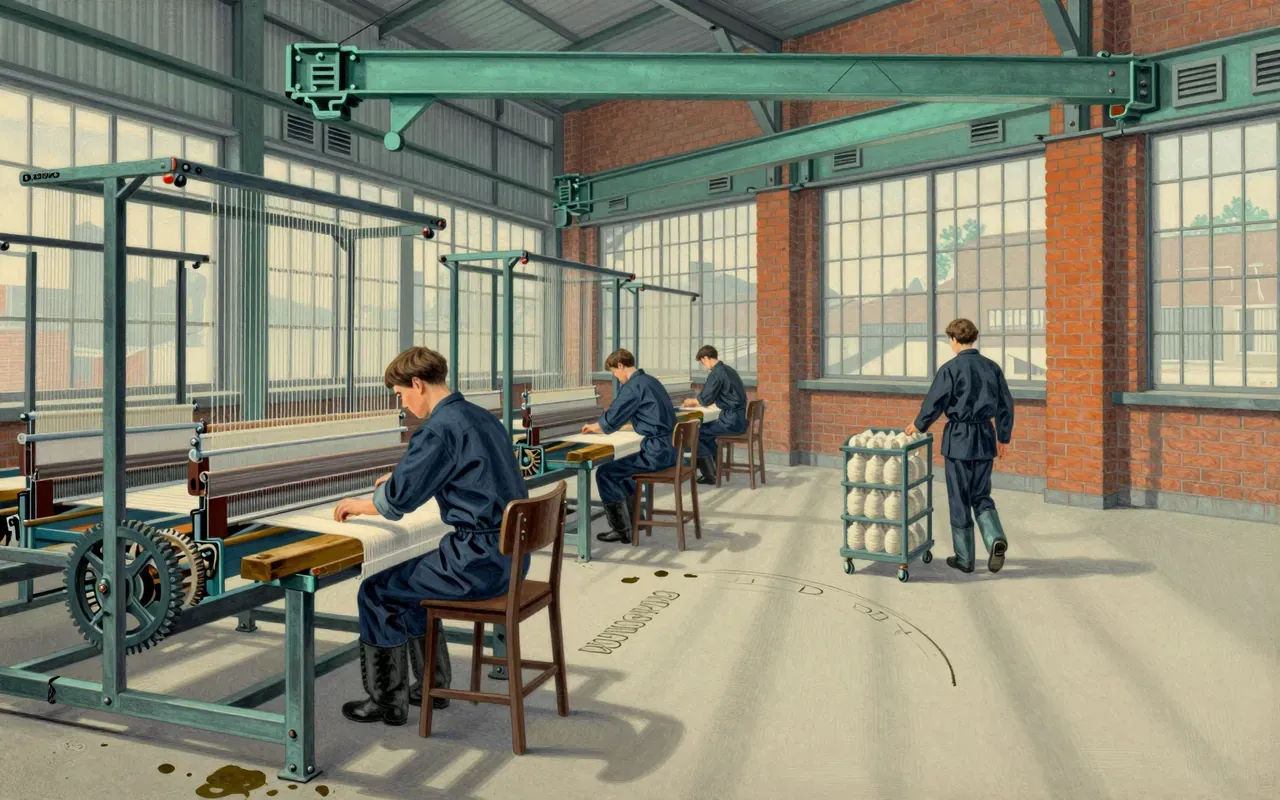
Daewoo began in 1967 as a textiles trading firm with six people — not a tech startup or visionary project.
2:54
Growth engine: Debt, not design
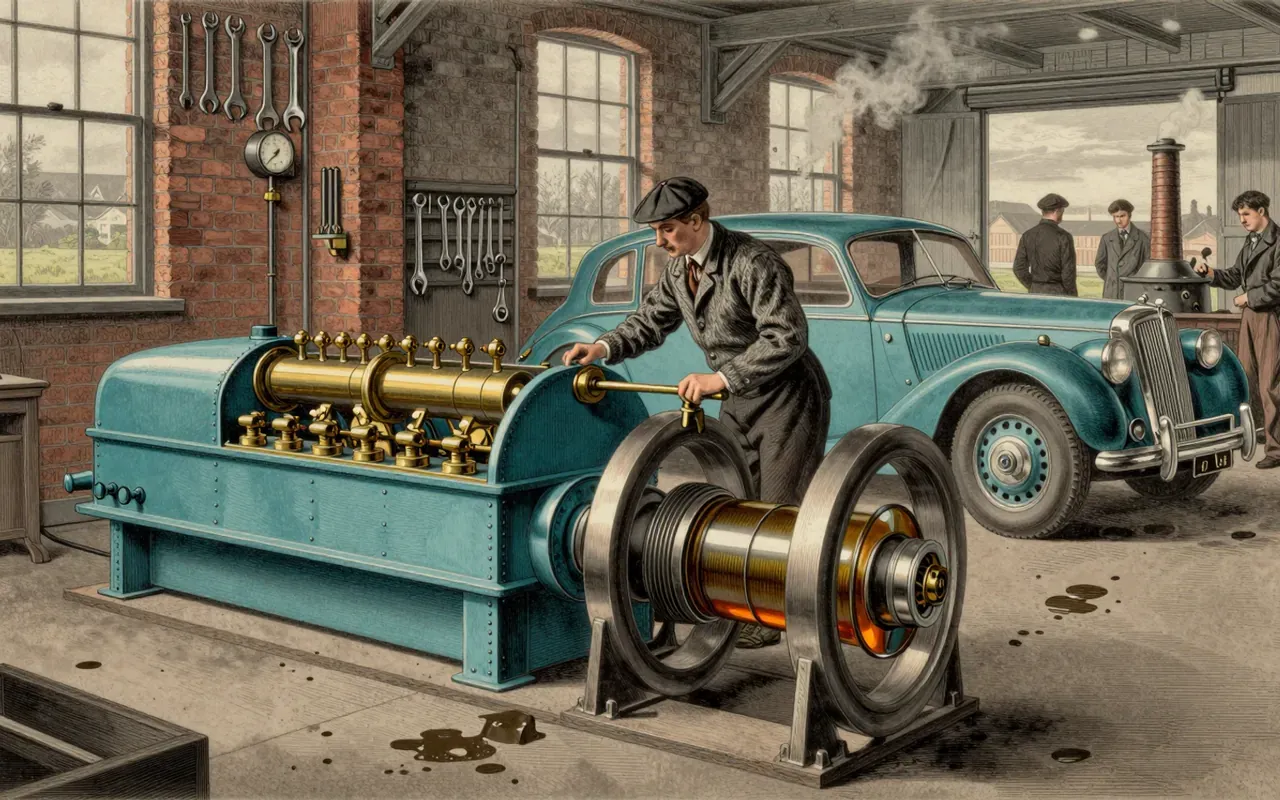
It grew by borrowing cheaply against export potential, then buying distressed firms — not organic innovation.
4:44
Peak and implosion: Scale without resilience
By the 1990s, Daewoo was second in assets and third in revenue — yet collapsed within two years of the 1997 crisis.
6:25
The number that ended it all
Bankruptcy on 1 November 1999 wasn’t a shock — it was the arithmetic catching up: $50 billion in debt.
1 more chapterFewer chapters
Worth your time?
Yes. Study the whole thing.
4.5/ 5
What works
as a warning about credit dependency
as evidence of state-capitalist risk transfer
as a template for post-crisis restructuring
What does not
corruption
scandal
fraud
Study it if
policy-makers
corporate strategists
finance professionals
Skip it if
startups
founders
product managers
Who should study it, and who should skipHide who it is for
The written brief1 min read
What the company or idea is
Daewoo was a South Korean chaebol founded in March 1967 by Kim Woo-choong as a small textiles trading corporation.
How it actually makes money
Daewoo made money by exporting labour-intensive textiles, then used government-sponsored cheap loans to buy near-bankrupt companies across shipbuilding, electronics, and automotive sectors.
What works
Its early focus on high-margin textile exports leveraged South Korea’s inexpensive workforce; its diversification into shipbuilding and automotive gave it scale and geopolitical leverage.
What does not
Its debt-fuelled acquisition strategy did not survive the withdrawal of government loan guarantees during the 1997 Asian financial crisis.
What to take from it
Growth built on borrowed money and political access collapses when the lending stops — not when the business fails.
Is it worth your time
Yes — it is a textbook case of how state-backed credit, unchecked expansion, and accounting opacity can inflate a conglomerate beyond its operational reality.
A British carmaker that licensed its name, outlived its German namesake in the UK market, and dissolved in 2025 — not with a bang, but after decades of dormancy.