businessbriefs
Highest rated

All briefs

561 briefs · 5965 min · 97–192 on page 2 of 6
10:16

SAP

Dietmar Hopp · 1972

SAP is the world's largest vendor of enterprise software. Founded in 1972 in Walldorf by Dietmar Hopp and four former IBM colleagues, it built its first product—the RF financial accounting system—in 1973 for Imperial Chemical Industries in Östringen. Its technical distinction was real-time operation via local electronic storage and a common logical database, eliminating overnight punch card processing. It restructured from GbR to GmbH (1981), to AG (late 1980s), to SE (2014). Hopp led SAP from 1988 to 2005 and retained ~10% equity.

10:44

Siemens

Werner von Siemens · 1847

Siemens is a German multinational engineering company founded in 1847 as Telegraphen-Bauanstalt von Siemens & Halske in Berlin. It evolved through mergers into Siemens AG in 1966. It makes money from industrial automation, building automation, rail transport, and health technology. Its early model worked: rapid internationalisation via family agents, vertical integration from invention to installation, and patent-backed standard-setting. It does not sustain leadership in all its historical domains: it no longer builds x-ray tubes, electric trams, or passenger trains as standalone products. The gap between Siemens’s founding logic — applied electromagnetism deployed via owned workshops and international agents — and its present structure — a diversified, publicly listed conglomerate with AI and software at its core — reveals how industrial capability gets recoded as platform strategy over time. Yes — if you are studying how engineering firms scale infrastructure innovation into global revenue without pivoting to venture capital narratives.

11:00

Sumitomo Corporation

A '1919 company' that legally ceased to exist in 1947 — and rebuilt itself not as a startup, but as a sovereign-grade trading apparatus.
10:32

Tata Group

Jamsetji Tata · 1868

Tata Group is India’s oldest and largest conglomerate — founded in 1868, built on cotton, steel, and infrastructure — not software, algorithms, or venture rounds.

10:12

Thomas J. Watson Jr.

One Air Force contract built IBM’s electronics empire — not foresight, not genius, but scale-through-government.
13:32

Unilever

William Lever · 1929

Unilever is not a modern purpose-led corporation disguised as a legacy firm — it is a legacy firm whose original mechanics (commodity sourcing, unit standardisation, trademark enclosure, paternalistic control) still define its structure, even as its marketing tells a different story.

11:43

Uniqlo

Tadashi Yanai · 1949

Uniqlo is a case study in industrialised apparel: no hype, no heritage theatre, no seasonal spectacle — just a tightly coupled system for making, moving, and refining simple clothes at scale.

13:07

Universal Pictures

Carl Laemmle · 1912

Universal Pictures was a business architecture designed to extract value from every layer of film — from performer contracts to theatre leases — using legal, spatial, and branding levers. Its success was tactical, not mythic.

12:11

WeChat

Allen Zhang · 2011

WeChat is a product of Tencent’s Guangzhou lab, launched in 2011 by Allen Zhang. It bundles messaging, social, and payments — and dominates China not because it is open or interoperable, but because it is closed, complete, and compliant.

9:58

WhatsApp

Jan Koum & Brian Acton · 2009

WhatsApp is not a messaging app with a business model—it is a telecom identity layer wrapped in an app. Its value lies in what it replaced (SMS, MMS, local calling) and what it enabled (cross-border, zero-cost, asynchronous communication at planetary scale). Its acquisition by Facebook in 2014 for $19.3 billion confirmed its strategic value as infrastructure—not as a consumer product.

10:10

Xerox

Joseph C. Wilson · 1906

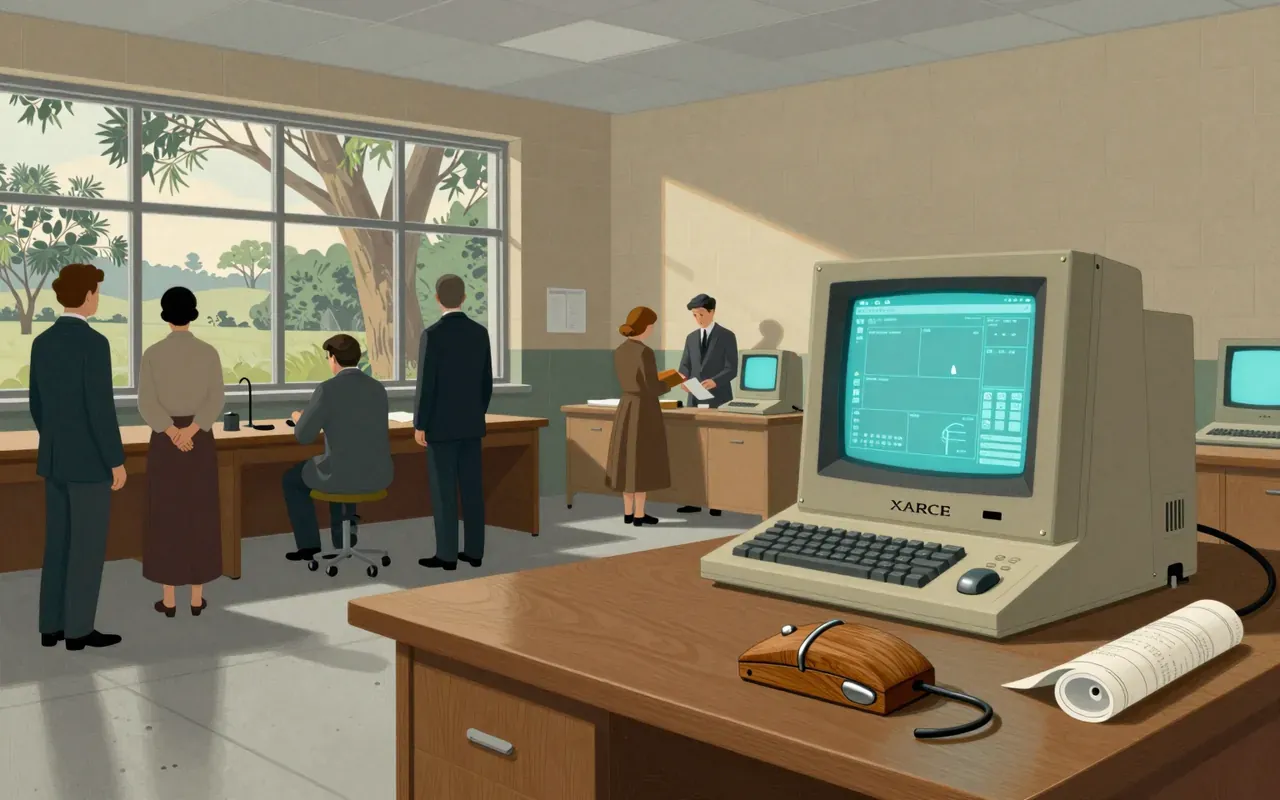
Xerox pioneered the photocopier market starting with the Xerox 914 in 1959; Joseph C. Wilson signed an agreement in 1946 to develop Chester Carlson's invention commercially; before the 914, Xerox tested the market with the Flat-plate 1385 prototype, which proved nonviable due to slow speed; the 914—the first plain paper photocopier—was developed by Carlson and John H. Dessauer; researchers at Xerox and PARC invented key personal computing elements including the GUI, mouse, and desktop computing; Xerox opened PARC in 1970; and Gary Starkweather invented the laser printer in 1969 by modifying a Xerox 7000 copier.

12:05

Berkshire Hathaway

Warren Buffett · 1955

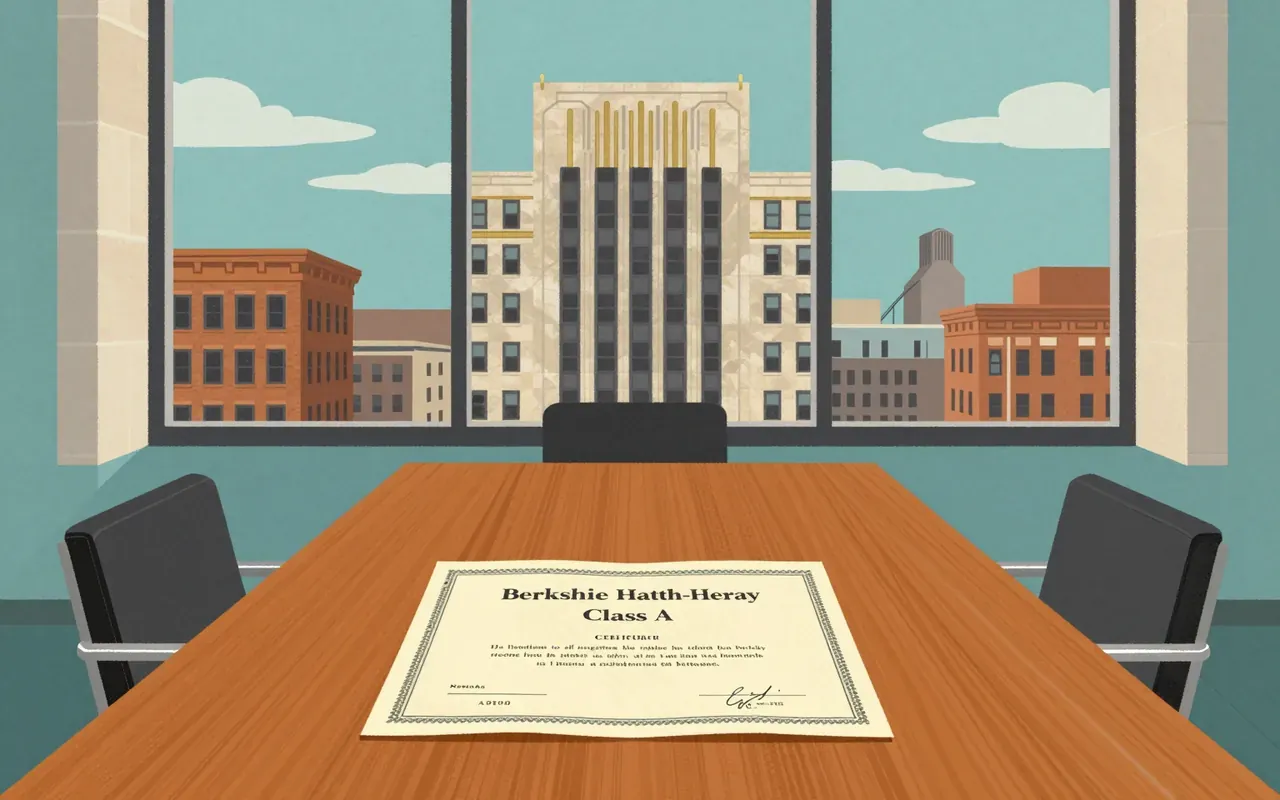
Berkshire Hathaway is a holding company built on arbitrage, insurance float, and concentrated control — not innovation or disruption.

10:33

Intel

Robert Noyce & Gordon Moore · 1968

Intel is a foundational semiconductor company whose business model pivoted from memory to microprocessors—and whose lasting leverage came from controlling the x86 instruction set, not just fabrication.

9:36

PayPal

Peter Thiel & Max Levchin · 1998

PayPal is a case study in opportunistic infrastructure: built on a dead-end tech idea, it succeeded only after latching onto a specific, messy, high-volume use case — eBay auctions — and charging for reliability in a trust vacuum.

11:19

TSMC

Morris Chang · 1987

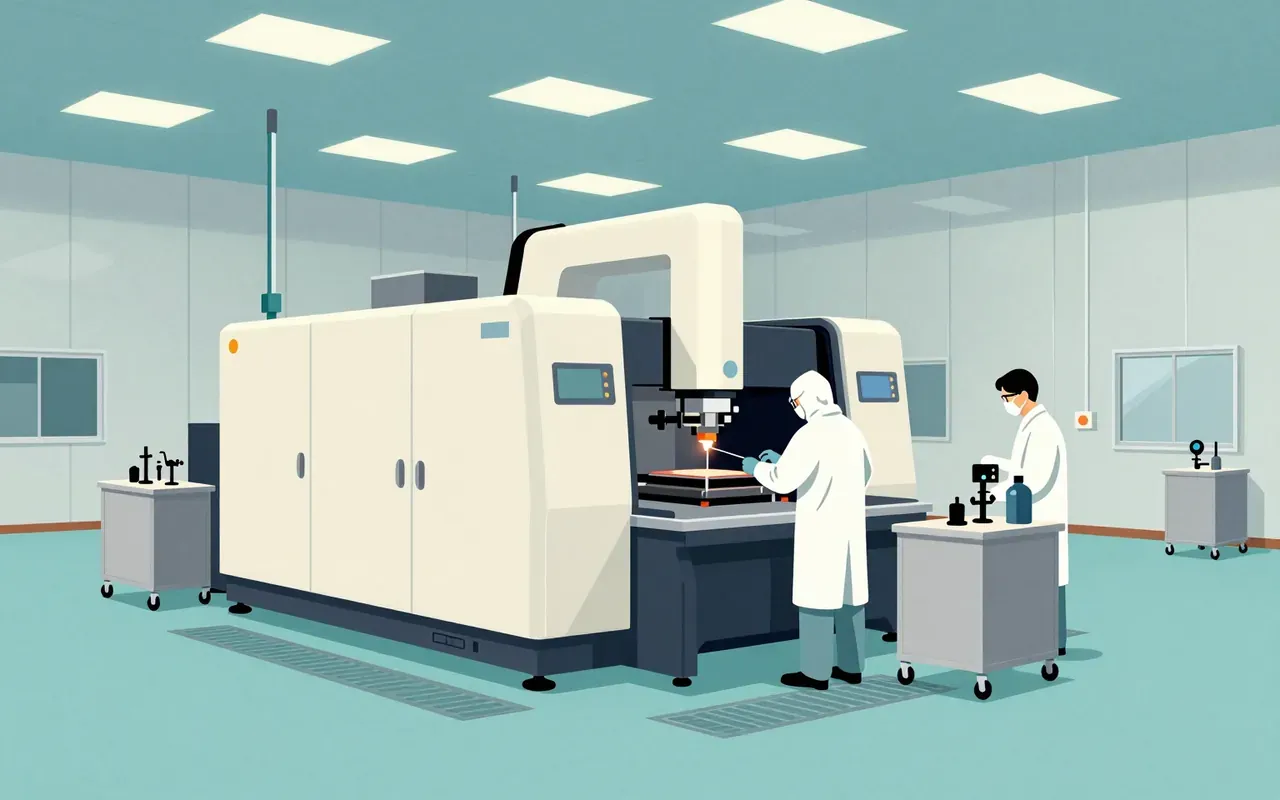
TSMC is the world’s largest and most advanced contract chipmaker — a state-enabled, capital-intensive factory system that executes Moore’s Law with industrial rigour. Its dominance comes not from vision or branding, but from delivering real chips, on schedule, at scale.

10:49

Visa Inc.

Dee Hock · 1958

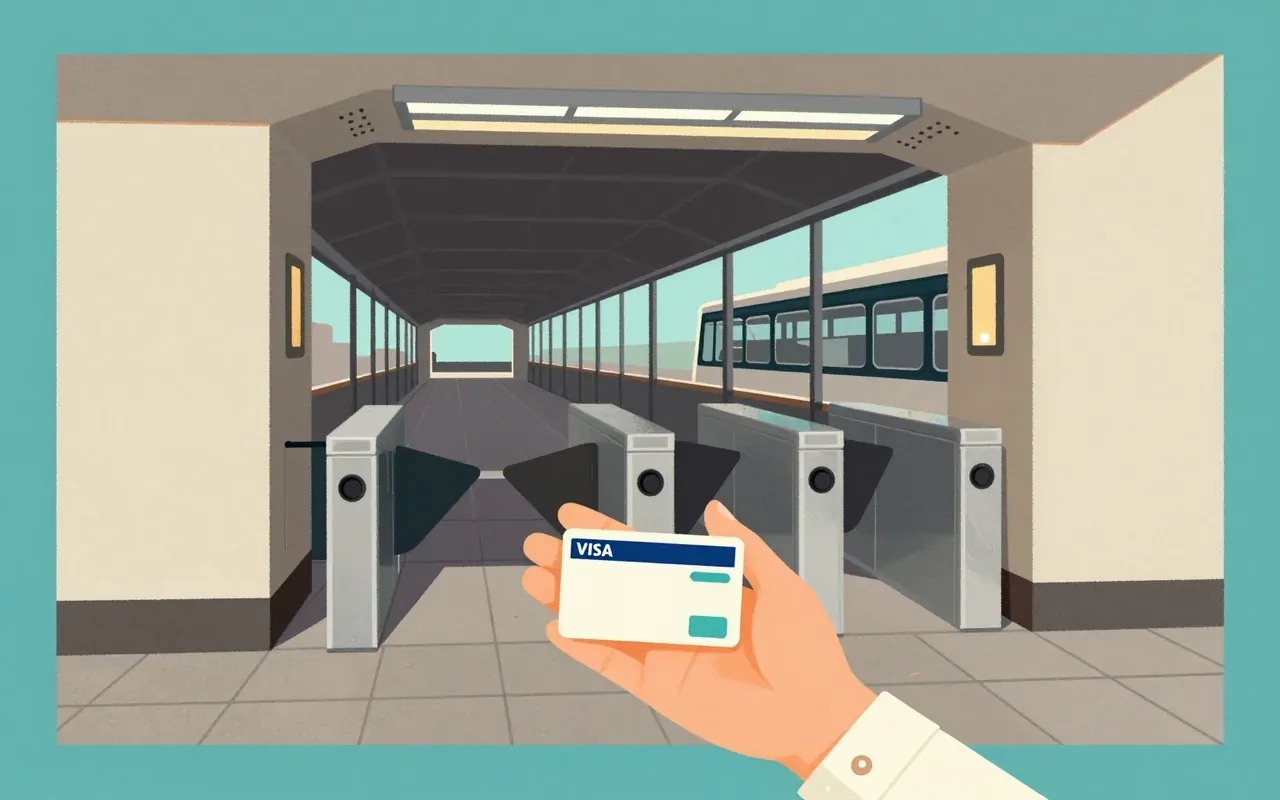
Visa is a payment infrastructure built on delegation: banks issue cards, Visa provides the rails and branding, and consumers pay fees embedded in every transaction. Its 1970 restructuring into a member-owned, decentralised association — conceived and led by Dee Hock — was a deliberate rejection of hierarchy. Yet its 2025 volume ($14.2 trillion) reflects not distributed decision-making but tightly coordinated standards enforcement. The ‘chaordic’ ideal remains descriptive, not operational.

11:50

Amazon (company)

Jeff Bezos · 1994

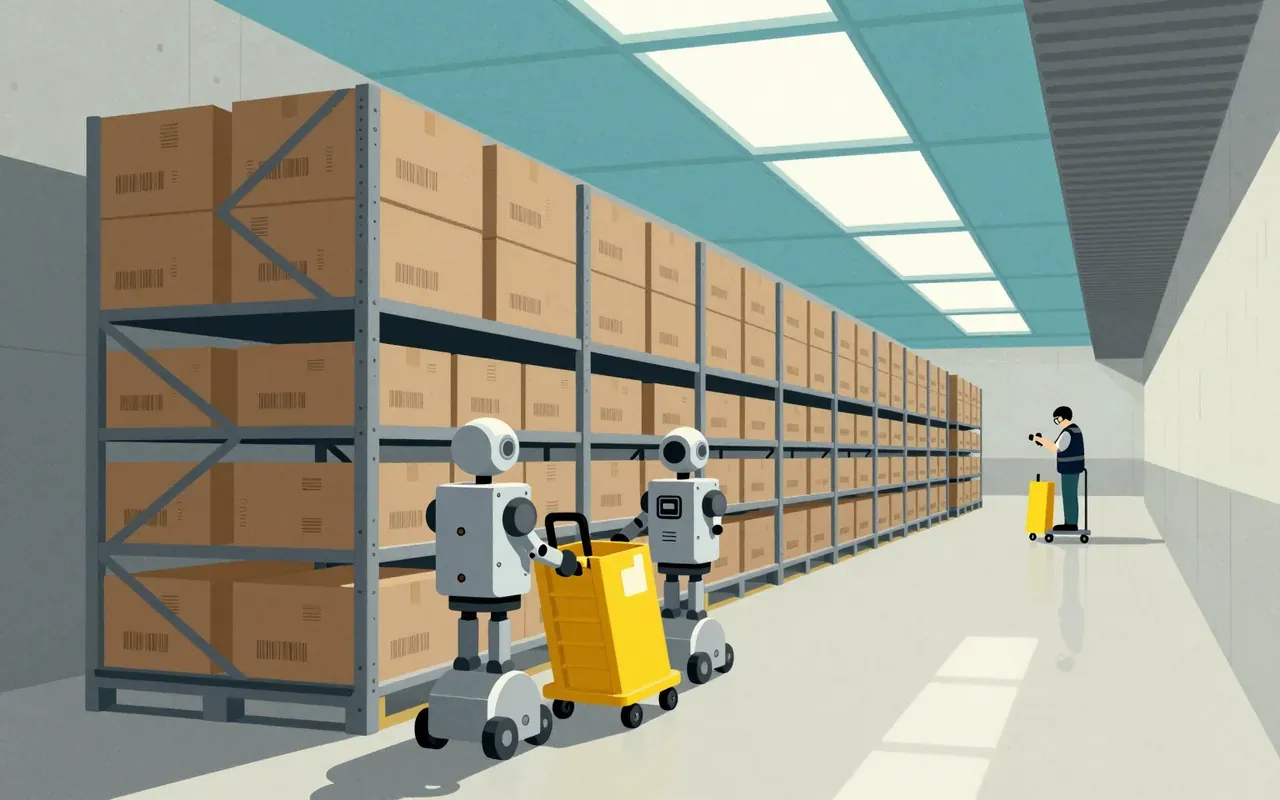
Amazon is a vertically integrated infrastructure company disguised as a retailer. Its founding was opportunistic, its growth funded by reinvestment, not profit. Its dominance rests on owning the pipes — logistics, compute, storage, and distribution — not the content or brands moving through them.

11:01

The Coca-Cola Company

Asa Griggs Candler · 1892

The Coca-Cola Company was founded in 1892 by Asa Griggs Candler in Atlanta after he purchased the formula from John Stith Pemberton in 1888. It generated revenue by manufacturing and selling syrup to soda fountains, then licensing bottling rights for $1 per territory — a contract that transferred capital and operational risk to third parties while preserving brand control. By 1895 it achieved nationwide US distribution; exports began in 1899 (Cuba) and 1901 (Europe). Candler trademarked the brand and paid dividends in 1893, proving early financial viability. The model worked because it scaled without infrastructure — but failed to ensure product consistency across bottlers. This is a masterclass in leveraging intellectual property through contractual design, not product innovation.

9:59

Costco

Jim Sinegal & Jeffrey Brotman · 1983

Costco is a membership-first retail system whose financial mechanics are transparent: fees fund operations, low margins enforce discipline, and private label locks in loyalty. It works where density, income, and culture permit bulk buying — and fails where they don’t. No hype. No exceptions.

11:08

Ford Motor Company

Henry Ford · 1903

Ford Motor Company was not an idea about mobility—it was a financial and mechanical system for turning $28,000 into 15 million cars. Its power came from eliminating variability: in parts, in process, in price, and eventually in design. It succeeded by making everything repeatable—including authority.

10:23

General Electric

Thomas Edison

General Electric was a financial construct, not an inventive one. Its formation marked the moment capital overrode authorship — and Edison became a brand, not a boss.

9:57

General Motors

William C. Durant · 1908

General Motors was founded in 1908 as a holding company, not a manufacturer. It made money by acquiring brands and suppliers, issuing stock to secure alignment, and franchising dealerships — all before building a single integrated factory. Its early success came from financial engineering, not product innovation. Durant was removed twice — in 1910 and 1920 — exposing the fragility of growth without operational discipline. Sloan’s later reforms codified what Durant had improvised: a scalable, tiered brand architecture. The real innovation was not the car, but the corporation.

10:38

IKEA

Ingvar Kamprad · 1943

IKEA is a case study in disciplined execution — not innovation. Its success rests on replicating a single operating model globally, enforced by geographic and legal separation between brand and retail. Nothing in the source material supports claims about culture, sustainability, or digital transformation — only cost, control, and structure.

9:41

Ingvar Kamprad

Ingvar Kamprad didn’t build IKEA with design or disruption—he built it with arithmetic, austerity, and an uncle’s kitchen table.
10:47

Lisa Su

Lisa Su’s authority comes from solving physics problems on the wafer — not from vision statements or funding rounds.
10:48

McDonald's

Ray Kroc · 1940

McDonald's is not a restaurant chain but a replication system — built on enforceable standardisation and deliberately constrained franchising. Its economics rely on control, not volume, and its origin story is a legal rebranding of a hostile acquisition.

10:22

Microsoft

Bill Gates · 1975

Microsoft’s founding was not about building the best software first — it was about controlling the terms of distribution before the market existed. Its early success came from timing, contractual foresight, and treating software as licensable intellectual property — not a service or craft. The company established the template for platform leverage in computing: own the interface, not the hardware.

12:03

Nike, Inc.

Phil Knight · 1964

Nike’s origin is a textbook case of a startup succeeding not by inventing a category, but by reengineering a supply chain — then iterating relentlessly on one functional detail: traction.

10:47

Nintendo

Fusajiro Yamauchi · 1889

Nintendo’s origin is a case study in operational discipline over narrative ambition. It succeeded by controlling production hardware, exploiting regulatory shifts, and locking in high-frequency buyers — not by inventing games or chasing culture.

10:55

Porsche

Ferdinand Porsche · 1931

Porsche began as a contract engineering firm — not a carmaker. Its first product was the Volkswagen Beetle, designed for the German government in 1931. It earned royalties on every Beetle built. Only in 1948 did it sell its first car under its own name: the 356, built by hand in a Gmünd sawmill using Beetle-sourced components due to post-war scarcity. Over 78,000 356s were made across 17 years — but the company’s revenue came first from consulting, then royalties, not car sales.

9:34

Sam Walton

Walton didn’t disrupt retail — he re-routed it, one small town and one warehouse at a time.
10:54

Shopify

Tobias Lütke · 2006

Shopify is a Canadian multinational cloud e-commerce management platform for retail point-of-sale systems, founded in 2006 by Tobias Lütke, Daniel Weinand, and Scott Lake. In 2024, it processed US$292.3 billion in transactions, with 5 million customers. Its software is praised for ease of use and reasonable fee structure, and it is described as the 'go-to e-commerce platform for startups'. Shopify went public in 2015 and uses a two-class voting structure that grants disproportionate voting control to Lütke despite his minority economic stake.

13:23

SpaceX

Elon Musk · 2002

SpaceX is a government-contract-powered aerospace manufacturer whose reusable launch system succeeded where others failed — not because of vision alone, but because NASA paid for development, testing, and flight operations while Starlink created a parallel revenue stream. Its Mars and Starship ambitions remain outside this economic reality.

10:16

Volkswagen

Ferdinand Porsche · 1937

Volkswagen was a Nazi state project designed by Ferdinand Porsche, funded by coerced public savings, and diverted entirely to military production. Its 'people’s car' promise was broken before delivery — yet its engineering outlived its ideology.

10:14

Walmart

Sam Walton · 1962

Walmart’s early success was mechanical, not magical. It used known levers — location, transport, procurement — with unusual discipline. Its story is not about disruption but about execution fidelity.

9:16

Warren Buffett

Buffett didn’t build Berkshire by spotting winners—he seized control, revalued assets on his terms, and walked away from the original business without apology.
8:14

Ray Kroc

Ray Kroc was the American businessman who bought McDonald's in 1961 and helped turn it into a worldwide franchise chain.
12:42

Google DeepMind

Demis Hassabis · 2010

Google DeepMind is a research lab, not a business. Its value lies in its ability to produce peer-recognised scientific milestones — not revenue, not IP licensing, not product deployment. It proves that one company can fund high-risk, long-horizon AI research at industrial scale — but only by insulating it entirely from market logic.

8:28

Google

Larry Page & Sergey Brin · 1998

Google is a search engine company founded in 1998 by Larry Page and Sergey Brin. Its core technology, PageRank, ranked websites by inbound links — a method co-published with Motwani and Winograd and patented by Stanford. Scott Hassan wrote the first implementation. The company launched from Susan Wojcicki’s garage. Its name misspelled 'googol' to signal scale. Initial funding came from Andy Bechtolsheim’s $100,000 cheque in August 1998. The sources say nothing about advertising, revenue, users, infrastructure costs, or market position beyond this.

9:47

LONGi

LONGi didn’t win the solar race by selling panels — it won by owning the wafer.
10:11

Mitsui

Mitsui didn’t invent capitalism in Japan — it weaponised Edo-period shopkeeping into a state-aligned financial empire.
9:48

Tata Consultancy Services

TCS didn’t ride the dotcom boom—it predated it, built infrastructure for banks and Swiss trading systems, and scaled on process, not pitch decks.
10:33

TotalEnergies

TotalEnergies isn’t transitioning energy — it’s repackaging 1924’s fuel nationalism for the carbon age.
9:32

E.Leclerc

Édouard Leclerc · 1948

E.Leclerc is a French retailers’ cooperative founded in 1948. It pioneered the hypermarket format in 1964, adopted self-service retailing from the Félix Potin model, launched wine fairs in 1973, discontinued disposable plastic bags in 1996, introduced the Repère brand in 1997, and expanded internationally starting with Pamplona in 1992 and most recently into Luxembourg in 2023 via acquisition.

10:09

Saab AB

J. Erik Carlson · 1937

Saab AB is a Swedish aerospace and defence company founded in 1937 by AB Bofors to build aircraft domestically. It merged with ASJA in 1940, developed its first aircraft — the SAAB 17 — which flew on 1940-05-18, began automobile production in 1947, merged with Scania-Vabis in 1968, changed its name to Saab AB in May 1965, and was re-established as an independent entity in 1995 after de-merger.

10:12

Albert Heijn

Albert Heijn’s dominance isn’t built on novelty — it’s built on succession, standardisation, and scale.
10:44

Arla Foods

A co-operative did not need venture capital or a pivot to become the world’s fifth-largest dairy company — it just needed 119 years of farmer-led consolidation.
10:33

Biocon

Kiran Mazumdar-Shaw · 1978

Biocon is a rare case of a biotech company built without VC, without US incorporation, and without founder exit—its growth was constrained and enabled by Indian law, not Silicon Valley logic.

10:20

Bouygues Telecom

Third place wasn’t a disadvantage — it was the only position that let Bouygues Telecom skip the past and build for the city.
11:34

BT Group

General Post Office · 1969

BT Group is a British multinational telecommunications holding company headquartered in London, England. It operates in around 180 countries and is the largest provider of fixed-line, broadband and mobile services in the UK. Its origins date back to the founding in 1846 of the Electric Telegraph Company. BT Group as it came to be started in 1912, when the General Post Office, a government department, took over the system of the National Telephone Company, becoming the monopoly telecoms supplier in the UK. The Post Office Act of 1969 led to the GPO becoming a public corporation, Post Office Telecommunications. The British Telecom brand was introduced in 1980, and became independent of the Post Office in 1981. British Telecom was privatised in 1984, becoming British Telecommunications plc, with some 50 percent of its shares sold to investors. BT runs the telephone exchanges, trunk network and local loop connections for the vast majority of British fixed-line telephones. The General Post Office (GPO) was the state postal system and telecommunications carrier of the United Kingdom until 1969. Established in England in the 17th century, the GPO was a state monopoly covering the dispatch of items from a specific sender to a specific receiver; it was overseen by a Government minister, the Postmaster General. The GPO was abolished by the Post Office Act 1969, which transferred its assets to the Post Office, so changing it from a Department of State to a statutory corporation. Responsibility for telecommunications was given to Post Office Telecommunications, the successor of the GPO Telegraph and Telephones department. In 1980, the telecommunications and postal sides were split prior to British Telecommunications' conversion into a totally separate publicly owned corporation the following year as a result of the British Telecommunications Act 1981. When new forms of communication came into existence in the 19th and early 20th centuries the GPO claimed monopoly rights on the basis that like the postal service they involved delivery from a sender and to a receiver. The Telegraph Act 1869 conferred on the Postmaster General a monopoly in telegraphic communication in the UK. The Wireless Telegraphy Act 1904, which granted control of radio waves to the General Post Office, who licensed all senders and receivers.
10:49

Coop (Switzerland)

A cooperative in name, a conglomerate in practice — Coop proves membership doesn’t mean control.
10:16

Edeka

A century-old co-op owns no stores—but controls a quarter of Germany’s grocery market.
9:21

Elisa (company)

A telecom built by Finland, for Finland—and quietly exported as software to 100 countries.
10:50

Hyundai Motor Company

Chung Ju-yung · 1967

Hyundai Motor is a state-facilitated, scale-first automaker whose power lies in integration — not invention. It controls the largest single auto plant on earth, ranks third globally by output, and sells more hybrids than EVs. Its origin story is contested across sources. Its value is in execution, not narrative.

10:10

Lidl

Lidl didn’t disrupt retail—it reverse-engineered Aldi and scaled the blueprint with German precision.
11:21

REWE Group

A co-operative that won a landmark EU case and spun off software — but still answers to its grocers, not its investors.
11:18

Sky UK

Sky UK isn’t a tech disruptor — it’s a licensed gatekeeper that built scale by merging distribution, content and connectivity under one bill.
9:48

Takeda

Chobei Takeda

Takeda’s origin story is misaligned with its present identity: it began as a repackaging merchant, not a drug developer. Its longevity reflects adaptability, not continuity.

10:46

Telenor

A state telegraph monopoly didn’t become a telecom giant by disrupting — it became one by outlasting.
11:18

Telia Company

The largest Nordic telecom operator sold its media division because the math didn’t lie — and the scandal still did.
10:02

Peter Thiel

Thiel sells liberation from inflation—but builds everything in dollars.

11:01

Virgin Media

Virgin Media isn’t a telecoms brand — it’s a cable infrastructure play disguised as a consumer service.

12:50

Vodafone Italy

A €8 billion acquisition erased Vodafone Italy — but the brand lives on, licensed, for five years.
9:44

Willys

Willys didn’t invent the jeep — it weaponised the word.
10:56

ABB

Charles Eugene Lancelot Brown · 1988

ABB is a post-merger industrial incumbent whose value lies in proven, regulated, physical infrastructure — not software, platforms, or scalability stories.

10:50

AbbVie

AbbVie didn’t win the autoimmune market with science — it won with patents, pricing, and settlements.
11:08

Abu Dhabi National Oil Company

ADNOC is expanding oil production while the rest of the industry retreats — not because it ignores climate change, but because it answers to no one but Abu Dhabi.
11:24

Aeroplan

Aeroplan isn’t a loyalty program—it’s a licensed data-and-redemption conduit owned, sold, and reacquired for CA$450 million.
10:10

Alimentation Couche-Tard

Alain Bouchard · 1980

Alimentation Couche-Tard is a textbook case of geographic and operational scaling through acquisition and banner standardisation — not product, tech, or marketing innovation. Its model depends on acquiring undermanaged regional chains, stripping overlapping functions, and enforcing consistency in procurement and site selection. It reveals little about consumer behaviour or retail design, but much about how capital, real estate leverage, and decentralised execution combine to dominate fragmented markets.

10:24

Ambev

Jorge Paulo Lemann · 1999

Ambev is a case study in consolidation-driven profitability — not product-led growth. Its value came from regulatory navigation, cost discipline, and geographic sequencing, not brand, taste, or technology. It shows how monopoly conditions can be manufactured where competition is weak, not defeated.

10:54

American Electric Power

AEP isn’t a tech company — it’s a 118-year-old infrastructure monopoly built on volts, miles, and regulation.
10:28

Asda

Associated Dairies · 1965

Asda's origin story is a case study in opportunistic capital allocation — not disruption. It used regulatory shifts, tax law, and real estate terms to scale before it had a coherent brand or national footprint.

11:31

Bharat Petroleum

BPCL is not a disruptor — it is India’s second-largest government oil refiner, built on nationalisation, sustained by scale, and constrained by its mandate.
10:42

Blackstone Inc.

Stephen Schwarzman · 1985

Blackstone is the largest alternative investment firm by AUM — $1.2 trillion as of September 2025, $1.3 trillion by Q1 2026 — built on a pivot from M&A advisory to merchant banking in 1987. Its founders lacked LBO experience but leveraged relationships to enter private equity, then scaled across asset classes using consistent mechanics: leverage, illiquidity, and fee-based capital aggregation. Its CEO held formal advisory access to the U.S. presidency, but that did not substitute for early fundraising credibility. The firm discloses neither performance nor risk metrics for its funds. Its growth reflects structural demand — not proprietary insight.

9:47

Bombardier Inc.

A snowmobile maker became a rail and jet giant — not by pivoting, but by doubling down on heavy manufacturing.
9:56

Cboe Global Markets

A 1973 options experiment became a global exchange empire — but its open outcry floor is a museum piece, not a moat.
11:47

Citroën

André-Gustave Citroën · 1919

Citroën was a French automobile manufacturer founded in 1919 in Saint-Ouen-sur-Seine. It pioneered four world-first production car technologies: front-wheel drive with unibody construction (1934), hydropneumatic self-levelling suspension (1954), modern disc brakes (1955), and swiveling headlights (1967). It also launched the 2CV in 1948, pioneering soft interconnected suspension. Citroën gained international reputation mass-producing armaments in WWI. It became the fourth-largest carmaker in the world in the 1930s, peaking in 1932 with the Traction Avant. Cost struggles aggravated by the Great Depression led to bankruptcy in 1934 and takeover by Michelin. Its double-chevron logo derived from André Citroën’s application of double helical gears, which he acquired after seeing them used by a Polish carpenter around 1900.

9:29

Ducati (company)

Ducati didn’t become a motorcycle company — it became a surviving factory that started bolting engines to bikes.
11:12

Embraer

A state-built aerospace champion that went public—but never truly went private.
10:16

First Solar

Harold McMaster · 1999

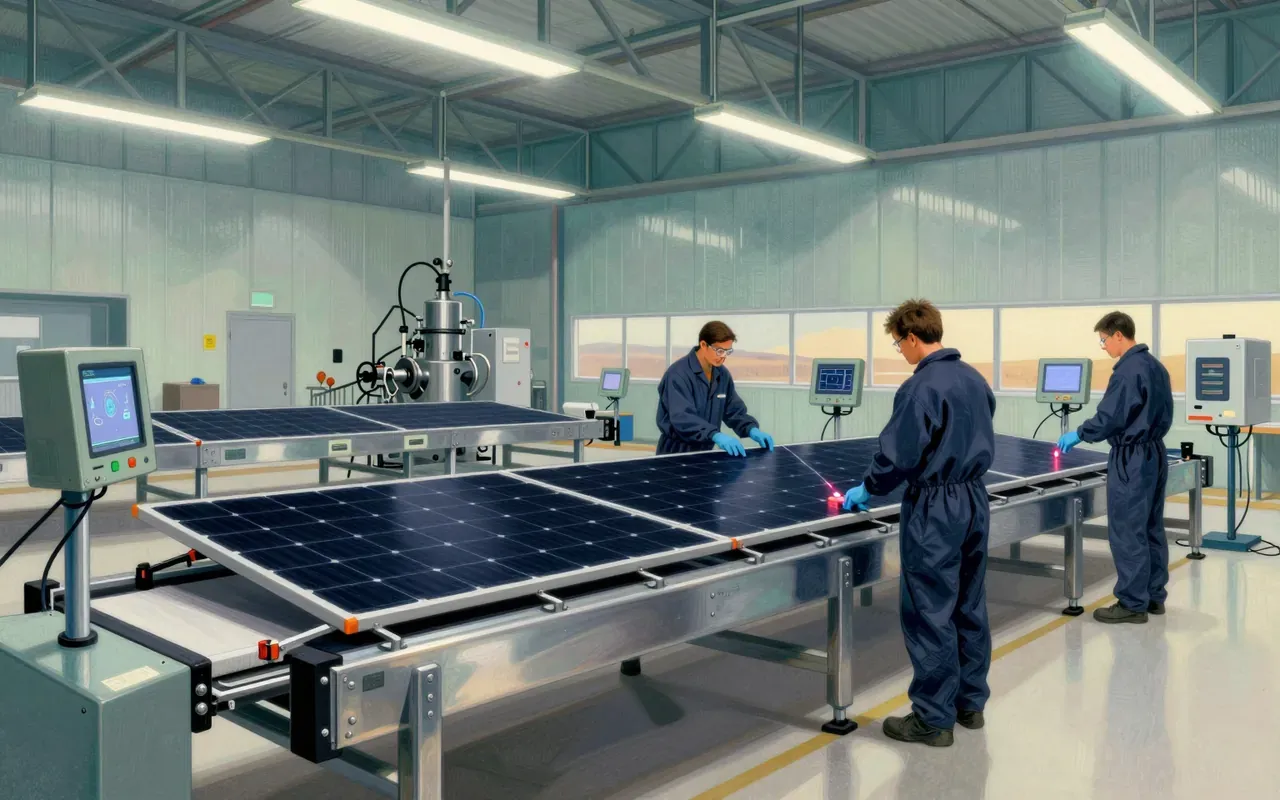
First Solar is a U.S. solar panel manufacturer that builds cadmium telluride (CdTe) thin-film modules in domestic factories. It was founded in 1990 as Solar Cells, Inc. by Harold McMaster, acquired and rebranded in 1999, and went public in 2006. Its technology diverges from mainstream silicon PV. As of March 2026, it had ~14 GW of annual domestic nameplate capacity across facilities in Ohio, Alabama, and Louisiana. It does not produce silicon panels, does not operate overseas factories, and does not integrate storage or software.

11:12

George Weston Limited

George Weston · 1882

George Weston Limited is a Canadian holding company founded in 1882, structured around two core assets: Loblaw Companies Limited and Choice Properties REIT.

10:34

Goldwind

Goldwind didn’t invent wind power in China—it imported it, scaled it with state money, and outsold rivals by mastering procurement, not physics.
11:27

GSK plc

Henry Wellcome · 2000

GSK plc is a British multinational pharmaceutical and biotechnology company formed in 2000 by the merger of Glaxo Wellcome and SmithKline Beecham. It traces its origins to Henry Wellcome’s 1880 co-founding of Burroughs Wellcome & Company. GSK developed the first malaria vaccine (RTS,S), markets WHO-listed essential medicines, and reported $42.4 billion in revenue and $9.32 billion in earnings in 2025. In 2012, it pleaded guilty in the US to unlawful drug promotion, failure to report safety data, and physician kickbacks — agreeing to a $3 billion settlement, the largest healthcare fraud case in US history and the largest in the pharmaceutical industry. The Wellcome Foundation Ltd., established by Henry Wellcome in 1924, was later sold to GSK following changes in UK charity law.

10:22

Japan Airlines

A national airline built for recovery became a cautionary tale about scale without sovereignty over its own balance sheet.
11:51

Japan Exchange Group

Japan Exchange Group is not a disruptor — it is the state-enforced consolidation of Japan’s exchange infrastructure.
9:26

John Deere

John Deere · 1868

John Deere is not a tech company. It is a manufacturer whose first product solved a tactile, geographic problem — soil adhesion — with a repeatable material fix. Its growth followed physical logic: water power, then scale, then diversification. Financial services are noted but undated. Nothing in the sources supports claims about digital transformation, autonomy, or data-driven farming.

10:57

KLM

Albert Plesman · 1919

KLM was not a private venture but a state-backed aviation instrument. Its longevity stems from institutional alignment — not market innovation.

11:52

Lamborghini

Ferruccio Lamborghini · 1948

Lamborghini is a case study in disciplined positioning: a luxury carmaker built on agricultural engineering, anchored in one town, defined by one cultural metaphor, and repeatedly tested — and sometimes broken — by global economic forces.

11:36

Lundin Energy

A fossil fuel company that sold its entire oil and gas business — then kept the name only for the renewables spin-off.
10:34

Grupo Modelo

A national monopoly built on Spanish immigrant capital became a global beer leader only after surrendering its biggest export market to a third party.