businessbriefs
10:44in productionCh. 1 · Not a startup, but a merger/ 10:44 · ceiling 15 min
Companies · Strategy

Arla Foods

2000

A co-operative did not need venture capital or a pivot to become the world’s fifth-largest dairy company — it just needed 119 years of farmer-led consolidation.

Arla Foods is a co-operative dairy business formed in 2000 by merging two national co-operatives. It is the fifth-largest dairy company globally and the largest in Scandinavia and the UK. Its origins trace to farmer-run dairies established in Sweden in 1881 and Denmark in 1882. Key milestones include Sweden’s largest co-operative dairy organisation in 1915 and the registration of Mjölkcentralen in 1927. The document provides no detail on revenue, margins, cost structure, or risk allocation.

Chapters & takeaways4
  1. 1:00
    Not a startup, but a merger

    Arla Foods was not founded in 2000 — it was reconstituted then, via merger of two national co-operatives.

  2. 2:26
    Scale without shareholders

    It is fifth globally and largest in Scandinavia and the UK — scale achieved without shareholder equity.

  3. 4:16
    Roots in 1881 and 1882

    Its oldest roots are in 1881 and 1882 — farmer-run dairies in Västmanland and Southern Jutland.

  4. 6:19
    Institutional scaffolding built long before 2000

    Key institutional milestones — Sweden’s largest co-operative dairy organisation (1915) and Mjölkcentralen (1927) — predate the 2000 merger by decades.

Worth your time?

Yes. Study the whole thing.

4/ 5
What works
  • whatTheCompanyOr
  • whatWorks
  • whatToTakeFrom
What does not
  • howItActuallyMakes
  • whatDoesNot
Study it if
  • business/companies
  • business/strategy
  • business/management
Skip it if
  • business/deals-and-ipos
  • business/startups-and-venture
  • business/founders
The written brief1 min read

What the company or idea is

Arla Foods is a Danish/Swedish multinational dairy co-operative formed on 17 April 2000 through the merger of Swedish Arla and Danish MD Foods.

How it actually makes money

Arla Foods makes money by processing and selling dairy products across Scandinavia and the United Kingdom.

What works

It operates as the largest dairy producer in Scandinavia and the UK, and ranks fifth globally — evidence that co-operative ownership can sustain scale across national markets.

What does not

The document says nothing about its cost structure, pricing power, margins, or who bears the financial risk — farmers, consumers, or shareholders — leaving the economic mechanics opaque.

What to take from it

Its longevity rests on co-operative continuity: roots in 1881 and 1882 dairies, formalised structures by 1915 and 1927, then consolidation into a single entity in 2000 — not innovation or disruption, but layering of collective infrastructure.

Is it worth your time

Yes — it is a rare case of a co-operative scaling to global scale without converting to shareholder ownership, offering a concrete model for alternative corporate governance.
Same desk · Companies4 of 297
10:34
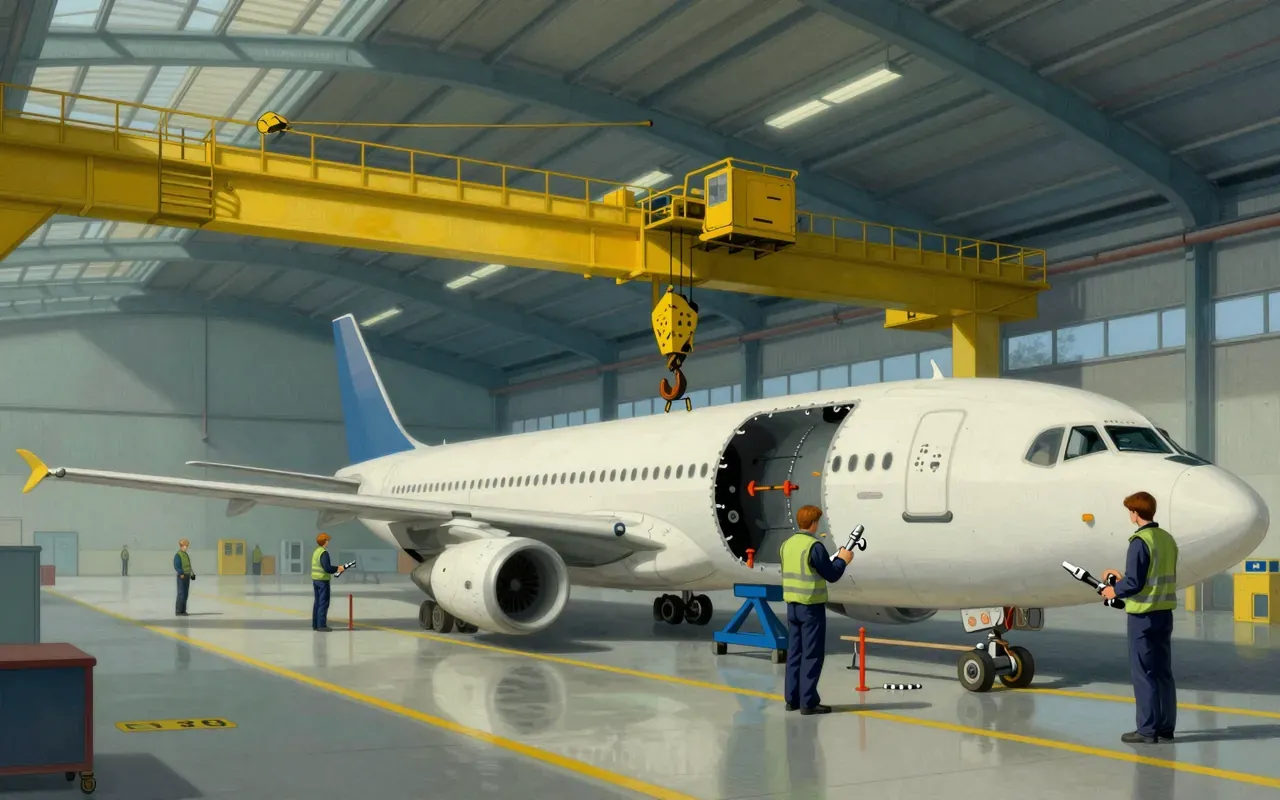
Airbus1998Airbus in 1998 was a consortium — not a company — sustained by national governments and bound by treaty, not equity. Its money came from airliner sales, but its structure reflected diplomacy more than business logic. It worked because Europe prioritised strategic autonomy over market efficiency. It failed as a unified enterprise until it abandoned the consortium model entirely. The lesson is structural: scale in aerospace is political first, economic second.
12:10
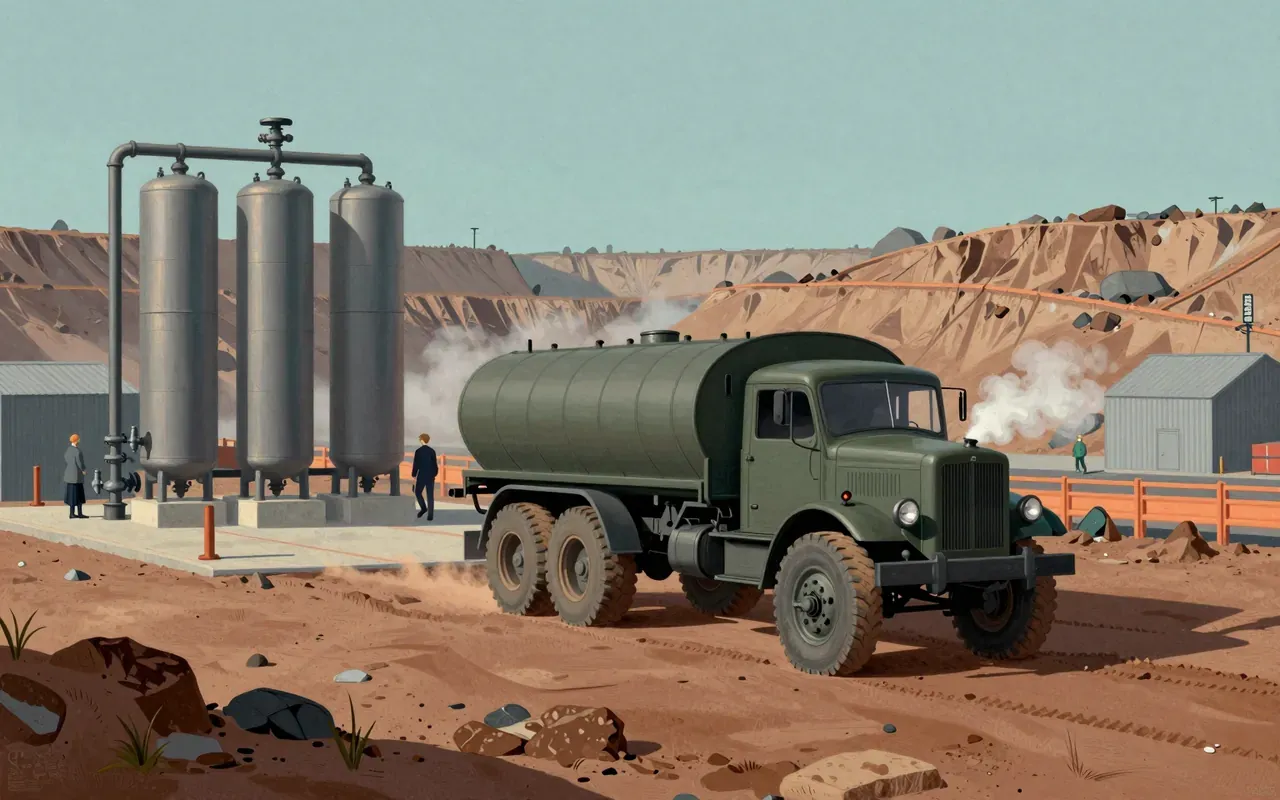
Anglo American plc1917Anglo American plc is a British multinational mining company headquartered in London, founded in 1917 in Johannesburg. It is the world's largest platinum producer (40% of global output) and owns 85% of De Beers. It merged with Minorco in 1999 to become Anglo American plc, and with Teck Resources in 2025 to form Anglo Teck. Between 2015 and 2015, it cut 138,000 jobs. In early 2015, it reported a $3 billion loss. It withdrew from the Pebble Mine in 2013 and partnered with Engie and First Mode in 2019 to develop a hydrogen-powered haul truck.
12:01
Birks GroupHenry Birks · 2005Birks Group is the legal successor to Henry Birks and Sons — a Canadian jeweller founded in 1879, vertically integrated from design to retail, with manufacturing roots in Roden Bros. and national reach built through owned stores and co-branded acquisitions. Its 2005 merger with Mayors was a structural consolidation, not a new beginning.
11:34
Chorus Limited2011Chorus is a state-shaped infrastructure monopoly built from a 2011 demerger. It controls the physical layer of New Zealand’s internet — but not the customer relationship, pricing, or service design. Its success is measured in coverage and uptake, not profit per user or innovation. It works because regulation forces openness — not because it competes.
Up next in Business

Liliane Bettencourt

· 9:16

She never ran L'Oréal — she owned it, shielded it, and walked away from the spotlight.

9:16