Takeda is not a pharmaceutical company that began in 1781 — it is a merchant business that became one, 144 years later.
Takeda’s origin story is misaligned with its present identity: it began as a repackaging merchant, not a drug developer. Its longevity reflects adaptability, not continuity.
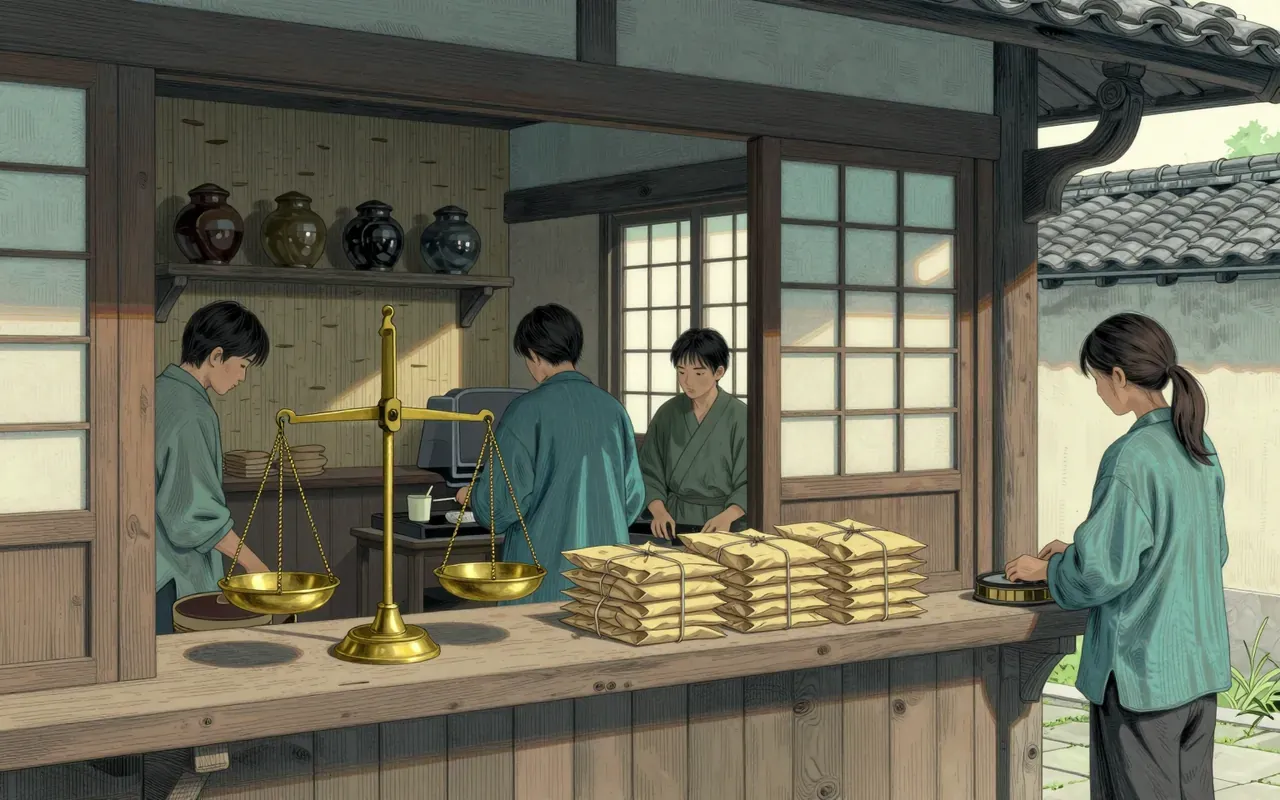
Chobei Takeda I founded a herbal medicine shop in Osaka in 1781 — not a pharmaceutical firm, but the commercial root of what would become Takeda.
2:52
The Repackaging Model
Takeda’s early profit came from dividing bulk herbal medicines into smaller units for resale — a wholesale-to-retail arbitrage in Japan’s Edo-period medicine district.
4:31
1871: The First Pivot
The shift to Western pharmaceutical imports in 1871 was a deliberate pivot — not evolution, but substitution — driven by generational leadership and national modernisation.
6:11
1925: Incorporation, Not Inception
Incorporation in 1925 marked formal separation from family-run commerce — the legal birth of the corporate entity, not the origin of the business.
Worth your time?
Yes. Study the whole thing.
4/ 5
What works
Clarifies the gap between founding myth and corporate chronology.
Shows how regulatory and infrastructural context shapes early business models.
Demonstrates that 'legacy' often means repeated reinvention, not endurance.
What does not
Takeda was founded as a pharmaceutical company.
Chobei Takeda I developed or manufactured medicines.
The 1781 business operated outside Osaka’s Dōshōmachi district.
Western pharmaceuticals were imported before 1871.
Study it if
business historians
pharma strategists
brand analysts
Skip it if
investors seeking current financial metrics
biotech founders looking for R&D playbooks
startup founders seeking first-mover lessons
The written brief1 min read
What the company or idea is
Takeda is a corporate lineage founded in 1781 by Chobei Takeda I as a traditional herbal medicine shop in Osaka — not a pharmaceutical firm at inception, but the ancestor of today’s Takeda Pharmaceutical Company.
How it actually makes money
Takeda made money by repackaging bulk herbal medicines for resale to local merchants and medical practitioners in Osaka’s Dōshōmachi medicine district.
What works
The repackaging model created distribution leverage in Japan’s tightly regulated Edo-period medicine trade. Transitioning to Western imports in 1871 aligned with Meiji-era policy shifts and unlocked new margins.
What does not
The business did not begin as a pharmaceutical company. It had no R&D, no clinical trials, no global supply chain, and no biopharmaceutical operations before the 20th century.
What to take from it
Legacy brands often obscure their origins: Takeda’s modern identity rests on a 1925 incorporation and later Westernisation, not its 18th-century roots in repackaged herbs.
Is it worth your time
Yes — as a case study in how a pre-modern wholesale-to-retail model in traditional medicine evolved into a global pharmaceutical enterprise through deliberate strategic pivots, not organic continuity.