businessbriefs
11:17in productionCh. 1 · Distillery roots/ 11:17 · ceiling 15 min
Company stories

Bonduelle

1853

Bonduelle didn’t build a vegetable empire—it built a preservation empire, one can, freezer, and salad kit at a time.

Bonduelle is a French processed-vegetable company founded in 1853 as a grain and juniper berry distillery. It evolved through three distinct processing phases: canning (from 1926), freezing (from 1968), and fresh-prepared salads (from 1997).

Chapters & takeaways4
  1. 1:01
    Distillery roots

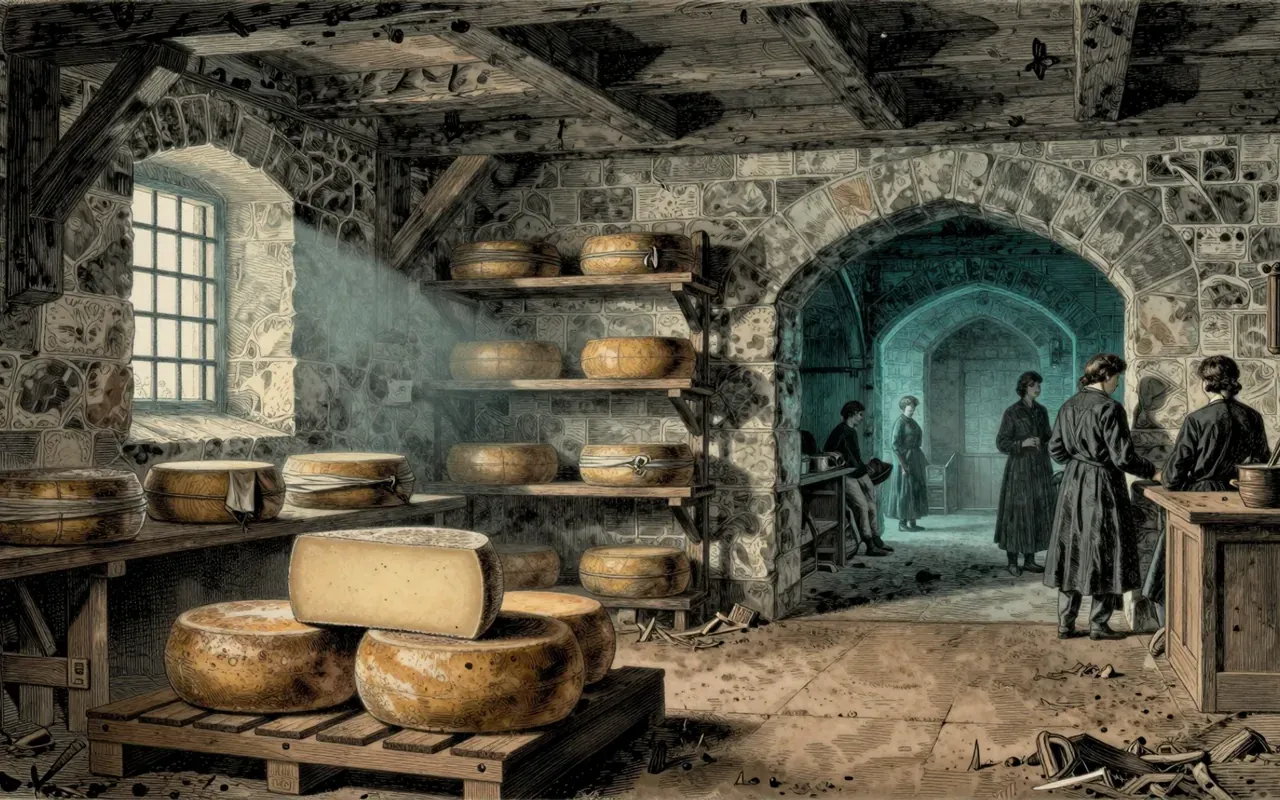
    Bonduelle began not with vegetables—but with grain and juniper berries distilled into spirits.

  2. 2:32
    Three preservation layers

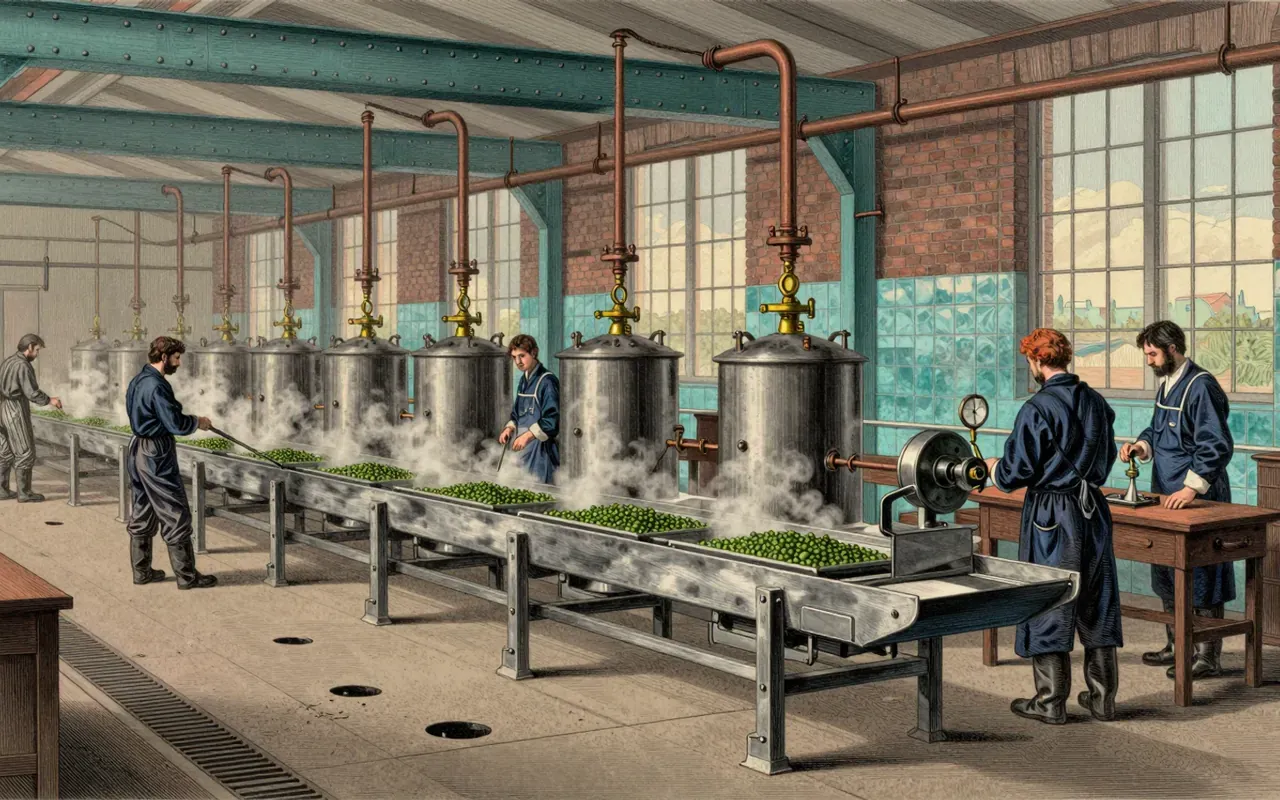
    It added canning in 1926, freezing in 1968, and fresh-cut salads in 1997—each phase extending its hold on the same raw material.

  3. 5:21
    Acquisition as expansion

    Its 2017 acquisition of Ready Pac Foods was its largest move into the US fresh-prepared market—not organic growth.

  4. 7:15
    Foundation ≠ function

    The Louis Bonduelle Foundation, created in 2004, promotes vegetable consumption—but does not fund R&D, change sourcing, or alter production costs.

Worth your time?

Yes. Study the whole thing.

3.5/ 5
What works
  • multi-format preservation strategy
  • geographic expansion via targeted acquisition
  • layered operational capability across three shelf-life regimes
What does not
  • control upstream farming at scale
  • own its raw material supply chain
  • tie its foundation’s mission to measurable commercial or operational outcomes
Study it if
  • analysts of industrial food consolidation
  • students of European agri-business evolution
  • strategists assessing preservation-as-differentiation
Skip it if
  • startups seeking innovation playbooks
  • investors tracking ESG integration
  • policy makers evaluating farm-to-fork traceability
The written brief1 min read

What the company or idea is

Bonduelle is a French processed-vegetable company founded in 1853 as a grain and juniper berry distillery. It evolved through three distinct processing phases: canning (from 1926), freezing (from 1968), and fresh-prepared salads (from 1997).

How it actually makes money

Bonduelle makes money by processing vegetables into canned, frozen, and fresh-prepared formats. It does not grow produce at scale. Its revenue comes from selling these processed goods through retail and foodservice channels.

What works

Its multi-format strategy works: it sells the same vegetable across three preservation modes—canned, frozen, fresh-cut—capturing different price points, shelf-life requirements, and retail placements. Acquisitions expanded its US presence and fresh-prepared segment.

What does not

Bonduelle does not control upstream farming at scale. It does not own its raw material supply chain. Its foundation promotes vegetable consumption but has no stated impact on sales, margins, or sourcing practices.

What to take from it

Bonduelle shows how a 171-year-old industrial food business survives not by reinventing agriculture, but by acquiring downstream capabilities—Salade Minute in 1997, Ready Pac Foods in 2017—and layering preservation methods onto the same core commodity.

Is it worth your time

Yes—if you are studying how legacy agri-food businesses extend shelf life, category reach, and geographic footprint via sequential acquisition and operational layering—not innovation in cultivation, biotech, or direct-to-consumer models.

Same desk · Company stories4 of 25
12:01
Birks GroupHenry Birks · 2005Birks Group is the legal successor to Henry Birks and Sons — a Canadian jeweller founded in 1879, vertically integrated from design to retail, with manufacturing roots in Roden Bros. and national reach built through owned stores and co-branded acquisitions. Its 2005 merger with Mayors was a structural consolidation, not a new beginning.
11:18
FerrariEnzo Ferrari · 1947Ferrari is a racing operation that sells cars — not the reverse. Its business model depends on using road-car revenue to fund Scuderia Ferrari, which in turn validates the brand, justifies price premiums, and dictates engineering direction. It was never financially self-sustaining in racing alone. Enzo Ferrari maintained control of racing through every ownership change — including Fiat’s 1969 investment — because that control was the source of legitimacy, not the cars.
10:55
Free (ISP)Xavier Niel · 1999Free is a vertically integrated French ISP that built its own networks, hardware, and pricing model — rejecting reliance on incumbents and subscription lock-in. It achieved profitability and low churn through infrastructure control and disciplined bundling, not venture funding or hype.
10:01
Bel Group1865Bel Group is a 159-year-old French food company whose documented growth hinges on three verified actions: maturing Comté wheels in 1865, adopting Swiss processed cheese techniques to register The Laughing Cow in 1921, and launching its first overseas subsidiary in the UK in 1929. Nothing in the source material indicates current scale, profitability, or operational model beyond those facts. Its story is one of technical adaptation and geographic expansion—not digital transformation or brand reinvention.
Up next in Business

Bouygues Telecom

1994 · 10:20

Third place wasn’t a disadvantage — it was the only position that let Bouygues Telecom skip the past and build for the city.

10:20