businessbriefs
Highest rated

All briefs

561 briefs · 5965 min · 385–480 on page 5 of 6
10:22

X5 Group

Russia’s biggest grocer didn’t build a platform — it bought, merged, and listed three legacy chains.
9:10

Yara International

A state-owned fertilizer maker spun off from Norway’s national industrial champion — not a startup, not a disruptor, but a continuation of century-old state-backed chemistry.
10:10

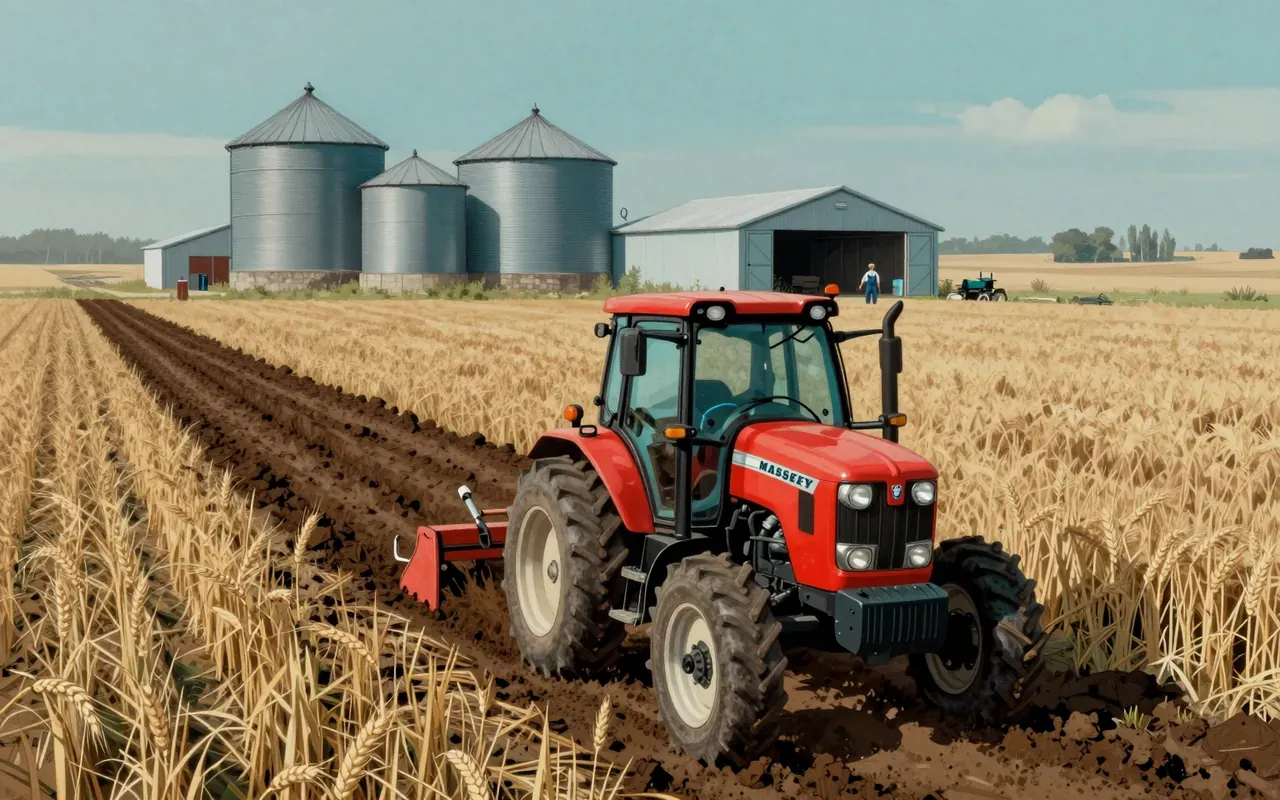
AGCO

AGCO didn’t invent farm machinery — it acquired its way into the top tier of global tractor makers.
10:55

Air Canada

A flag carrier built by the state, reshaped by deregulation, saved by bankruptcy—and still defined by its hubs, not its strategy.
10:34

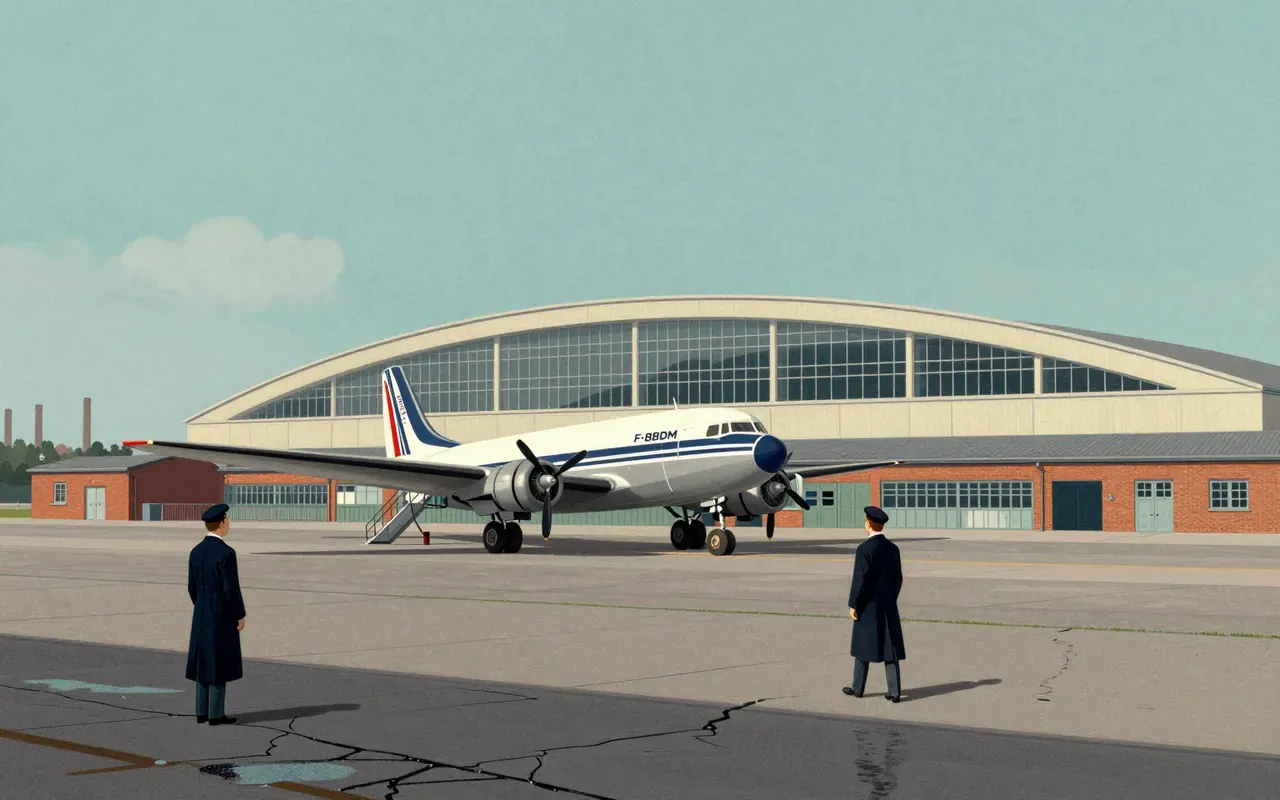
Air France

Air France was never just an airline — it was a diplomatic asset dressed as a company.
9:32

Alfa Romeo

Nicola Romeo · 1910

Alfa Romeo was not founded by Nicola Romeo. It was founded in 1910 as A.L.F.A. to acquire the assets of the failing Italian Darracq subsidiary. Romeo acquired it in 1915, took full ownership by 1918, renamed it in 1920, launched the first Alfa Romeo-branded car in 1921, won the inaugural 1925 World Manufacturers’ Championship, faced near-liquidation in 1927 due to poor investments, departed formally in 1928, and was taken over by the Italian state in 1933.


9:30

Marc Andreessen

Andreessen Horowitz sells conviction in technological inevitability — not proven investing skill.
10:53

Apollo Global Management

Leon Black · 1990

Apollo Global Management is a $1.03 trillion alternative asset manager built on distressed-to-control investing, co-founded in 1990 by ex-Drexel bankers. It earns fees from pension funds, endowments, and sovereign wealth funds deploying capital across credit, private equity, and real assets. Its model works at scale—but its credibility fractures where leadership conduct contradicts its governance claims. The $158 million paid to Jeffrey Epstein did not disrupt operations, but it ended Leon Black’s tenure and exposed a rift between Apollo’s discipline-as-brand and its human risk.

10:59

Astellas Pharma

A keiretsu-backed Japanese pharma merger that bought its way into oncology — but couldn’t fix its own dosing labels.
11:35

Biogen

Cesar Milstein · 1978

Biogen is a neurology-focused biotech that built scale via acquisition, not foundational science — and César Milstein, whose hybridoma work underpins modern antibody therapeutics, has no documented relationship to the company.
10:52

Bombay Stock Exchange

Asia’s oldest stock exchange survives not by outcompeting, but by outlasting — and outsourcing innovation to subsidiaries.
9:53

Borsa Italiana

A national stock exchange that stopped being national in 2021 — and never stopped being a regulatory utility.
9:24

Richard Branson

Branson didn’t build an empire — he built a licensing platform disguised as a conglomerate.
9:46

Bristol Myers Squibb

A 1989 merger of two penicillin-makers became a US-revenue monoculture built on seven drugs — not science, but scale.
9:46

British Airways

Albert Stanley · 1919

British Airways is the UK’s flag carrier, formed by state merger in 1974, privatised in 1987, and folded into IAG in 2011. It is the largest UK airline by fleet and international reach. It was the first passenger airline to earn over $1 billion on a single route in a year. It has a documented reputation for poor staff conduct, arbitrary service changes, and refusing compensation claims.
12:11

Canadian Solar

Shawn Qu · 2001

Canadian Solar is a vertically integrated solar energy firm founded in 2001 by Dr. Shawn Qu, headquartered in Kitchener, Ontario, with operations spanning manufacturing, project development, and storage system provision.

10:46

The Carlyle Group

David Rubenstein · 1987

Carlyle is a textbook case of how a firm leverages geography and timing — not product innovation — to dominate a financial services niche. Its business model remains fee-dependent, opaque, and unremarkable in mechanics. Its value lies in its path, not its current structure.
11:38

Cenovus Energy

Cenovus isn’t built — it’s assembled, asset by acquired asset, to look like an integrated energy company.
10:45

Chevron Corporation

Chevron is not a tech company in disguise — it is Standard Oil’s second-largest heir, running legacy systems at global scale.
10:03

Cipla

Cipla built scale before science—and still runs on that engine.
11:58

CMS Energy

A holding company built to separate a century-old monopoly from its speculative bets — and keep both profitable under one roof.
10:44

CNH Industrial

A Dutch-incorporated, UK-headquartered, US-listed industrial firm—controlled from Italy. Not global. Glocal.
11:22

ConocoPhillips

A vertically stripped hydrocarbon extractor — upstream only, emissions-heavy, legally separated from its own downstream past.
10:49

Daiichi Sankyo

A merger-born giant that bought its way into oncology — but still answers to US prosecutors for kickbacks.
12:42

Dominion Energy

A utility built on 18th-century river trusts now profits from gas pipelines and LNG terminals — but its 2022 power mix still runs on coal and gas.
9:44

Dr. Reddy's Laboratories

K. Anji Reddy · 1984

Dr. Reddy's Laboratories is a business case in disciplined vertical progression: API → branded formulation → export credential → finished product. Its early wins were tactical, not structural. No data on scale, margins, or longevity is provided — only sequence, timing, and pricing intent.
11:23

Duke Energy

A century-old utility built on coal and nuclear isn’t transitioning—it’s being transitioned, one regulator-approved rate case at a time.
9:48

Eisai (company)

Eisai didn’t build a global pharma business — it bought one, piece by piece, while outsourcing its biggest launches.
12:03

Enbridge

Enbridge runs the world’s largest oil export pipeline network — and its first renewable investment was a single wind farm, bought in 2002.
10:34

Enphase Energy

Enphase didn’t invent solar—it invented a way to sell inverters as the bottleneck, not the afterthought.
11:10

Entergy

A century-old utility built on monopoly franchises—not markets, not tech, not disruption.
11:34

Equinor

A state-owned petroleum giant that calls itself ‘Equinor’ still emits more than most nations — and answers to Oslo, not shareholders.
10:38

Eskom

A state monopoly that powers a nation also poisons its air—and blackouts prove it runs on inertia, not investment.
10:28

Etihad Airways

Sheikh Mohamed bin Zayed · 2003

Etihad Airways is a state-owned UAE flag carrier launched in 2003 to project national presence globally. It operates passenger, cargo, and holiday services from Zayed International Airport using a fleet of 107 aircraft. It is the second-largest airline in the UAE after Emirates. Its business model relies on sovereign backing—not unit economics—to sustain scale beyond its home market’s natural demand.

9:00

Euronext

Euronext isn’t pan-European capital markets—it’s eight national markets stitched together by a Paris-based billing system.
10:02

Exelon

Biggest isn’t safest — Exelon’s scale came from mergers, not reliability.
10:37

FirstEnergy

A regulated monopoly built on coal and tree-trimming failures — not innovation.
9:37

Franchising

Franchising isn’t partnership—it’s licensed dependency.
12:56

GAIL

GAIL isn’t building energy markets — it’s building the state’s physical authority over gas, one pipeline at a time.
10:22

GE Renewable Energy

A rebranding exercise disguised as a renewable energy play — anchored in acquisition terms, not innovation.
9:24

Genmab

Jan van de Winkel · 1998

Genmab is a platform biotech — not a drug developer — built around two licensed and proprietary antibody generation methods. Its value is in reducing discovery risk and time, not in owning clinical or commercial outcomes.
8:50

Hindalco Industries

Hindalco didn’t build global scale — it bought it, for $6 billion, and renamed itself the world’s largest rolled-aluminium producer.
10:37

Iberia (airline)

Iberia stopped being Spain’s independent flag carrier the moment it joined IAG — and started being a branded cost centre in a UK-registered airline group.
11:36

Indian Oil Corporation

India’s largest state-owned oil company runs on vertical integration — not disruption, not agility, but scale backed by sovereign control.
12:06

Intercontinental Exchange

Jeffrey Sprecher · 2000

ICE is a financial infrastructure consolidator — not a technology innovator or market creator. It turned energy trading into a global clearing and exchange empire by acquiring failing or exposed rivals, shutting down physical floors, and layering data and mortgage tech atop core exchange revenue. Its business model depends on regulatory moats, scale-driven pricing, and vertical integration — not speed, intelligence, or user experience.
10:01

Iveco

A 1975 merger of five European truck makers created scale without unity — and proved that corporate branding doesn’t equal engineering integration.
9:34

JFE Steel

Second in Japan, minor everywhere else: JFE Steel’s global footprint is equity, not control.
11:49

KKR & Co.

Henry Kravis · 1976

KKR is a foundational leveraged buyout firm whose early success relied on regulatory change, not market demand — and whose most famous deal was unprofitable. Its current scale reflects diversification beyond private equity, not enduring deal-making superiority.

11:34

London Stock Exchange

Europe’s largest stock market by value isn’t winning on liquidity—it’s renting out its legacy position in mining and emerging-market paper.
10:24

Lufthansa

Lufthansa isn’t a century-old airline — it’s a 1953 reboot that inherited a brand, not a balance sheet.
10:52

Lukoil

Vagit Alekperov · 1991

Lukoil is a Russian multinational energy corporation headquartered in Moscow, formed in 1991 by merger of three state-run western Siberian oil enterprises: Langepasneftegaz, Urayneftegaz, and Kogalymneftegaz.

10:44

Lupin (company)

Lupin built its business on public health contracts — not disruption, not patents, not venture capital.
11:28

Mack Trucks

Jack and Gus Mack · 1900

Mack Trucks is a vertically narrow, geographically mobile, and corporately subordinated industrial brand — sustained not by innovation or scale, but by consistent execution in a defined vehicle class and enduring customer trust in its vocational durability.

10:39

MAN SE

A 263-year industrial lineage ended not with bankruptcy or scandal—but with a silent statutory merger into Traton SE in August 2021.
10:09

Merck & Co.

George Merck · 1891

Merck & Co. is a multinational pharmaceutical company founded in 1891 as the American affiliate of the German Merck Group, made independent in 1919 after U.S. government expropriation and resale. Its early growth came from strategic mergers — not organic R&D — and its landmark streptomycin breakthrough relied on external academic research funded by the company. Under George W. Merck’s presidency (1925–1950), it developed synthetic vitamins, sulfas, antibiotics, and hormones, while simultaneously leading the U.S. biological weapons programme. The gap between its self-presentation as a scientific pioneer and its actual mechanics — acquisition, outsourcing, and state-aligned research — is the core of its business story.


12:25

Moderna

Moderna isn’t an RNA platform company—it’s a pandemic procurement vehicle that hasn’t yet proven its tech works beyond emergency use.
9:14

Moody's Ratings

John Moody · 1909

Moody's Ratings is the credit ratings division of Moody's Corporation, rebranded from Moody's Investors Service in March 2024. It provides international financial research on bonds issued by commercial and government entities, operates as one of the Big Three credit rating agencies, uses a standardized ratings scale measuring expected investor loss in default, assigns ratings from Aaa (highest) to C (lowest), and was founded by John Moody in 1909 to produce manuals of statistics related to stocks, bonds, and bond ratings.

10:36

Nasdaq

NASD · 1971

Nasdaq is not a disruptor — it is the incumbent infrastructure operator. Its value lies in ownership of exchange platforms, data feeds, and listing rules — not in technological novelty, which has long since been replicated. It works where liquidity and branding converge: tech IPOs, real-time data sales, and cross-border access. It falls short as a neutral arbiter: its incentives align with listed companies and high-frequency traders, not retail investors or public market integrity. The gap between its self-presentation as a ‘market enabler’ and its actual function as a toll collector is wide — and profitable.

11:48

Naspers

A nationalist publisher that became a passive tech investor by accident — not design.
9:54

Natura

Luiz Seabra · 1969

Natura built a global cosmetics business using direct sales—not digital platforms—and anchored its identity in ethical sourcing and animal-testing bans. It listed on Brazil’s highest-governance stock exchange tier in 2004. But none of its stated commitments include third-party verification, cost impact, or enforcement mechanisms. Its scale—6.6 million consultants in 2018—is real. Its ethics are aspirational.

11:48

NextEra Energy

The world’s largest renewable generator still gets more than a third of its power from fossil fuels—and that’s the point.
9:42

Novatek

Leonid Mikhelson · 1994

Novatek is a state-tolerated gas monopoly-in-waiting: dominant domestically, absent internationally, priced by regulation not competition.

10:34

Novo Nordisk

Novo Nordisk is not a biotech disruptor — it is the institutional heir to Denmark’s 1920s insulin labs, built on merger, not molecule.
10:04

Pemex

A national oil company that peaked before the iPhone—and still pays for half of Mexico’s federal budget.
9:16

Perenco

A private oil firm that publishes nothing but its output — and has thrived for half a century doing exactly that.
10:26

Petrobras

A state oil company built fast — but its first-year output was barely a rounding error on global demand.
11:20

SABMiller

A global brewer built on colonial infrastructure, then dissolved into a monopoly — not by failure, but by design.
10:46

Sasol

A state-built coal-to-liquids project became a global mining and chemicals giant—not by pivoting away from coal, but by scaling it.
11:57

SATA Air Açores

A government-conceded airline that exists because geography made competition impossible.
11:52

Scania AB

Scania reports strong profits and publishes its first EU-mandated sustainability statement — while delivering just 602 zero-emission vehicles out of 94,073.
11:06

Sinopharm (company)

A state-owned vaccine developer that delivered peer-reviewed efficacy — and sold 400,520 faulty doses.
9:53

Southern Company

A regulated utility isn’t a tech platform — it’s a 120,000-square-mile, ratepayer-funded machine for moving electrons and gas.
11:11

Suncor Energy

Suncor isn’t a pioneer—it’s a consolidation play built on one province’s tar sands and two governments’ exits.
10:14

TC Energy

TC Energy doesn’t build the energy transition—it rents the pipes that keep the old one running.
11:44

TMX Group

TMX Group isn’t a stock exchange — it’s a vertically fractured toll road operator for Canadian capital markets.
10:08

Toronto Stock Exchange

A 163-year-old exchange that survives not by reinvention, but by absorbing change — then claiming it as legacy.
10:56

Tronox

A spin-off designed to dump toxic debt — not disrupt an industry.
9:55

Turkish Airlines

It flies to more countries than any airline — but no source says who pays, or how much.
9:11

Ultrapar

A 1937-founded Brazilian conglomerate proves infrastructure dominance doesn’t require innovation—just scale, regulation, and control over the last mile of physical energy logistics.
10:58

Vale S.A.

Vale owns the rails, the port, and the ships—but not the trust.
11:00

Valero Energy

Valero isn’t going green—it’s adding green to an oil-refining empire, one acquired plant at a time.
10:21

Vermilion Energy

Vermilion didn’t build an energy company—it assembled one, country by country, asset by asset, without inventing anything new.
11:13

WEC Energy Group

A century-old utility built dominance through engineering first, expansion second — but its current business model remains opaque on climate risk and customer economics.
9:45

Woodside Energy

Woodside isn’t just Australia’s biggest oil and gas company — it’s the operator of Australia’s oil and gas production.