BHP
BHP is an Australian mining company, founded at Broken Hill in 1885, that today mines iron ore, copper and coal.






Hemköp is a Swedish supermarket chain owned by Axfood. It operated around 200 stores in 2024. Its business model relies entirely on physical retail scale within a consolidated ownership structure. No data is provided on margins, digital performance, private label, or customer behaviour. Its value lies in infrastructure reuse — not innovation.

Bear Stearns collapsed because its business model depended on continuous short-term funding — and when counterparties stopped rolling over repo loans, liquidity vanished faster than capital could be deployed. Its balance sheet held value, but confidence did not. The firm was sold to JPMorgan Chase in a Fed-brokered fire sale.

The RJR Nabisco deal was a $25 billion leveraged buyout led by KKR in 1988 — the largest in history at the time. KKR’s $109-per-share bid prevailed over RJR management’s $112 offer because it was guaranteed. The transaction relied on institutional equity co-investors and a hostile tender offer. Post-acquisition, KKR repaid debt through asset sales and restructuring. Over 2,000 workers lost their jobs, most taking 5.6 months to find new work, and 72% who were rehired earned less than half their previous incomes.

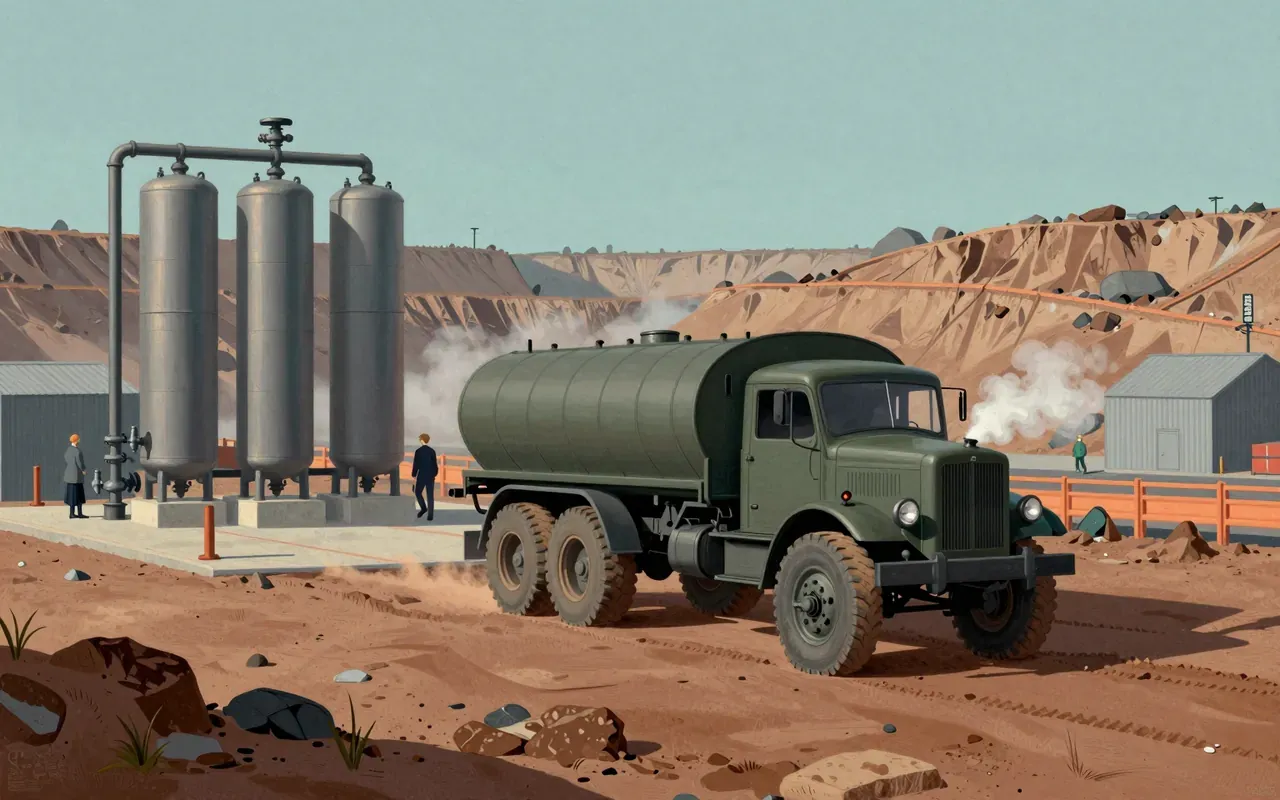
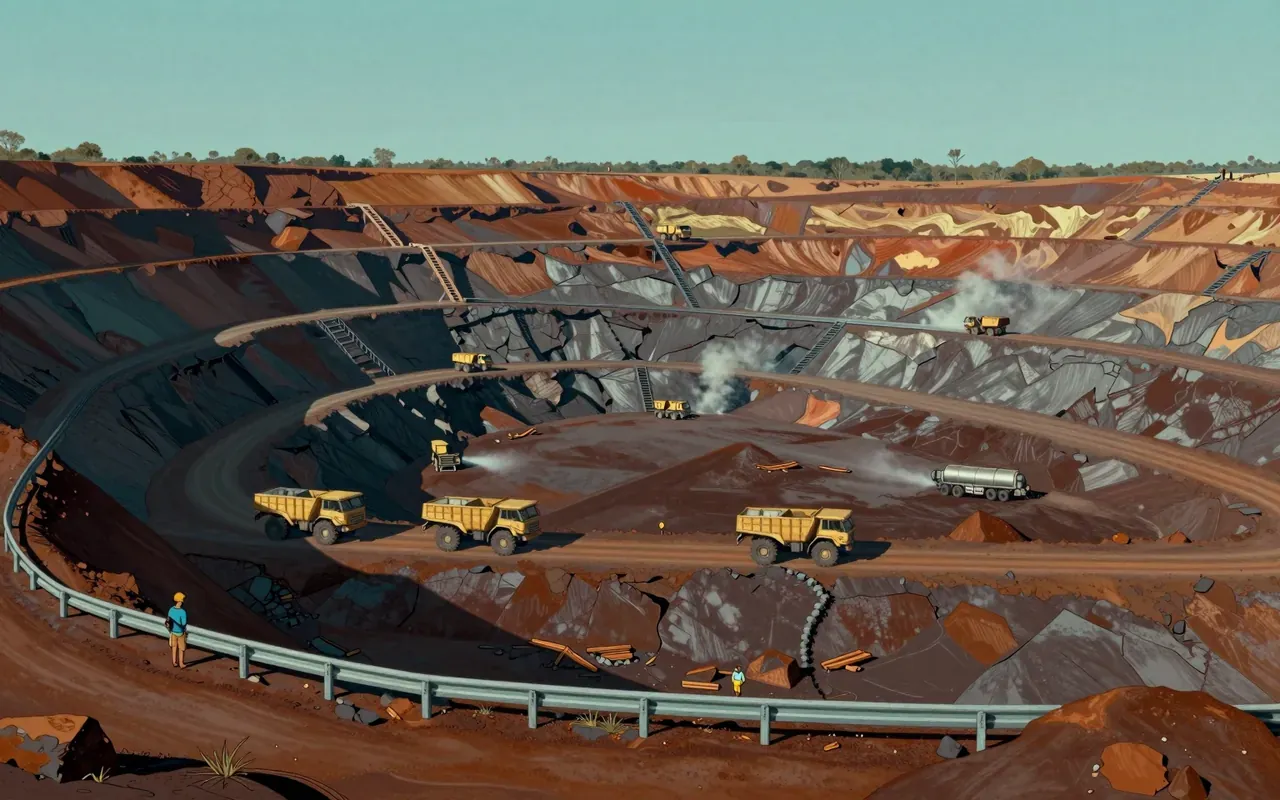
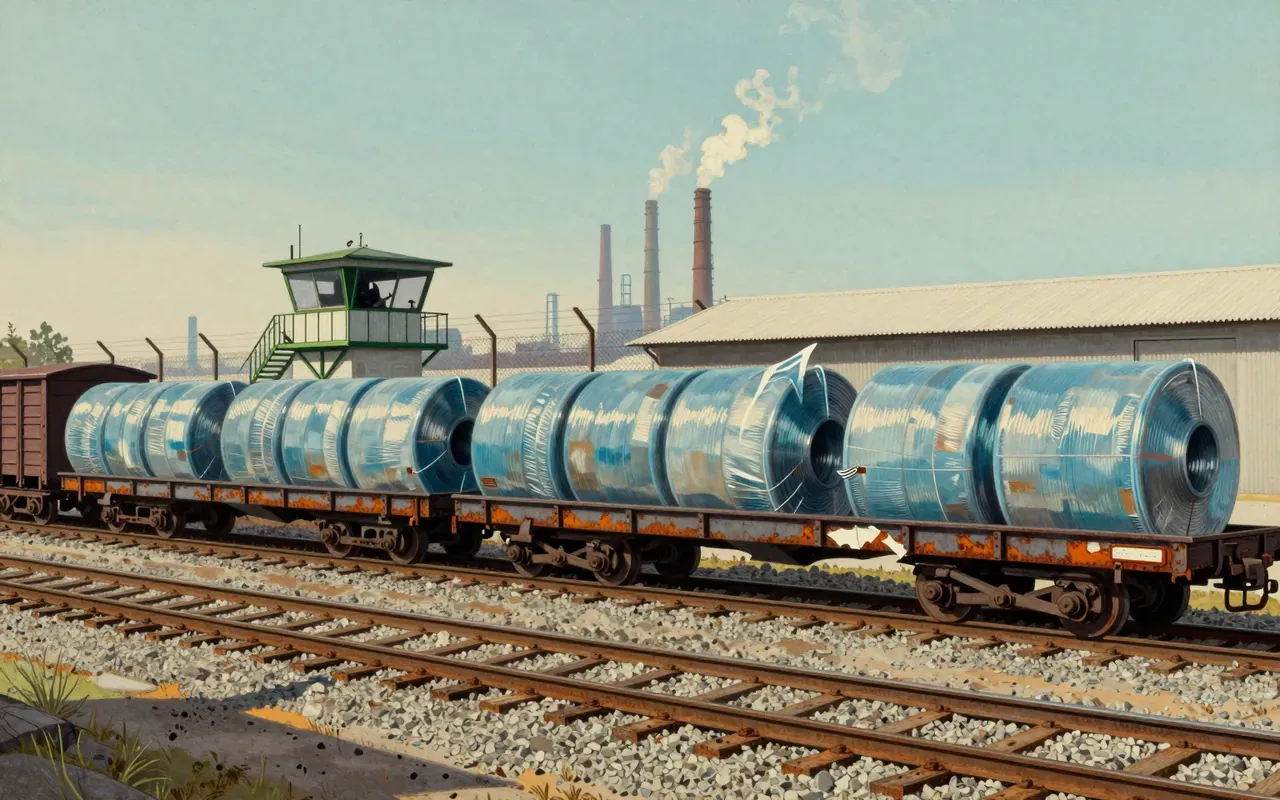
ArcelorMittal is the world’s second-largest steelmaker — a $33 billion hostile merger of Mittal Steel and Arcelor in 2007. It operates across mining, smelting, and recycling in 14 countries. In 2025, it produced 55.6 million tons of steel against 74.6 million tons of capacity — 53% in Europe, 40% in the Americas. It sources 72% of its iron ore and 91% of its coke internally. The Mittal family surrendered control to close the deal. It is not a technology company. It is not growing. It is a vertically integrated commodity producer whose scale is structural, not strategic.

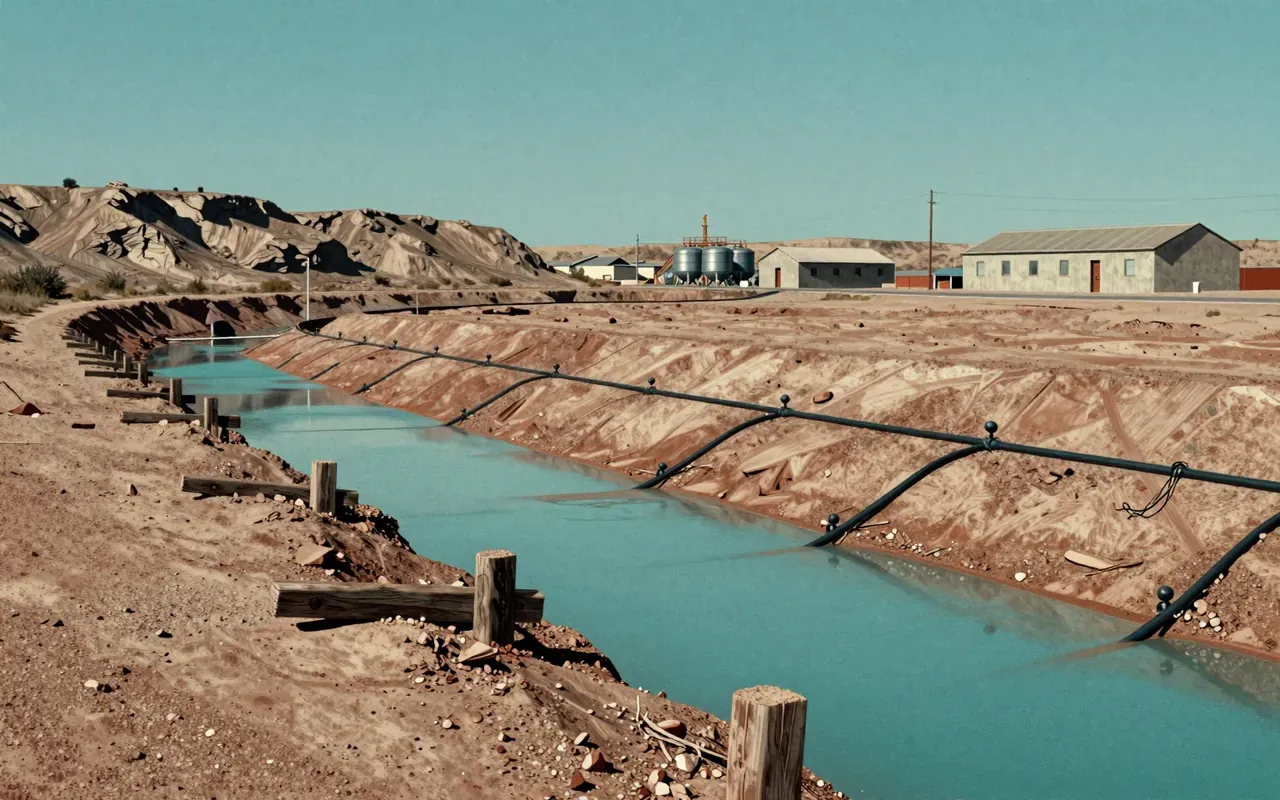
Barrick Mining is a gold-and-copper extraction company built through strategic acquisitions — not innovation, not discovery, not vertical integration. Its value lies in scale: 89 million ounces of gold in reserves, 3.91 million ounces produced in 2024, and a history of absorbing rivals like Placer Dome. But its governance fails where operations meet people: in 2008, Peter Munk personally silenced testimony about violence at Porgera. That gap — between reserve size and human accountability — is the real story.

Biedronka is a Polish discount supermarket chain owned by Portuguese group Jerónimo Martins. It operates 3,730 stores in Poland, employs 84,000 people, and accounts for approximately 70% of its parent’s sales. Its model relies on high-volume, low-margin sales of local and own-label goods — not differentiation or premium pricing. Its sole international move — one store in Slovakia, opened March 2025 — shows no evidence of traction. Its strength is also its risk: extreme geographic concentration in Poland.

Birks Group is the legal successor to Henry Birks and Sons — a Canadian jeweller founded in 1879, vertically integrated from design to retail, with manufacturing roots in Roden Bros. and national reach built through owned stores and co-branded acquisitions. Its 2005 merger with Mayors was a structural consolidation, not a new beginning.



Google DeepMind is a research lab, not a business. Its value lies in its ability to produce peer-recognised scientific milestones — not revenue, not IP licensing, not product deployment. It proves that one company can fund high-risk, long-horizon AI research at industrial scale — but only by insulating it entirely from market logic.
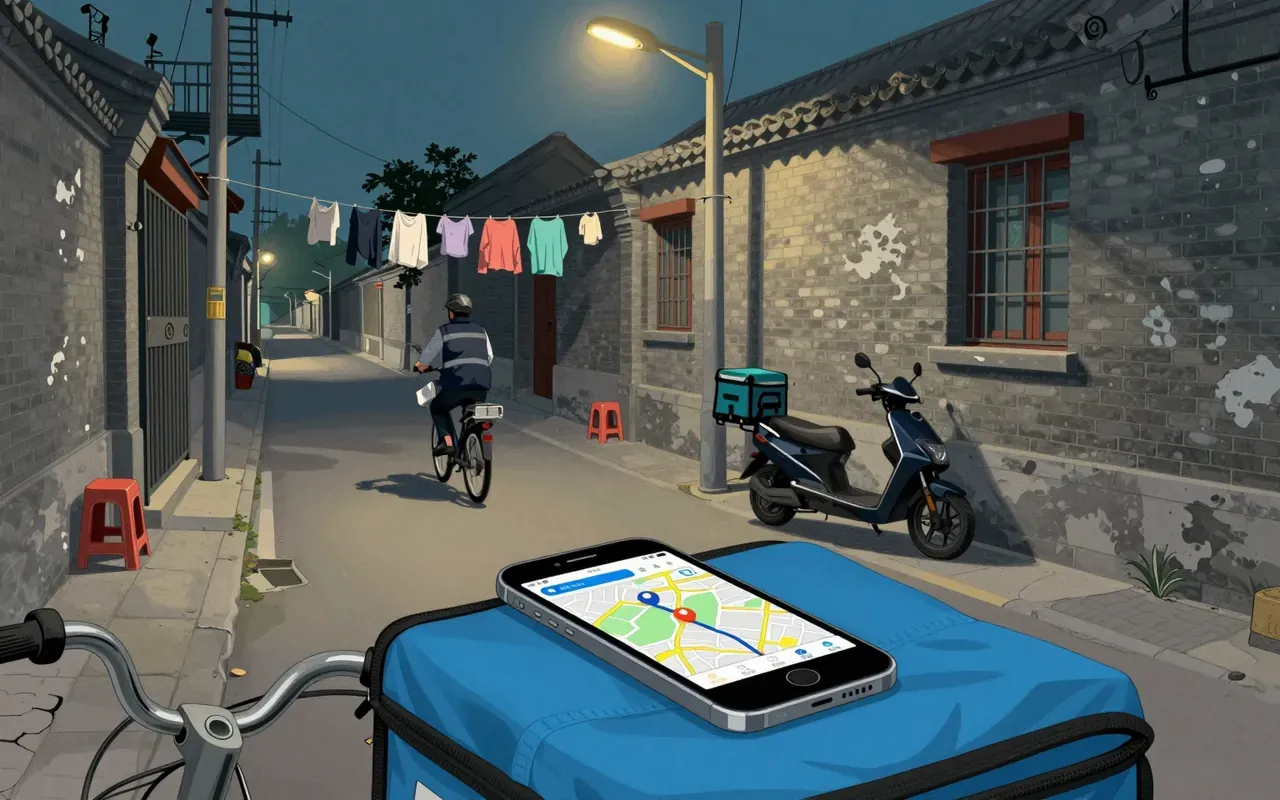
DiDi is a Chinese mobility technology company founded in 2012 by Cheng Wei in Beijing. It offers ride-hailing, taxi dispatch, bike sharing, vehicle leasing, food delivery, automobile services, and electric vehicle development. It merged with Kuaidi Dache in 2015 and acquired Uber China in 2016. It listed on the NYSE in June 2021 and was delisted in June 2022 after a $1.2 billion fine and app removal over data security concerns.

eBay acquired PayPal on October 3, 2002, for $1.4–$1.5 billion. It shut down its competing Billpoint service three months later. PayPal became the dominant, user-chosen payment method on eBay — used in over 70% of auctions and ~25% of closed listings — and by Q3 2012 accounted for 40% of eBay’s revenue ($1.37B). The deal was not about innovation. It was about controlling the checkout.

Enron was an American energy, commodities and services company founded in 1985 through a merger. It grew into a major electricity, natural gas, communications, and pulp and paper company — then collapsed due to institutionalised, systematic accounting fraud. Its 2001 bankruptcy was the largest fraud-related bankruptcy in U.S. history. It reorganised as Enron Creditors Recovery Corp. in 2004.

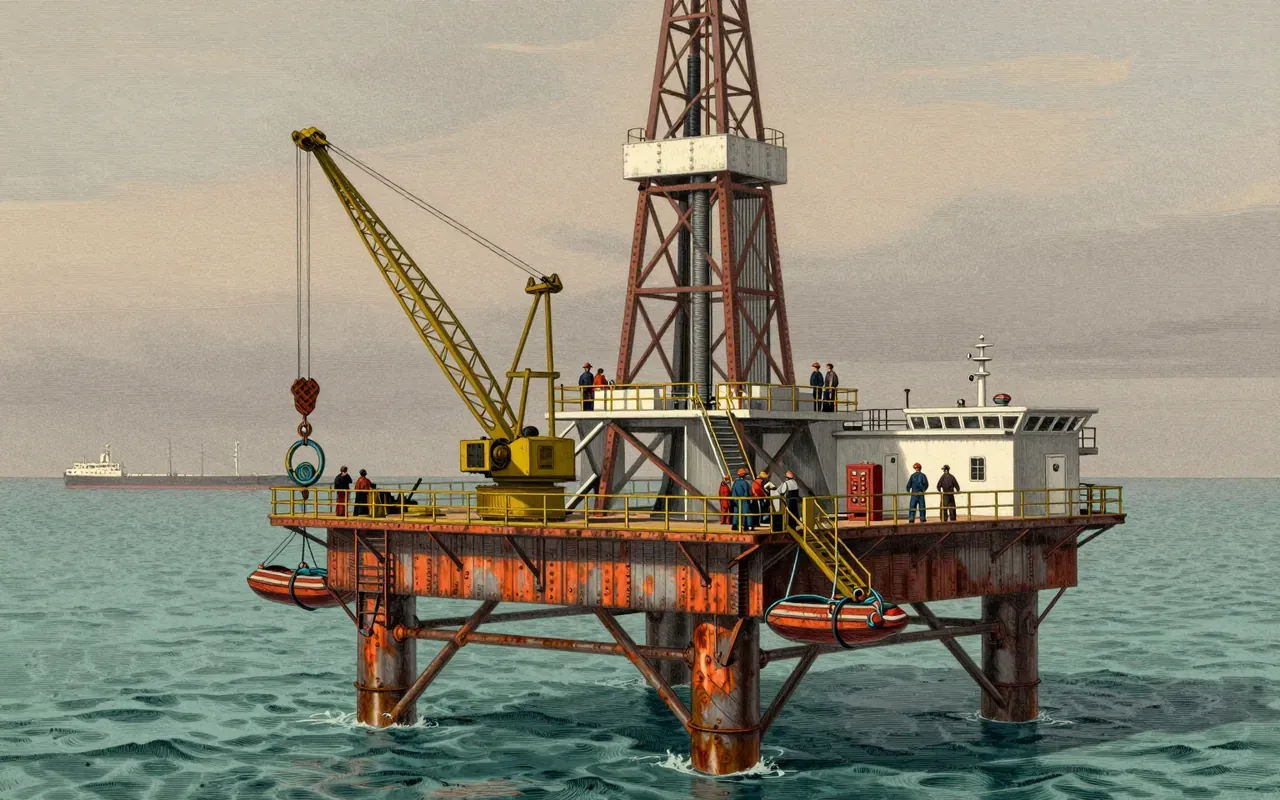
ExxonMobil is the largest U.S.-based oil and gas company. It was formed in 1999 by merging Exxon and Mobil. It is vertically integrated across oil and gas and its chemicals division. It produces about 3% of the world’s oil and 2% of global energy. In 2024, it emitted 610 Mt of CO2 — 1.58% of global emissions. It has faced widespread criticism and litigation over environmental incidents, including the 1989 Exxon Valdez oil spill, and for decades of climate change denial despite internal scientific accuracy.

Ferrari is a racing operation that sells cars — not the reverse. Its business model depends on using road-car revenue to fund Scuderia Ferrari, which in turn validates the brand, justifies price premiums, and dictates engineering direction. It was never financially self-sustaining in racing alone. Enzo Ferrari maintained control of racing through every ownership change — including Fiat’s 1969 investment — because that control was the source of legitimacy, not the cars.




Google is a search engine company founded in 1998 by Larry Page and Sergey Brin. Its core technology, PageRank, ranked websites by inbound links — a method co-published with Motwani and Winograd and patented by Stanford. Scott Hassan wrote the first implementation. The company launched from Susan Wojcicki’s garage. Its name misspelled 'googol' to signal scale. Initial funding came from Andy Bechtolsheim’s $100,000 cheque in August 1998. The sources say nothing about advertising, revenue, users, infrastructure costs, or market position beyond this.


JBS S.A. is the world’s largest meat processor by sales. On May 30, 2021, ransomware disabled its beef and pork slaughterhouses in the US, Canada, and Australia. It paid $11 million in Bitcoin. The White House attributed the attack to a Russian organisation; news outlets named REvil. REvil did not claim responsibility before its infrastructure vanished on July 13, 2021.
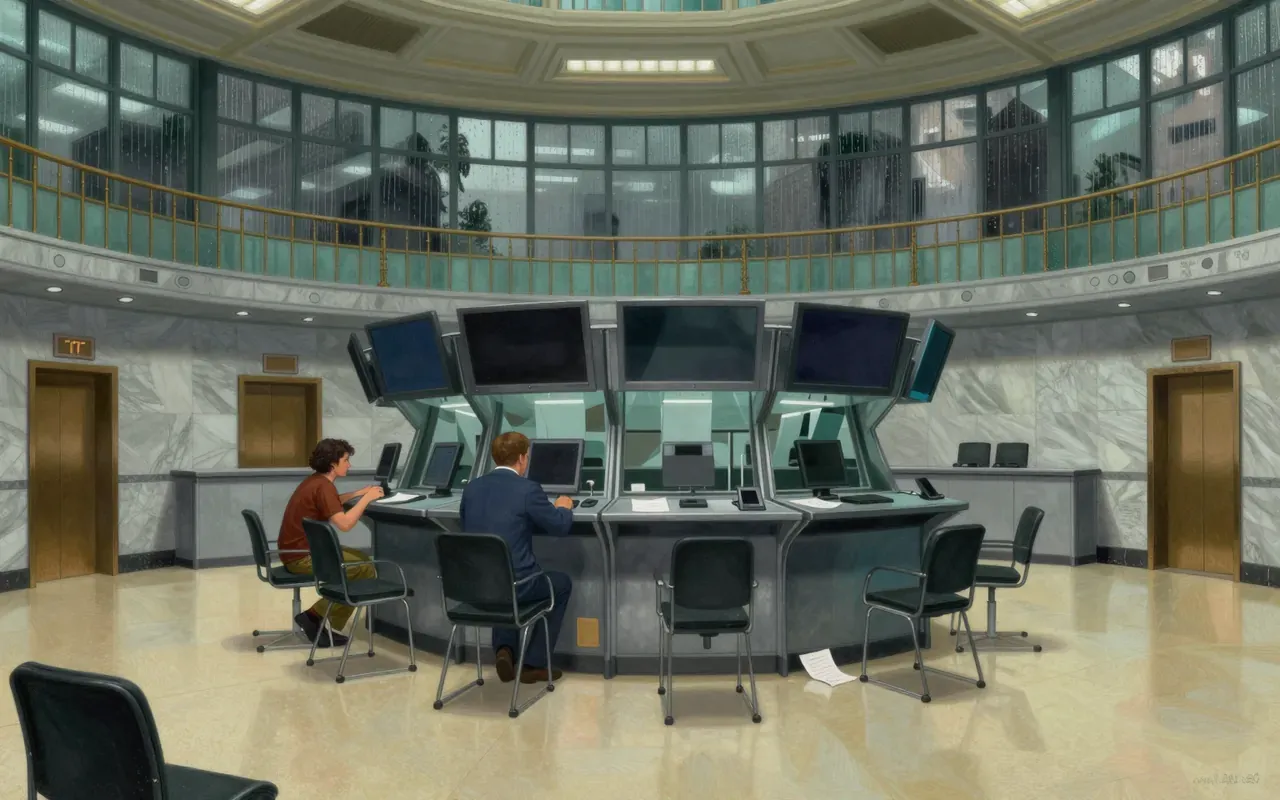

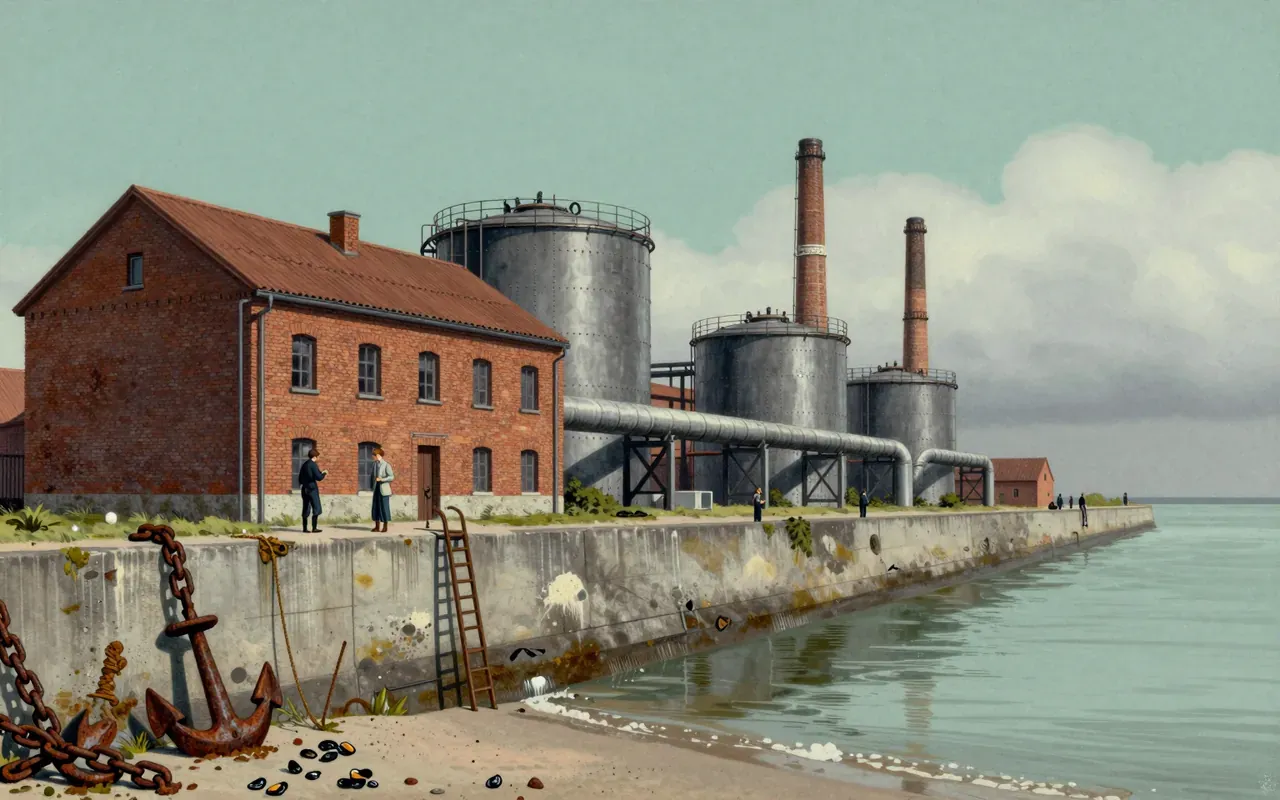
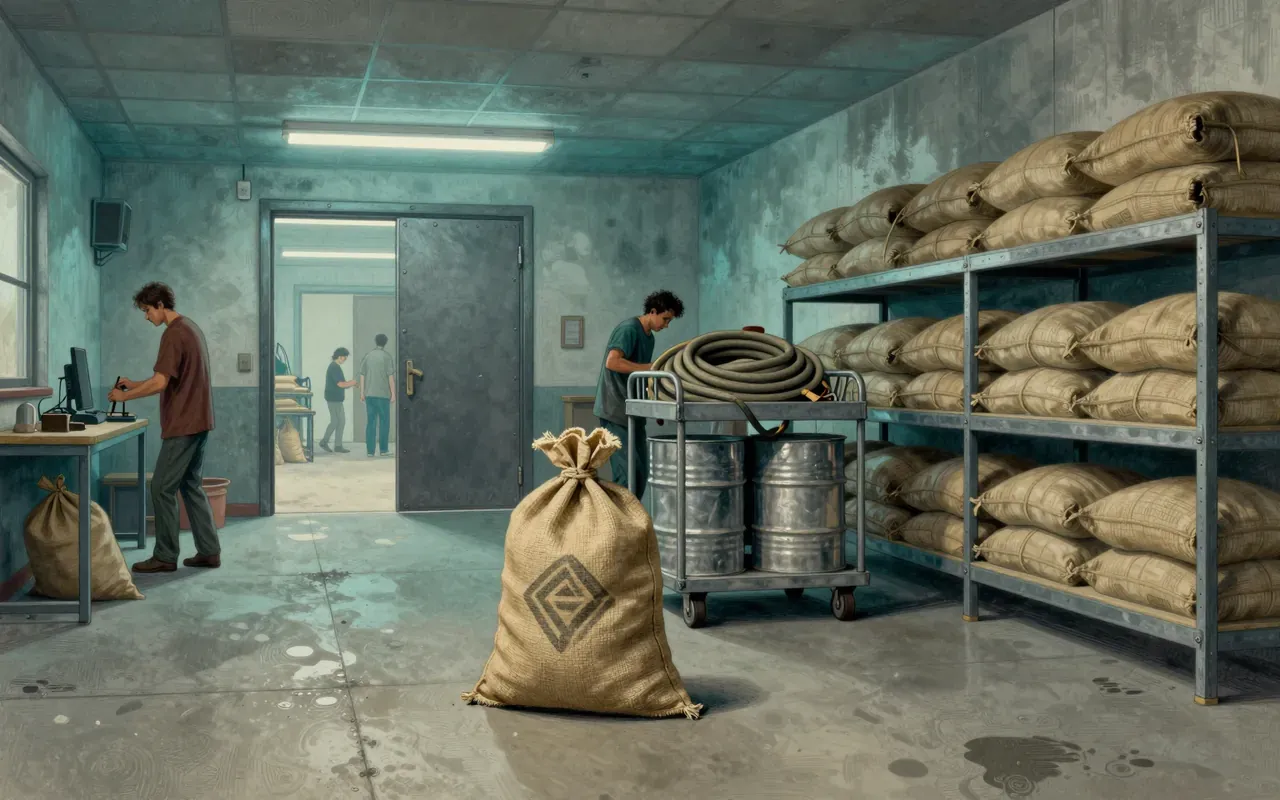
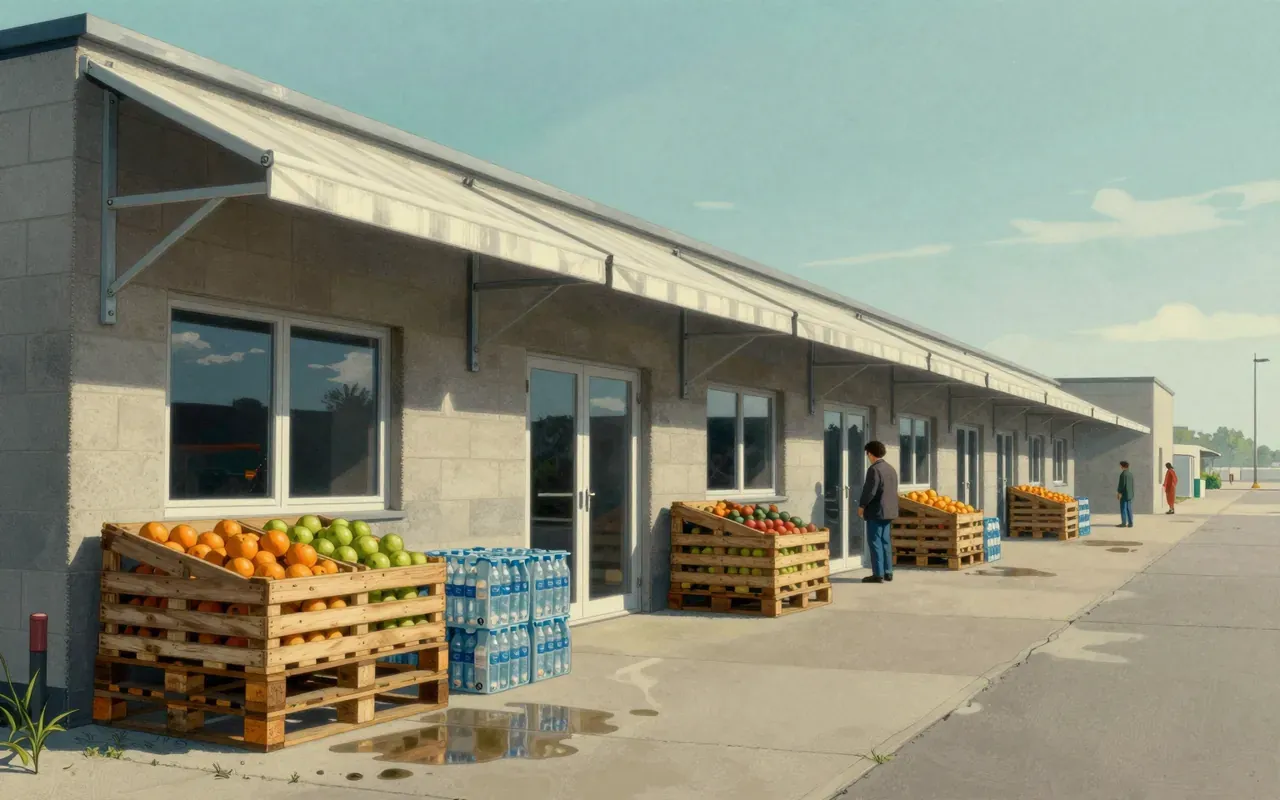

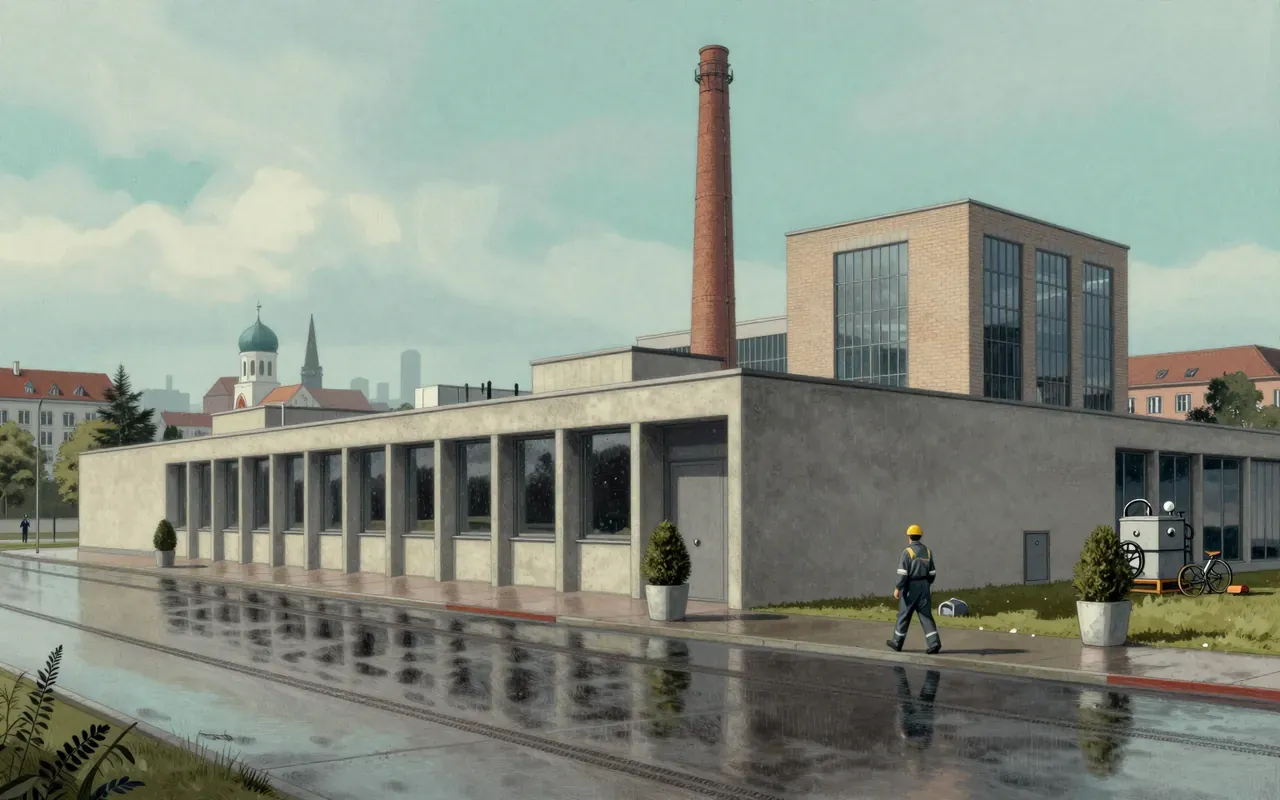


Rolls-Royce Limited was not a luxury brand first — it was an engineering firm that built cars to prove its method, then switched to aero-engines to survive war, then bet its existence on jet engines. Its collapse in 1971 was not a failure of ambition or invention. It was a failure of cost control in a single programme.
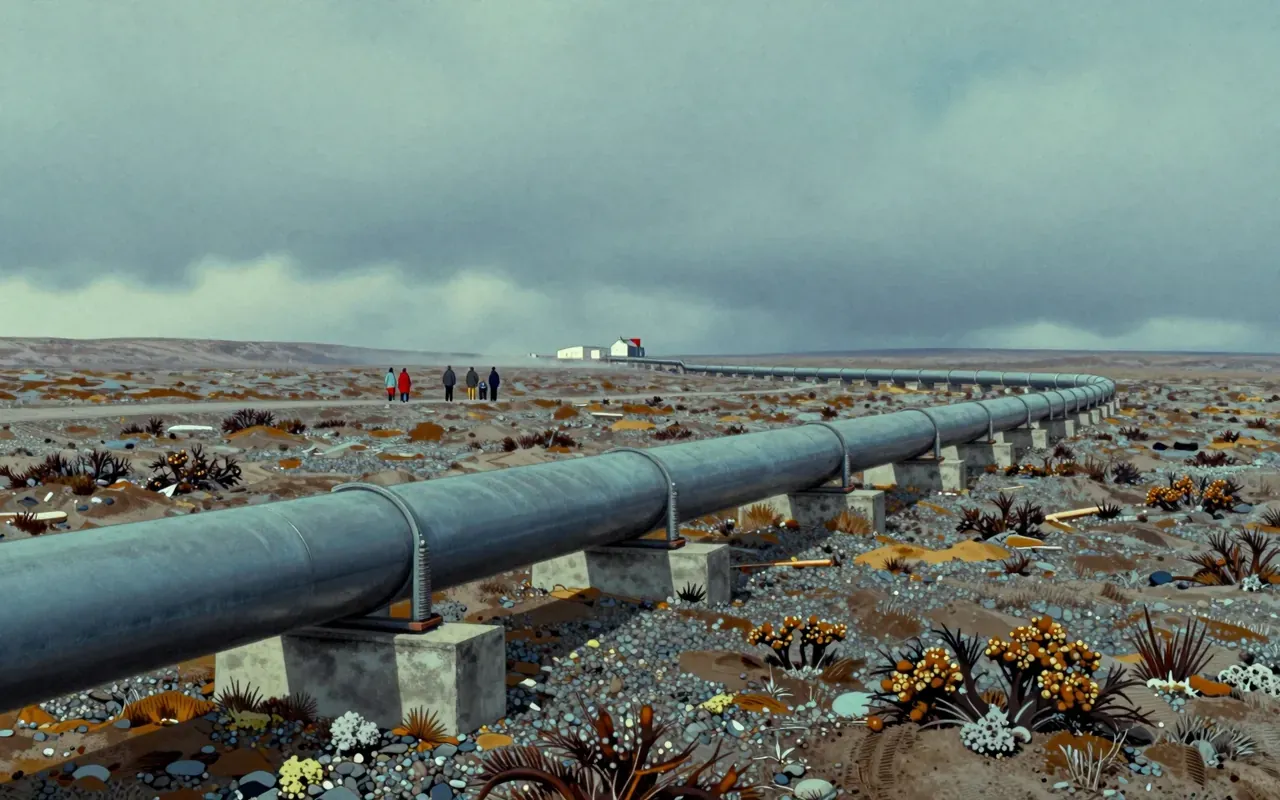

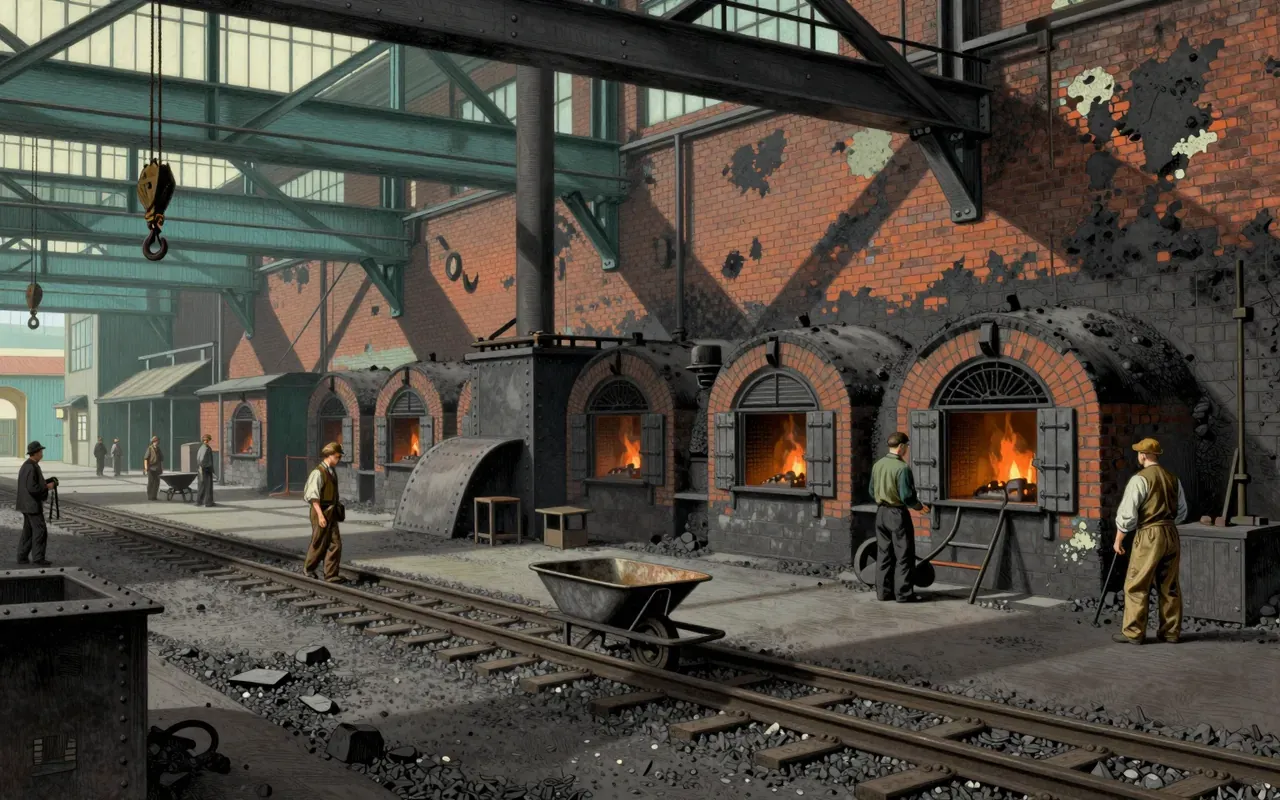
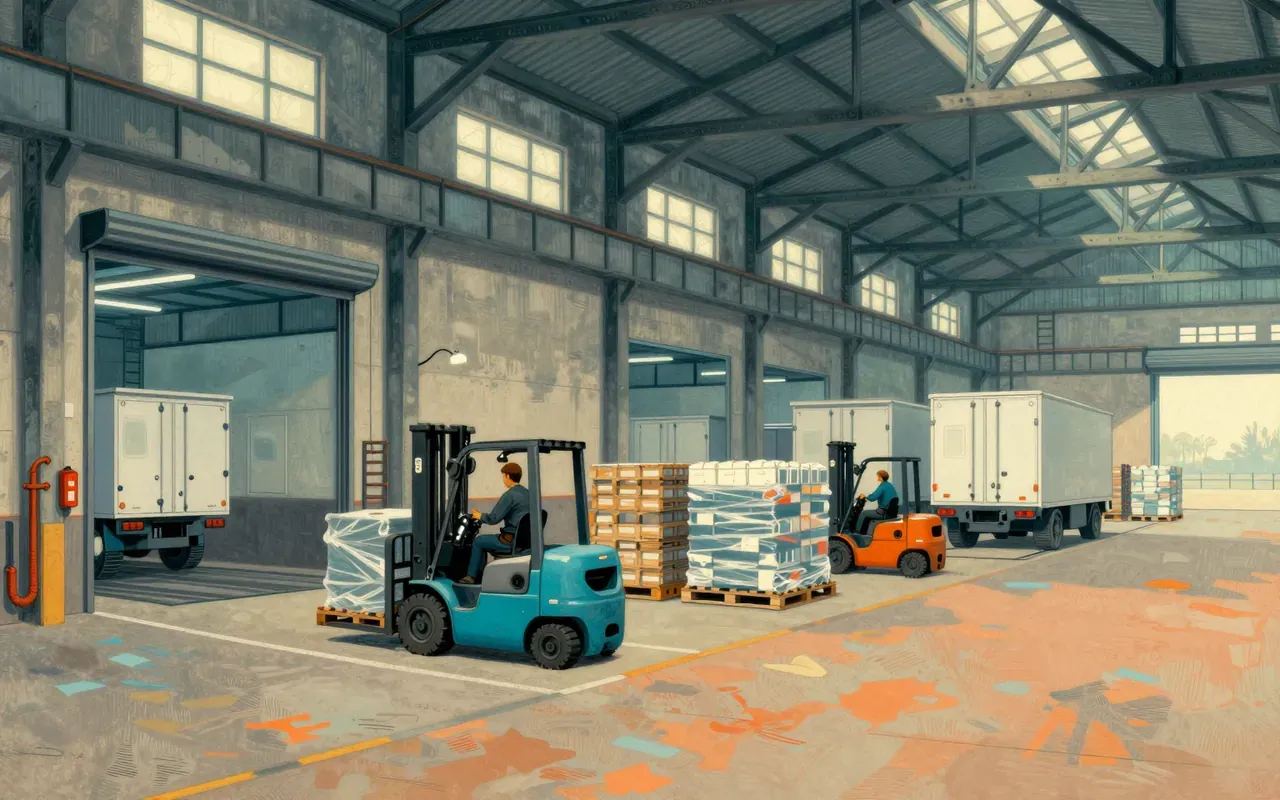
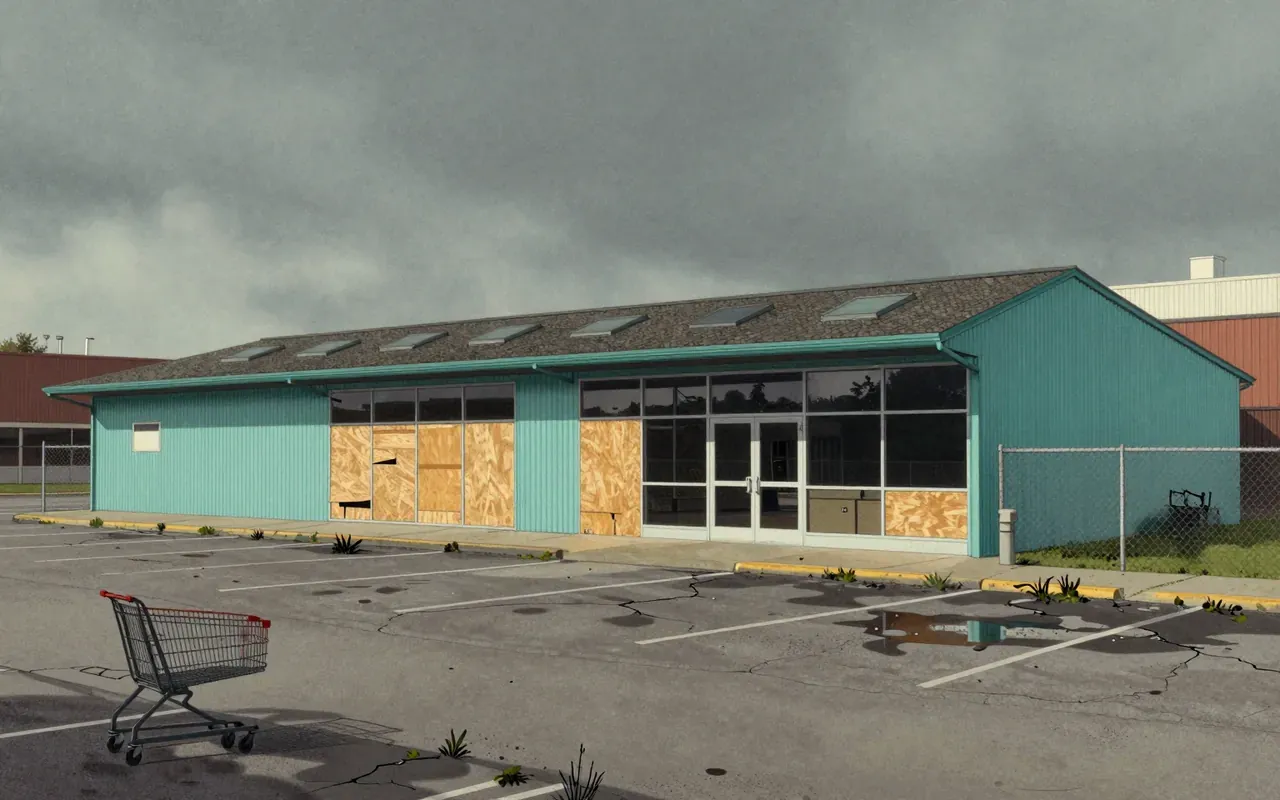
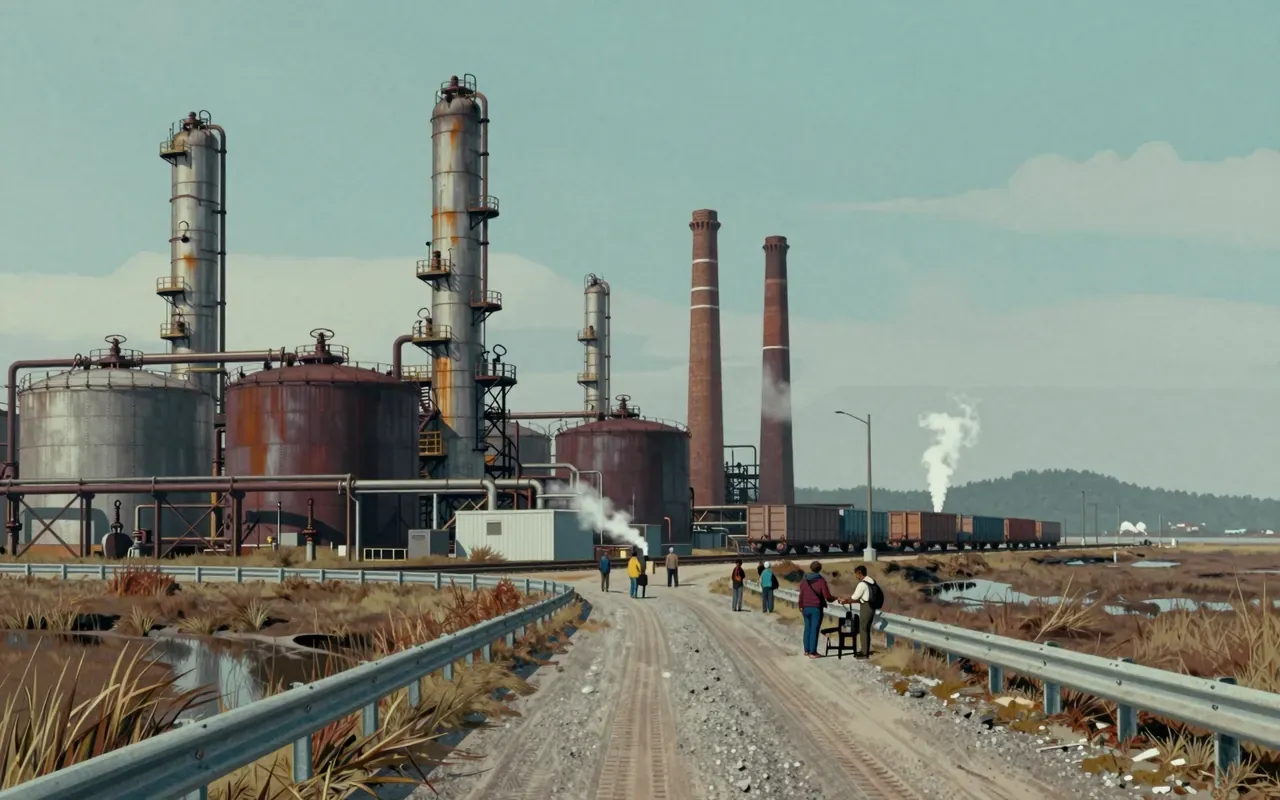

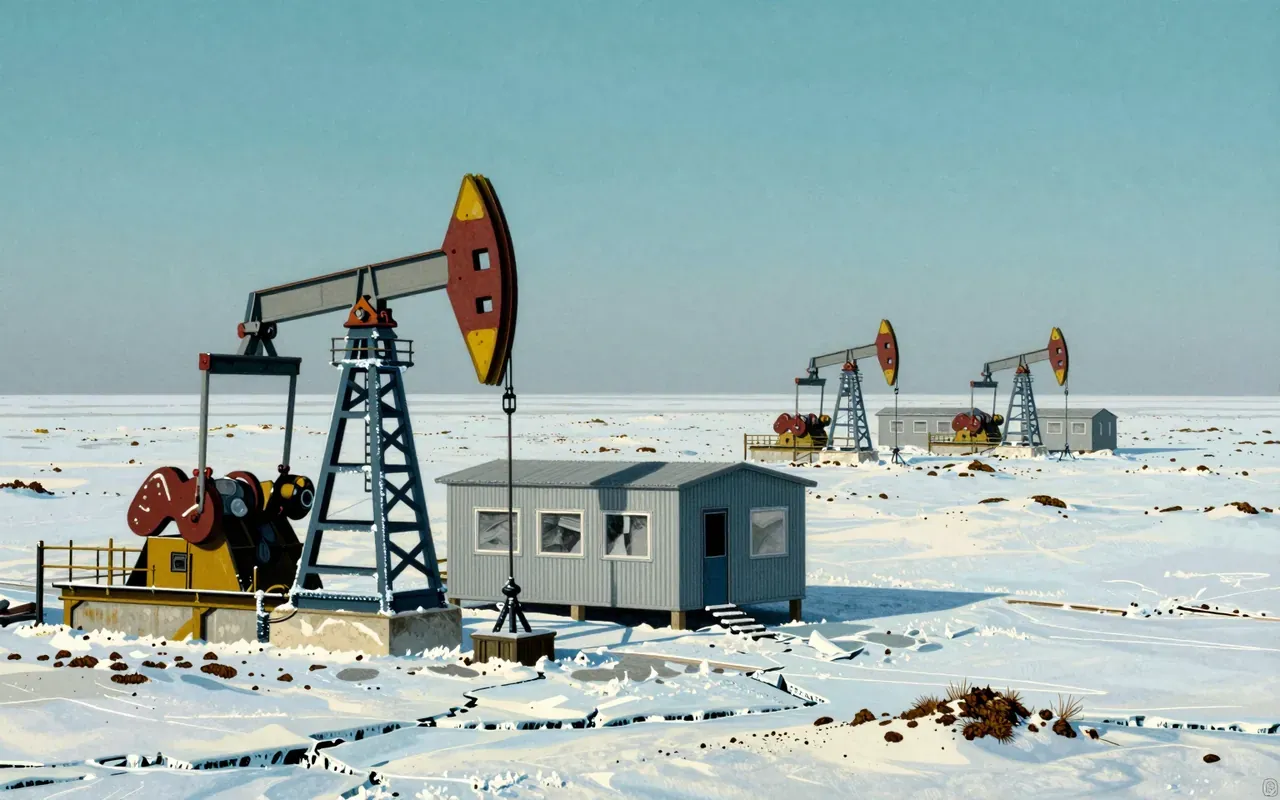
Surgutneftegas is a Russian oil and gas company formed in 1994 by merging state-owned entities holding major Western Siberian reserves. It became a private company in 1993 and has operated under Vladimir Bogdanov’s leadership since. Its business model relies on control of upstream assets, state-granted infrastructure rights, and export relationships — not capital markets, innovation, or transparency.

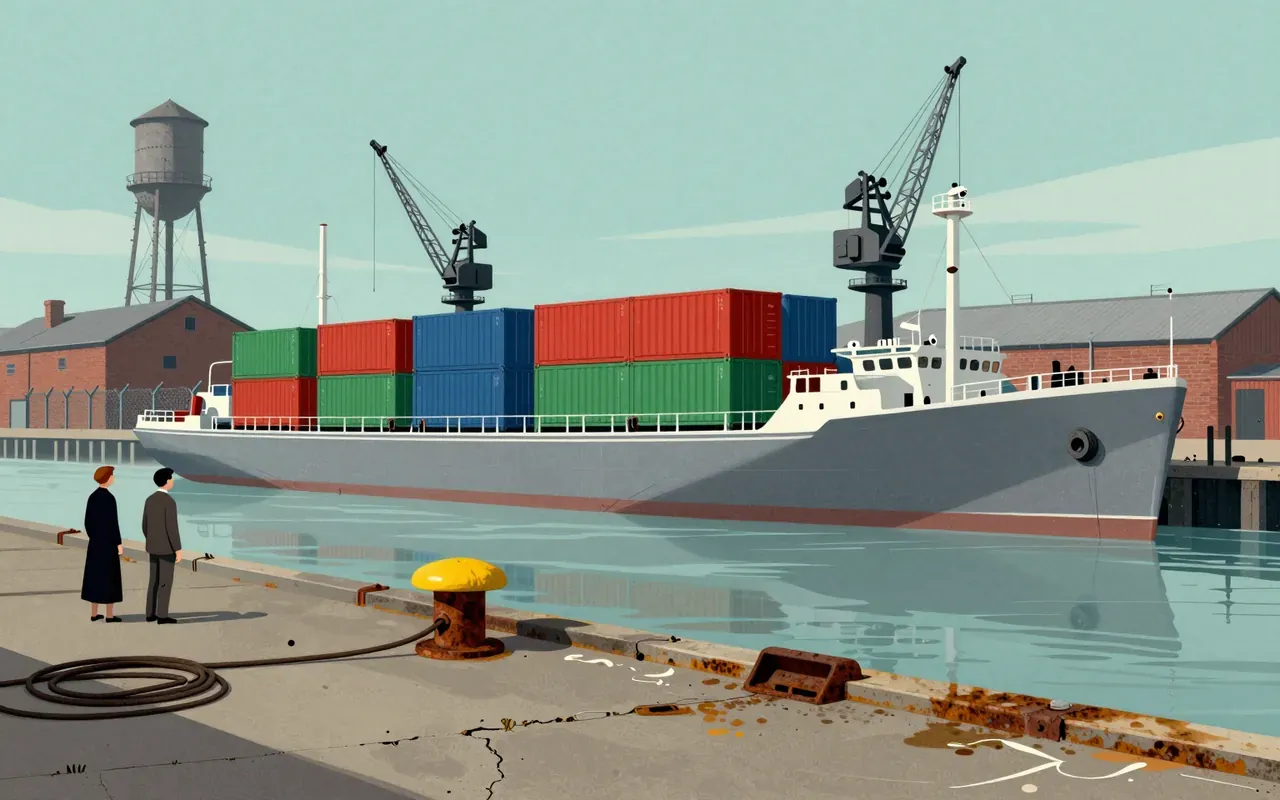
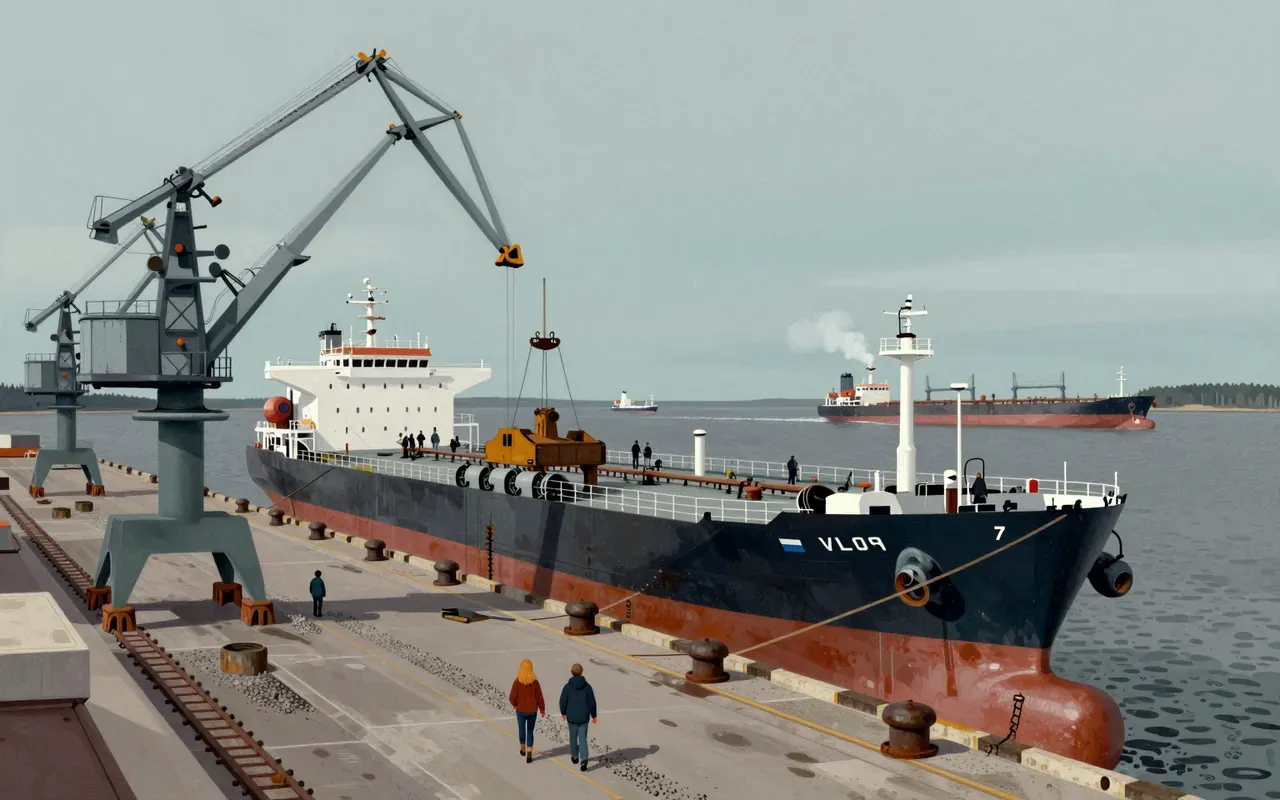
Malcolm McLean’s intermodal container was not an invention but a system — built around a 35-foot steel box sized for Pennsylvania highways, secured by Tantlinger’s corner castings and twistlocks, and operated by Sea-Land’s vertically controlled ships and cranes. It cut port handling time to eight hours — but only on one ship, at one port, under one company’s control. The real innovation was enforcing standardisation through ownership, not designing a better box.


The Thomson family is a dynastic holding structure anchored by a UK hereditary peerage and centred on The Woodbridge Company. Its wealth is not generated by visible operations but preserved by title, trust law, and concentrated private ownership. Sherry Brydson’s 23.47% stake is the sole quantified anchor of its financial claim. No public revenue, valuation, or operational detail is disclosed — only lineage and control.


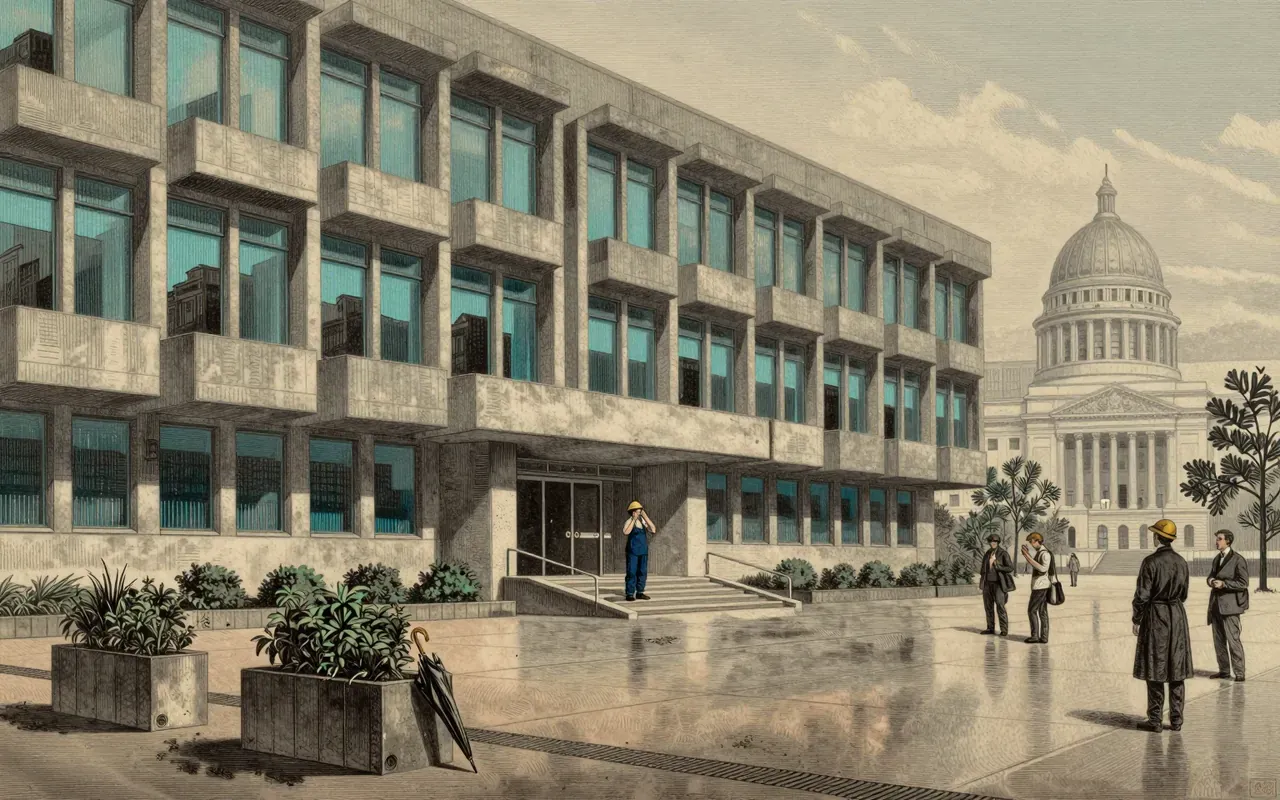

WeWork: Or the Making and Breaking of a $47 Billion Unicorn is a 2021 documentary film. It follows Adam Neumann, founder and leader of the real estate company WeWork, who was forced out after a failed IPO. The film centres the collapse on that removal — not on debt, defaults, or unit economics.






ANA is Japan’s largest airline, rooted in a 1952 helicopter-and-aeroplane transport company. It launched Japan’s first postwar scheduled flight by a Japanese pilot in December 1953, added passenger service on the Osaka–Tokyo route in February 1954, and scaled into a dominant domestic carrier. Its growth reflects regulatory privilege more than competitive differentiation. No financials, pricing, or cost structure are disclosed in the source material.

Free is a vertically integrated French ISP that built its own networks, hardware, and pricing model — rejecting reliance on incumbents and subscription lock-in. It achieved profitability and low churn through infrastructure control and disciplined bundling, not venture funding or hype.
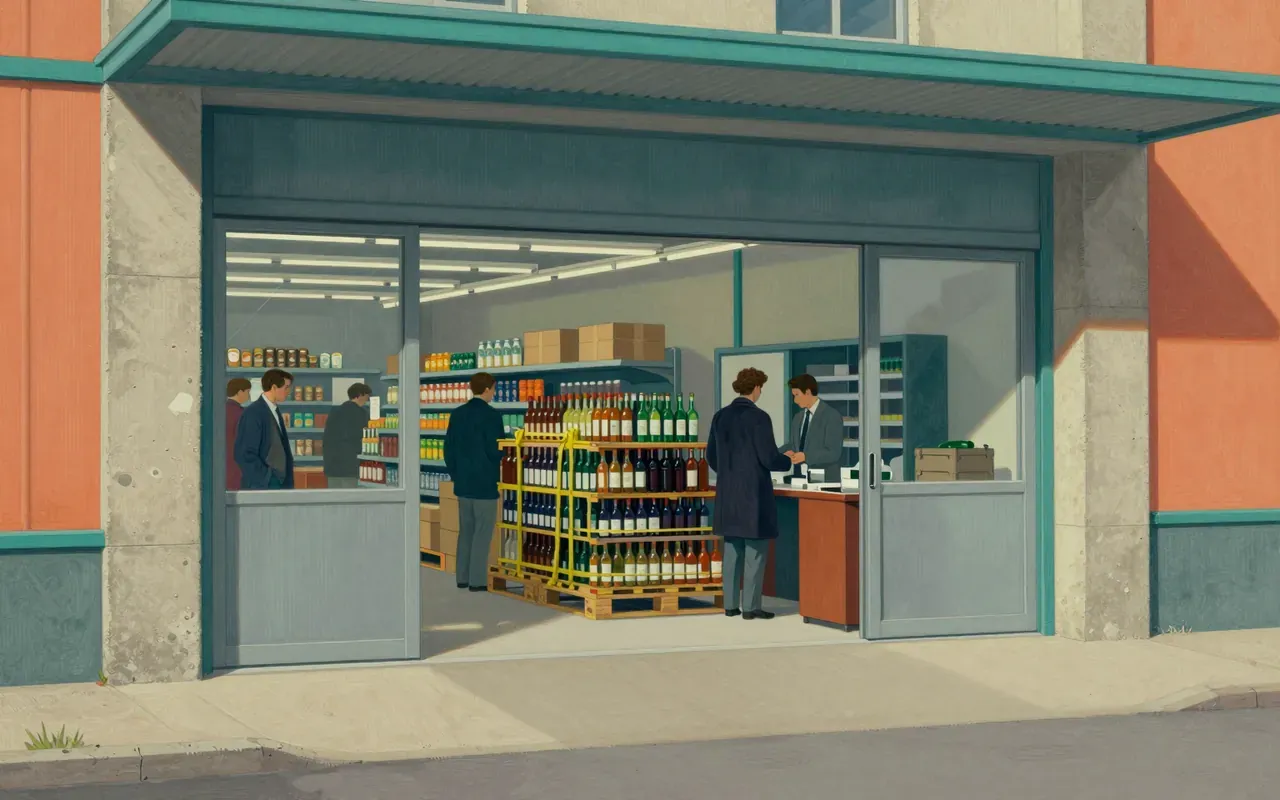
E.Leclerc is a French retailers’ cooperative founded in 1948. It pioneered the hypermarket format in 1964, adopted self-service retailing from the Félix Potin model, launched wine fairs in 1973, discontinued disposable plastic bags in 1996, introduced the Repère brand in 1997, and expanded internationally starting with Pamplona in 1992 and most recently into Luxembourg in 2023 via acquisition.
Magnit is a Russian food retailer founded in 1994 in Krasnodar by Sergey Galitsky. It grew rapidly from a regional chain into a national leader, adopting the convenience store format in 2004 and expanding to 1,000 stores by 2000 and 1,500 by 2005—surpassing Pyaterochka in revenue. By 2010 it ranked among the world’s top 250 retailers (Deloitte), and in 2014 became Russia’s largest importer. Its growth continued with milestones including 10,000 stores (2015), entry into pharmacy and drogerie formats, and strategic acquisitions like Dixy (2021) and Samberi (2024). Ownership shifted significantly after 2018, with Marathon Group becoming the largest shareholder in November 2021. Management transitioned from Galitsky to external CEOs starting in 2018, and the company pursued vertical integration via in-house production facilities and distribution infrastructure.

OMV is Austria’s major integrated oil- and gas company, founded in 1956 as the successor to the Soviet Mineral Oil Administration in occupied Austria. It makes money from refining crude oil at Schwechat, importing oil via the Adria–Vienna Pipeline from Trieste, selling natural gas supplied under contract with the Soviet Union, and operating transit infrastructure like the Trans-Austria Gas Pipeline. Its vertical integration worked: Schwechat refinery (1960), Soviet gas supply (1968), Adria–Vienna Pipeline (1970), and Trans-Austria Gas Pipeline (1974) formed a self-reinforcing system that locked in Austria’s role as a Central European energy node. OMV’s foundational model does not address decarbonisation, renewable generation, or energy storage. Its 1956–1974 expansion relied entirely on fossil fuel import, processing, and transit — with no indication of diversification beyond that scope in the source material. OMV shows how a national energy company can be built not through innovation or market creation, but through sequential infrastructure capture: refinery, pipeline, gas contract, transit corridor — each reinforcing the others’ value. Yes — as a case study in state-origined energy integration, infrastructure-led regional positioning, and Cold War-era resource diplomacy. Not as a model for modern energy transition strategy.

Peloton Interactive is an American exercise equipment and media company founded in January 2012 in New York City. It sells Internet-connected stationary bicycles, treadmills, and rowers equipped with touchscreens that stream live and on-demand fitness classes through a subscription service. Built-in sensors track metrics such as power output, providing real-time performance feedback and leaderboard rankings. Peloton charges $49.99 monthly for equipment-based access and $12.99 for app-only access. Its first bike sold on Kickstarter in 2013 at an early-bird price of $1,500; its first commercial Internet-connected bike launched in 2014. The company faced safety recalls (Tread+ in 2021, Bike PL01 in 2023), leadership changes (Foley stepped down as CEO in 2022, McCarthy resigned in 2024, Stern became CEO in 2025), and a sharp valuation decline—from $8.1 billion at IPO in 2019 to ~$1.3 billion by June 2024.
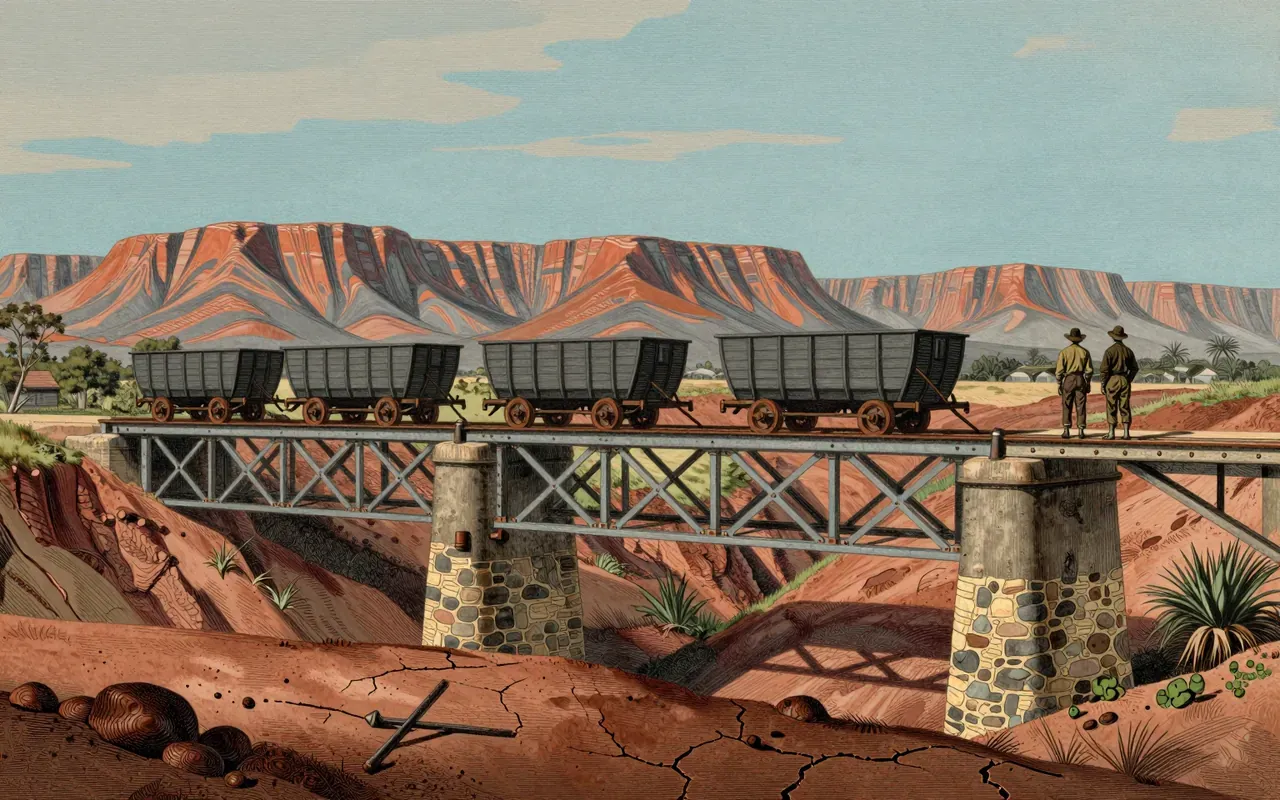
Rio Tinto is a British–Australian multinational mining company founded in 1873, headquartered in London and Melbourne, and operating globally as a major producer of copper, iron ore, aluminium, and lithium. Its history includes early dominance in Spanish copper production, strategic diversification after 1925, pivotal mergers — notably with Consolidated Zinc in 1962 and Alcan in 2007 — and extensive international expansion. The company is dual-listed on the London and Australian stock exchanges and has faced recurring criticism over environmental damage, corruption allegations (especially in Guinea), human rights concerns (e.g., Juukan Gorge), workplace culture issues, and legal challenges related to bribery and espionage. Its operational structure spans four product-based business units and numerous subsidiaries across six continents, with core assets concentrated in Australia and Canada.

Saab AB is a Swedish aerospace and defence company founded in 1937 by AB Bofors to build aircraft domestically. It merged with ASJA in 1940, developed its first aircraft — the SAAB 17 — which flew on 1940-05-18, began automobile production in 1947, merged with Scania-Vabis in 1968, changed its name to Saab AB in May 1965, and was re-established as an independent entity in 1995 after de-merger.
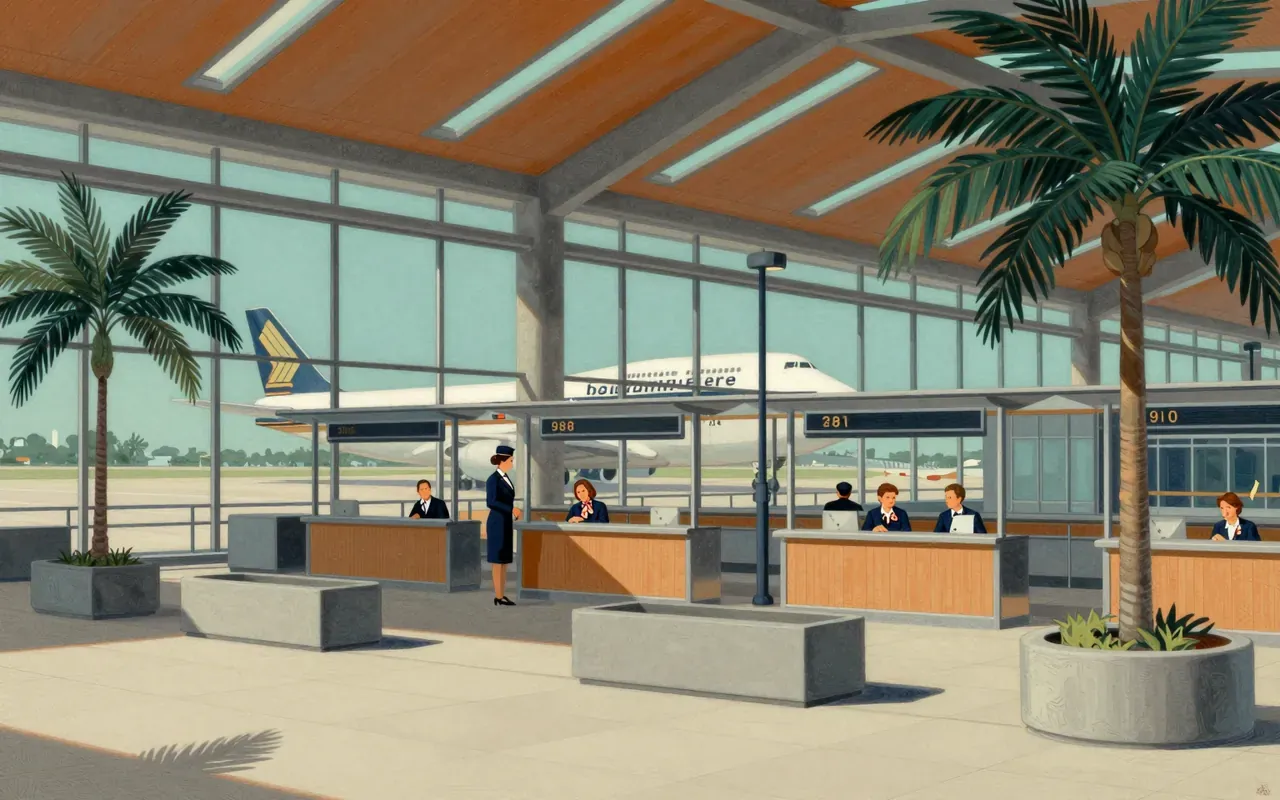
Singapore Airlines is a state-aligned, operationally diversified aviation group—not a founder-led startup. Its value lies in infrastructure leverage, not narrative.
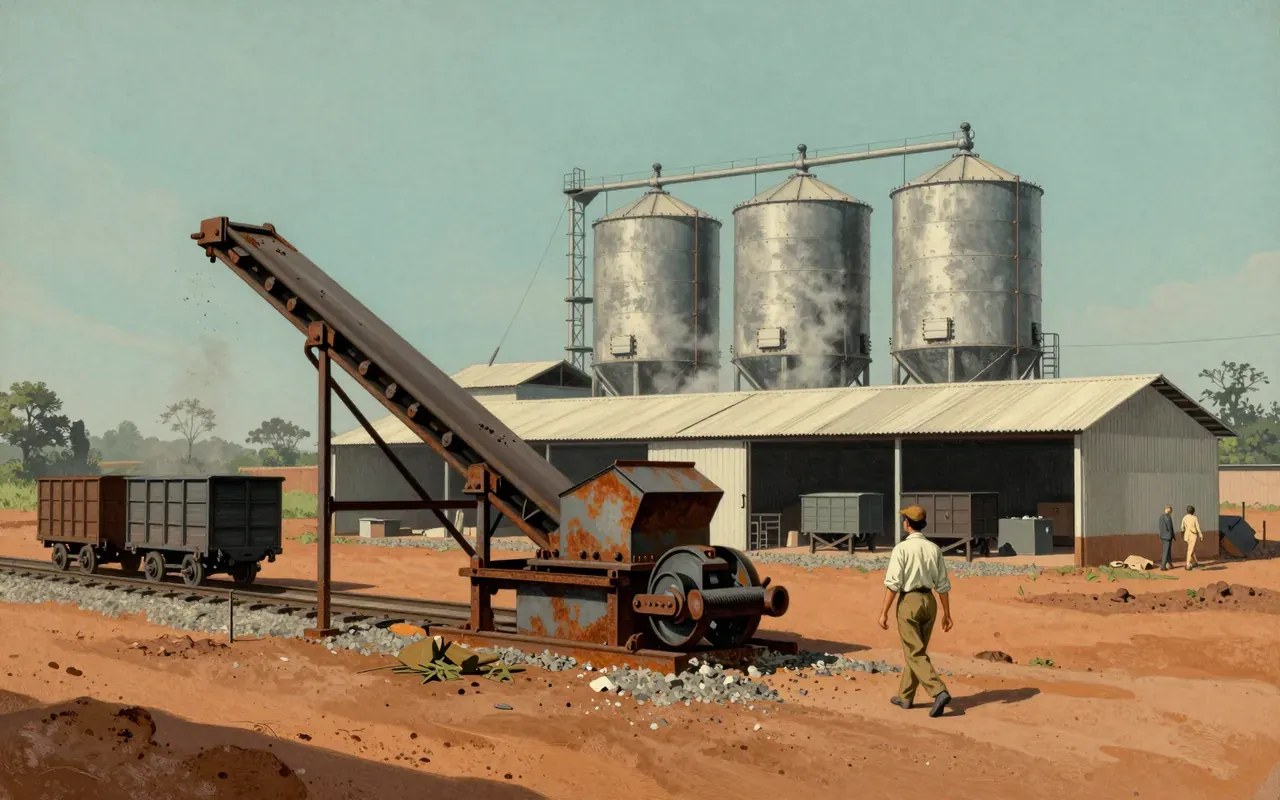
Vedanta Limited is a mining and metals company built on acquisitions, offshore holding structures, and regulatory navigation—not on technological differentiation or market creation.