businessbriefs
10:19in productionCh. 1 · What it is/ 10:19 · ceiling 15 min
Companies · Strategy

Vinaphone

1996

Vinaphone isn’t competing for customers — it’s managing a state asset inside a triopoly that leaves 2% of the market to everyone else.

Vinaphone is a state-owned mobile operator, founded in 1996 as Vietnam’s second GSM network. It holds 17.49% of the market — third behind Viettel (57.6%) and MobiFone (22.52%). Its alliances with Conexus (2009) and Vodafone (2014) have not altered its position. It operates as a branded service layer atop VNPT’s infrastructure — not as an independent commercial entity.

Chapters & takeaways4
  1. 1:02
    What it is

    Vinaphone is a state-owned mobile operator, launched in 1996 as Vietnam’s second GSM network.

  2. 2:39
    Where it stands

    In 2023, Vinaphone held 17.49% of Vietnam’s mobile market — third among three state-owned providers controlling nearly 98%.

  3. 4:16
    What it tried

    It joined Conexus in 2009 and signed with Vodafone in 2014 — but neither alliance changed its competitive position.

  4. 6:07
    How it’s built

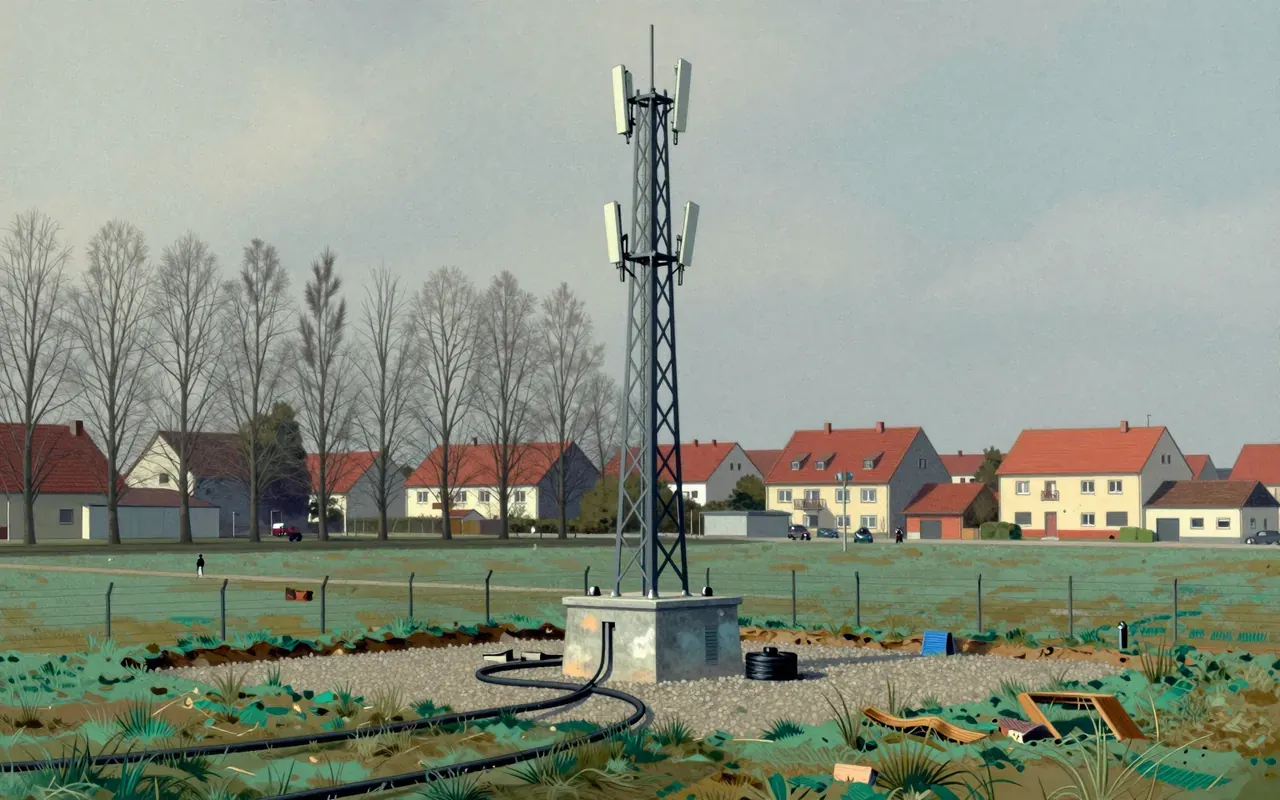
    Its parent VNPT owns the towers, spectrum, and billing systems — making Vinaphone a branded service layer, not an independent business.

Worth your time?

Yes. Study the whole thing.

3.5/ 5
What works
  • maintains national coverage via VNPT assets
  • fulfils regulatory obligations as a state provider
  • enables basic mobile access across Vietnam
What does not
  • deliver meaningful innovation
  • differentiate from competitors
  • leverage international partnerships operationally
Study it if
  • telecom policy analysts
  • emerging-market infrastructure investors
  • state-enterprise strategists
Skip it if
  • startup founders seeking growth playbooks
  • consumer tech product teams
The written brief1 min read

What the company or idea is

Vinaphone is a state-owned Vietnamese mobile network operator, founded in 1996 as a GSM launcher and wholly owned by Vietnam Posts and Telecommunications Group (VNPT).

How it actually makes money

Vinaphone makes money by selling mobile voice, SMS, and data services to consumers and businesses in Vietnam.

What works

It reliably delivers nationwide coverage using VNPT’s infrastructure, maintains regulatory compliance, and leverages its position in the Conexus Mobile Alliance for roaming agreements.

What does not

Its Vodafone partnership has not translated into market share gains, brand differentiation, or technology leadership. It trails Viettel by over 40 percentage points and MobiFone by 5 points in 2023.

What to take from it

State ownership guarantees scale and spectrum access but constrains innovation, pricing agility, and customer responsiveness — especially when two rivals (Viettel and MobiFone) are also state-owned and collectively control 98% of the market.

Is it worth your time

Yes — as a case study in state-owned telecom consolidation, regulatory capture, and the limits of international partnerships in closed markets.

Same desk · Companies4 of 315
10:34
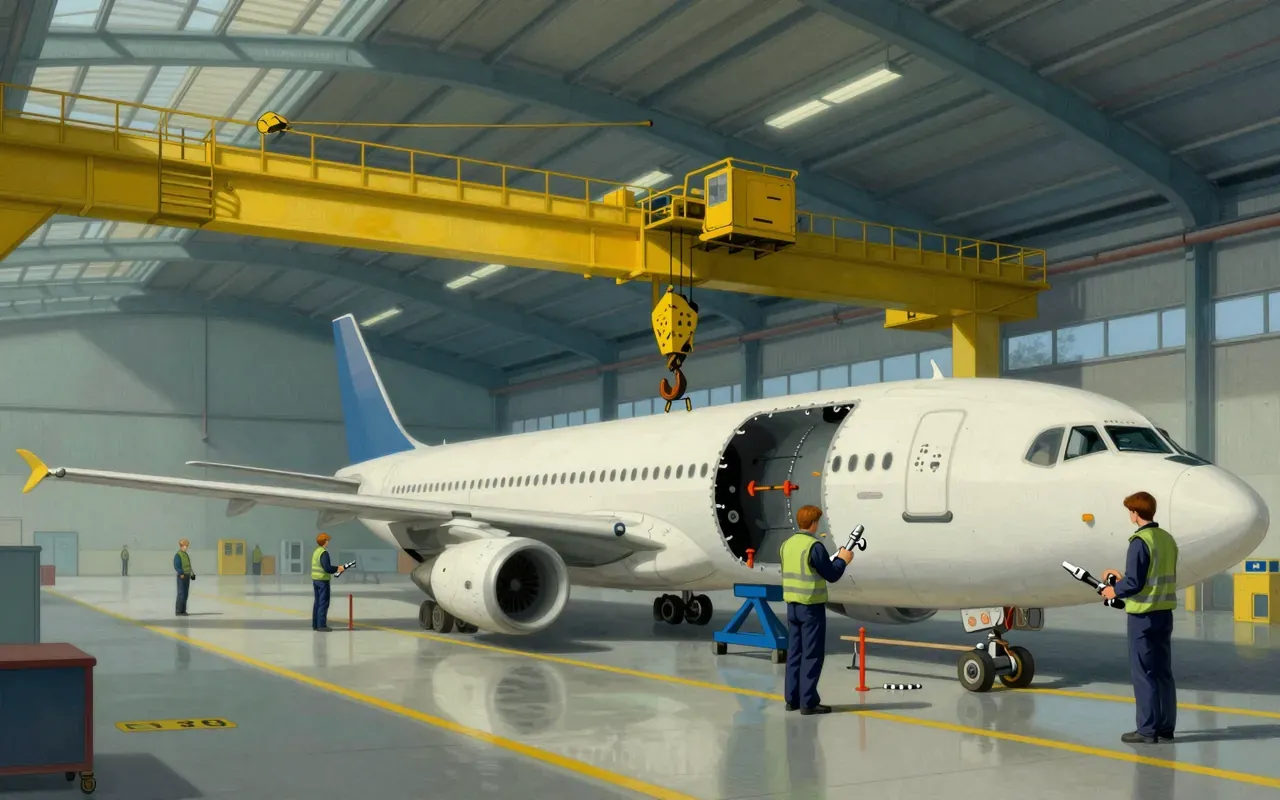
Airbus1998Airbus in 1998 was a consortium — not a company — sustained by national governments and bound by treaty, not equity. Its money came from airliner sales, but its structure reflected diplomacy more than business logic. It worked because Europe prioritised strategic autonomy over market efficiency. It failed as a unified enterprise until it abandoned the consortium model entirely. The lesson is structural: scale in aerospace is political first, economic second.
12:10
Anglo American plc1917Anglo American plc is a British multinational mining company headquartered in London, founded in 1917 in Johannesburg. It is the world's largest platinum producer (40% of global output) and owns 85% of De Beers. It merged with Minorco in 1999 to become Anglo American plc, and with Teck Resources in 2025 to form Anglo Teck. Between 2015 and 2015, it cut 138,000 jobs. In early 2015, it reported a $3 billion loss. It withdrew from the Pebble Mine in 2013 and partnered with Engie and First Mode in 2019 to develop a hydrogen-powered haul truck.
10:53
ArcelorMittalLakshmi Mittal · 2006ArcelorMittal is the world’s second-largest steelmaker — a $33 billion hostile merger of Mittal Steel and Arcelor in 2007. It operates across mining, smelting, and recycling in 14 countries. In 2025, it produced 55.6 million tons of steel against 74.6 million tons of capacity — 53% in Europe, 40% in the Americas. It sources 72% of its iron ore and 91% of its coke internally. The Mittal family surrendered control to close the deal. It is not a technology company. It is not growing. It is a vertically integrated commodity producer whose scale is structural, not strategic.
11:50
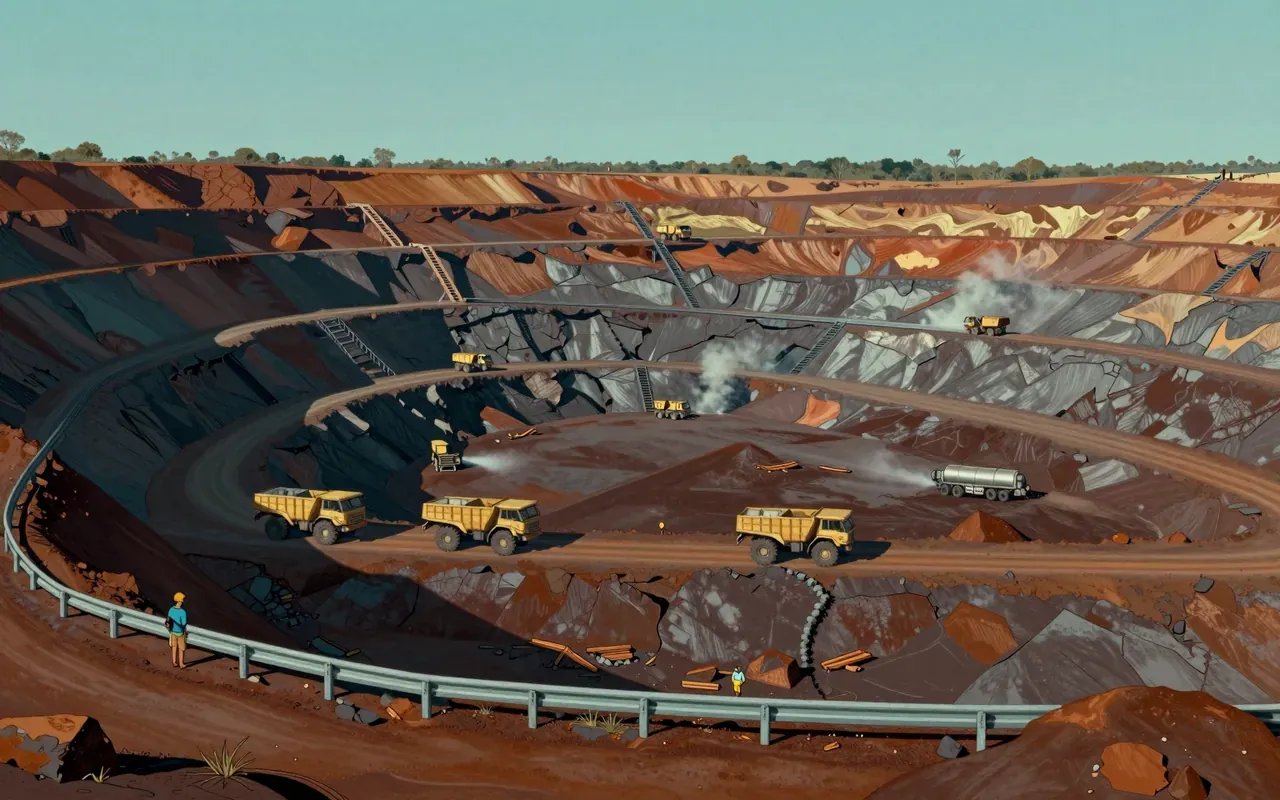
Barrick MiningPeter Munk · 1983Barrick Mining is a gold-and-copper extraction company built through strategic acquisitions — not innovation, not discovery, not vertical integration. Its value lies in scale: 89 million ounces of gold in reserves, 3.91 million ounces produced in 2024, and a history of absorbing rivals like Placer Dome. But its governance fails where operations meet people: in 2008, Peter Munk personally silenced testimony about violence at Porgera. That gap — between reserve size and human accountability — is the real story.
Up next in Business

Vodafone Germany

1990 · 11:53

Vodafone Germany is not a German company — it is a London-dictated subsidiary that bought its way into the market, then scaled by bundling.

11:53