9:53in productionCh. 1 · Workflow as engineering/ 9:53 · ceiling 15 min
Management · Ideas
Scientific management
It did not discover efficiency — it redefined who controls it.
Scientific management is a theory, not a company. It originated in US steel manufacturing in the 1880s. It uses scientific methods to measure and standardise work. Its results include higher output from rest breaks and output-linked pay. It fails to explain or accommodate worker resistance, collective pacing, or non-linear tasks. Its legacy is not efficiency itself — but the permanent delegation of control over how work is done.
It was the first systematic attempt to treat workflow as an engineering problem.
2:10
Born in the mill
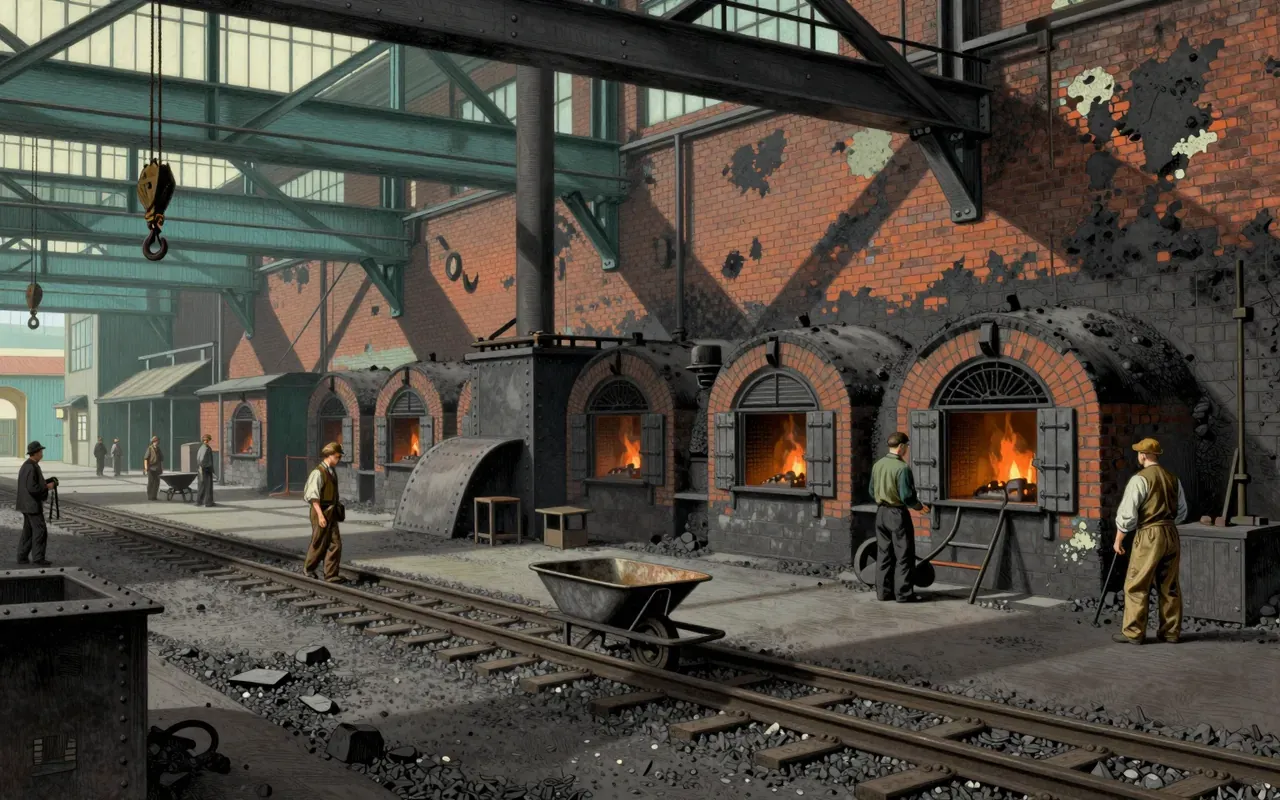
It began in US steel mills in 1882, with stopwatch timing of shovelling and lifting.
4:12
Rest as leverage
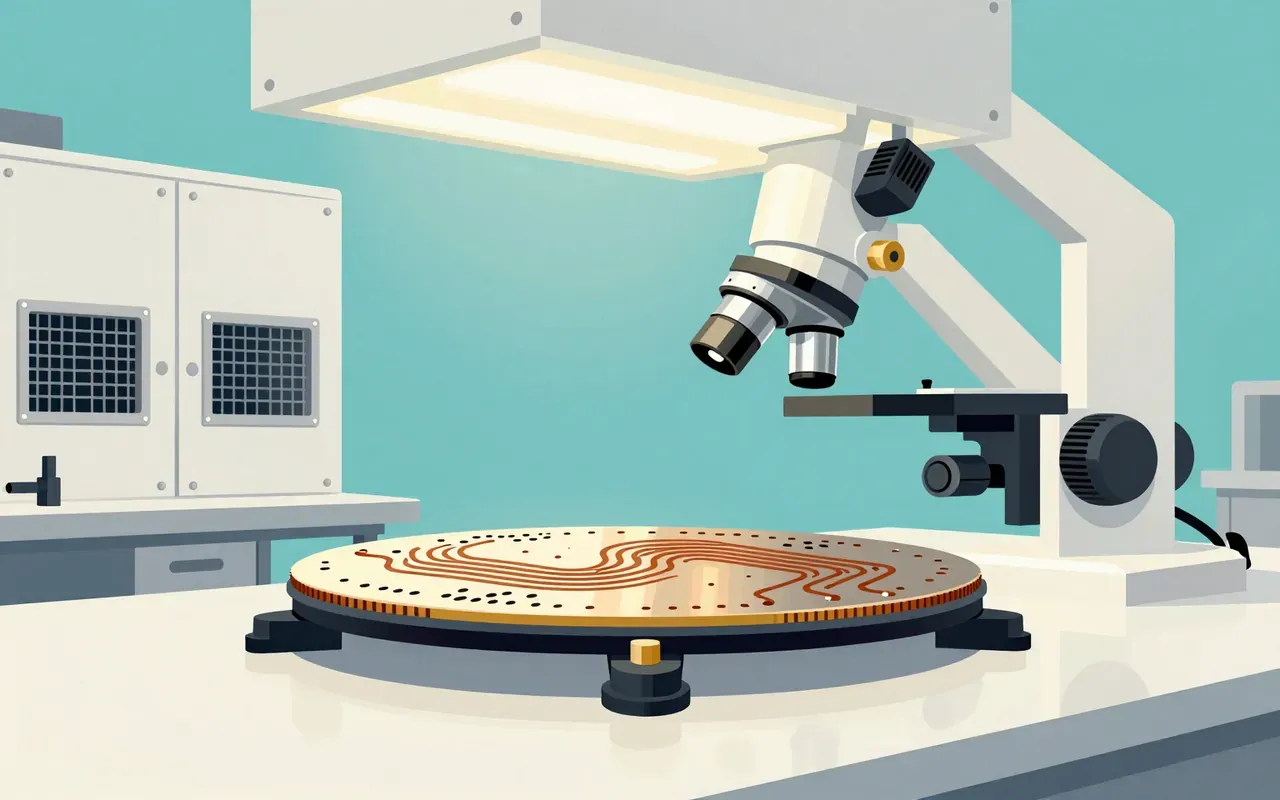
Rest breaks were not kindness — they were calibrated recovery to sustain output.
5:36
The narrow logic of incentive
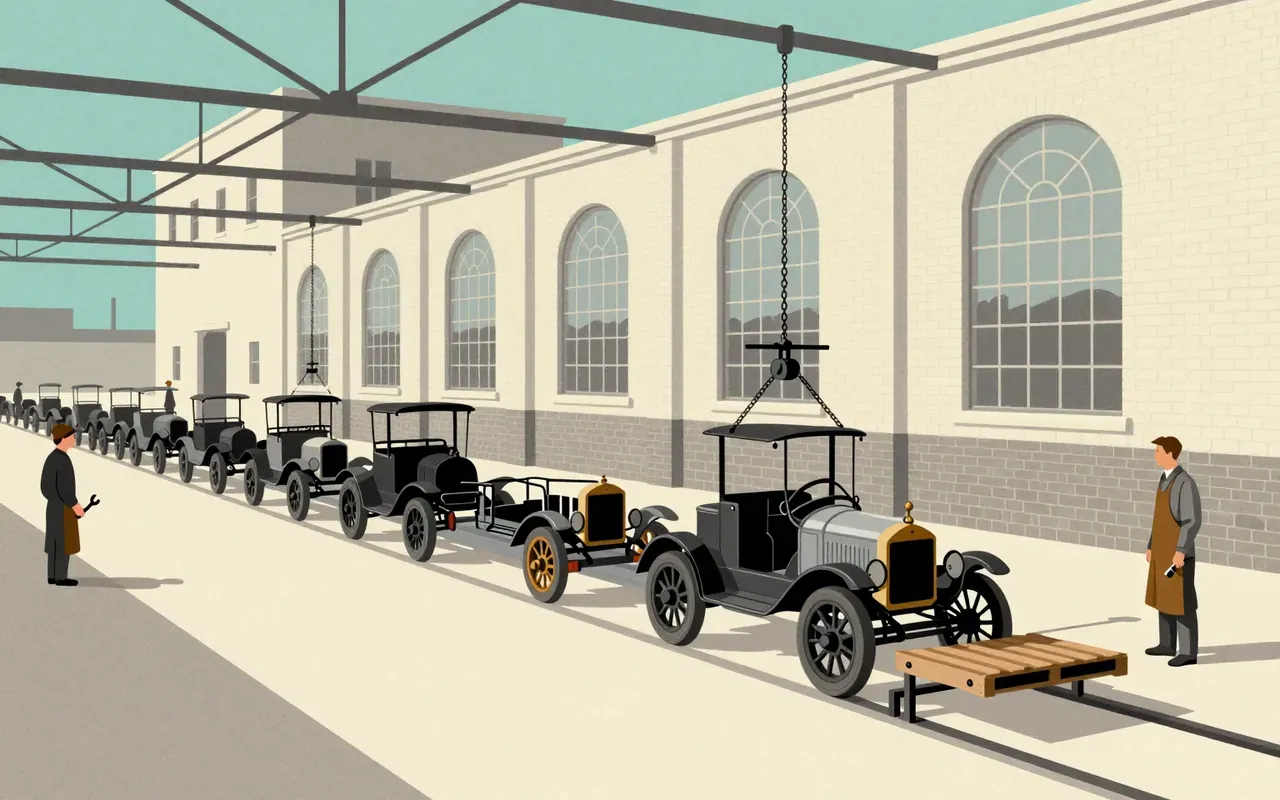
Pay-for-output worked — but only where output could be isolated, measured, and controlled.
Worth your time?
Yes. Study the whole thing.
4.5/ 5
What works
It isolates variables — rest, pay, time — and tests them empirically.
It forces explicit assumptions about what constitutes 'one piece of work'.
It reveals how much of 'efficiency' is really about control, not capacity.
What does not
It does not scale beyond repetitive, measurable physical tasks.
It does not address motivation beyond extrinsic reward.
It does not incorporate feedback loops from workers into redesign.
Study it if
Managers designing frontline workflows.
Historians of labour and technology.
Students of organisational design.
Skip it if
Founders building digital platforms.
Marketers building brand narratives.
Investors evaluating growth metrics.
The written brief1 min read
What the company or idea is
Scientific management is a theory of workflow analysis and synthesis developed to improve labour productivity using scientific methods.
How it actually makes money
It does not make money. It is a theory, not a business.
What works
Rest breaks increase productivity. Output-linked compensation increases productivity. Measuring task time scientifically can expose inefficiencies in manual work.
What does not
It does not account for worker agency beyond output incentives. It treats pace-setting as objective, ignoring social pacing, collective slowdowns, or resistance embedded in routine.
What to take from it
It established that rest breaks and output-linked pay increase measured output — but it also institutionalised the separation of planning from doing, which persists in modern management hierarchies.
Is it worth your time
Yes — if you manage people, design workflows, or study how productivity claims are built and sold.