ABB
Charles Eugene Lancelot Brown · 1988
ABB is a post-merger industrial incumbent whose value lies in proven, regulated, physical infrastructure — not software, platforms, or scalability stories.
ABB is a post-merger industrial incumbent whose value lies in proven, regulated, physical infrastructure — not software, platforms, or scalability stories.






Alfa Romeo was not founded by Nicola Romeo. It was founded in 1910 as A.L.F.A. to acquire the assets of the failing Italian Darracq subsidiary. Romeo acquired it in 1915, took full ownership by 1918, renamed it in 1920, launched the first Alfa Romeo-branded car in 1921, won the inaugural 1925 World Manufacturers’ Championship, faced near-liquidation in 1927 due to poor investments, departed formally in 1928, and was taken over by the Italian state in 1933.
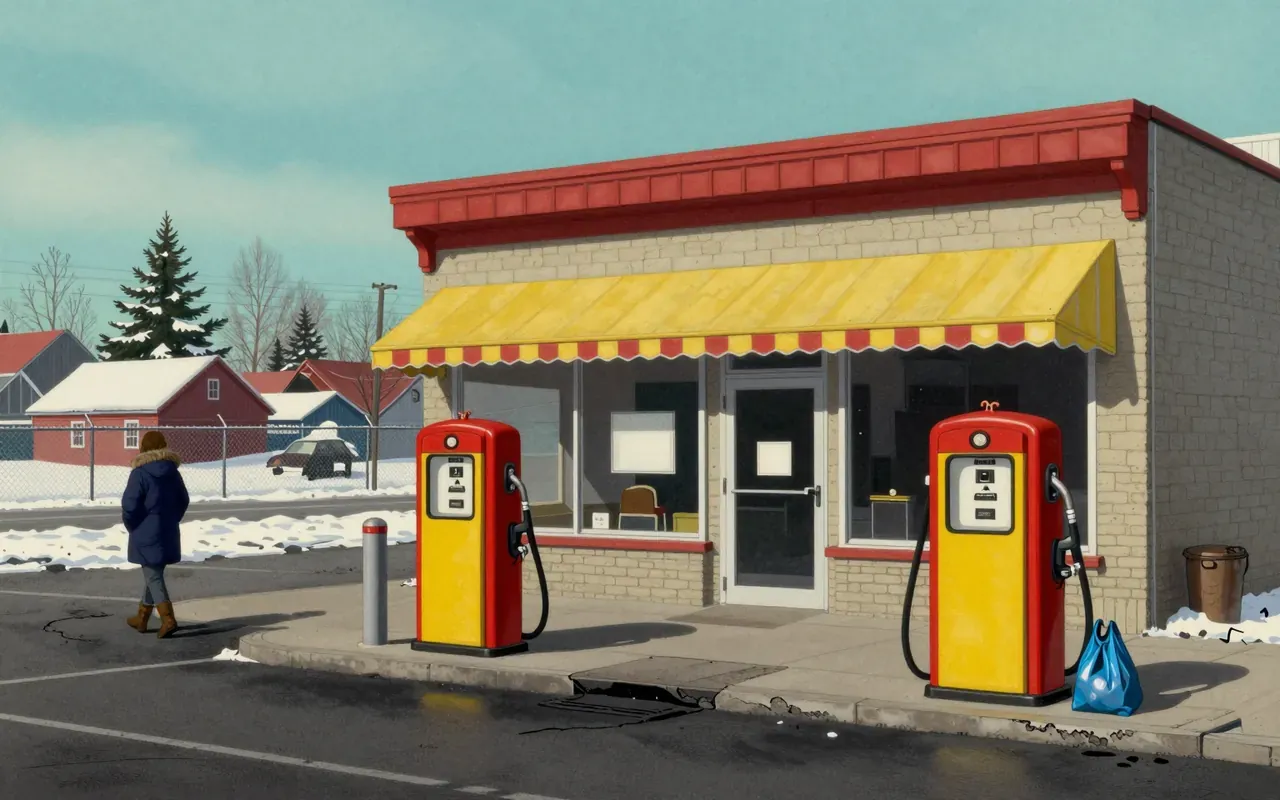
Alimentation Couche-Tard is a textbook case of geographic and operational scaling through acquisition and banner standardisation — not product, tech, or marketing innovation. Its model depends on acquiring undermanaged regional chains, stripping overlapping functions, and enforcing consistency in procurement and site selection. It reveals little about consumer behaviour or retail design, but much about how capital, real estate leverage, and decentralised execution combine to dominate fragmented markets.

Ambev is a case study in consolidation-driven profitability — not product-led growth. Its value came from regulatory navigation, cost discipline, and geographic sequencing, not brand, taste, or technology. It shows how monopoly conditions can be manufactured where competition is weak, not defeated.




Apollo Global Management is a $1.03 trillion alternative asset manager built on distressed-to-control investing, co-founded in 1990 by ex-Drexel bankers. It earns fees from pension funds, endowments, and sovereign wealth funds deploying capital across credit, private equity, and real assets. Its model works at scale—but its credibility fractures where leadership conduct contradicts its governance claims. The $158 million paid to Jeffrey Epstein did not disrupt operations, but it ended Leon Black’s tenure and exposed a rift between Apollo’s discipline-as-brand and its human risk.

Asda's origin story is a case study in opportunistic capital allocation — not disruption. It used regulatory shifts, tax law, and real estate terms to scale before it had a coherent brand or national footprint.





Biogen is a neurology-focused biotech that built scale via acquisition, not foundational science — and César Milstein, whose hybridoma work underpins modern antibody therapeutics, has no documented relationship to the company.

Blackstone is the largest alternative investment firm by AUM — $1.2 trillion as of September 2025, $1.3 trillion by Q1 2026 — built on a pivot from M&A advisory to merchant banking in 1987. Its founders lacked LBO experience but leveraged relationships to enter private equity, then scaled across asset classes using consistent mechanics: leverage, illiquidity, and fee-based capital aggregation. Its CEO held formal advisory access to the U.S. presidency, but that did not substitute for early fundraising credibility. The firm discloses neither performance nor risk metrics for its funds. Its growth reflects structural demand — not proprietary insight.




British Airways is the UK’s flag carrier, formed by state merger in 1974, privatised in 1987, and folded into IAG in 2011. It is the largest UK airline by fleet and international reach. It was the first passenger airline to earn over $1 billion on a single route in a year. It has a documented reputation for poor staff conduct, arbitrary service changes, and refusing compensation claims.

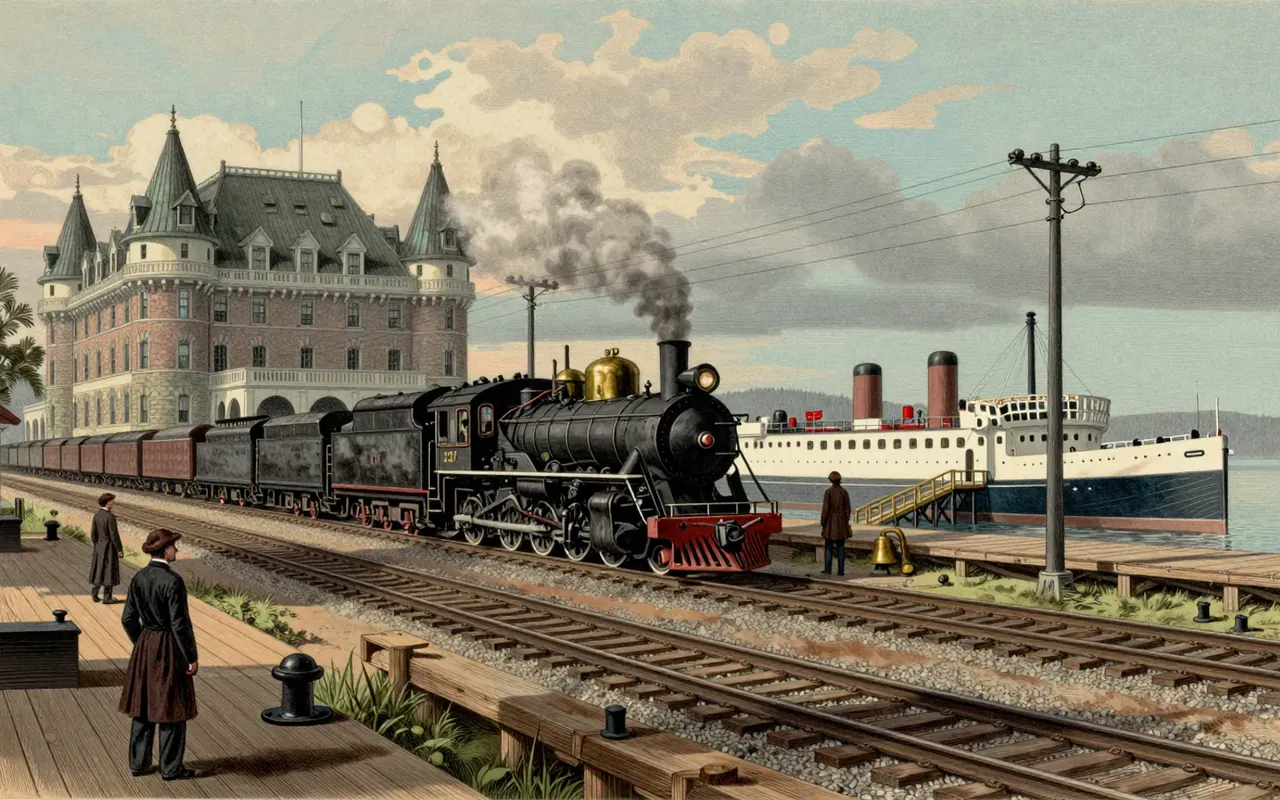
The Canadian Pacific Railway was not a startup, nor a disruptor — it was a state-contracted infrastructure monopoly, executed under tight political deadline and scaled through vertical integration. Van Horne’s genius lay not in invention but in orchestration: he turned a rail line into a self-reinforcing system of movement, messaging, lodging, and shipping — all funded by federal land grants, bonds, and tariffs, not market demand. Its success was geopolitical, not financial; its durability came from control of geography, not innovation.

Canadian Solar is a vertically integrated solar energy firm founded in 2001 by Dr. Shawn Qu, headquartered in Kitchener, Ontario, with operations spanning manufacturing, project development, and storage system provision.

Carlyle is a textbook case of how a firm leverages geography and timing — not product innovation — to dominate a financial services niche. Its business model remains fee-dependent, opaque, and unremarkable in mechanics. Its value lies in its path, not its current structure.
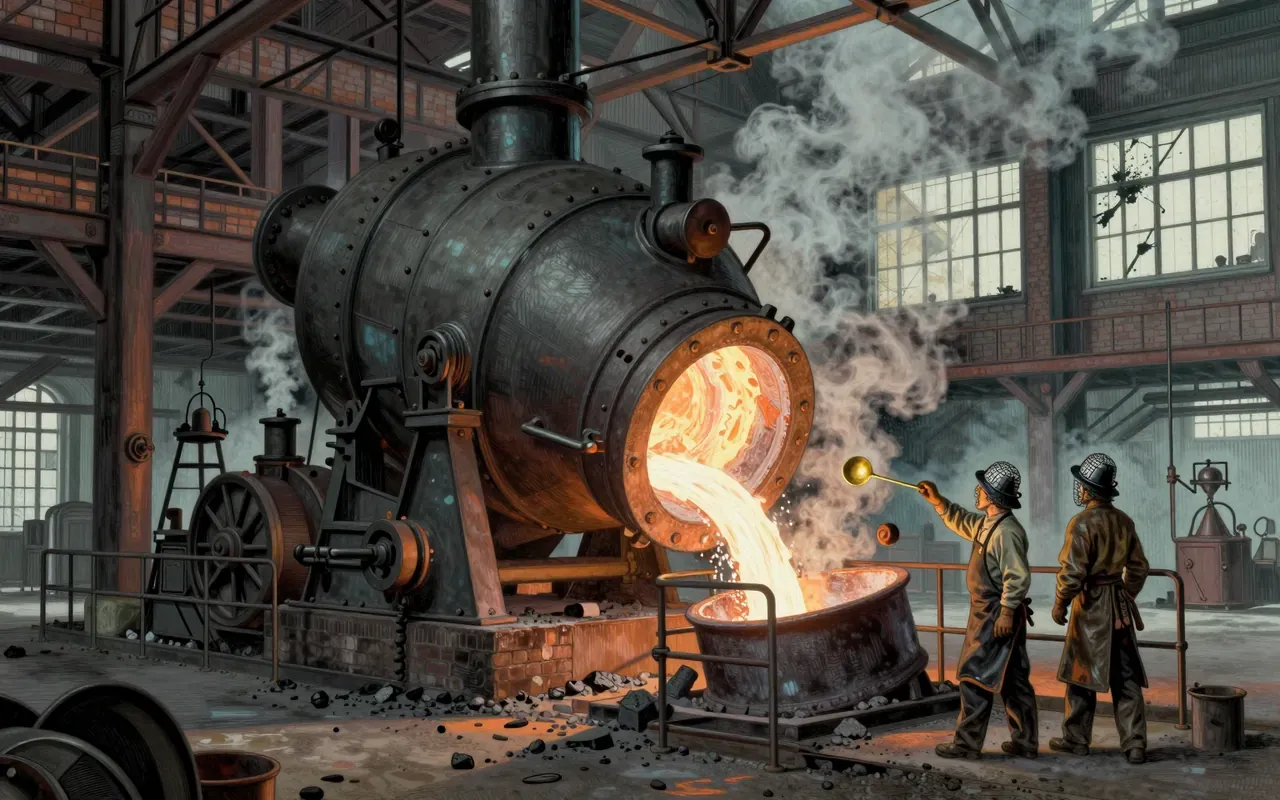

Caterpillar Inc. is the world's largest construction equipment manufacturer, founded in 1925 via merger, but rooted in Benjamin Holt’s continuous-track tractor innovation of 1904–1907.




Citroën was a French automobile manufacturer founded in 1919 in Saint-Ouen-sur-Seine. It pioneered four world-first production car technologies: front-wheel drive with unibody construction (1934), hydropneumatic self-levelling suspension (1954), modern disc brakes (1955), and swiveling headlights (1967). It also launched the 2CV in 1948, pioneering soft interconnected suspension. Citroën gained international reputation mass-producing armaments in WWI. It became the fourth-largest carmaker in the world in the 1930s, peaking in 1932 with the Traction Avant. Cost struggles aggravated by the Great Depression led to bankruptcy in 1934 and takeover by Michelin. Its double-chevron logo derived from André Citroën’s application of double helical gears, which he acquired after seeing them used by a Polish carpenter around 1900.

CME Group is a vertically integrated derivatives infrastructure operator. It runs exchanges, provides mandatory central clearing, and operates two spot platforms. In 2025, 81% of its revenue came from clearing and transaction fees, charged at $0.70 per contract across over 7 billion contracts. Volume increases during market volatility — a mechanical, observable feature. Its Bitcoin spot launch in May 2024 has no reported volume or revenue impact. Every major innovation — currency futures (1972), Globex (1987), IPO (2002) — was structural, not product-led.


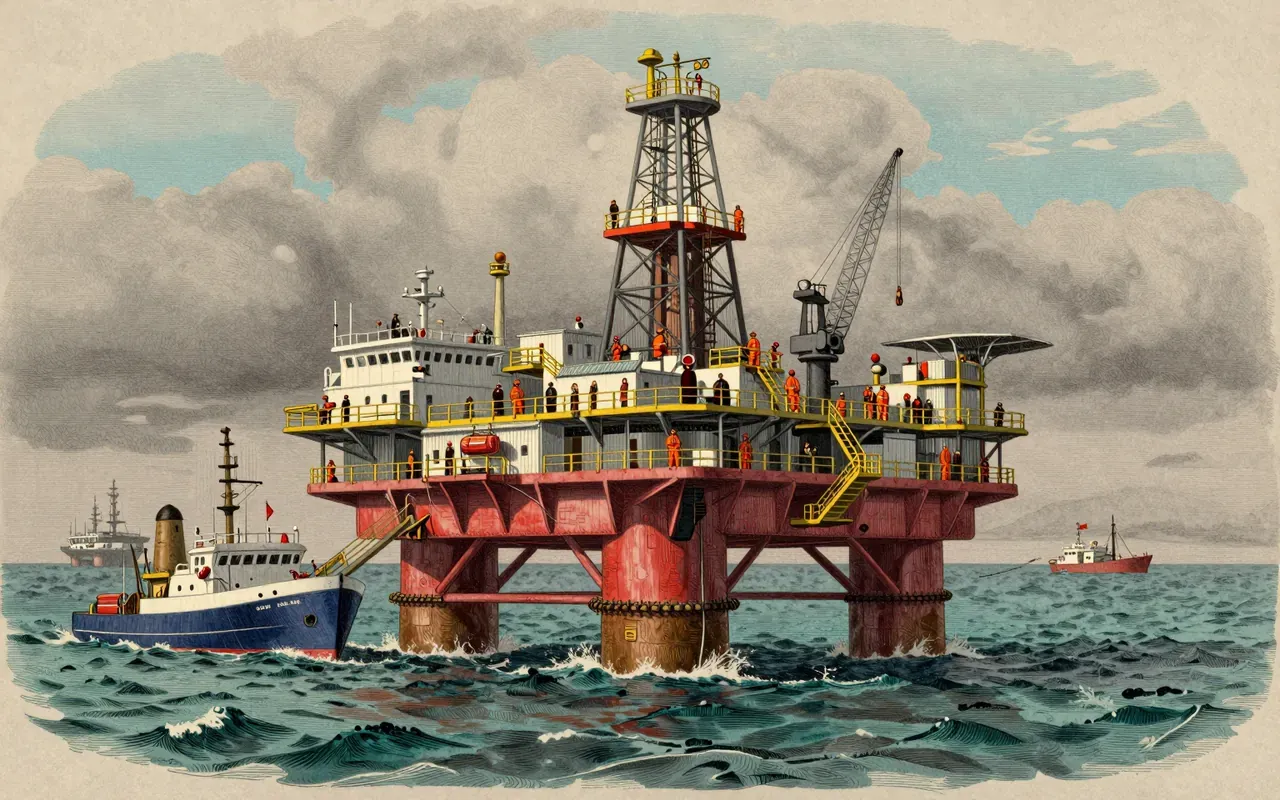

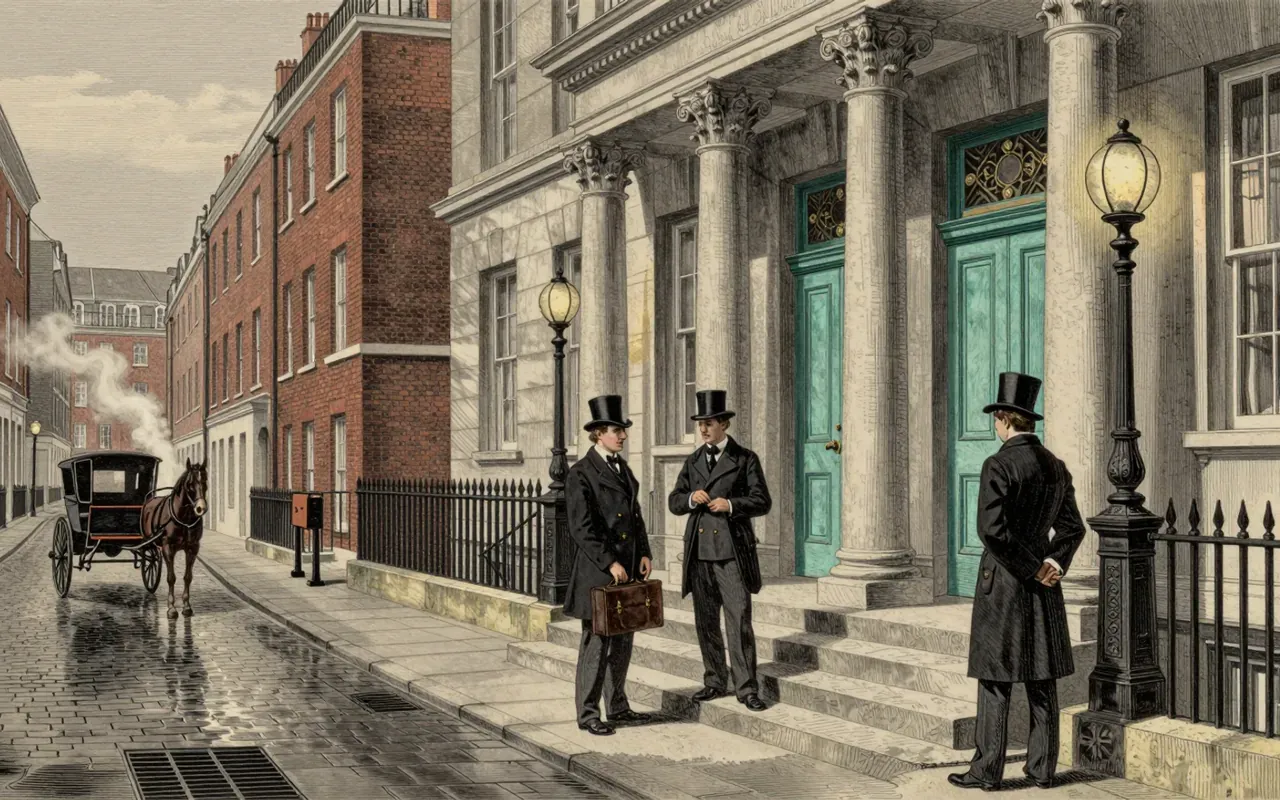
De Beers is a case study in artificial scarcity — built not on geology or technology, but on merger, capital, and contract.
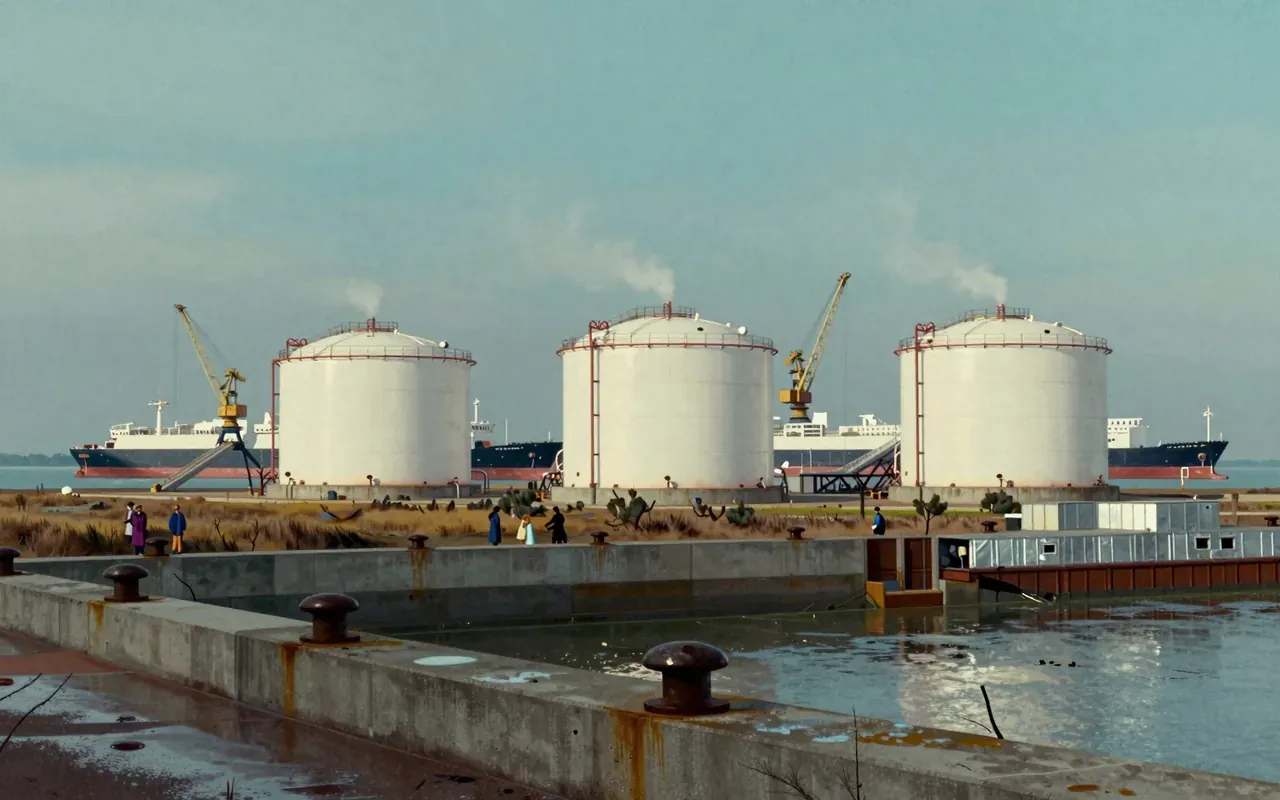

Dr. Reddy's Laboratories is a business case in disciplined vertical progression: API → branded formulation → export credential → finished product. Its early wins were tactical, not structural. No data on scale, margins, or longevity is provided — only sequence, timing, and pricing intent.
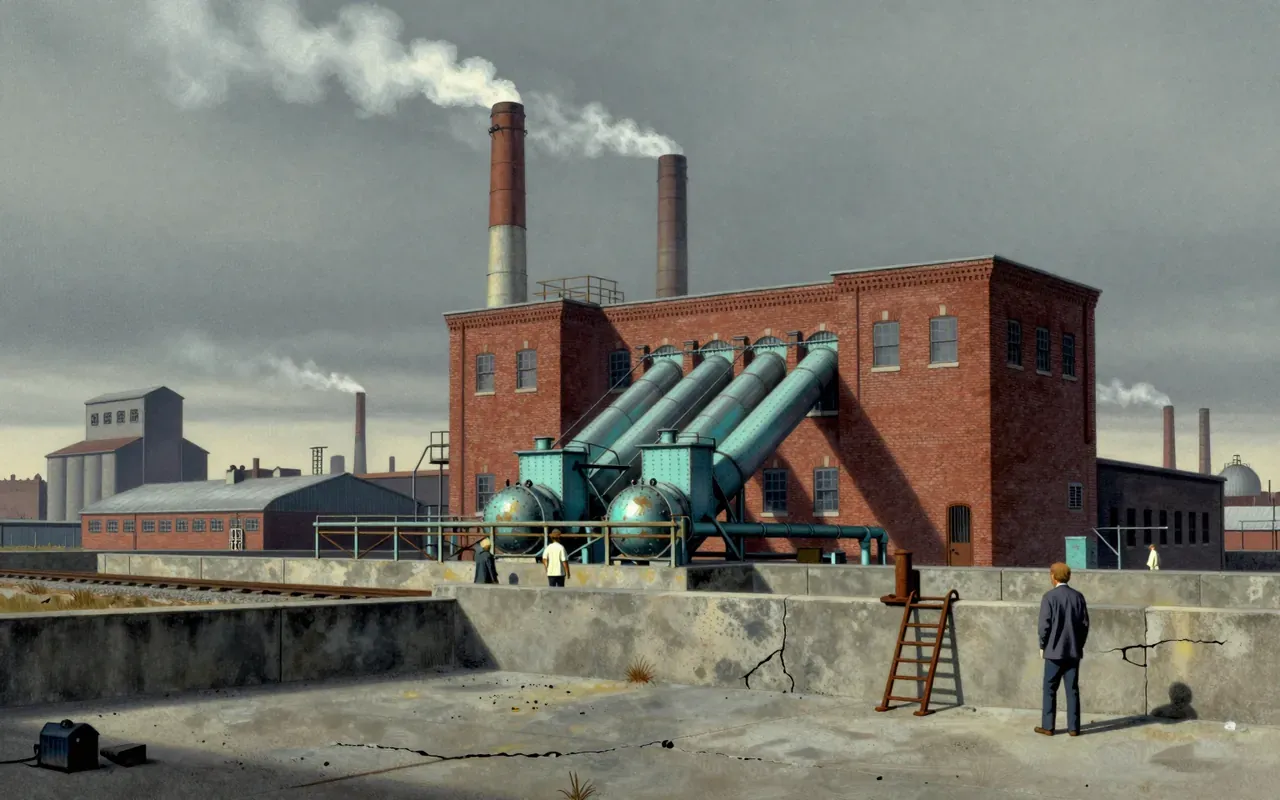


Eli Lilly and Company is a foundational case in how business infrastructure — not just discovery — creates pharmaceutical power. Its early bets on quality control, prescription gatekeeping, and regulation were deliberate, profitable, and durable. The sources confirm no modern financials or valuations, so analysis must stay anchored in its documented methods and milestones.





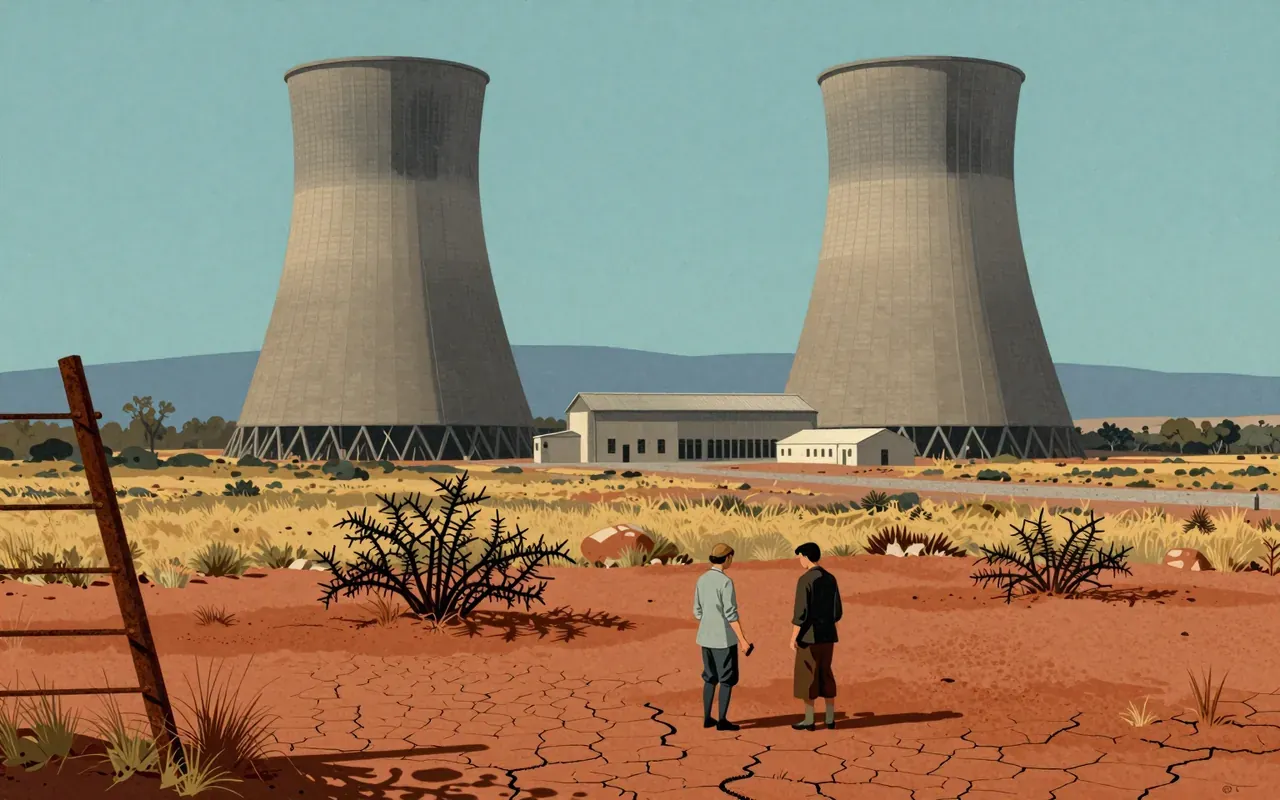
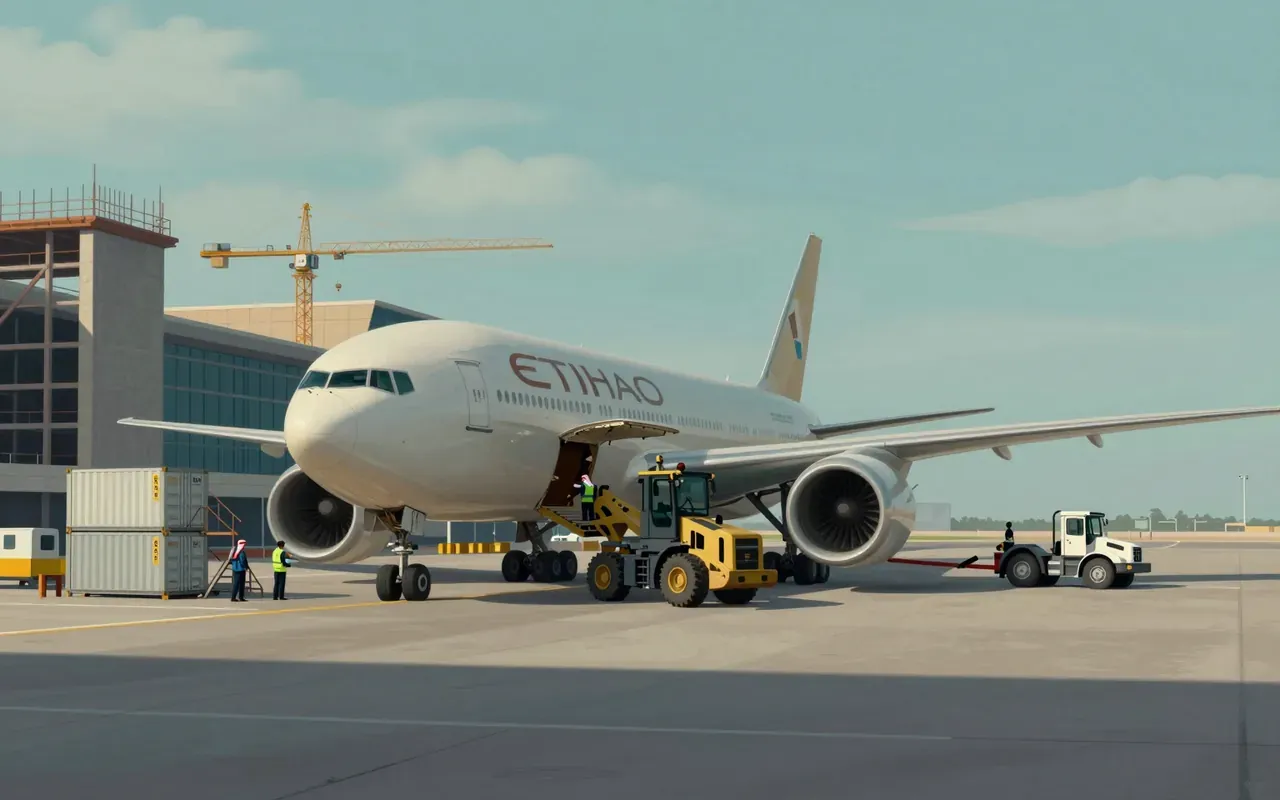
Etihad Airways is a state-owned UAE flag carrier launched in 2003 to project national presence globally. It operates passenger, cargo, and holiday services from Zayed International Airport using a fleet of 107 aircraft. It is the second-largest airline in the UAE after Emirates. Its business model relies on sovereign backing—not unit economics—to sustain scale beyond its home market’s natural demand.



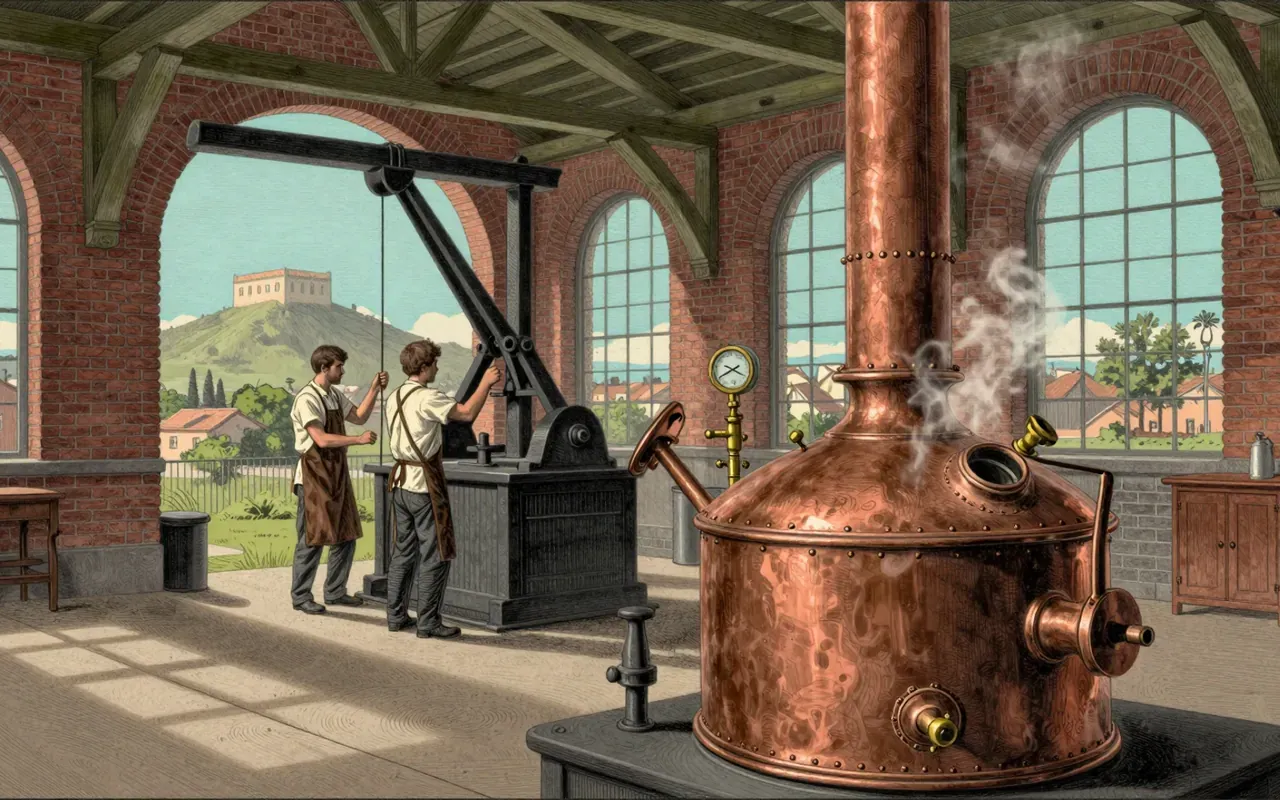
FEMSA is a Mexican multinational beverage and retail company headquartered in Monterrey, operating the largest independent Coca-Cola bottling group in the world and Mexico’s largest convenience store chain. It reports US$26.9 billion in revenue (2019), ranks fifth-largest company in Mexico, and operates across Latin America via bottling plants, convenience stores, drugstores, fuel stations, and third-party logistics—and in the US via jan-san distribution. Listed on the Mexican Stock Exchange since 1978 and NYSE ADRs since 1998. FEMSA is the holding company of Cuauhtémoc Moctezuma Brewery—the culmination of Eugenio Garza Sada’s industrial expansion from a single brewery into Grupo Valores Industriales, which included Fábricas de Monterrey (1920), HYLSA (1942), Empaques de Cartón Titán (1936), and multiple acquired breweries.
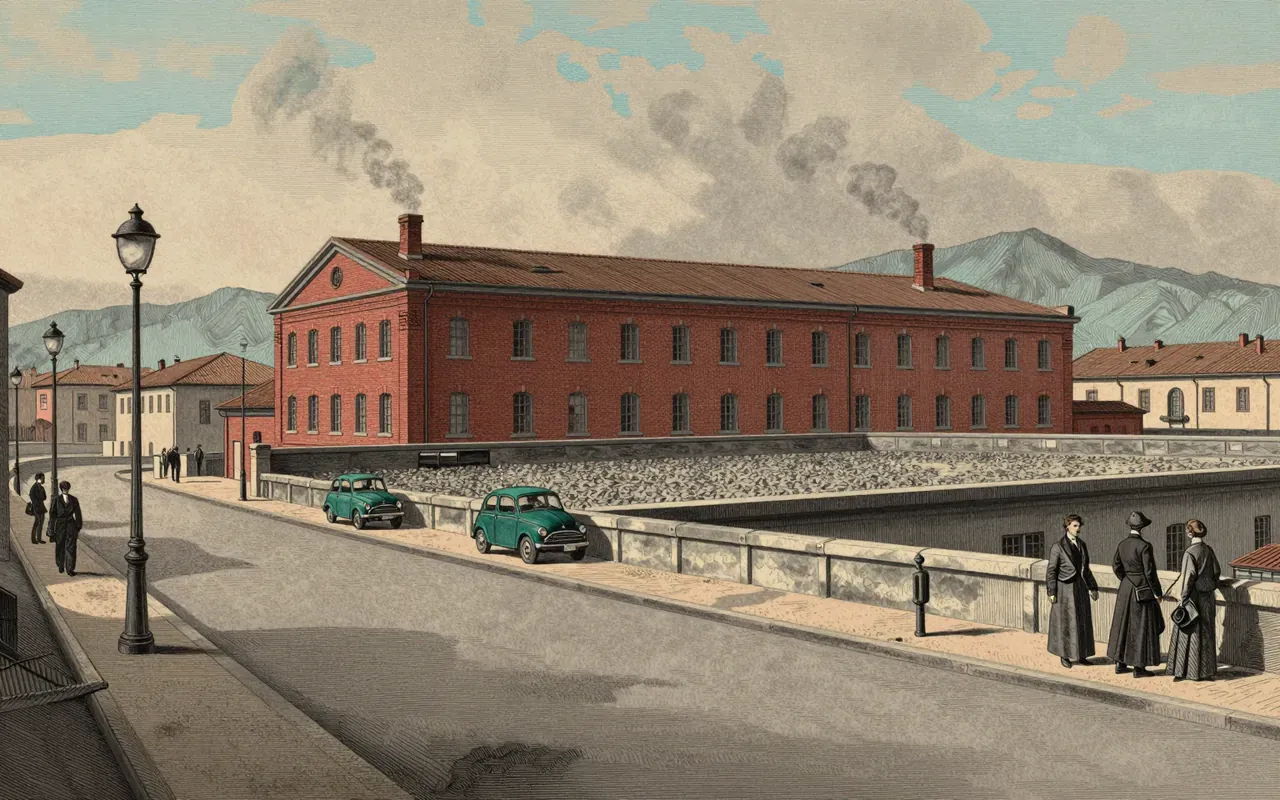
Fiat’s early success came from disciplined scaling, not invention. It built volume, listed publicly, and dominated Italy’s auto market — all before 1910. Its story is about capital, control, and concrete.
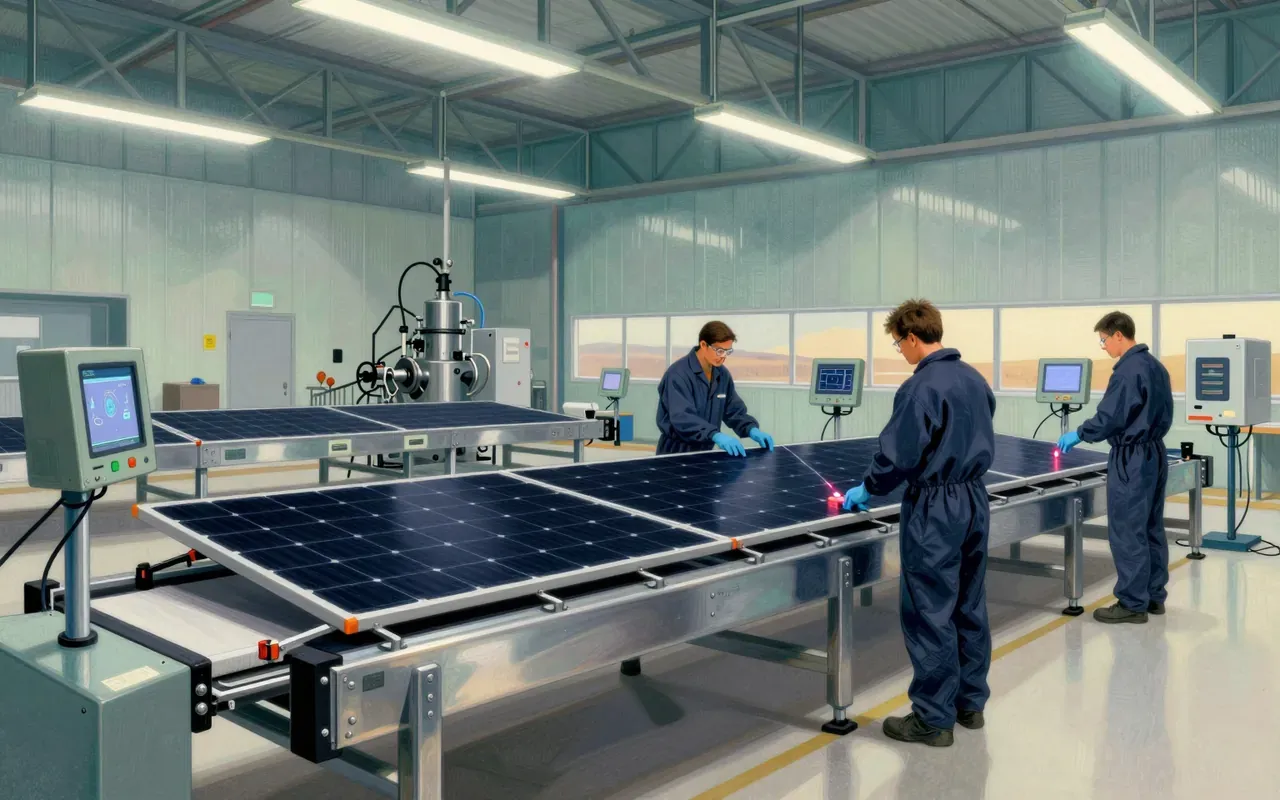
First Solar is a U.S. solar panel manufacturer that builds cadmium telluride (CdTe) thin-film modules in domestic factories. It was founded in 1990 as Solar Cells, Inc. by Harold McMaster, acquired and rebranded in 1999, and went public in 2006. Its technology diverges from mainstream silicon PV. As of March 2026, it had ~14 GW of annual domestic nameplate capacity across facilities in Ohio, Alabama, and Louisiana. It does not produce silicon panels, does not operate overseas factories, and does not integrate storage or software.





Genmab is a platform biotech — not a drug developer — built around two licensed and proprietary antibody generation methods. Its value is in reducing discovery risk and time, not in owning clinical or commercial outcomes.
George Weston Limited is a Canadian holding company founded in 1882, structured around two core assets: Loblaw Companies Limited and Choice Properties REIT.
Glencore is a vertically integrated commodity trader and miner whose power rests on controlling physical flows — especially zinc and copper — across jurisdictions. It emerged from Marc Rich + Co AG in 1994 after Rich was forced out following a failed zinc market corner. Its structure splits legal registration (Jersey), operational HQ (Baar), and oil-and-gas command (London). It holds no disclosed valuation or margin, but its 2010 market shares — 60% in zinc, 50% in copper — show where its leverage lies: not in brands or code, but in tons moved, stored, and priced across borders.

GSK plc is a British multinational pharmaceutical and biotechnology company formed in 2000 by the merger of Glaxo Wellcome and SmithKline Beecham. It traces its origins to Henry Wellcome’s 1880 co-founding of Burroughs Wellcome & Company. GSK developed the first malaria vaccine (RTS,S), markets WHO-listed essential medicines, and reported $42.4 billion in revenue and $9.32 billion in earnings in 2025. In 2012, it pleaded guilty in the US to unlawful drug promotion, failure to report safety data, and physician kickbacks — agreeing to a $3 billion settlement, the largest healthcare fraud case in US history and the largest in the pharmaceutical industry. The Wellcome Foundation Ltd., established by Henry Wellcome in 1924, was later sold to GSK following changes in UK charity law.


Husky Energy was a long-lived, vertically integrated petroleum company whose geographic reach and operational scope did not prevent its absorption into Cenovus Energy in 2021.


Imperial Oil was founded in 1880 as a Canadian response to Standard Oil’s expansion — a deliberate replication of Rockefeller’s integrated model. It quickly controlled 85% of national refining capacity. After failing to secure British ownership, its board sold 75% to Standard Oil in 1898, absorbing its Canadian subsidiaries. Post-1911 antitrust breakup, Imperial remained legally distinct but was wholly assigned to Jersey Standard — becoming Standard Oil’s exclusive vehicle for Canadian operations.

ICE is a financial infrastructure consolidator — not a technology innovator or market creator. It turned energy trading into a global clearing and exchange empire by acquiring failing or exposed rivals, shutting down physical floors, and layering data and mortgage tech atop core exchange revenue. Its business model depends on regulatory moats, scale-driven pricing, and vertical integration — not speed, intelligence, or user experience.