Trina Solar
A solar company that sells panels while facing forced labour findings, tariff circumvention rulings, and a US military-linked designation.

Unilever is not a modern purpose-led corporation disguised as a legacy firm — it is a legacy firm whose original mechanics (commodity sourcing, unit standardisation, trademark enclosure, paternalistic control) still define its structure, even as its marketing tells a different story.
SpaceX is a government-contract-powered aerospace manufacturer whose reusable launch system succeeded where others failed — not because of vision alone, but because NASA paid for development, testing, and flight operations while Starlink created a parallel revenue stream. Its Mars and Starship ambitions remain outside this economic reality.

Universal Pictures was a business architecture designed to extract value from every layer of film — from performer contracts to theatre leases — using legal, spatial, and branding levers. Its success was tactical, not mythic.

Meituan is a Chinese technology company headquartered in Beijing that operates a platform for local services, including on‑demand food delivery, in‑store services, consumer reviews under Dazhong Dianping, hotel and travel bookings, and instant retail. It monetises through fees on its platform, taking a commission on food delivery orders and charging merchants for booking and in‑store services. Meituan’s rapid user growth is driven by its extensive coverage of local services, its integration of food delivery, in‑store services, and hotel bookings creating a one‑stop shop, and its large merchant base of 14.5 million active merchants providing network effects. Meituan faces regulatory scrutiny in China, its 2021 post by Wang Xing triggered a 7.1 % share plunge and anti‑monopoly investigation, and the company has been subject to scrutiny by Beijing Municipal Human Resources and Social Security Bureau. Meituan demonstrates the power of a diversified local‑services platform, its ability to scale across cities and internationally shows the importance of network effects, and its regulatory challenges highlight the need for compliance awareness. Meituan offers a case study in rapid scaling and diversification, but its regulatory risks caution investors.


Hero MotoCorp is a case study in state-enabled industrial scaling: it leveraged licences, joint ventures, and low-cost execution—not proprietary tech or global branding—to become India’s dominant two-wheeler maker. Its independence from Honda was real, but its post-2011 growth relies on the same mechanics: volume, distribution, and incremental product iteration.
ByteDance is an AI-driven content platform company built on internal competition, strategic acquisition, and rapid global scaling — not organic product leadership or transparent monetisation.
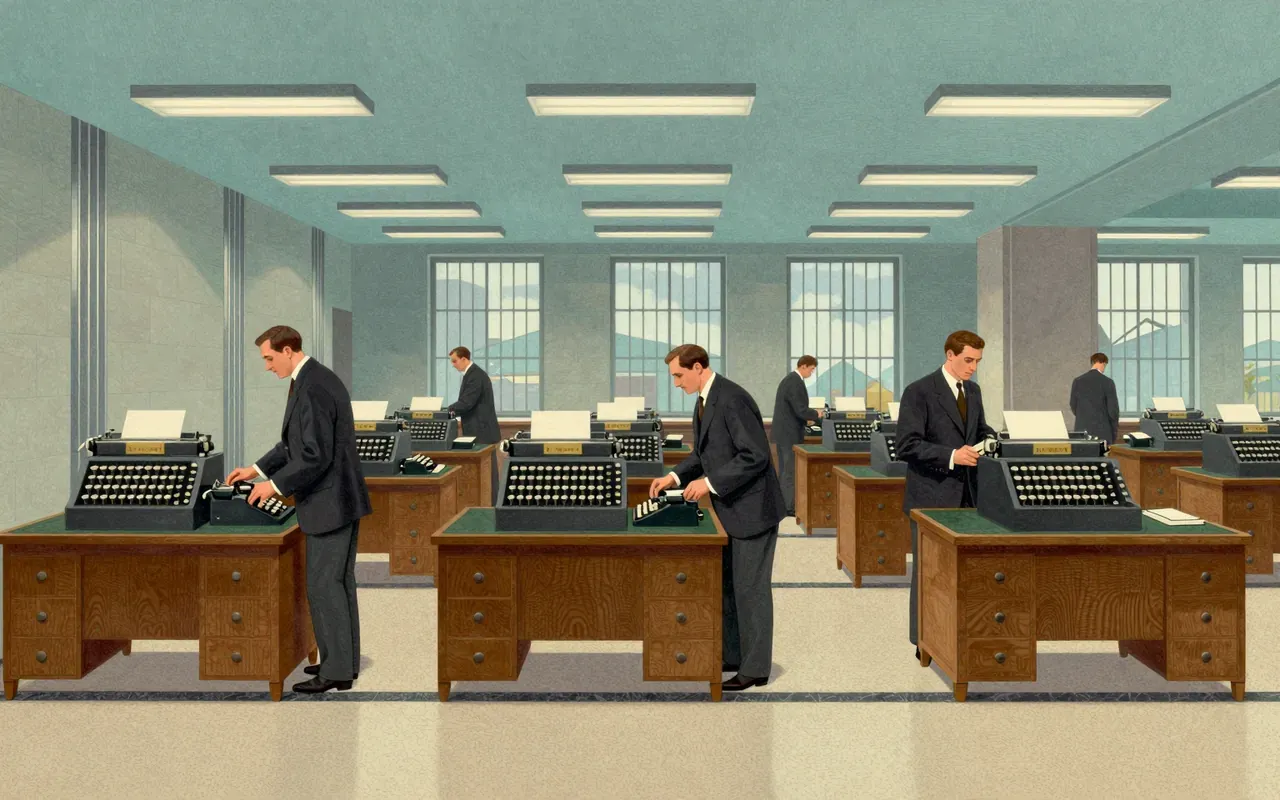
IBM under Thomas J. Watson Sr. was a sales-and-leasing enterprise built on punched card tabulators — not computing. Its dominance relied on vertical control, not technical novelty. That control was dismantled by antitrust action in 1936. Everything else — System/360, AI, PCs — belongs to a later era.

Lotte is a textbook case of chaebol formation through sequential anchoring — first in Japan, then decisively in Korea — but its financial mechanics remain unreported.


Google DeepMind is a research lab, not a business. Its value lies in its ability to produce peer-recognised scientific milestones — not revenue, not IP licensing, not product deployment. It proves that one company can fund high-risk, long-horizon AI research at industrial scale — but only by insulating it entirely from market logic.
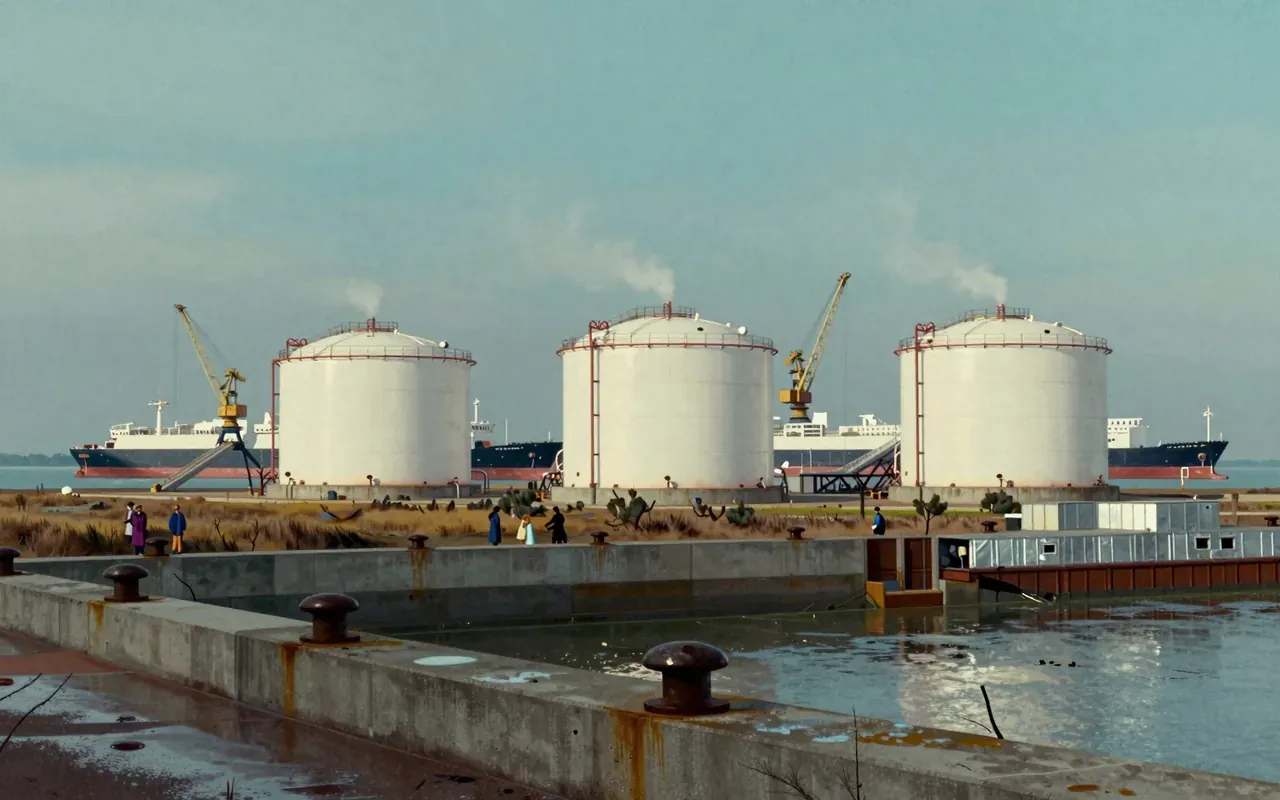
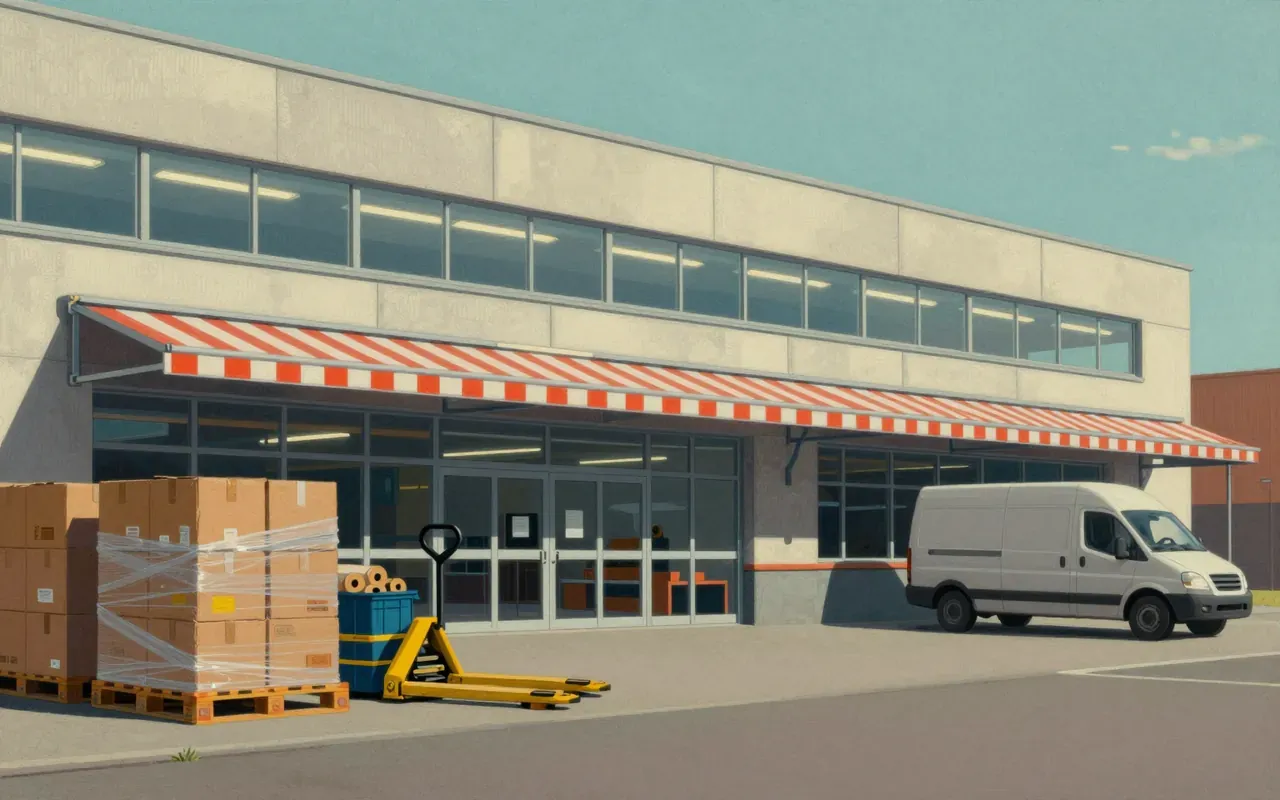
Kaufland is a German hypermarket chain founded in 1984 in Neckarsulm, part of the Schwarz Gruppe, and developed by Dieter Schwarz as a full-range alternative to Lidl’s discount format. It makes money by selling groceries and general merchandise from hypermarkets averaging over 10,000 m², operating under vertical integration — running in-house bakeries since 1994, meat processing facilities, and organic product lines launched in November 2018. Its strategy of acquiring competitor assets (e.g., 12 famila stores and a Cash-&-Carry-Markt in January 2010) and rebranding existing Handelshof locations gave it rapid scale. It dominates eastern Germany today — a result of opening its first East German store in Meißen in 1990, immediately after reunification. Its Australian expansion failed within a year (2019–2020), exposing limits to its model outside culturally and logistically aligned markets. It does not operate outside Europe. The gap between Kaufland’s self-presentation as a sustainability- and quality-driven retailer (e.g., 2021 decarbonisation strategy, organic range) and its operational reality — acquisitions, rebranding, and regional dominance built on post-reunification timing and antitrust-cleared takeovers — reveals how legacy retail power consolidates without innovation.



JPMorgan Chase is a vertically integrated financial monopoly whose scale rests on documented historical control — from industrial consolidation to slave-backed credit — not disruption or invention.

Uber is a platform whose early growth relied on regulatory noncompliance, strategic rebranding, and reactive imitation — not technical invention or user-first design. Its financial mechanics are transparent: high take rates on massive transaction volume. Its story is not about disruption, but about exploiting gaps between law and enforcement.

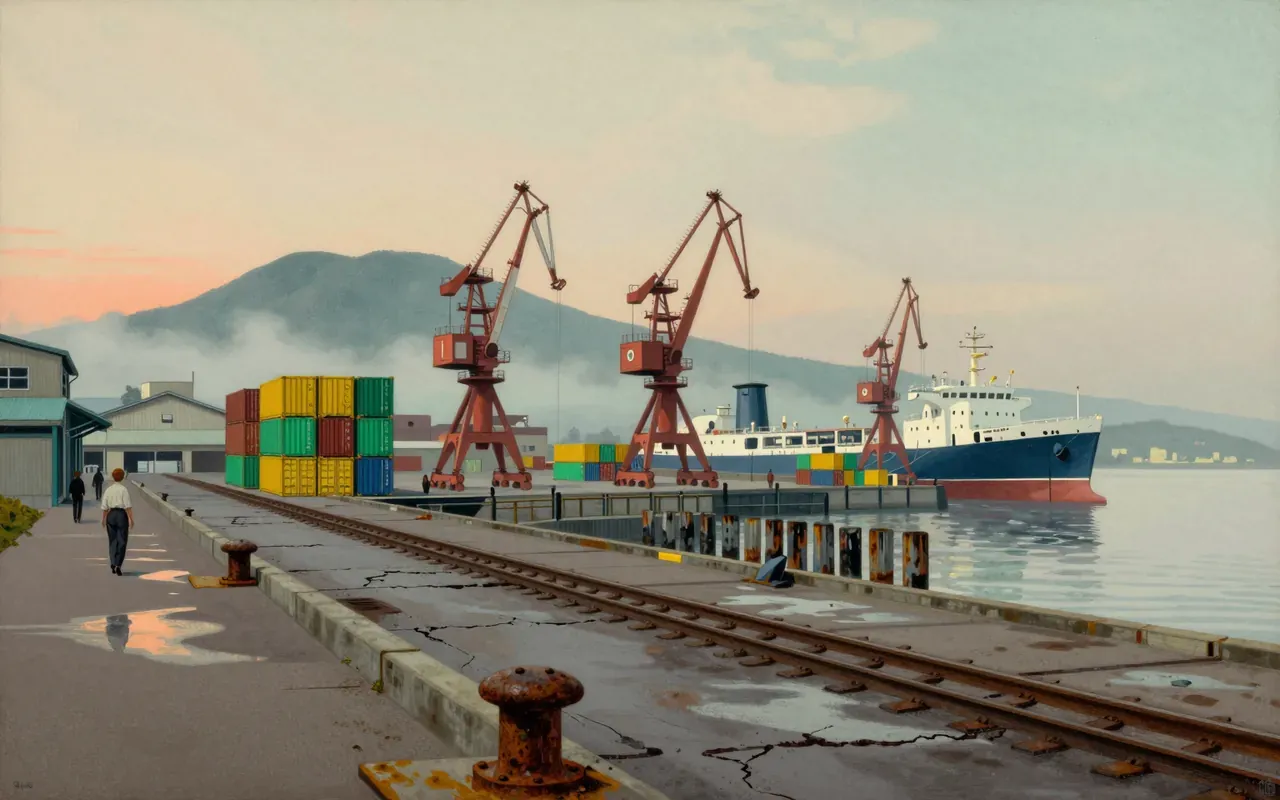

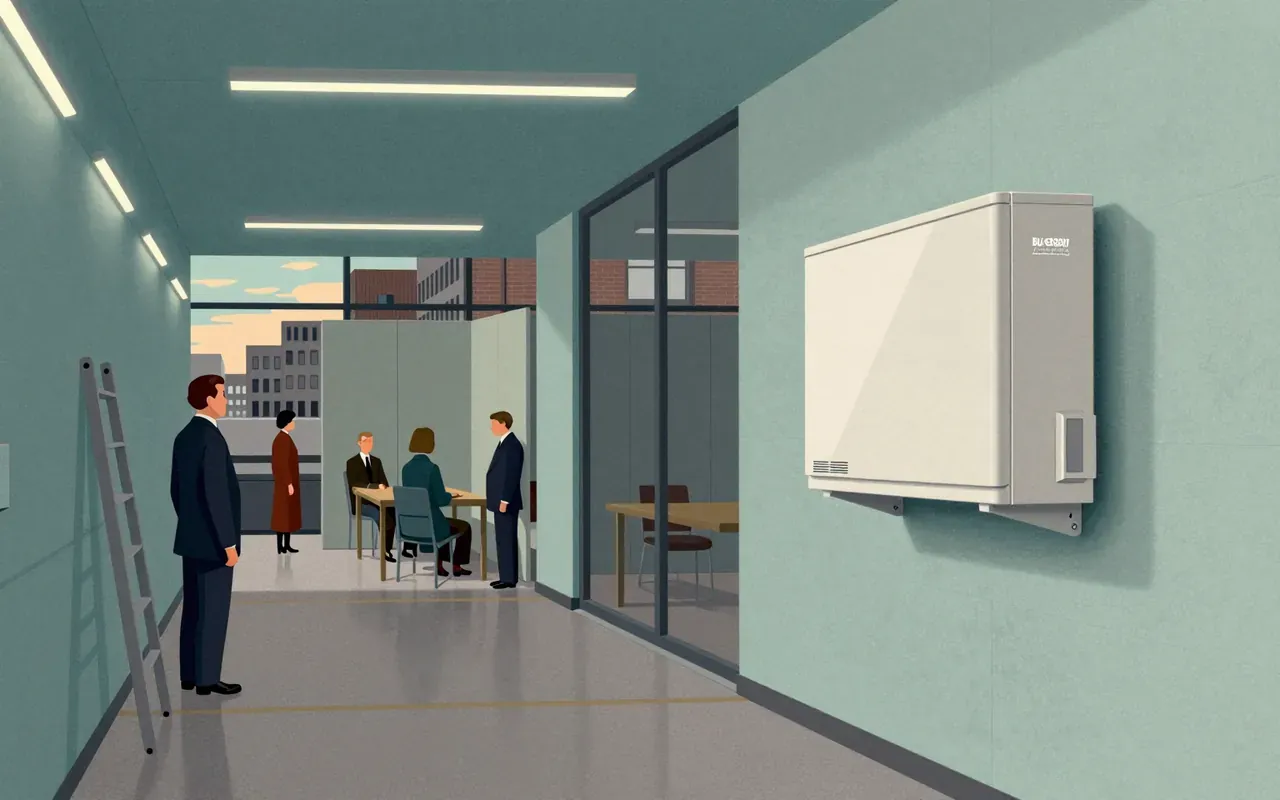




Canadian Solar is a vertically integrated solar energy firm founded in 2001 by Dr. Shawn Qu, headquartered in Kitchener, Ontario, with operations spanning manufacturing, project development, and storage system provision.
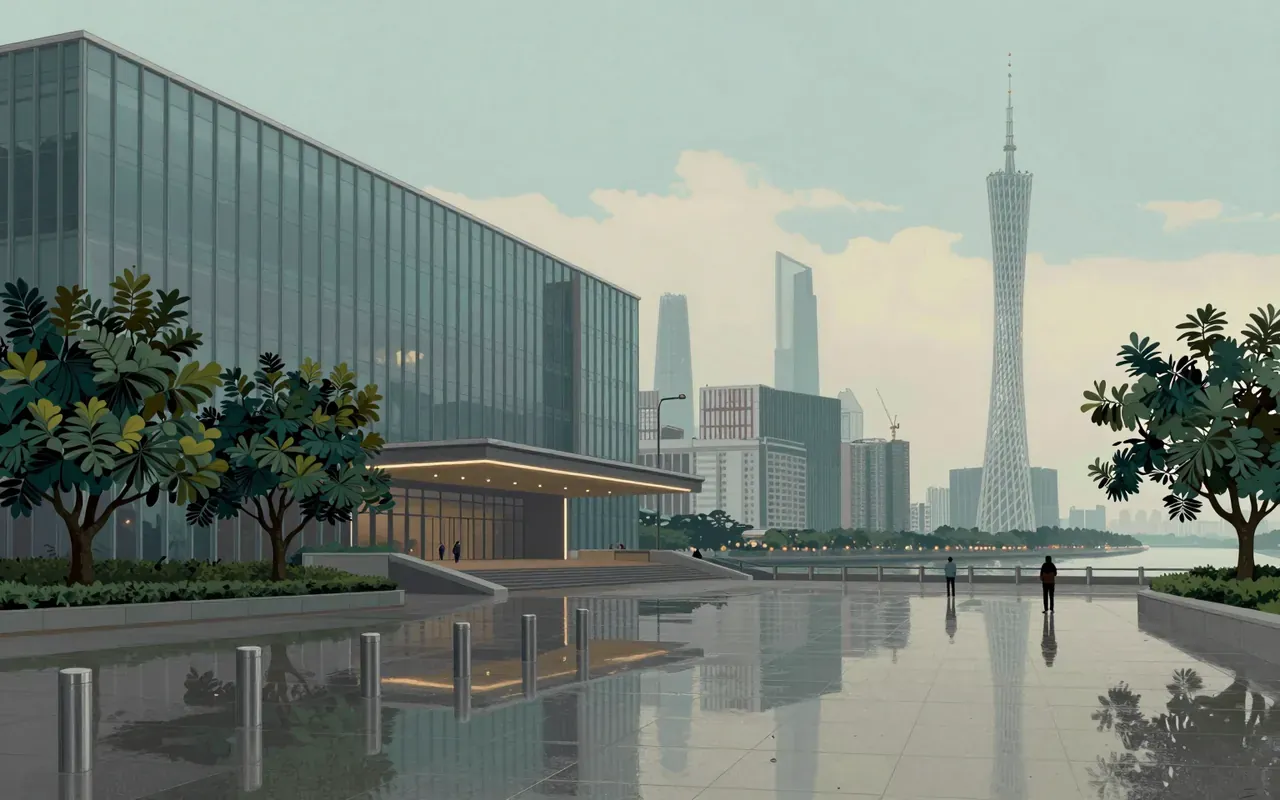
WeChat is a product of Tencent’s Guangzhou lab, launched in 2011 by Allen Zhang. It bundles messaging, social, and payments — and dominates China not because it is open or interoperable, but because it is closed, complete, and compliant.
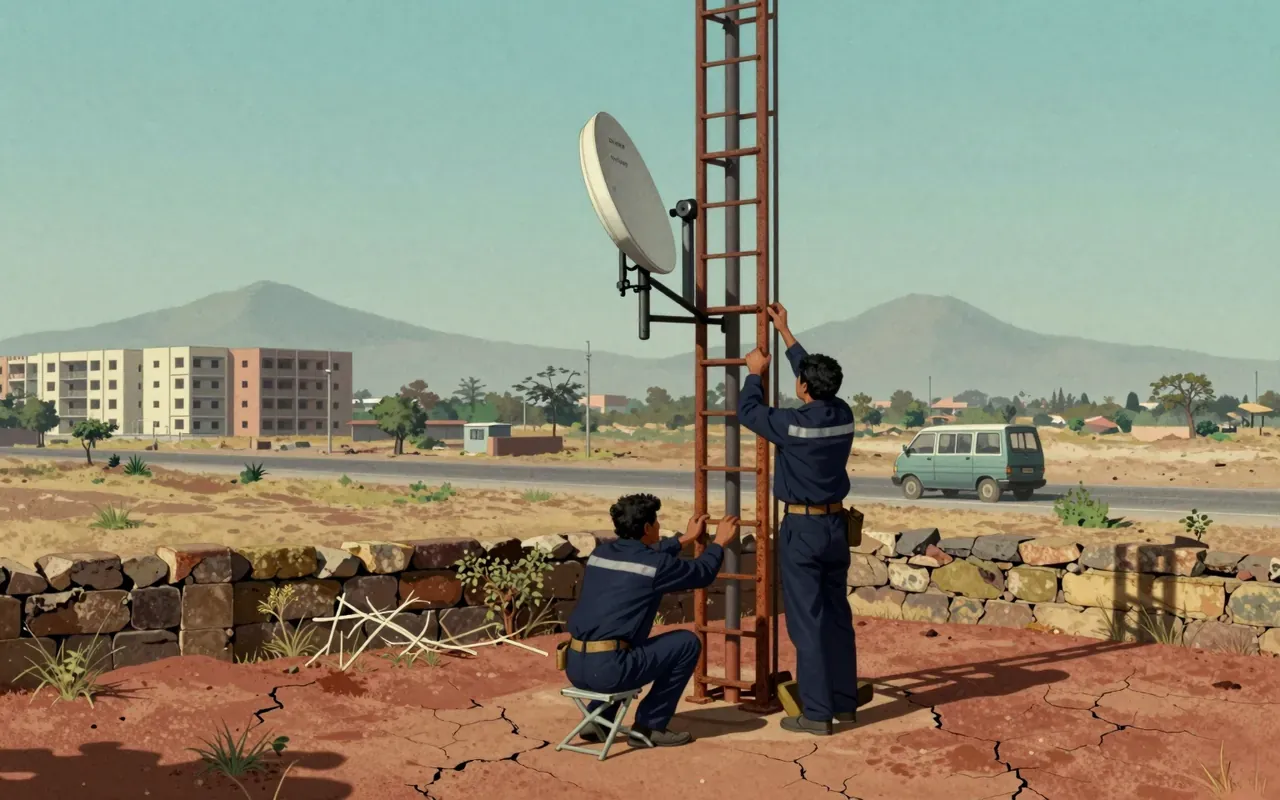
Bharti Airtel is not a tech innovator but a regulatory arbitrageur—its real product is the ability to operate at scale across borders where others stall on licensing, spectrum, or infrastructure cost. It built nothing foundational in telecom standards or silicon, but mastered the sequencing: assemble → manufacture → license → outsource → bundle → expand. That sequence works only once per market—and only if you start before the rules harden.

ExxonMobil is the largest U.S.-based oil and gas company. It was formed in 1999 by merging Exxon and Mobil. It is vertically integrated across oil and gas and its chemicals division. It produces about 3% of the world’s oil and 2% of global energy. In 2024, it emitted 610 Mt of CO2 — 1.58% of global emissions. It has faced widespread criticism and litigation over environmental incidents, including the 1989 Exxon Valdez oil spill, and for decades of climate change denial despite internal scientific accuracy.

ICE is a financial infrastructure consolidator — not a technology innovator or market creator. It turned energy trading into a global clearing and exchange empire by acquiring failing or exposed rivals, shutting down physical floors, and layering data and mortgage tech atop core exchange revenue. Its business model depends on regulatory moats, scale-driven pricing, and vertical integration — not speed, intelligence, or user experience.

Eli Lilly and Company is a foundational case in how business infrastructure — not just discovery — creates pharmaceutical power. Its early bets on quality control, prescription gatekeeping, and regulation were deliberate, profitable, and durable. The sources confirm no modern financials or valuations, so analysis must stay anchored in its documented methods and milestones.

Berkshire Hathaway is a holding company built on arbitrage, insurance float, and concentrated control — not innovation or disruption.



Nike’s origin is a textbook case of a startup succeeding not by inventing a category, but by reengineering a supply chain — then iterating relentlessly on one functional detail: traction.

Birks Group is the legal successor to Henry Birks and Sons — a Canadian jeweller founded in 1879, vertically integrated from design to retail, with manufacturing roots in Roden Bros. and national reach built through owned stores and co-branded acquisitions. Its 2005 merger with Mayors was a structural consolidation, not a new beginning.



Valve is a rare case where platform ownership fully decouples creative output from financial sustainability. Its flat structure is not a virtue—it is a tax the company pays for avoiding managerial overhead, made bearable only by Steam’s dominance. It does not scale. It does not replicate. It survives.



WeWork was a shared-workspace provider founded in 2010 by Adam Neumann and Miguel McKelvey, operating physical and virtual coworking spaces in ~600 buildings across 125 cities. It made money by leasing commercial real estate long-term, then subleasing it short-term to members — a classic mismatch of lease duration and revenue risk. The brand resonated and the format met demand for flexible office space — but only at small scale, with tight lease control and disciplined expansion. The business model failed under scale: fixed long-term lease liabilities could not be offset by volatile, short-term membership revenue — especially when growth relied on subsidising occupancy with investor capital. Neumann’s practice of buying buildings and leasing them back to WeWork exposed a governance vacuum — incompatible with public markets. Bankruptcy in 2023 and restructuring in 2024 confirmed the model collapsed under its own lease obligations — not market timing. A company can raise $12.8 billion and peak at a $47 billion valuation without ever proving unit economics — because investors funded narrative, not margins. Yes — as a case study in how governance failures, misaligned incentives, and financial engineering can override operational reality.

Lamborghini is a case study in disciplined positioning: a luxury carmaker built on agricultural engineering, anchored in one town, defined by one cultural metaphor, and repeatedly tested — and sometimes broken — by global economic forces.


The Bajaj Group is a 98-year-old Indian industrial conglomerate — not a tech platform, not a VC-backed startup, not a lifestyle brand. Its value comes from physical assets, sectoral spread, and continuity of ownership. It does not claim to disrupt. It owns factories.


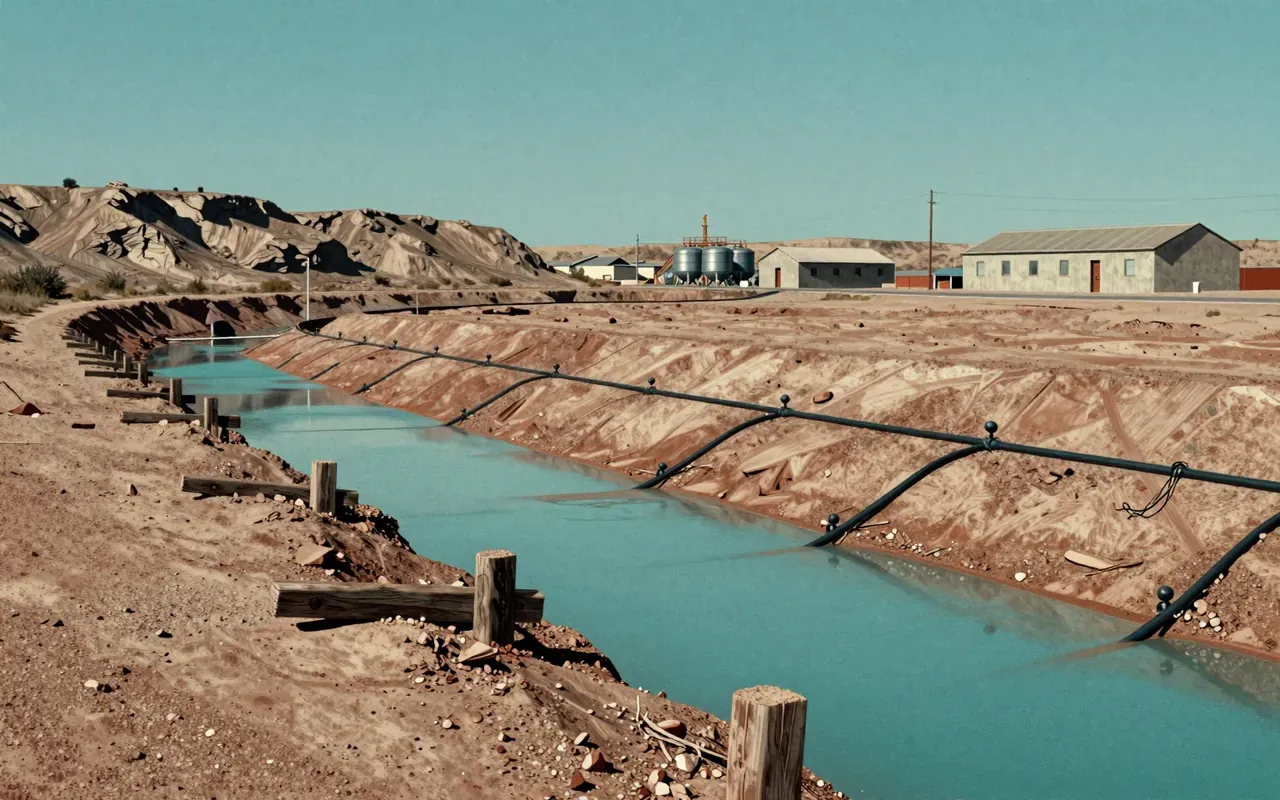
Barrick Mining is a gold-and-copper extraction company built through strategic acquisitions — not innovation, not discovery, not vertical integration. Its value lies in scale: 89 million ounces of gold in reserves, 3.91 million ounces produced in 2024, and a history of absorbing rivals like Placer Dome. But its governance fails where operations meet people: in 2008, Peter Munk personally silenced testimony about violence at Porgera. That gap — between reserve size and human accountability — is the real story.

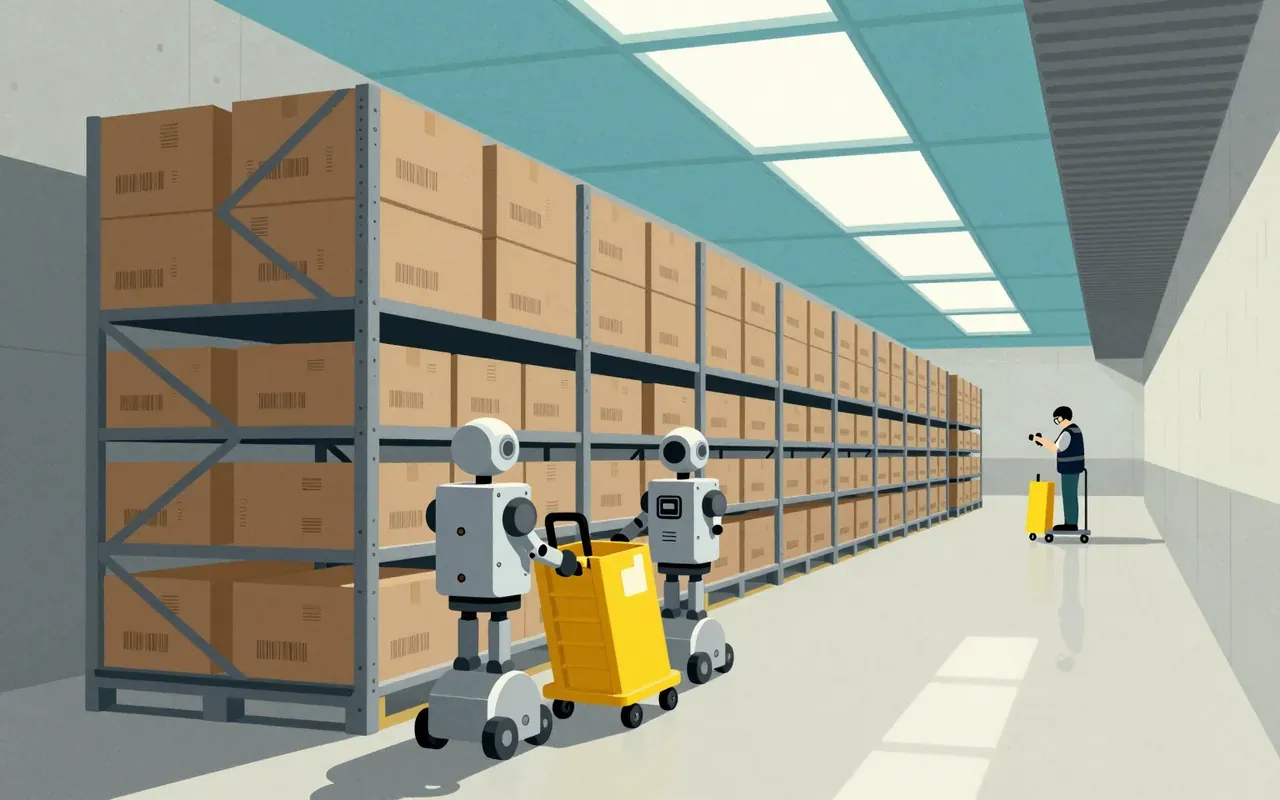
Amazon is a vertically integrated infrastructure company disguised as a retailer. Its founding was opportunistic, its growth funded by reinvestment, not profit. Its dominance rests on owning the pipes — logistics, compute, storage, and distribution — not the content or brands moving through them.

KKR is a foundational leveraged buyout firm whose early success relied on regulatory change, not market demand — and whose most famous deal was unprofitable. Its current scale reflects diversification beyond private equity, not enduring deal-making superiority.

Boehringer Ingelheim is a rare case of sustained private ownership enabling both technical continuity (from lactic acid to biopharma) and social infrastructure (welfare policies pre-dating national systems). Its business model is not about disruption but compound discipline: owning the science, the scale, and the staff.



Citroën was a French automobile manufacturer founded in 1919 in Saint-Ouen-sur-Seine. It pioneered four world-first production car technologies: front-wheel drive with unibody construction (1934), hydropneumatic self-levelling suspension (1954), modern disc brakes (1955), and swiveling headlights (1967). It also launched the 2CV in 1948, pioneering soft interconnected suspension. Citroën gained international reputation mass-producing armaments in WWI. It became the fourth-largest carmaker in the world in the 1930s, peaking in 1932 with the Traction Avant. Cost struggles aggravated by the Great Depression led to bankruptcy in 1934 and takeover by Michelin. Its double-chevron logo derived from André Citroën’s application of double helical gears, which he acquired after seeing them used by a Polish carpenter around 1900.


Panasonic is a Japanese multinational electronics manufacturer founded in 1918 by Kōnosuke Matsushita, headquartered in Kadoma, Osaka. It makes money by manufacturing and selling electronics, batteries, automotive systems, industrial equipment, and home renovation services. Its early innovation in battery-powered bicycle lamps — replacing three-hour candle and oil lamps — established product-market fit. Its 1963 plant produced eight CRT TVs per minute, accounting for 21.8% of Japan’s output — the largest share of any company. It ranked 6th globally in PCT patents in 2025 — down from three decades as the world’s top patent applicant. Its repeated workforce reductions — 40,000 in 2011, 10,000 in 2025 — signal structural strain, not agility. These are reactive cost cuts, not evidence of resilient business design. Patent leadership does not guarantee market dominance; Panasonic held the world’s top patent applicant rank for three decades but lost consumer electronics leadership as CRT TV production collapsed. Yes — its patent intensity, scale of operational recalibration, and sustained market position offer concrete lessons in industrial adaptation.

Soros Fund Management is a case study in regulatory adaptation: a firm that built its reputation on transparency of idea (macro thesis) and opacity of structure (family office), where the numbers remain impressive but uncheckable.


Uniqlo is a case study in industrialised apparel: no hype, no heritage theatre, no seasonal spectacle — just a tightly coupled system for making, moving, and refining simple clothes at scale.


Activision’s founding was a contractual rupture, not a technological leap. It turned programmer identity and shelf presence into revenue — and proved third-party publishing could exist only after winning in court.
Huawei is a Chinese multinational technology conglomerate founded in Shenzhen in 1987 by Ren Zhengfei. Its headquarters are in Longgang, Shenzhen, Guangdong. Its main product lines include telecommunications equipment, consumer electronics, electric vehicle autonomous driving systems, and rooftop solar power products. Telecommunications equipment is its biggest area of business, and its largest customer is the Chinese government. Initially focused on manufacturing phone switches, Huawei expanded to more than 170 countries, building telecom infrastructure, providing equipment and services, and manufacturing consumer communications devices. In 2012, it surpassed Ericsson to become the world's largest telecommunications equipment manufacturer. As of 2025, it is the largest smartphone vendor in China with an 18.1% market share.

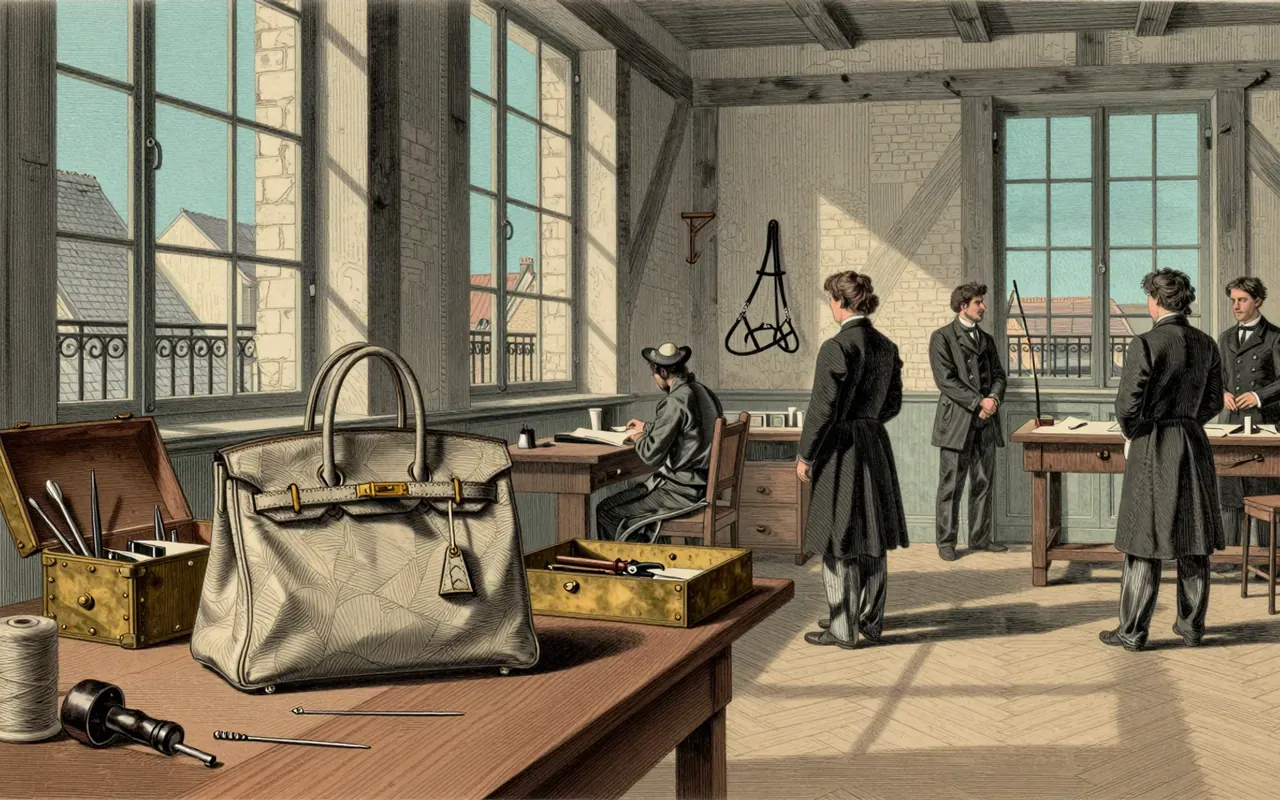
Hermès is a vertically integrated French manufacturing company built on a hand-sewn stitch, sustained by family control, and monetised through scarcity-enforced pricing across 16 product lines.

Nokia's origin is industrial infrastructure, not digital ambition. Its longevity stems from disciplined capital management — not visionary foresight.



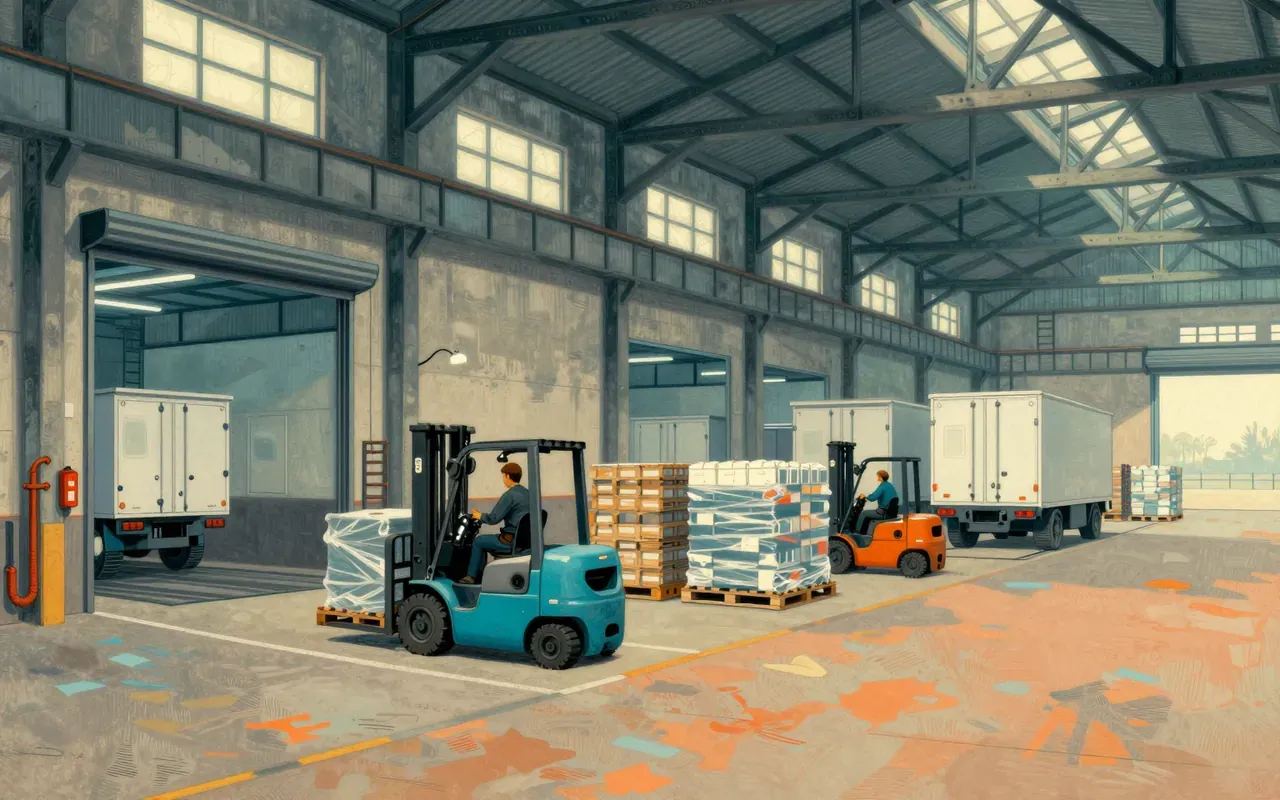
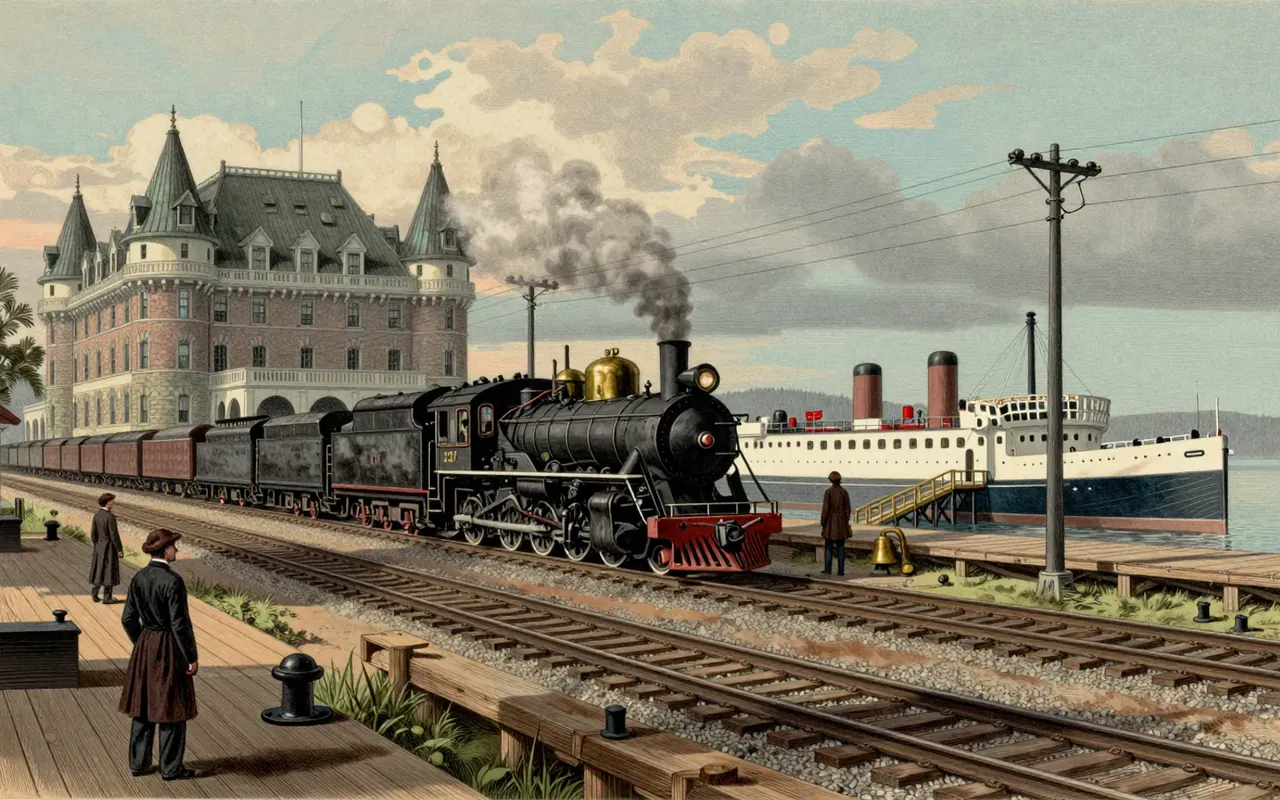
The Canadian Pacific Railway was not a startup, nor a disruptor — it was a state-contracted infrastructure monopoly, executed under tight political deadline and scaled through vertical integration. Van Horne’s genius lay not in invention but in orchestration: he turned a rail line into a self-reinforcing system of movement, messaging, lodging, and shipping — all funded by federal land grants, bonds, and tariffs, not market demand. Its success was geopolitical, not financial; its durability came from control of geography, not innovation.



Biogen is a neurology-focused biotech that built scale via acquisition, not foundational science — and César Milstein, whose hybridoma work underpins modern antibody therapeutics, has no documented relationship to the company.

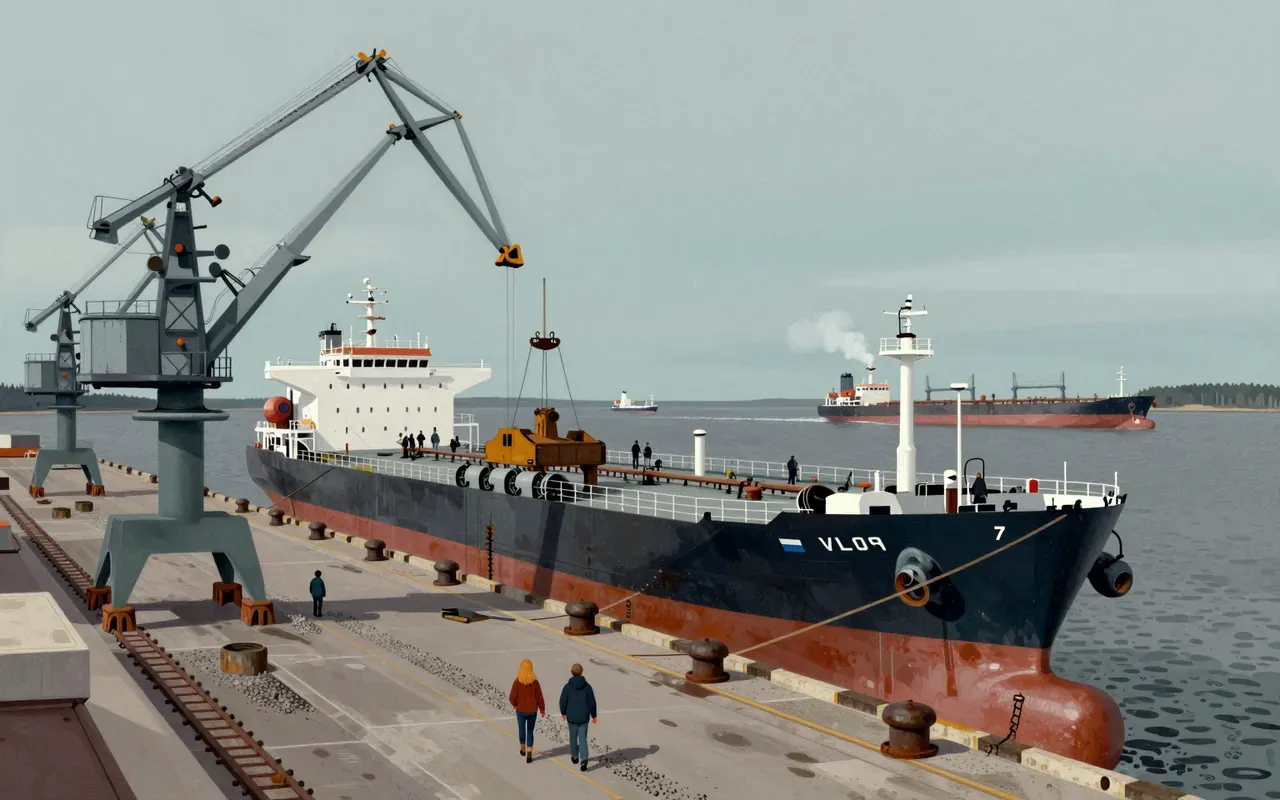
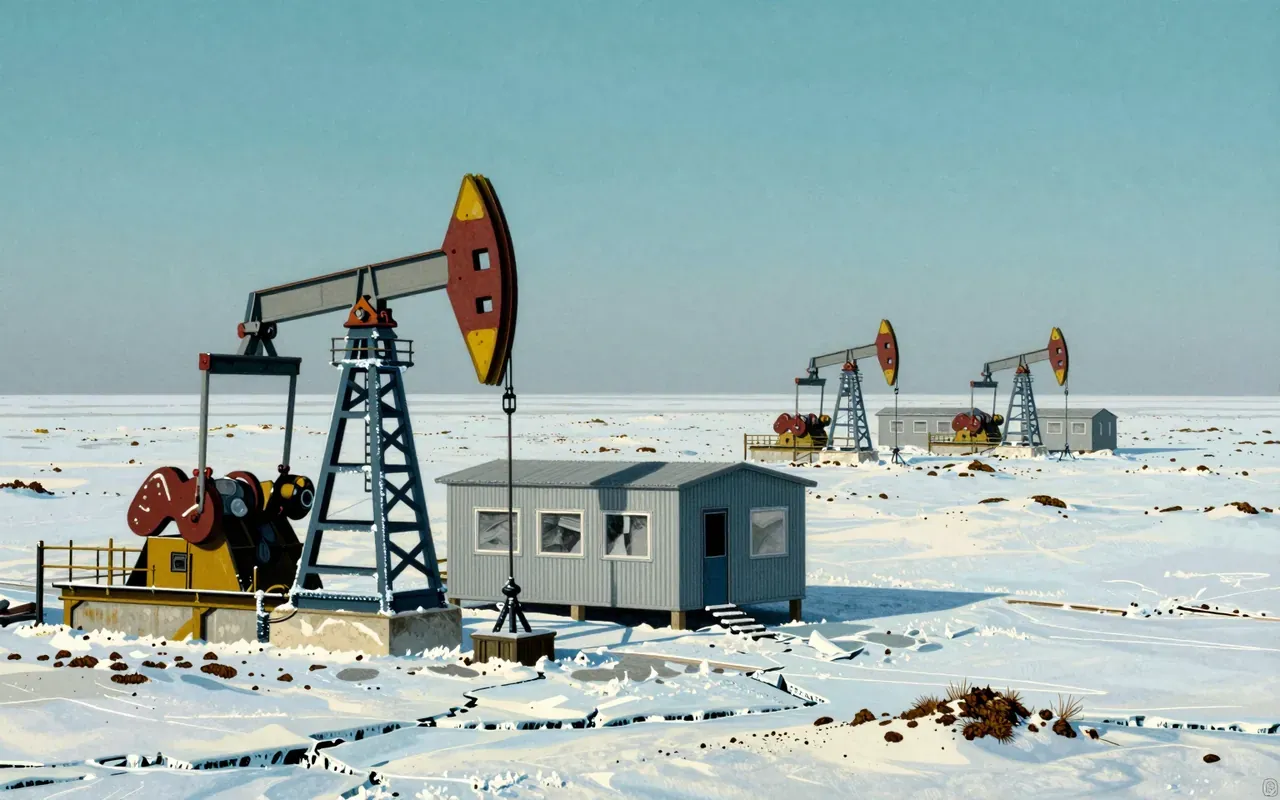
Surgutneftegas is a Russian oil and gas company formed in 1994 by merging state-owned entities holding major Western Siberian reserves. It became a private company in 1993 and has operated under Vladimir Bogdanov’s leadership since. Its business model relies on control of upstream assets, state-granted infrastructure rights, and export relationships — not capital markets, innovation, or transparency.

BT Group is a British multinational telecommunications holding company headquartered in London, England. It operates in around 180 countries and is the largest provider of fixed-line, broadband and mobile services in the UK. Its origins date back to the founding in 1846 of the Electric Telegraph Company. BT Group as it came to be started in 1912, when the General Post Office, a government department, took over the system of the National Telephone Company, becoming the monopoly telecoms supplier in the UK. The Post Office Act of 1969 led to the GPO becoming a public corporation, Post Office Telecommunications. The British Telecom brand was introduced in 1980, and became independent of the Post Office in 1981. British Telecom was privatised in 1984, becoming British Telecommunications plc, with some 50 percent of its shares sold to investors. BT runs the telephone exchanges, trunk network and local loop connections for the vast majority of British fixed-line telephones. The General Post Office (GPO) was the state postal system and telecommunications carrier of the United Kingdom until 1969. Established in England in the 17th century, the GPO was a state monopoly covering the dispatch of items from a specific sender to a specific receiver; it was overseen by a Government minister, the Postmaster General. The GPO was abolished by the Post Office Act 1969, which transferred its assets to the Post Office, so changing it from a Department of State to a statutory corporation. Responsibility for telecommunications was given to Post Office Telecommunications, the successor of the GPO Telegraph and Telephones department. In 1980, the telecommunications and postal sides were split prior to British Telecommunications' conversion into a totally separate publicly owned corporation the following year as a result of the British Telecommunications Act 1981. When new forms of communication came into existence in the 19th and early 20th centuries the GPO claimed monopoly rights on the basis that like the postal service they involved delivery from a sender and to a receiver. The Telegraph Act 1869 conferred on the Postmaster General a monopoly in telegraphic communication in the UK. The Wireless Telegraphy Act 1904, which granted control of radio waves to the General Post Office, who licensed all senders and receivers.

L'Oréal is the world's largest cosmetics company — not because it invented beauty, but because it industrialised chemistry, controlled distribution, and systematised intellectual property.


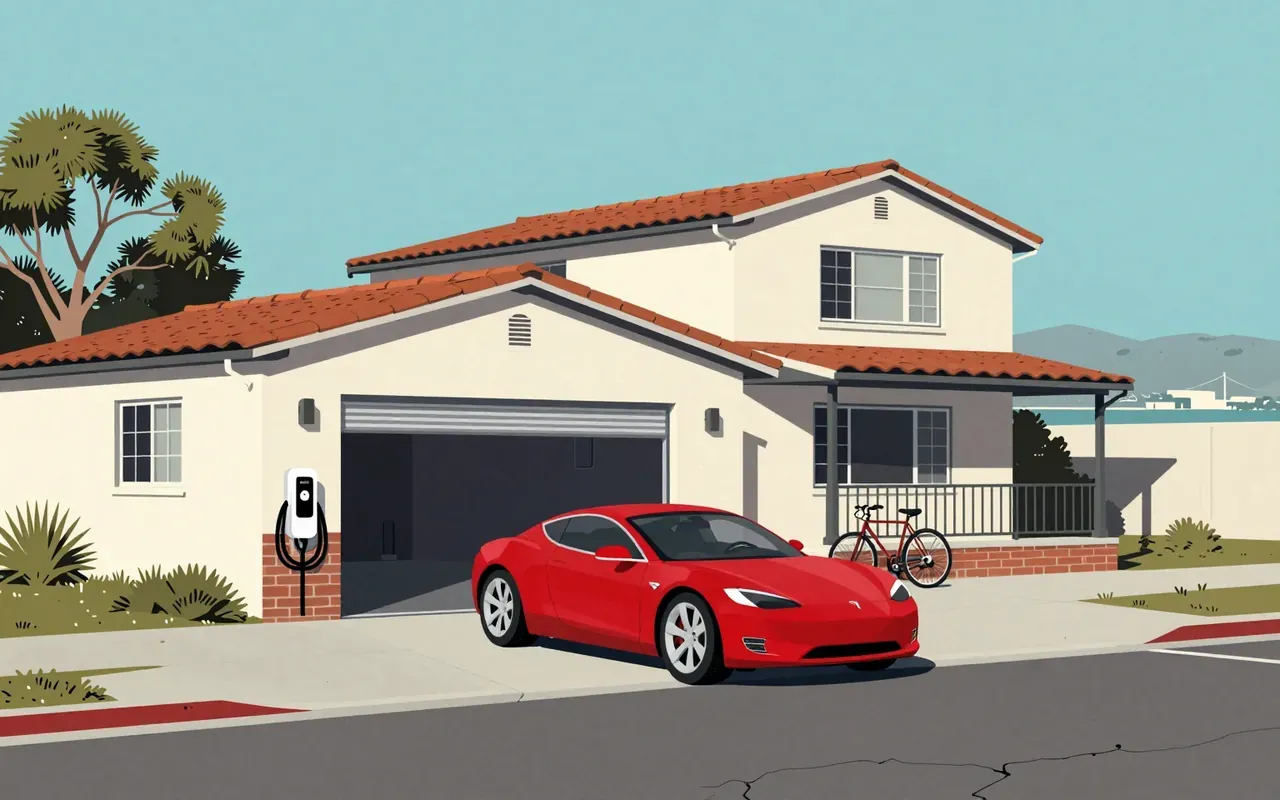
Tesla is not a software or AI company—it is a vertically integrated hardware manufacturer whose valuation rests on future scale, not current unit economics. Its founders were Eberhard and Tarpenning. Musk joined in 2004, led funding, took control, and shaped its public narrative. It sells cars, batteries, and solar—but publishes no per-product margin data. Its market dominance is financial, not operational.