14:40in productionCh. 1 · Origin and listing/ 14:40 · ceiling 15 min
Companies
Trina Solar
1997
A solar company that sells panels while facing forced labour findings, tariff circumvention rulings, and a US military-linked designation.
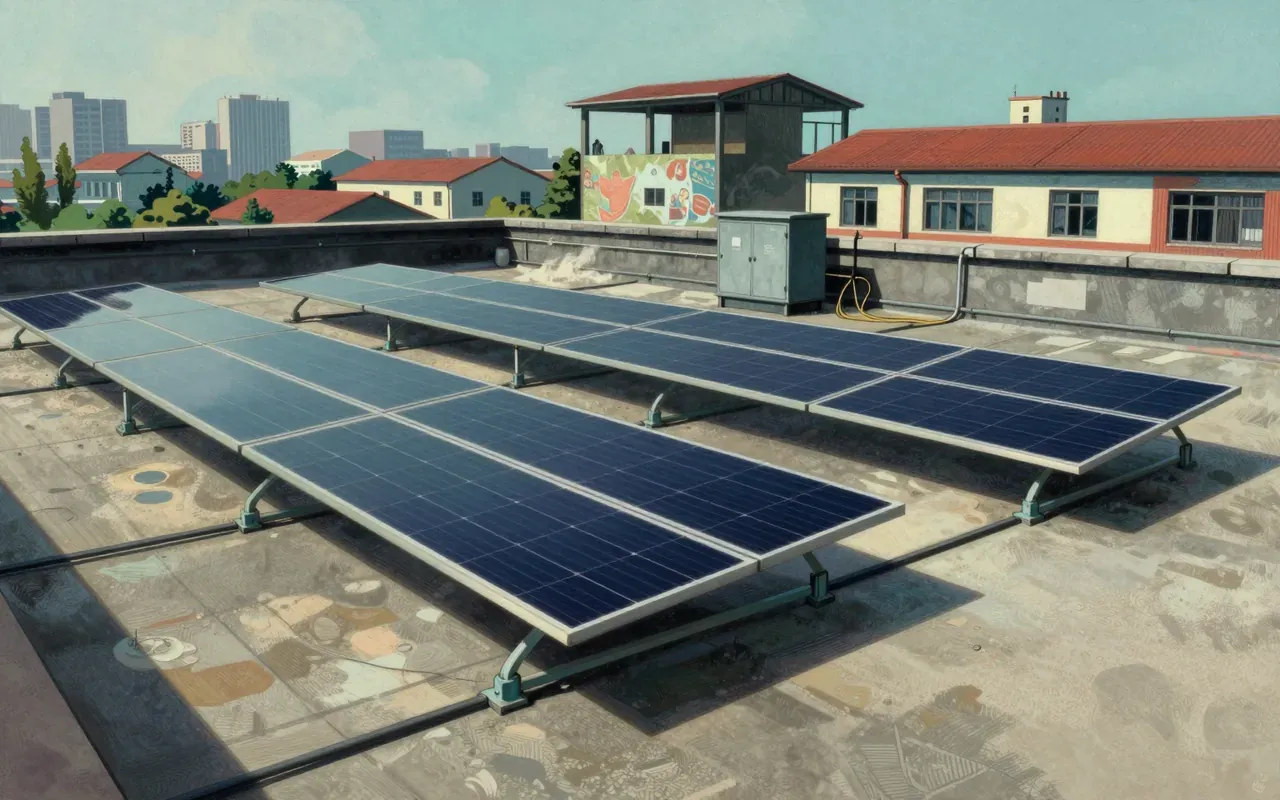
Trina Solar is a Chinese photovoltaics company founded in 1997 by Jifan Gao. It lists on the STAR Market and manufactures solar modules at scale. But its business model depends on supply chains tied to Xinjiang’s forced Uyghur labour, tariff circumvention, and opaque ownership structures — all now formally flagged by US and UK institutions.
Trina Solar is a Chinese PV manufacturer founded in 1997 and listed on the STAR Market in 2020.
2:25
Forced labour exposure
A 2023 Sheffield Hallam University report found Trina Solar had very high exposure to forced Uyghur labor in Xinjiang.
3:52
Tariff circumvention ruling
In August 2023, the US Department of Commerce ruled Trina Solar circumvented tariffs on Chinese-made goods.
5:18
Texas plant sale
Trina Solar sold its Texas plant to T1 Energy one week after opening amid scrutiny of Chinese firms benefiting from the Inflation Reduction Act.
7:10
Military-linked designation
In June 2026, the US Department of Defense added Trina Solar to its list of Chinese military-linked companies.
Worth your time?
Yes. Study the whole thing.
3.5/ 5
What works
global scale in PV module manufacturing
regulatory arbitrage across jurisdictions
branding as a sustainable infrastructure provider
What does not
ethically sourced supply chain
tariff-compliant trade practices
independent corporate governance
Study it if
supply chain auditors
trade policy analysts
ESG investors
Skip it if
clean energy evangelists seeking validation
founder-focused startup readers
The written brief1 min read
What the company or idea is
Trina Solar is a Chinese photovoltaics company founded in 1997 by Jifan Gao.
How it actually makes money
Trina Solar makes money by manufacturing and selling photovoltaic modules, primarily from Chinese production facilities.
What works
Its scale and vertical integration in solar module manufacturing allow it to compete on price in international markets — but only as long as regulatory enforcement remains fragmented or delayed.
What does not
Its claims of ethical sourcing do not hold up against verified findings of high exposure to forced Uyghur labor in Xinjiang.
What to take from it
The gap between Trina Solar’s market positioning as a global green energy leader and its documented entanglement with forced labour, tariff evasion, and military-linked status reveals how sustainability branding can mask systemic compliance failures.
Is it worth your time
Yes — as a case study in how geopolitical risk, supply chain exposure, and regulatory enforcement converge on a global clean energy supplier.