businessbriefs
11:50in productionCh. 1 · The Road Trip Bet/ 11:50 · ceiling 15 min
Companies

Amazon (company)

Amazon didn’t disrupt retail — it built a toll road through every layer of digital commerce and charged everyone to pass.

Amazon is a vertically integrated infrastructure company disguised as a retailer. Its founding was opportunistic, its growth funded by reinvestment, not profit. Its dominance rests on owning the pipes — logistics, compute, storage, and distribution — not the content or brands moving through them.

Chapters & takeaways5
  1. 1:32
    The Road Trip Bet

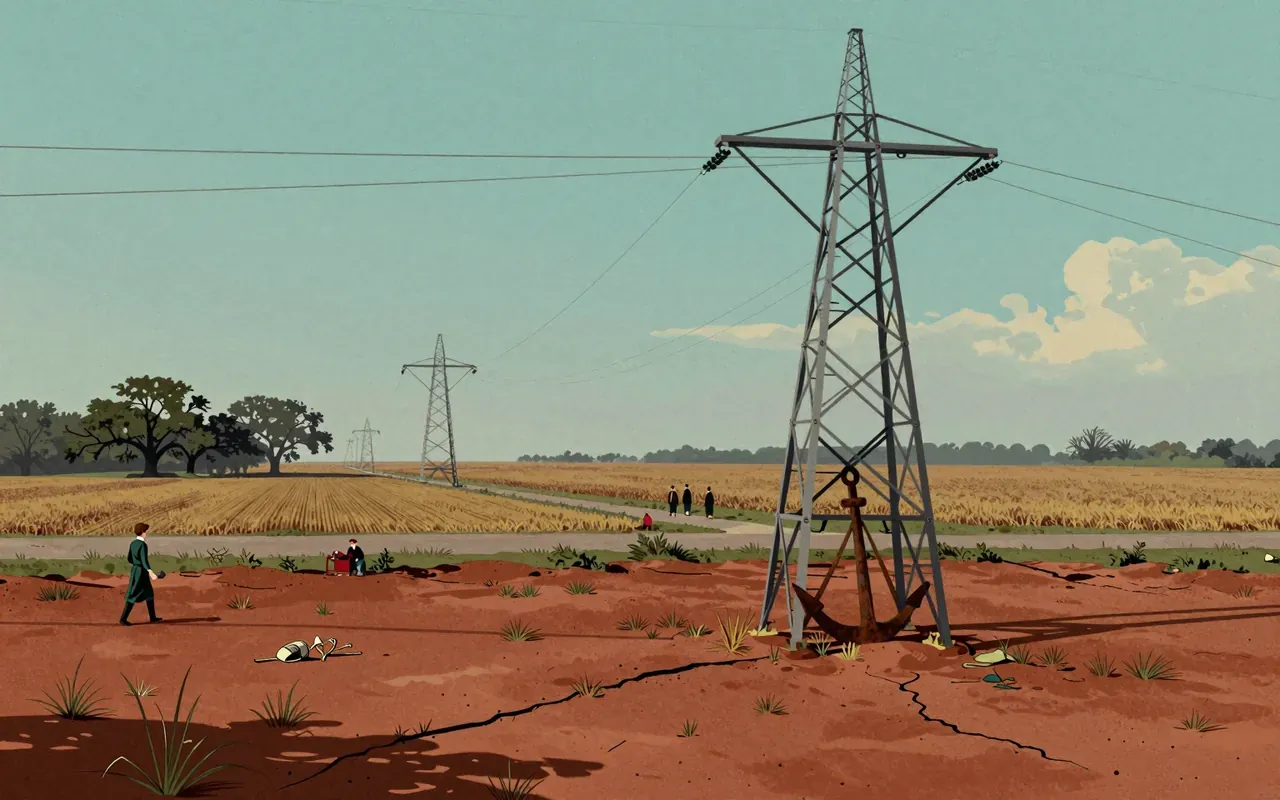
    Amazon began as a calculated bet on web growth — not vision, but arithmetic — launched mid-road trip with no inventory or staff beyond Bezos and Scott.

  2. 3:20
    From Books to Everything (Before Profit)

    It went public in 1997 after diversifying into music and video — proving early that expansion, not profit, was its unit of progress.

  3. 4:39
    Infrastructure as Product

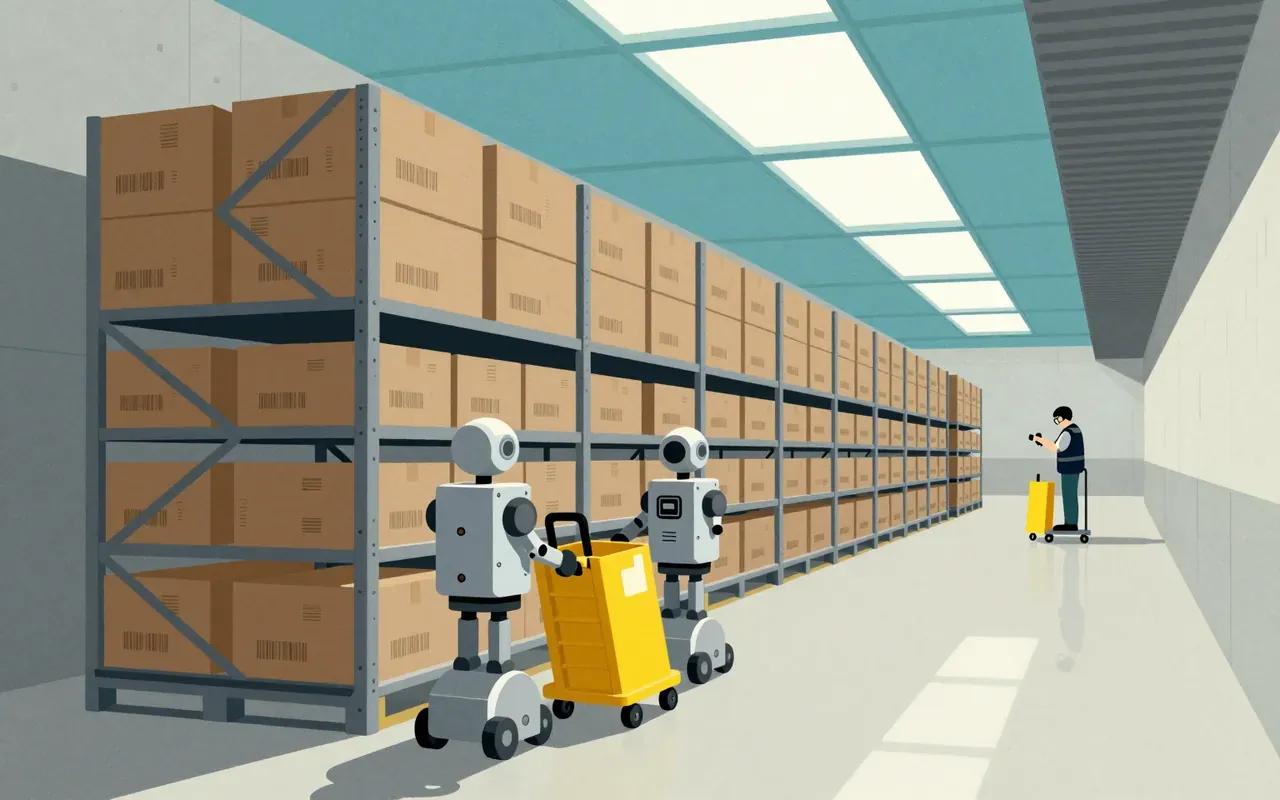
    AWS and Fulfilment by Amazon were not side projects — they were infrastructure turned into products, monetising internal systems before competitors could build alternatives.

  4. 6:23
    Scale Is the Strategy

    By 2026, Amazon was the world’s biggest online retailer and largest Internet company by revenue — outcomes of scale, not novelty.

  5. 8:10
    The Unromantic Mechanics

    Tax advantages and freight negotiations were prioritised over branding — evidence that Amazon’s early discipline was financial, not cultural.

Worth your time?

Yes. Study the whole thing.

4.5/ 5
What works
  • Its model shows how internal systems become external markets — if you build at scale, others will pay to use it.
What does not
  • It does not claim or demonstrate profitability in entertainment or hardware.
Study it if
  • Operators building infrastructure-dependent businesses
Skip it if
  • Founders seeking validation, investors chasing hype, or analysts treating funding as proof
The written brief1 min read

What the company or idea is

Amazon is an American multinational technology company founded in 1994 as an online bookstore, now operating across e-commerce, cloud computing, AI, digital streaming, and online advertising.

How it actually makes money

Amazon makes money from e-commerce sales, third-party seller fees, AWS cloud infrastructure rentals, online advertising, and digital streaming subscriptions.

What works

AWS became the world’s largest cloud infrastructure provider by repurposing internal systems into rentable services — S3 in 2006, EC2 in 2008 — while Fulfillment by Amazon (2006) turned logistics into a scalable revenue stream for third parties.

What does not

Its self-description as ‘The Everything Store’ obscures persistent losses in entertainment and hardware; the documents do not state profitability for those units.

What to take from it

Amazon’s growth was methodical: it built infrastructure (warehouses, APIs, data centres) first, then monetised access to it — not by selling ideas, but by renting capacity.

Is it worth your time

Yes — its scale, infrastructure reuse, and vertical integration reveal how platform economics compound when capital, data, and logistics converge.


Same desk · Companies4 of 208
Up next in Business

Anthropic

Dario Amodei & Daniela Amodei · 2021 · 10:55

A safety-first AI firm that paid $1.5bn for pirated books—and then built a machine to scan every book in the world.

10:55