Breakup of the Bell System
Antitrust didn’t break the monopoly — it just gave the pieces new names and a ten-year lease on independence.



Biocon is a rare case of a biotech company built without VC, without US incorporation, and without founder exit—its growth was constrained and enabled by Indian law, not Silicon Valley logic.
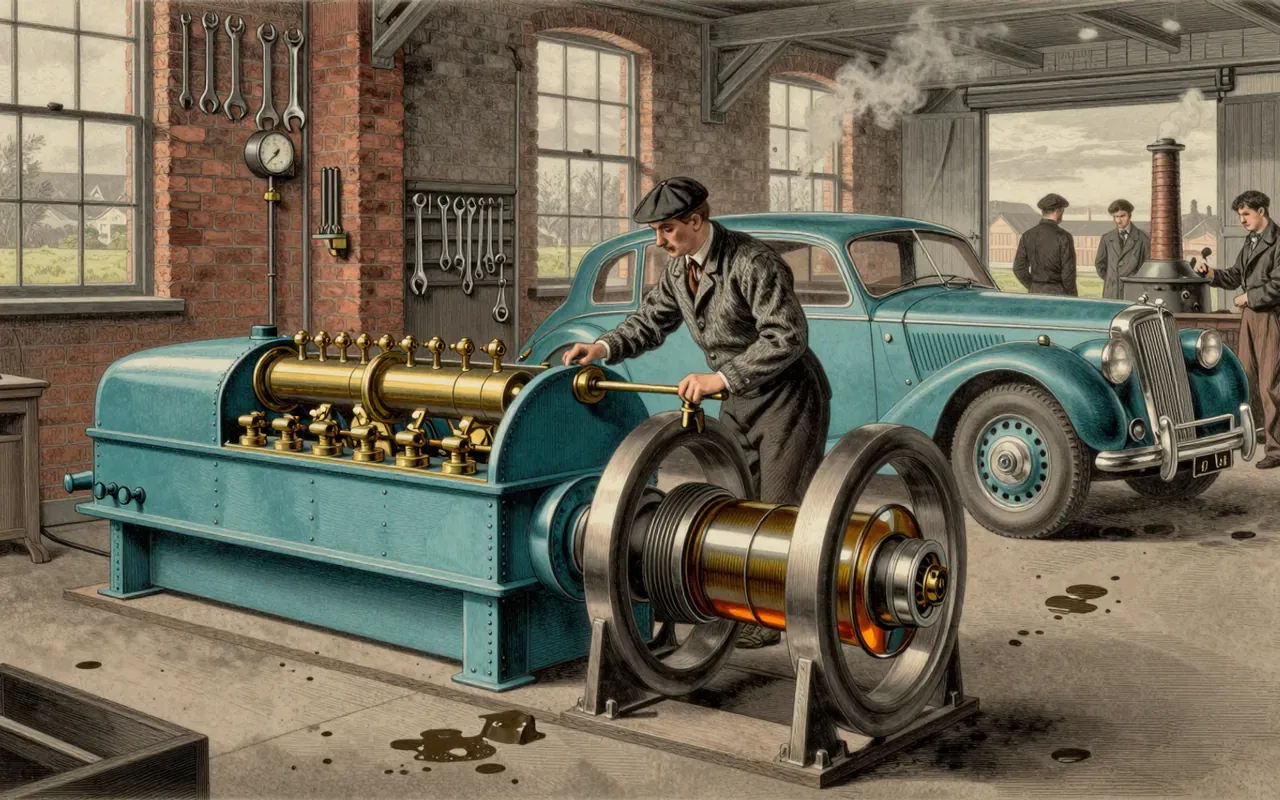
The Daimler Company was a British motor vehicle manufacturer founded in London in 1896, with manufacturing based in Coventry; it acquired rights to the Daimler name from Gottlieb Daimler and Daimler-Motoren-Gesellschaft; underwent reorganisation in 1904 and was purchased by BSA in 1910; absorbed the Lanchester Motor Company in 1933; held a Royal Warrant from 1902 until the 1950s; employed distinctive technologies including the Daimler-Knight engine, worm gear final drive, and patented fluid flywheel with Wilson preselector gearbox; and was dissolved on 23 December 2025 after years of dormancy.
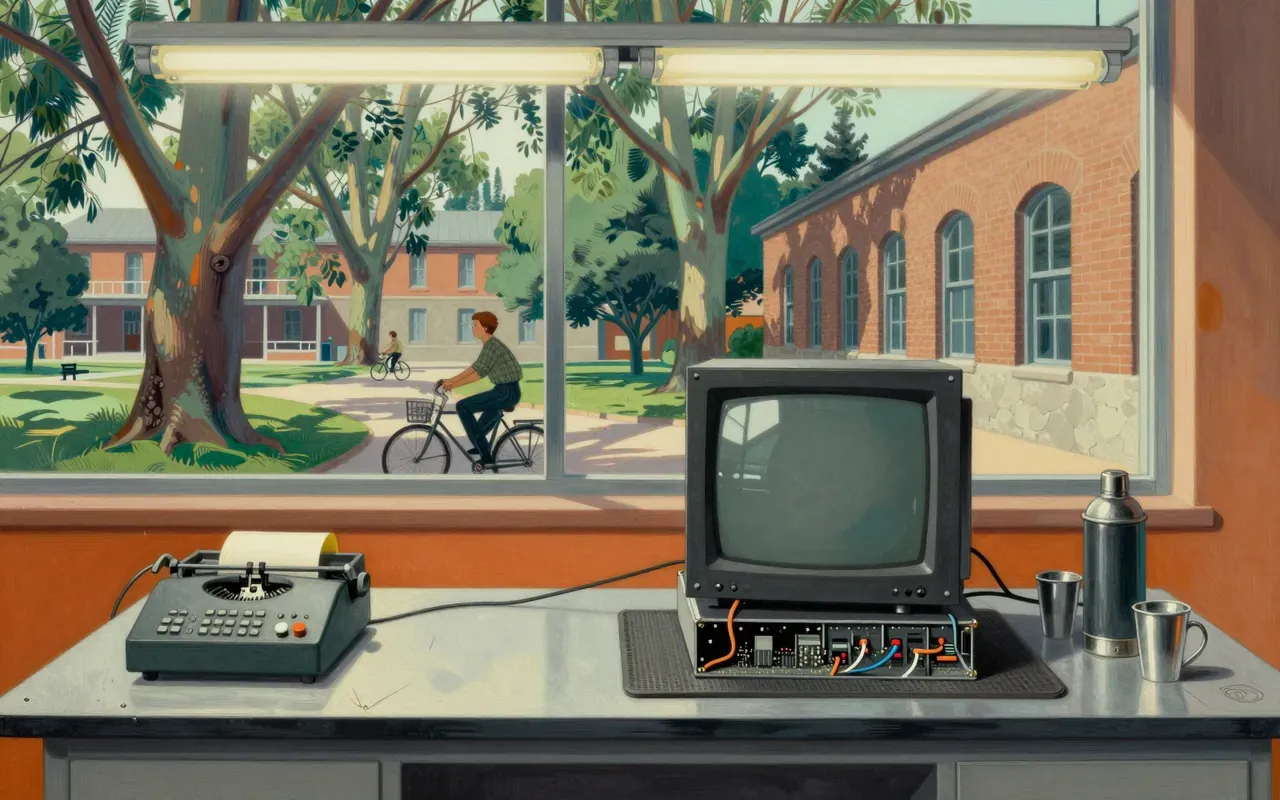

Intel is a foundational semiconductor company whose business model pivoted from memory to microprocessors—and whose lasting leverage came from controlling the x86 instruction set, not just fabrication.
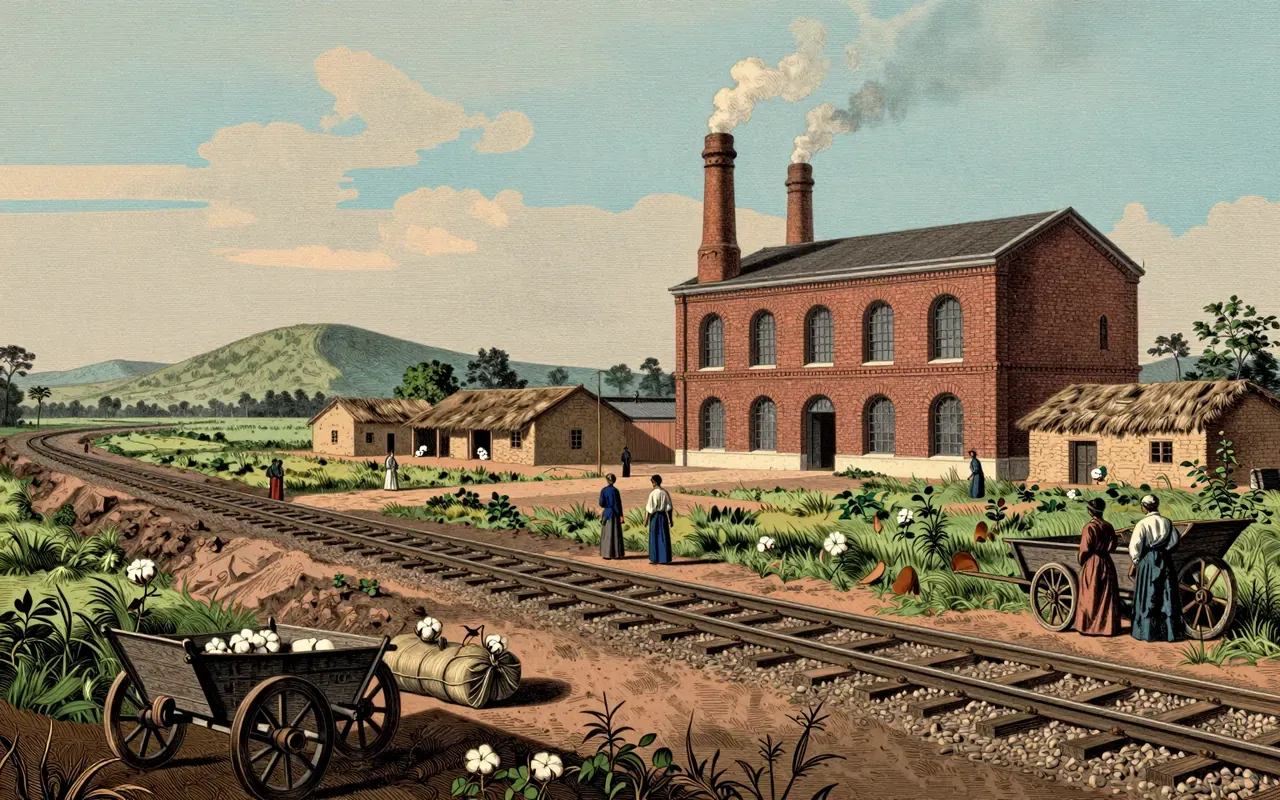
Tata Group is India’s oldest and largest conglomerate — founded in 1868, built on cotton, steel, and infrastructure — not software, algorithms, or venture rounds.


Starbucks is the world’s largest coffeehouse chain. It was founded in 1971 in Seattle as a coffee bean wholesaler. Howard Schultz transformed it into a company-owned coffeehouse chain serving espresso-based drinks. As of November 2022, it operated 35,711 stores in 80 countries. It held an IPO on June 26, 1992, raising $271 million to double its store count. It credits its growth to rejecting domestic franchising and positioning stores as social hubs — driving the second wave of coffee culture.
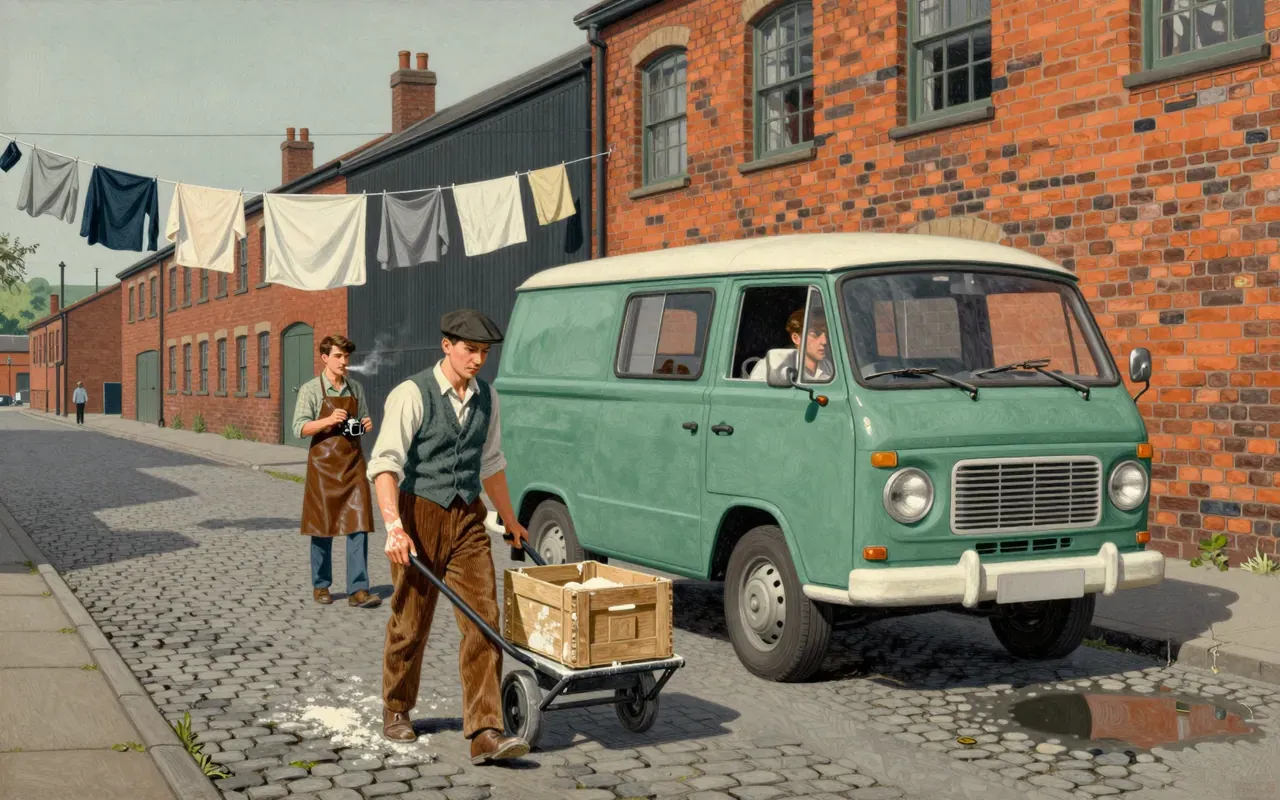
Asda's origin story is a case study in opportunistic capital allocation — not disruption. It used regulatory shifts, tax law, and real estate terms to scale before it had a coherent brand or national footprint.
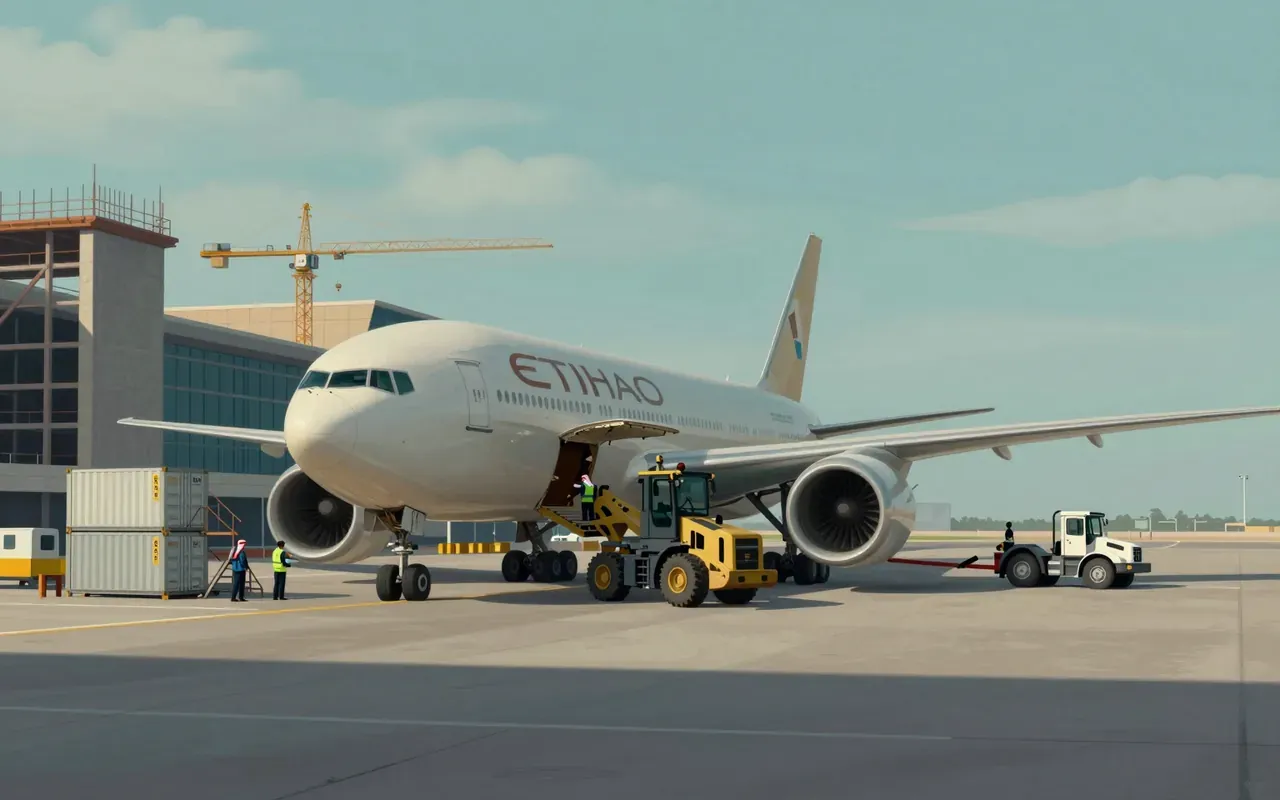
Etihad Airways is a state-owned UAE flag carrier launched in 2003 to project national presence globally. It operates passenger, cargo, and holiday services from Zayed International Airport using a fleet of 107 aircraft. It is the second-largest airline in the UAE after Emirates. Its business model relies on sovereign backing—not unit economics—to sustain scale beyond its home market’s natural demand.
PepsiCo is a post-1965 corporate construct. Its name recalls, but does not continue, Caleb Bradham’s 1893 pharmacy invention — a digestive soda that failed because of commodity price risk, not brand weakness.
Stripe is infrastructure, not finance. It sells developer convenience — not banking services. Its $159bn valuation rests entirely on volume processed, not revenue disclosed, margins proven, or ownership of capital.
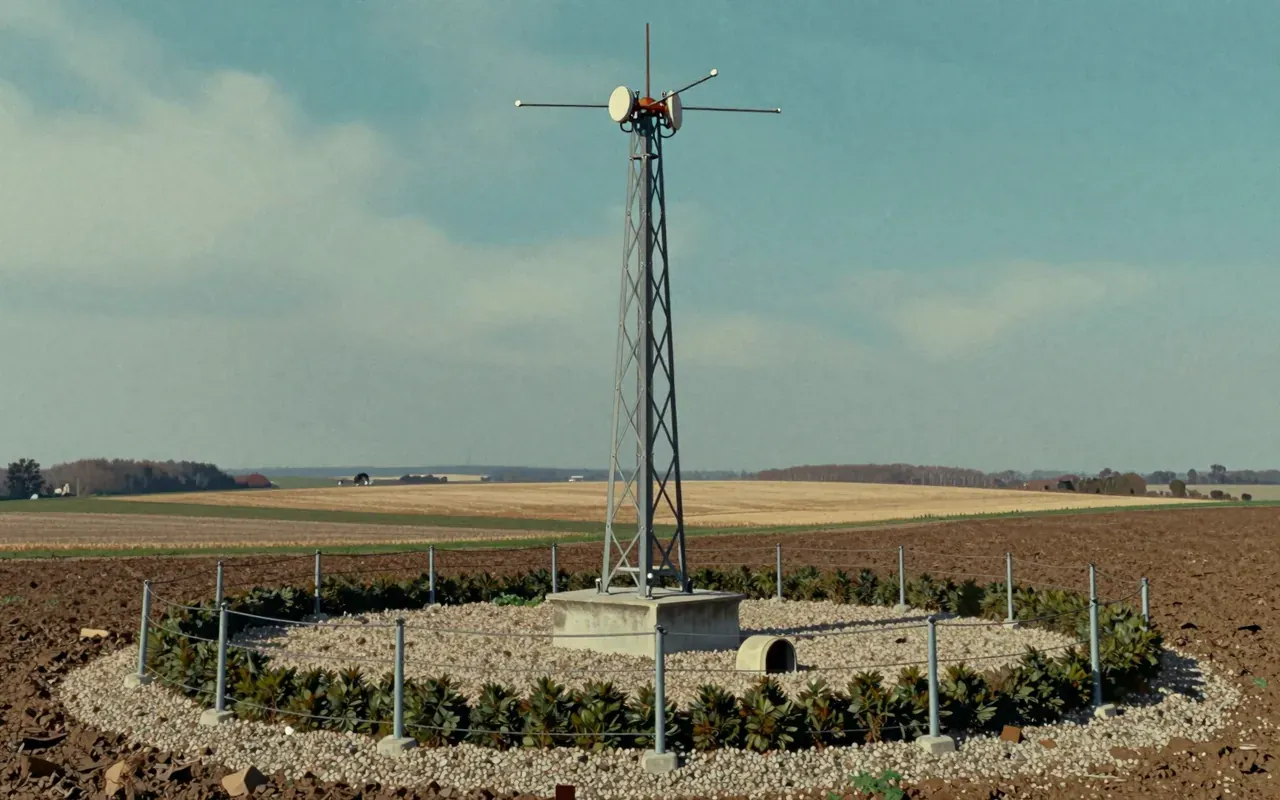

Apple Inc. was founded in 1976 to market Wozniak’s Apple I. It achieved early success with the mass-produced Apple II. It pioneered graphical user interfaces via the Lisa (1983) and Macintosh (1984), launching desktop publishing in 1985 with the LaserWriter. Internal conflict led to Jobs’s 1985 departure. By 1997, Apple was losing money and failing to deliver a modern OS — prompting acquisition of NeXT and Jobs’s return as CEO. NeXTSTEP became the foundation of Mac OS X. Apple’s revival was structural, not inspirational.
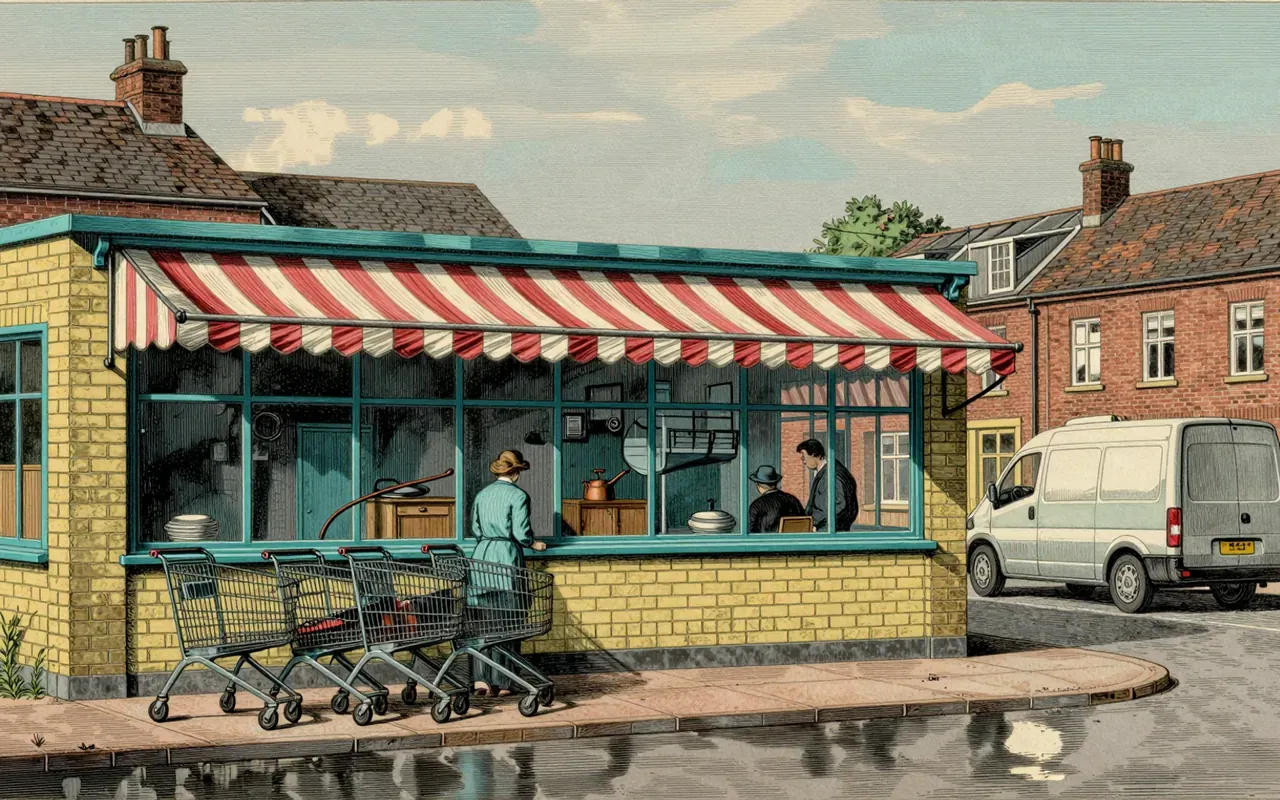
Morrisons is a UK supermarket chain founded in 1899 as an egg and butter stall in Rawson Market, Bradford. It grew regionally until the 2004 Safeway acquisition gave it national reach across Great Britain and one store in Gibraltar. As of 2021, it operated 497 stores, employed 110,000 people, and served ~11 million customers weekly. It was listed on the London Stock Exchange until its October 2021 acquisition by Clayton, Dubilier & Rice. Since then, it has struggled financially and fallen to fifth place in UK market share (8.6%), overtaken by Aldi in September 2022.
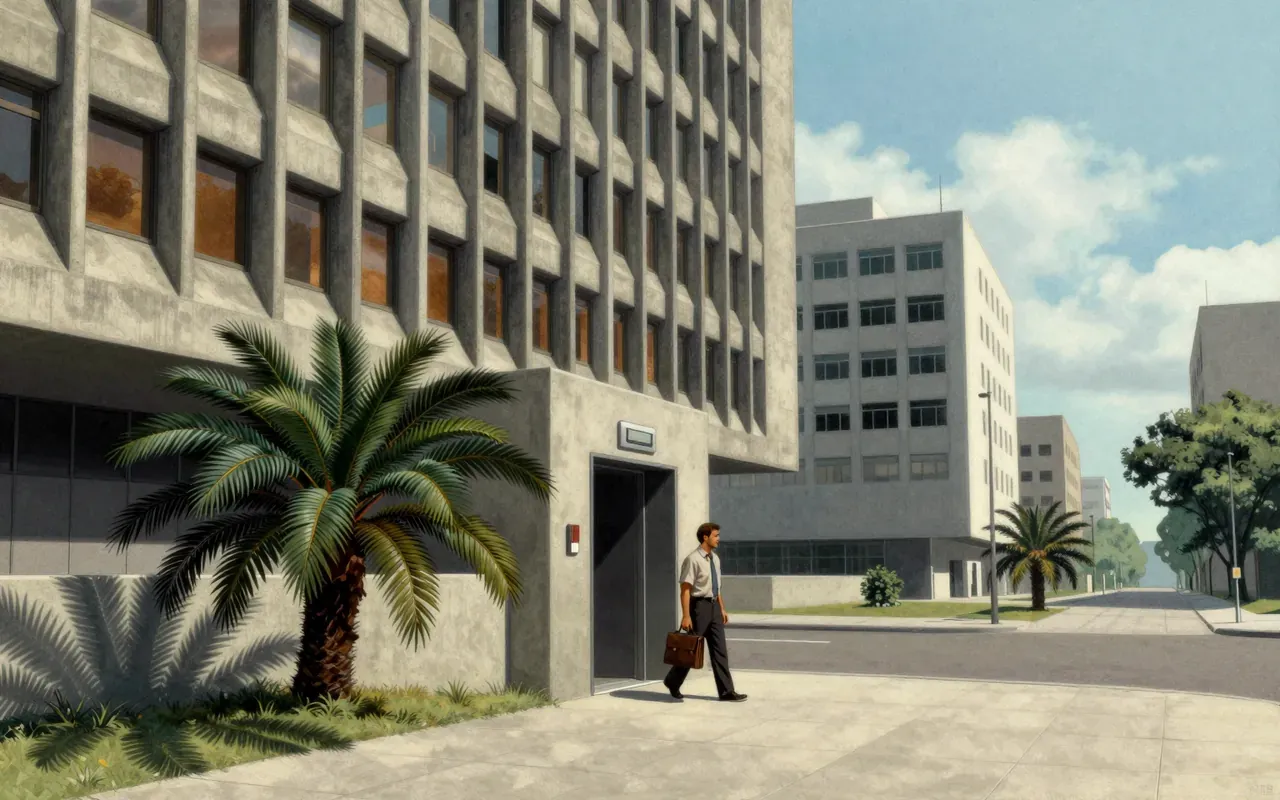
Ambev is a case study in consolidation-driven profitability — not product-led growth. Its value came from regulatory navigation, cost discipline, and geographic sequencing, not brand, taste, or technology. It shows how monopoly conditions can be manufactured where competition is weak, not defeated.
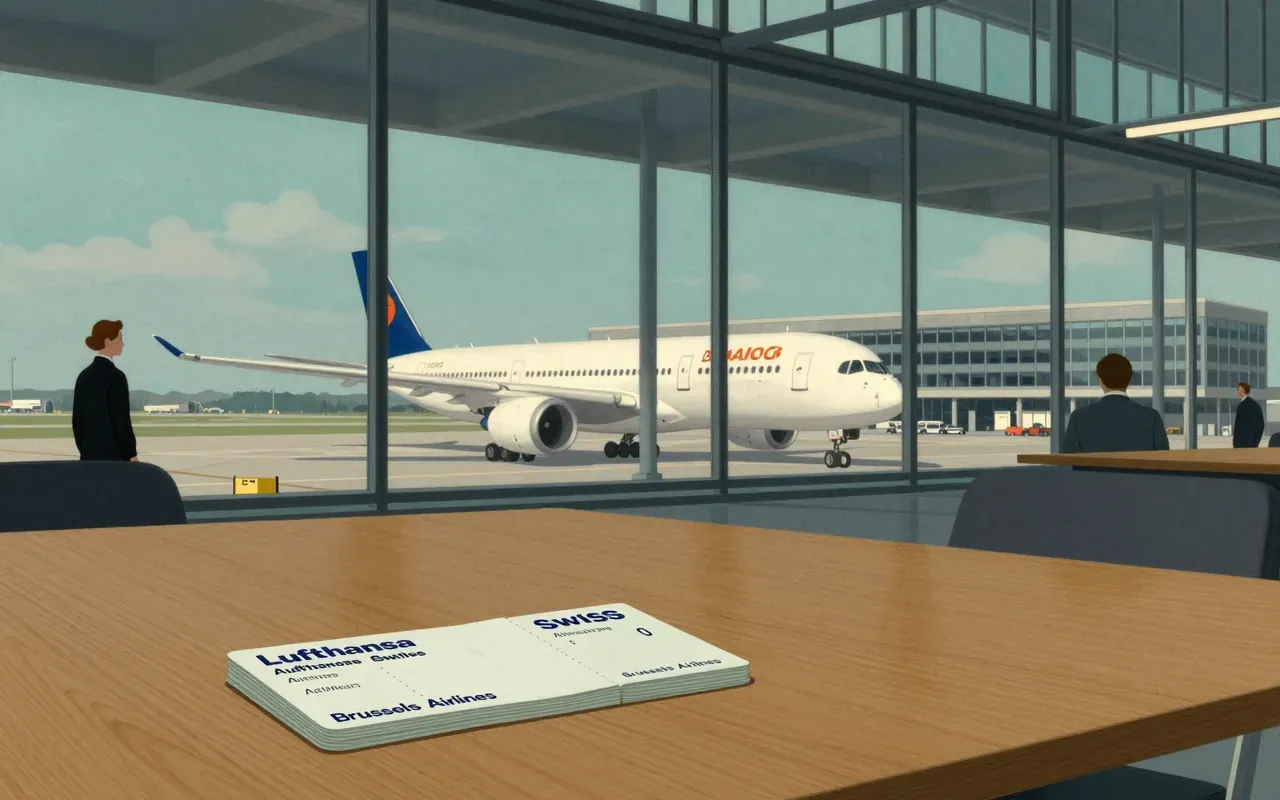
RTL Group is a broadcast-first European media operator built through merger, not innovation. Its structure reflects regulatory fragmentation, not technological ambition.
General Electric was a financial construct, not an inventive one. Its formation marked the moment capital overrode authorship — and Edison became a brand, not a boss.

Microsoft’s founding was not about building the best software first — it was about controlling the terms of distribution before the market existed. Its early success came from timing, contractual foresight, and treating software as licensable intellectual property — not a service or craft. The company established the template for platform leverage in computing: own the interface, not the hardware.

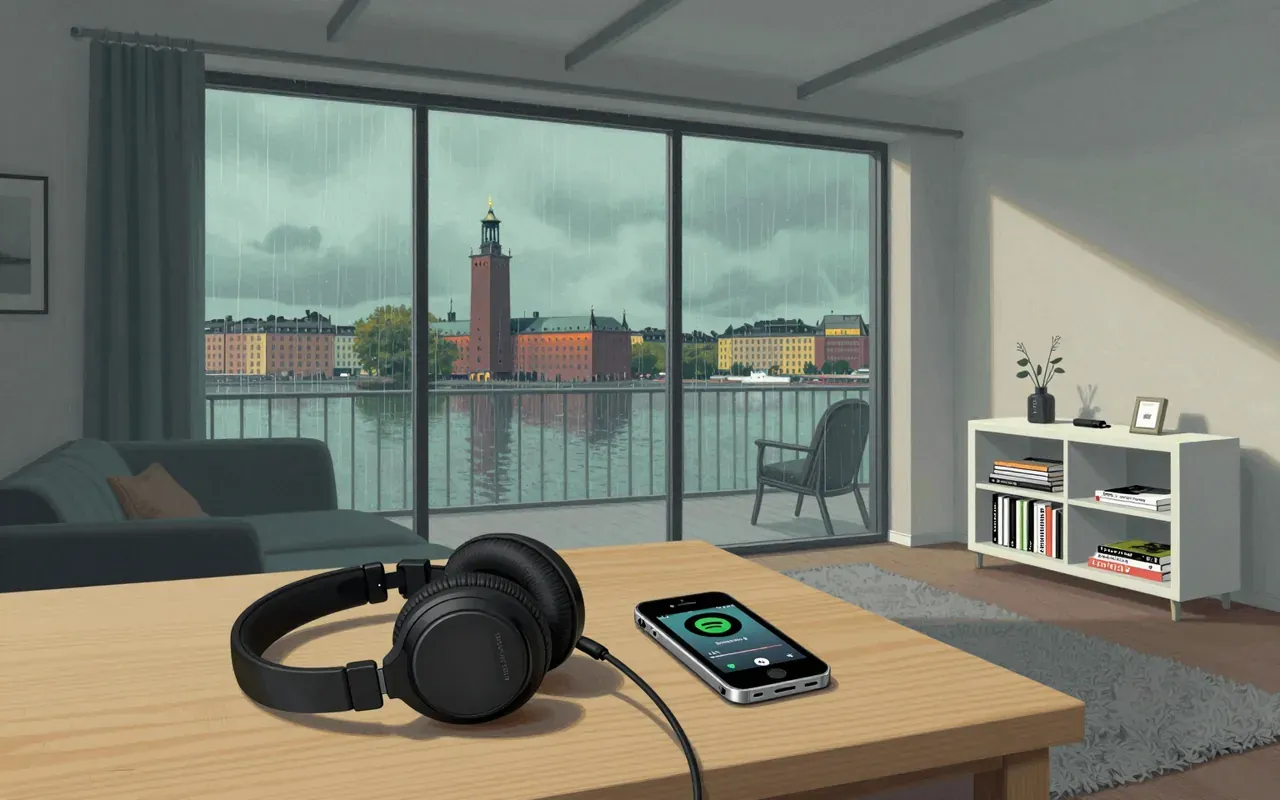
Spotify is a Swedish music streaming service founded in April 2006 by Daniel Ek and Martin Lorentzon. It operates under a freemium model, offering DRM-protected audio content—including over 100 million songs and 7 million podcasts—from record labels and media companies. Royalties are distributed based on stream share rather than fixed per-unit payments, with ~70% of revenue going to rights holders. It became publicly traded on the NYSE in April 2018 and reported its first profitable year in fiscal 2024. As of March 2026, it served over 777 million monthly active users and 300 million paying subscribers.

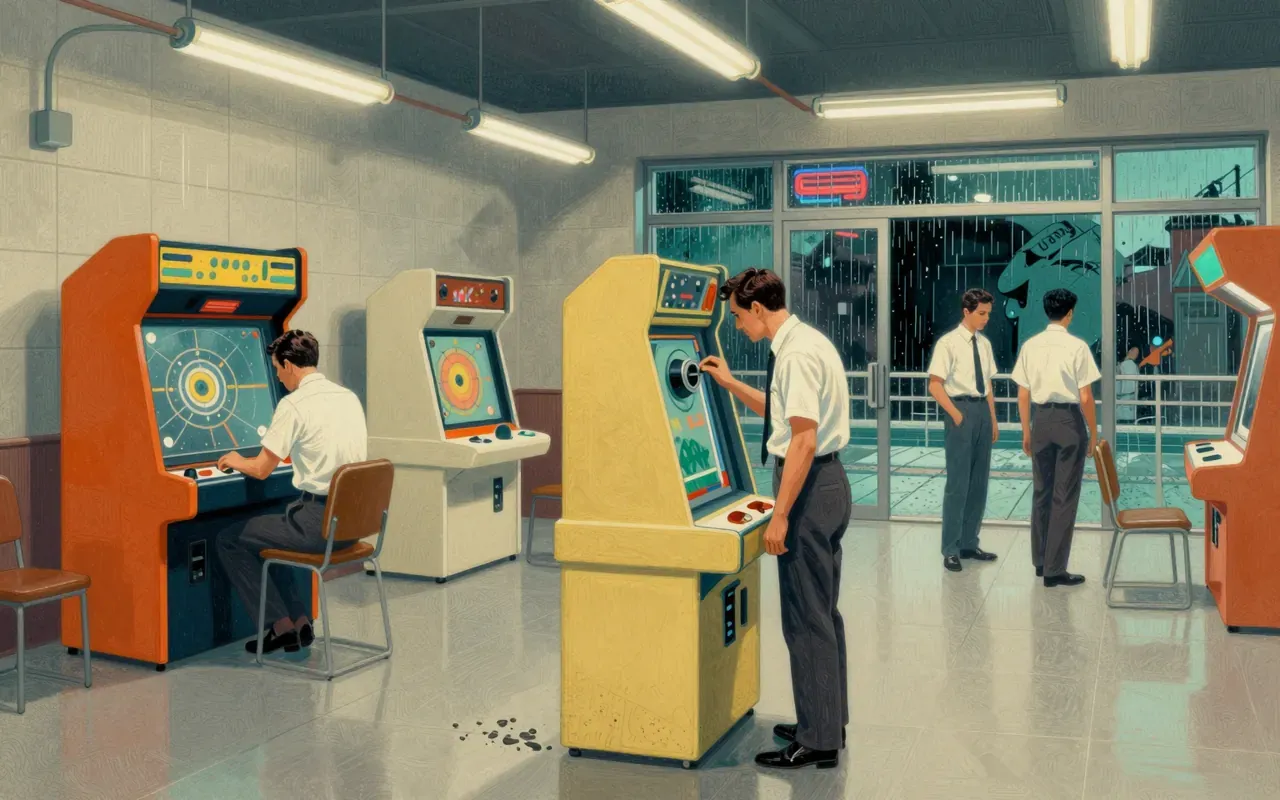
Sega’s story is not about innovation or disruption — it is about sequential exit: from import to manufacture, from coin-op to console, from hardware to software. Its survival post-2001 rests on what it built before it tried to compete with Nintendo and Sony — arcade scale and Sonic.


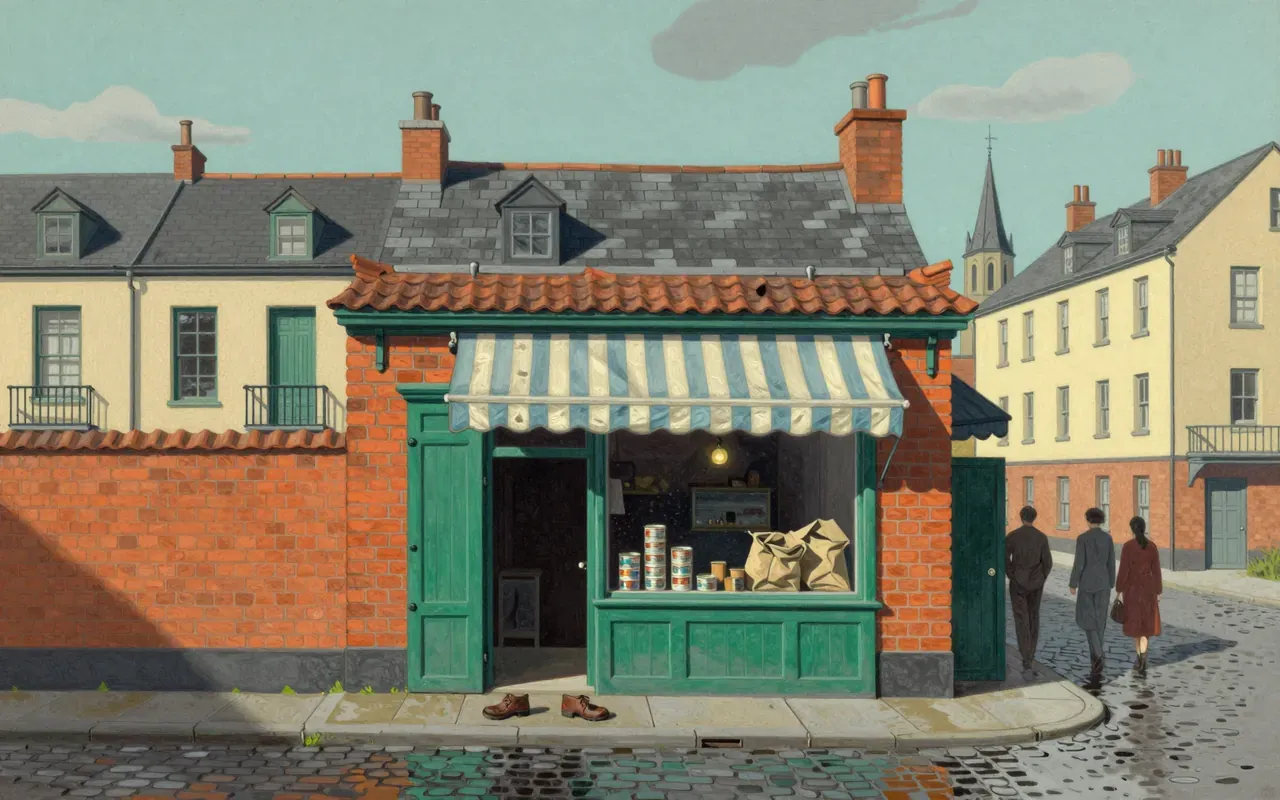
Aldi is not a single company. It is two legally and financially separate firms — Aldi Nord and Aldi Süd — born from a 1960 split triggered by a disagreement over cigarettes. They share a name, a cost-cutting method, and a lineage, but no ownership, no shared board, and no central strategy. Their model works because it eliminates variables: no fresh produce, no advertising, no unsold stock, no large stores, no rebates beyond the legal 3%. By 1960, that method had scaled to 300 stores. Family control ended by 2002. The business survives not through narrative, but through subtraction.

Meta Platforms is a vertically integrated advertising monopoly masquerading as a metaverse infrastructure company. Its business model is simple and brittle: monetise attention at scale. Its strategy is contradictory: spend billions on speculative futures while refusing to decouple from surveillance-based ads. Its governance is absolute: Zuckerberg controls votes, vision, and compensation.
Shell plc is a British multinational oil and gas company formed in April 1907 through the merger of Royal Dutch Petroleum Company and The 'Shell' Transport and Trading Company — founded in 1897 by Marcus Samuel and his brother. It is vertically integrated across exploration, production, refining, transport, distribution, marketing, petrochemicals, power generation, and trading. It was the ninth-largest corporate greenhouse gas emitter (1988–2015). In 2004, it overstated oil reserves, triggering a £17 million fine and leadership change. In 2021, it rebranded from Royal Dutch Shell plc to Shell plc.

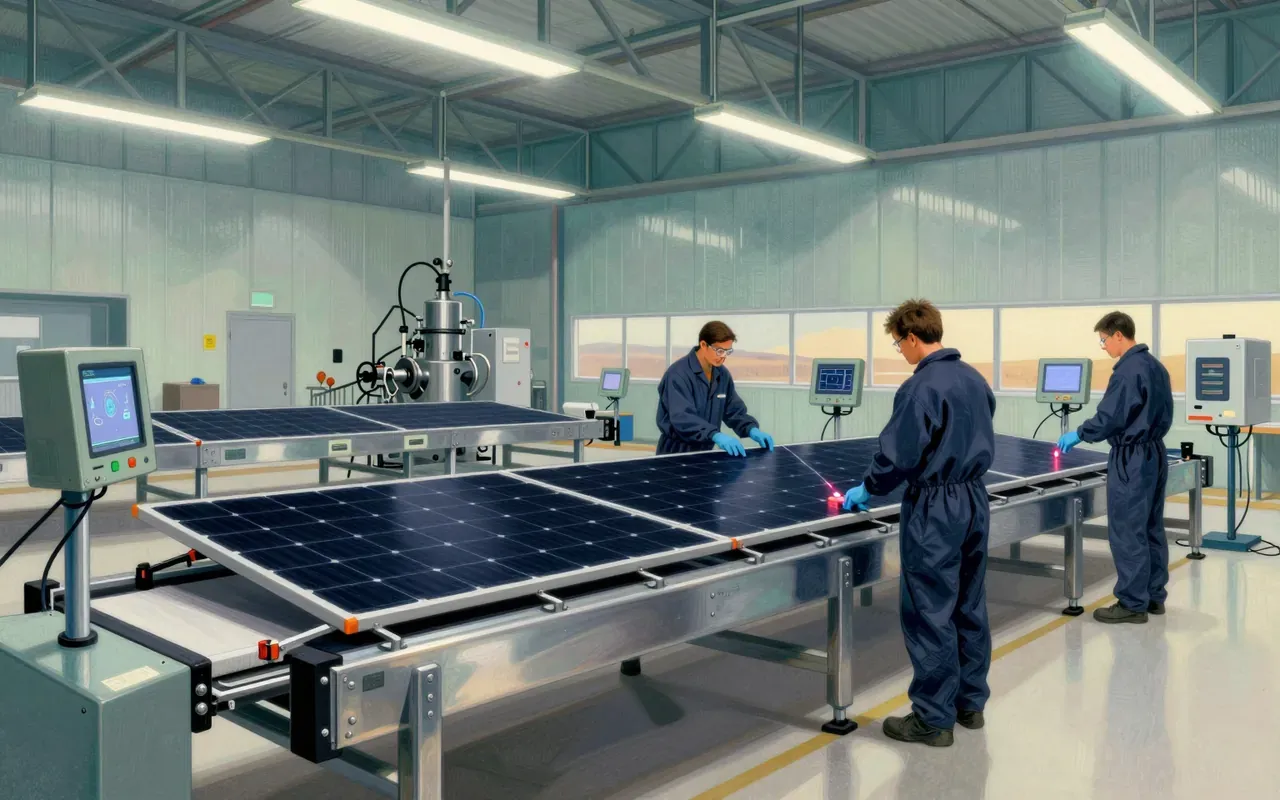
First Solar is a U.S. solar panel manufacturer that builds cadmium telluride (CdTe) thin-film modules in domestic factories. It was founded in 1990 as Solar Cells, Inc. by Harold McMaster, acquired and rebranded in 1999, and went public in 2006. Its technology diverges from mainstream silicon PV. As of March 2026, it had ~14 GW of annual domestic nameplate capacity across facilities in Ohio, Alabama, and Louisiana. It does not produce silicon panels, does not operate overseas factories, and does not integrate storage or software.
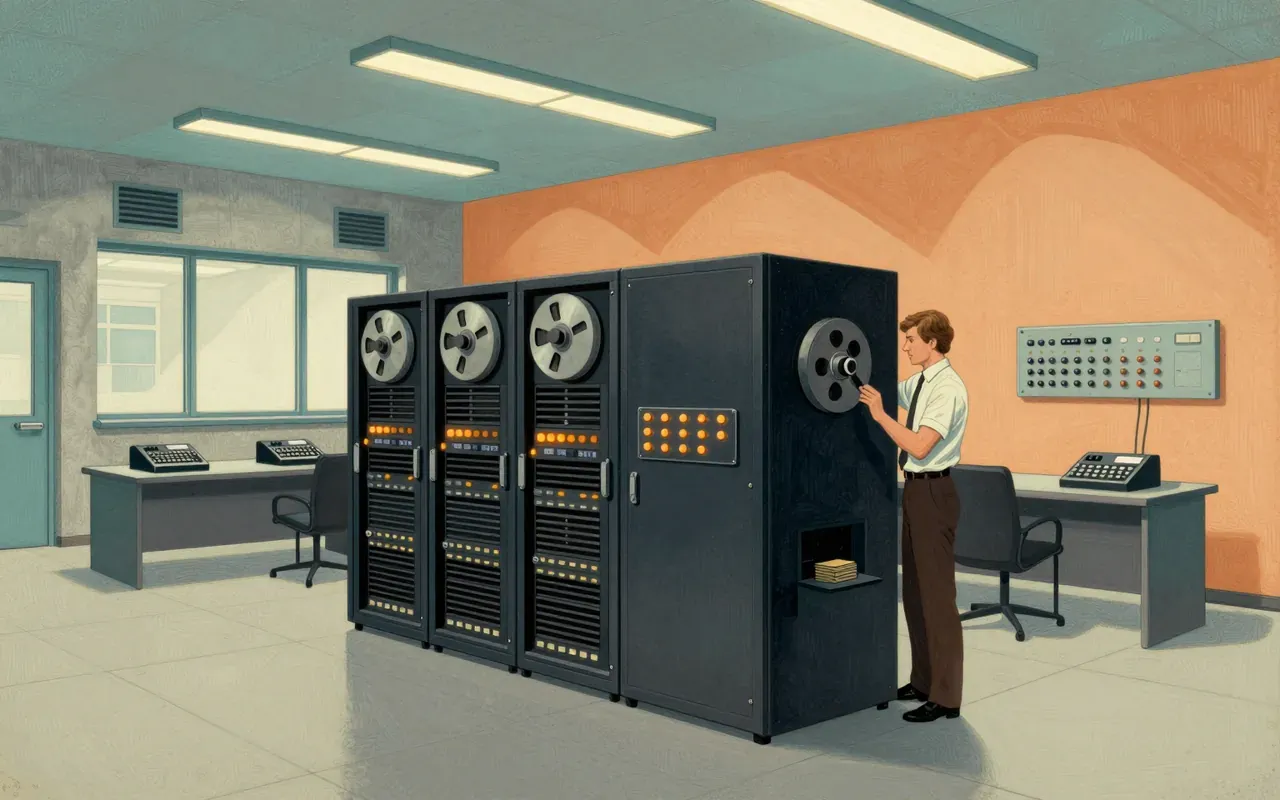
SAP is the world's largest vendor of enterprise software. Founded in 1972 in Walldorf by Dietmar Hopp and four former IBM colleagues, it built its first product—the RF financial accounting system—in 1973 for Imperial Chemical Industries in Östringen. Its technical distinction was real-time operation via local electronic storage and a common logical database, eliminating overnight punch card processing. It restructured from GbR to GmbH (1981), to AG (late 1980s), to SE (2014). Hopp led SAP from 1988 to 2005 and retained ~10% equity.
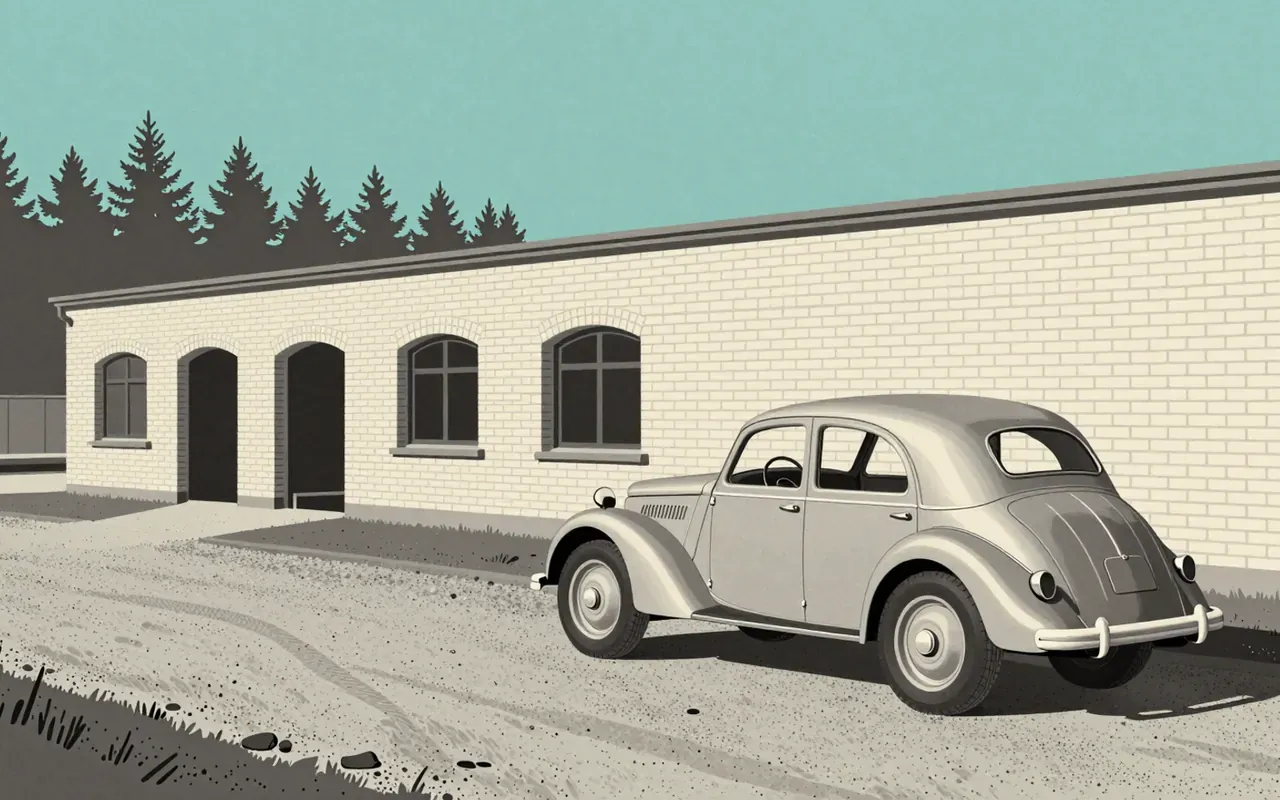
Volkswagen was a Nazi state project designed by Ferdinand Porsche, funded by coerced public savings, and diverted entirely to military production. Its 'people’s car' promise was broken before delivery — yet its engineering outlived its ideology.
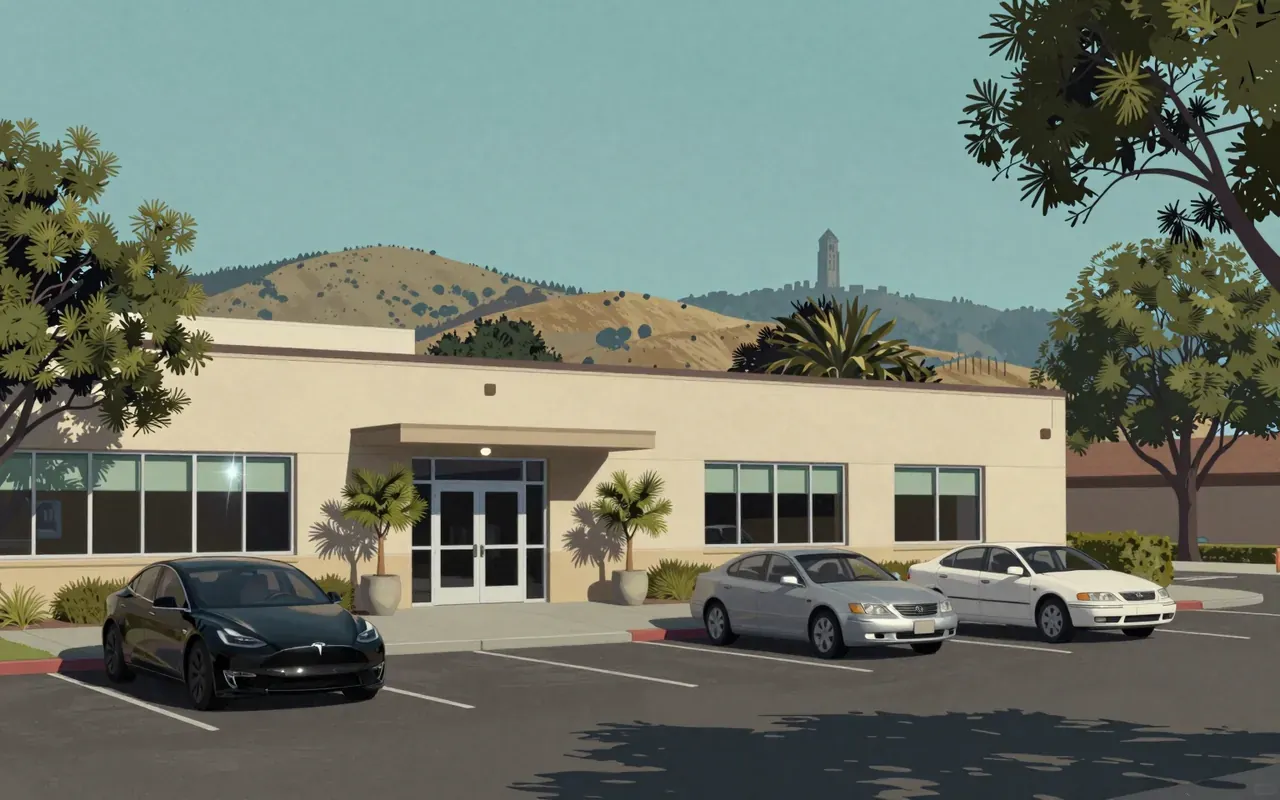
Theranos was a health technology company founded in 2003 in Palo Alto, California, that falsely claimed to perform rapid, accurate blood tests using minimal blood volume via proprietary devices; investigations revealed it relied on conventional machines, produced inaccurate results, voided two years of Edison data, and misrepresented its capabilities to investors, partners, and regulators.
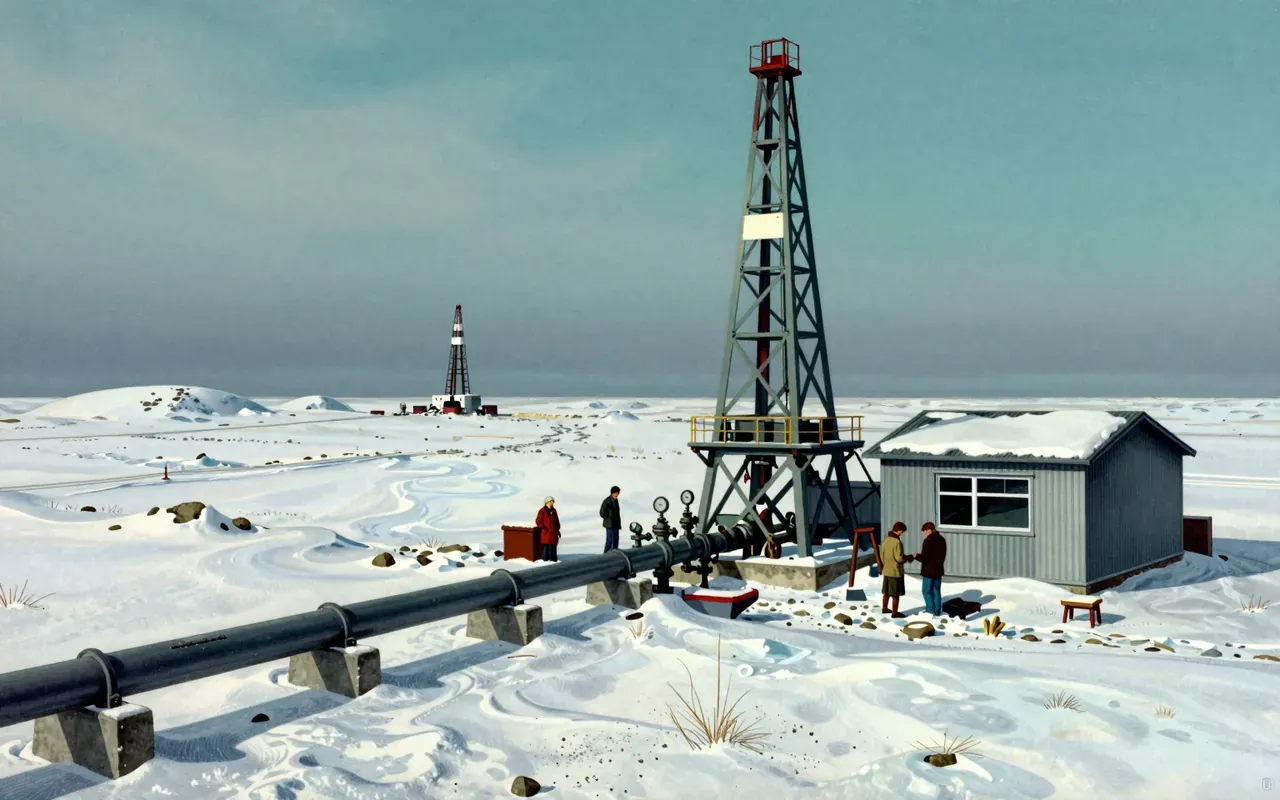

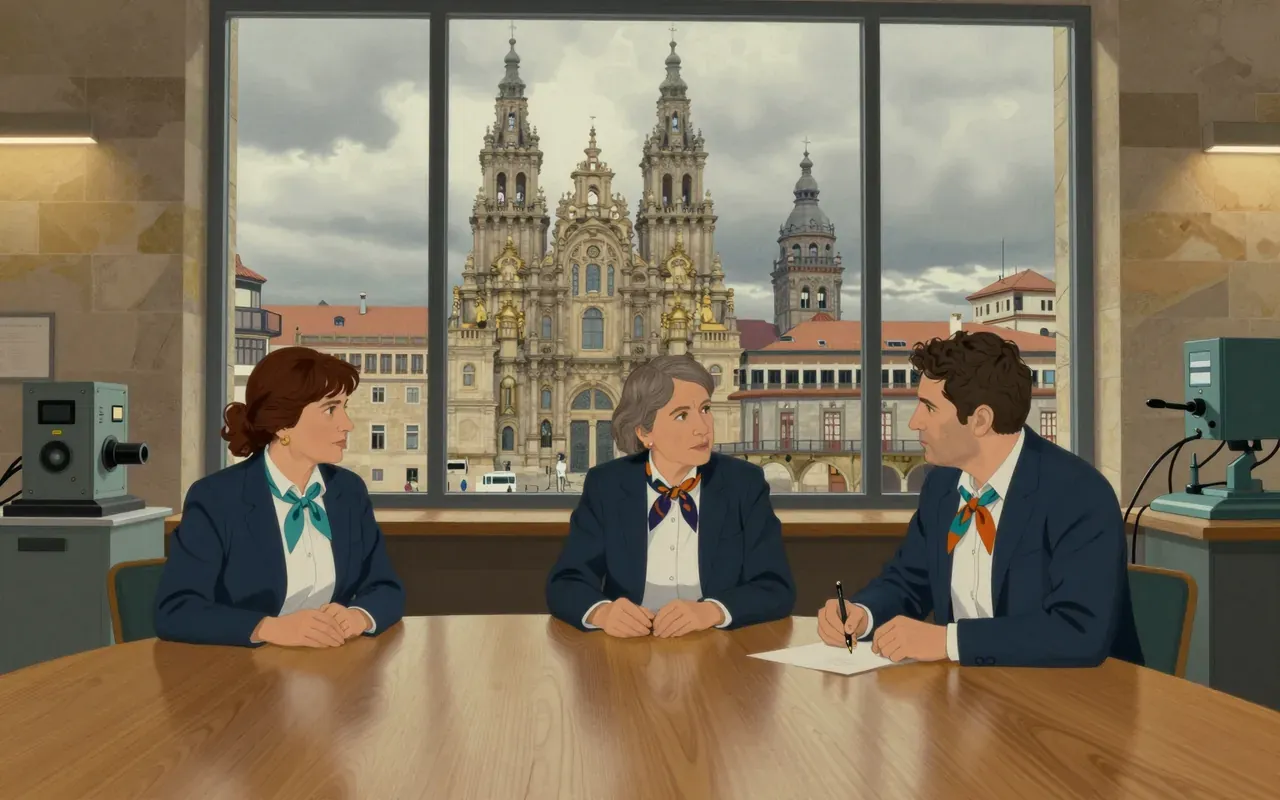

Walmart’s early success was mechanical, not magical. It used known levers — location, transport, procurement — with unusual discipline. Its story is not about disruption but about execution fidelity.
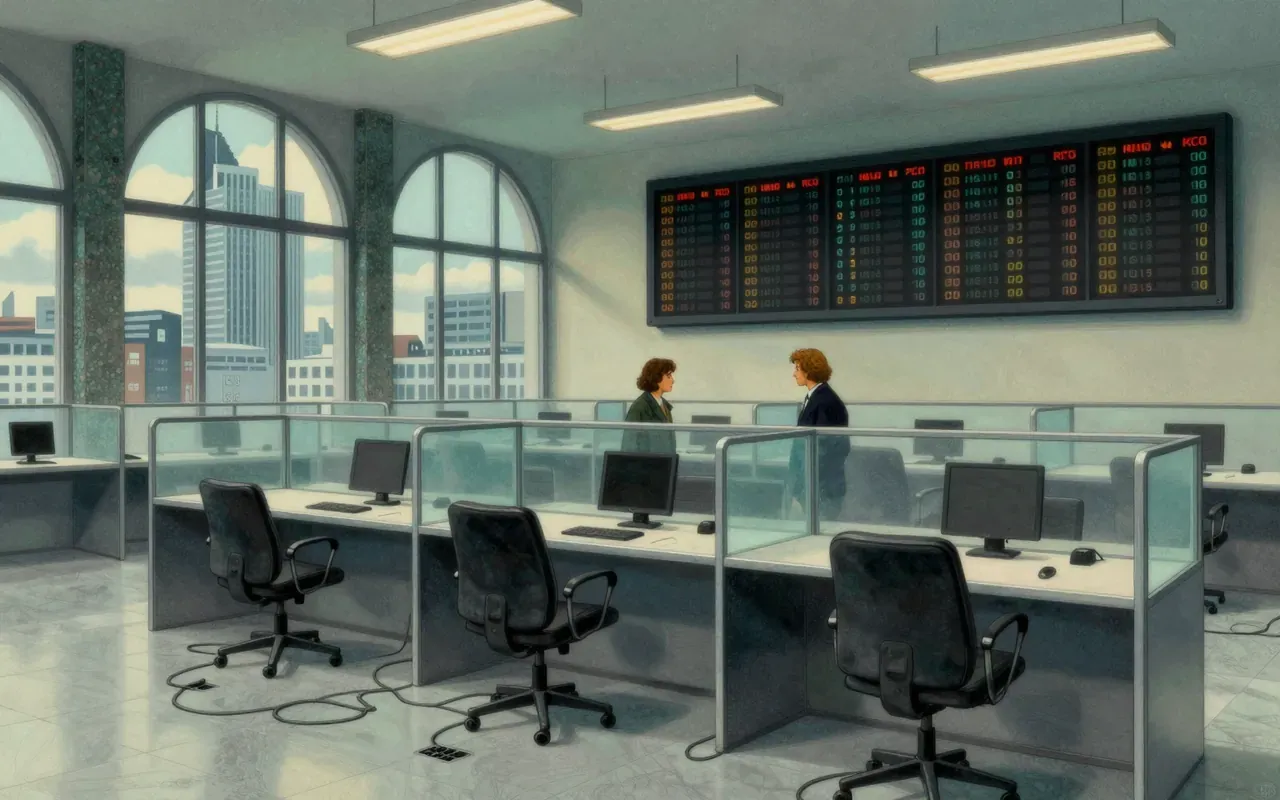
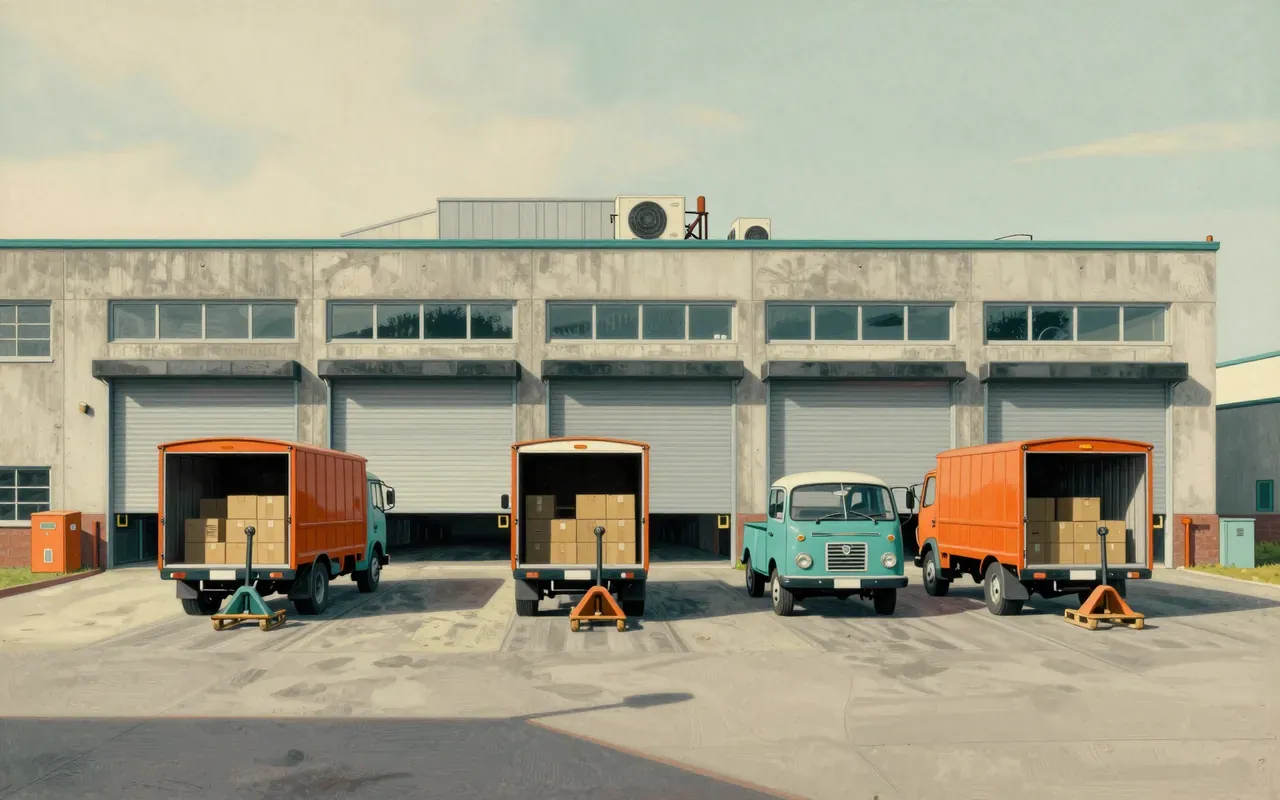
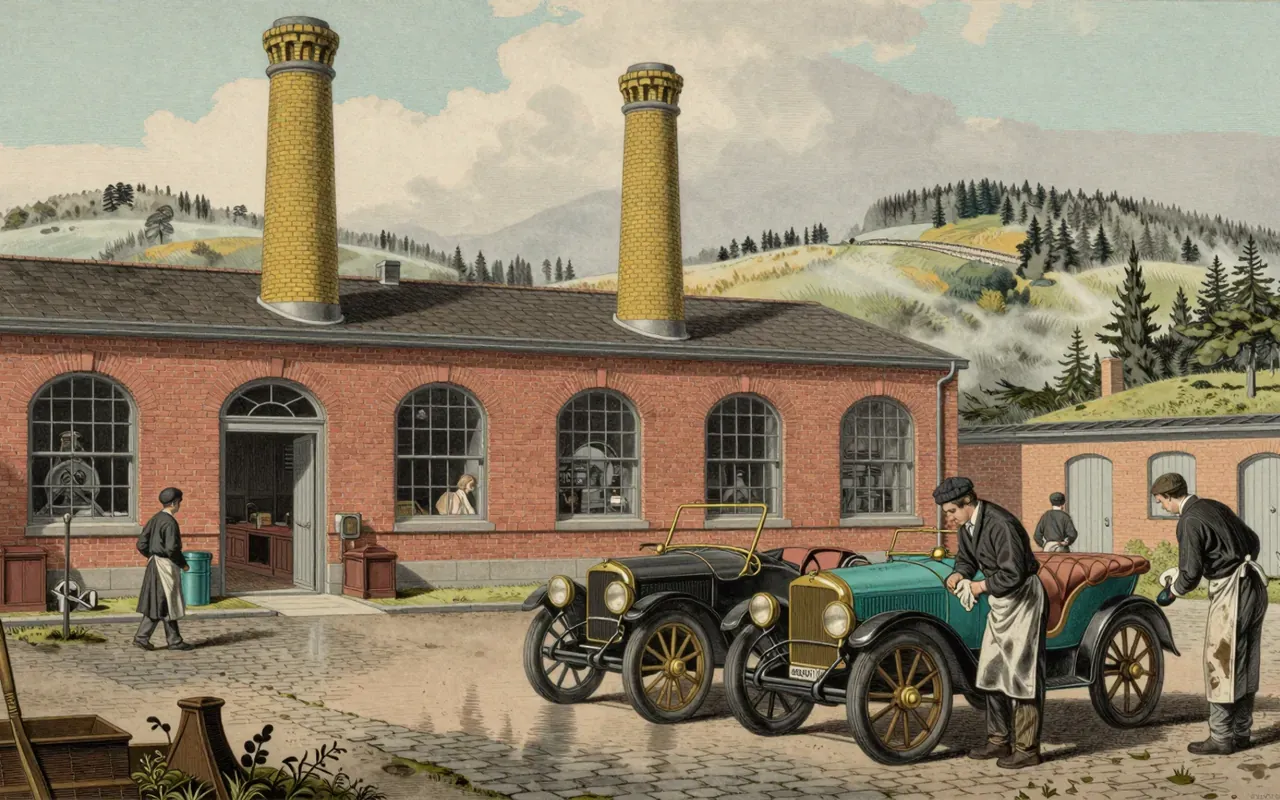
Peugeot is the oldest car company in the world — but only because it formalised its automobile division in 1896, 86 years after its founding as a steel foundry. Its success came not from breakthrough invention, but from disciplined technology adoption, rapid iteration, and industrial scaling.
Alimentation Couche-Tard is a textbook case of geographic and operational scaling through acquisition and banner standardisation — not product, tech, or marketing innovation. Its model depends on acquiring undermanaged regional chains, stripping overlapping functions, and enforcing consistency in procurement and site selection. It reveals little about consumer behaviour or retail design, but much about how capital, real estate leverage, and decentralised execution combine to dominate fragmented markets.
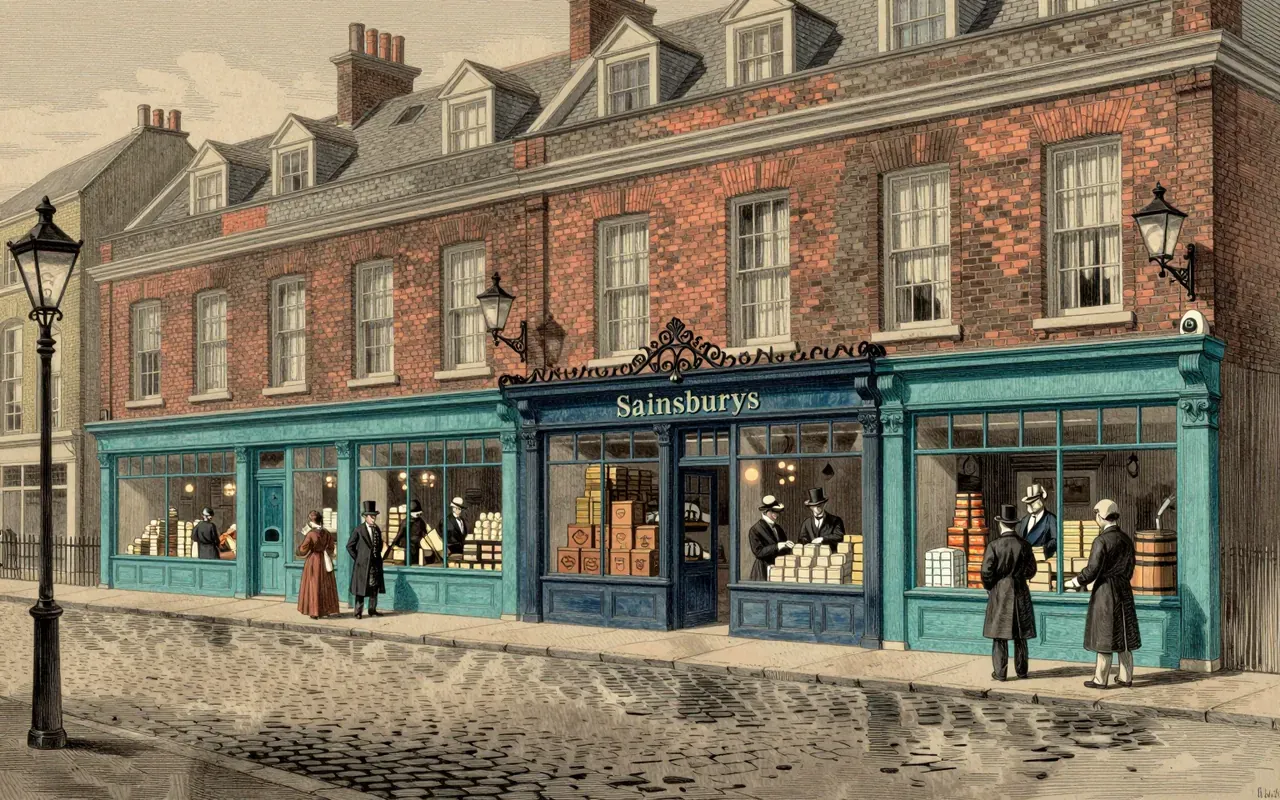
Sainsbury’s is the second-largest UK supermarket chain. It was the largest UK grocery retailer for most of the 20th century. It was founded in 1869 as a partnership by John James Sainsbury and Mary Ann Sainsbury at 173 Drury Lane in London. It began selling fresh foods and later expanded into packaged groceries. Its founding philosophy was 'Quality perfect, prices lower'. It used distinctive cast-iron signage, offered home delivery, and prioritised centrally located shops for better display and cooling before refrigeration existed. It grew to 128 stores by 1928 and remained a family business throughout Sainsbury’s lifetime. He served as Chairman and Governing Director from incorporation in 1922 until his death in 1928.

LVMH is a French multinational luxury goods conglomerate formed in 1987 by merger—not founded—of Louis Vuitton and Moët Hennessy. Bernard Arnault assumed control shortly thereafter, not by founding but by outmanoeuvring the initial family owners. The company operates through ~60 subsidiaries managing 75 luxury brands across six branches. Its $500B valuation in April 2023 reflects disciplined acquisition—Boussac Saint-Frères (1984), Tiffany & Co. (2021)—and structural decentralisation that preserves brand identity while centralising financial control. LVMH does not invent luxury; it acquires, integrates, and governs it.
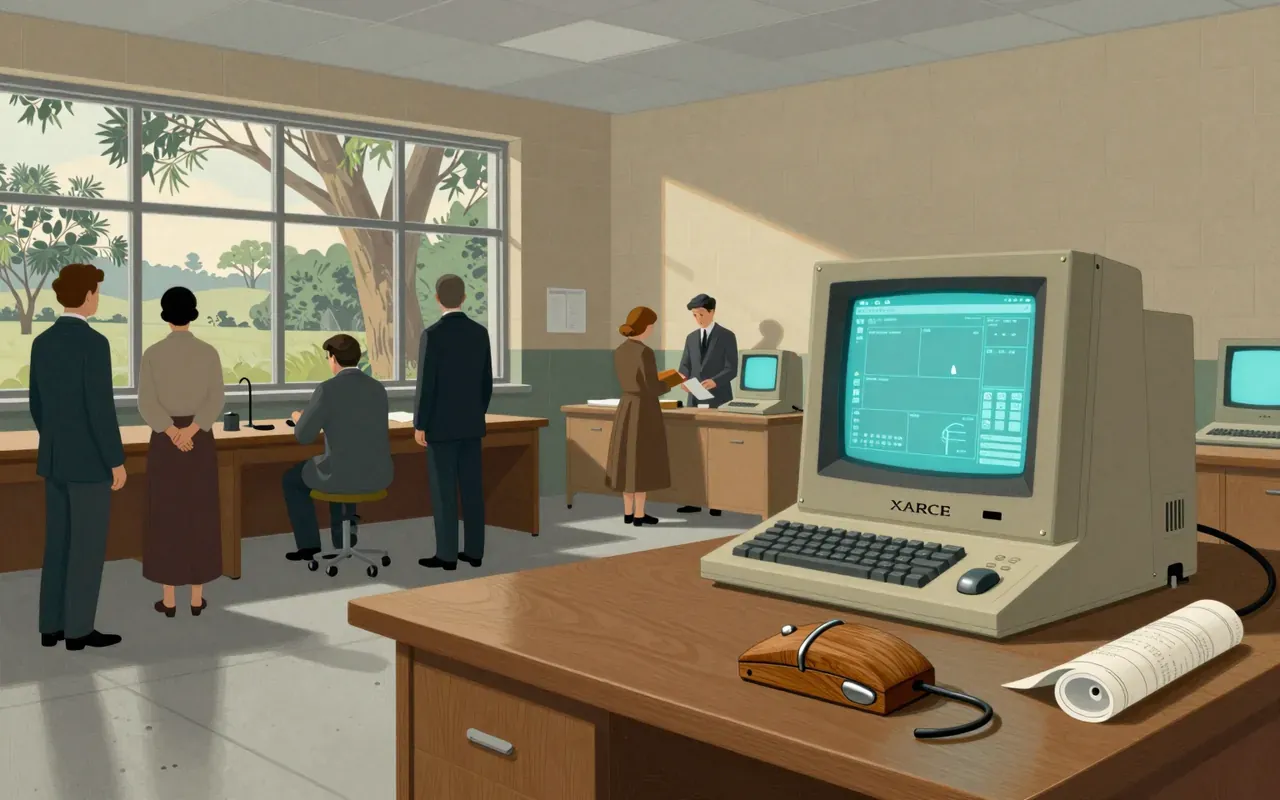
Xerox pioneered the photocopier market starting with the Xerox 914 in 1959; Joseph C. Wilson signed an agreement in 1946 to develop Chester Carlson's invention commercially; before the 914, Xerox tested the market with the Flat-plate 1385 prototype, which proved nonviable due to slow speed; the 914—the first plain paper photocopier—was developed by Carlson and John H. Dessauer; researchers at Xerox and PARC invented key personal computing elements including the GUI, mouse, and desktop computing; Xerox opened PARC in 1970; and Gary Starkweather invented the laser printer in 1969 by modifying a Xerox 7000 copier.