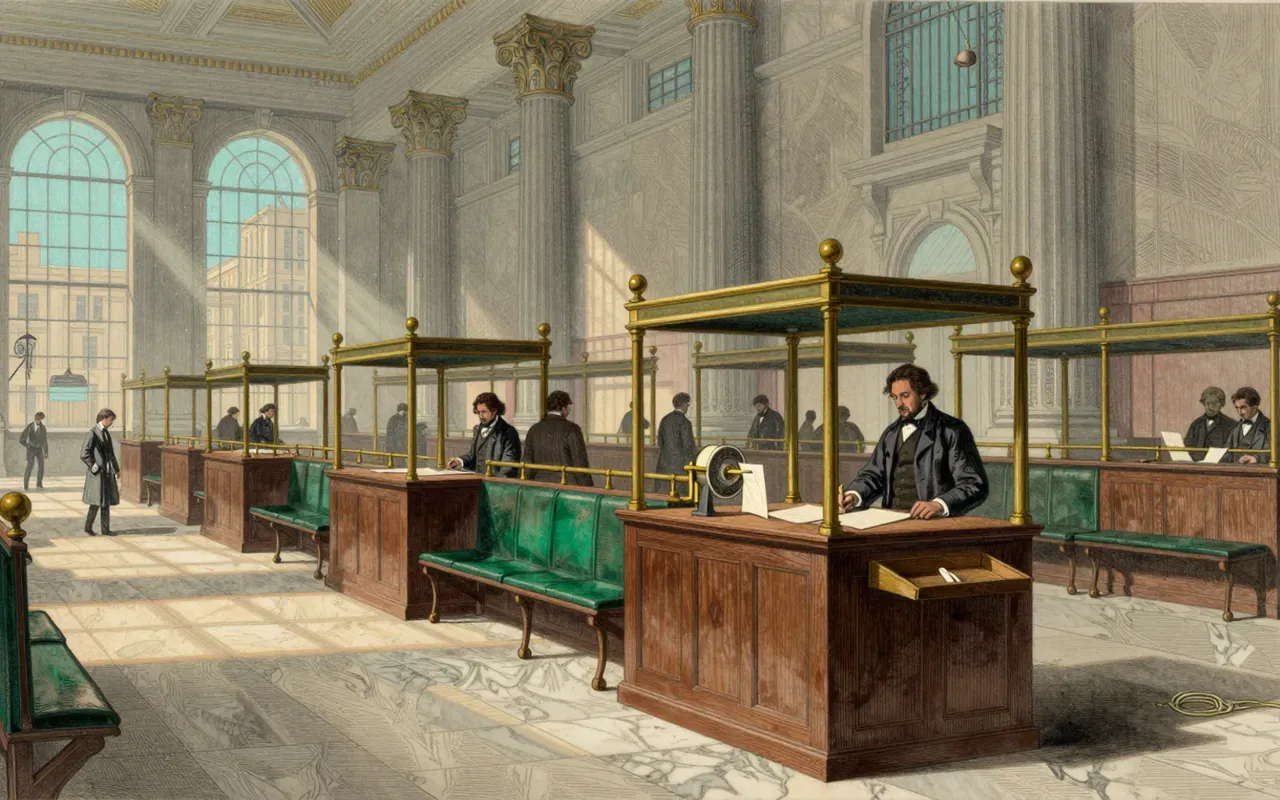
What the company or idea is
The NYSE is a for-profit stock exchange owned by Intercontinental Exchange, operating under US regulatory oversight, founded in 1792 and reorganised in 1817, with origins in a private agreement among brokers to fix commissions and restrict trading to themselves.
How it actually makes money
The NYSE makes money from listing fees, trading fees, data licensing, and market infrastructure services. It does not generate revenue from the securities traded on it — those flows go to issuers and investors.
What works
Its hybrid trading model — combining floor-based human interaction with electronic execution — maintains liquidity for large, complex orders. Its brand and regulatory status give it pricing power over listings and data, especially for blue-chip US equities.
What does not
It does not operate as an open, neutral platform. Its history is one of gatekeeping: the Buttonwood Agreement established preferential access; the 1817 reorganisation formalised membership control; mergers like that with the Open Board in 1869 absorbed rivals rather than opened access.
What to take from it
The NYSE is not a market that emerged from competition or technology — it is a cartel that became infrastructure. Its endurance comes from its ability to absorb challenges (e.g., Archipelago’s electronic challenge in 2005) while preserving its gatekeeping function.
Is it worth your time
Yes, if you need to understand how capital markets are structured, priced, and governed — not as a story of innovation, but as a durable institutional scaffold built on exclusion, standardisation, and incremental consolidation.