What the company or idea is
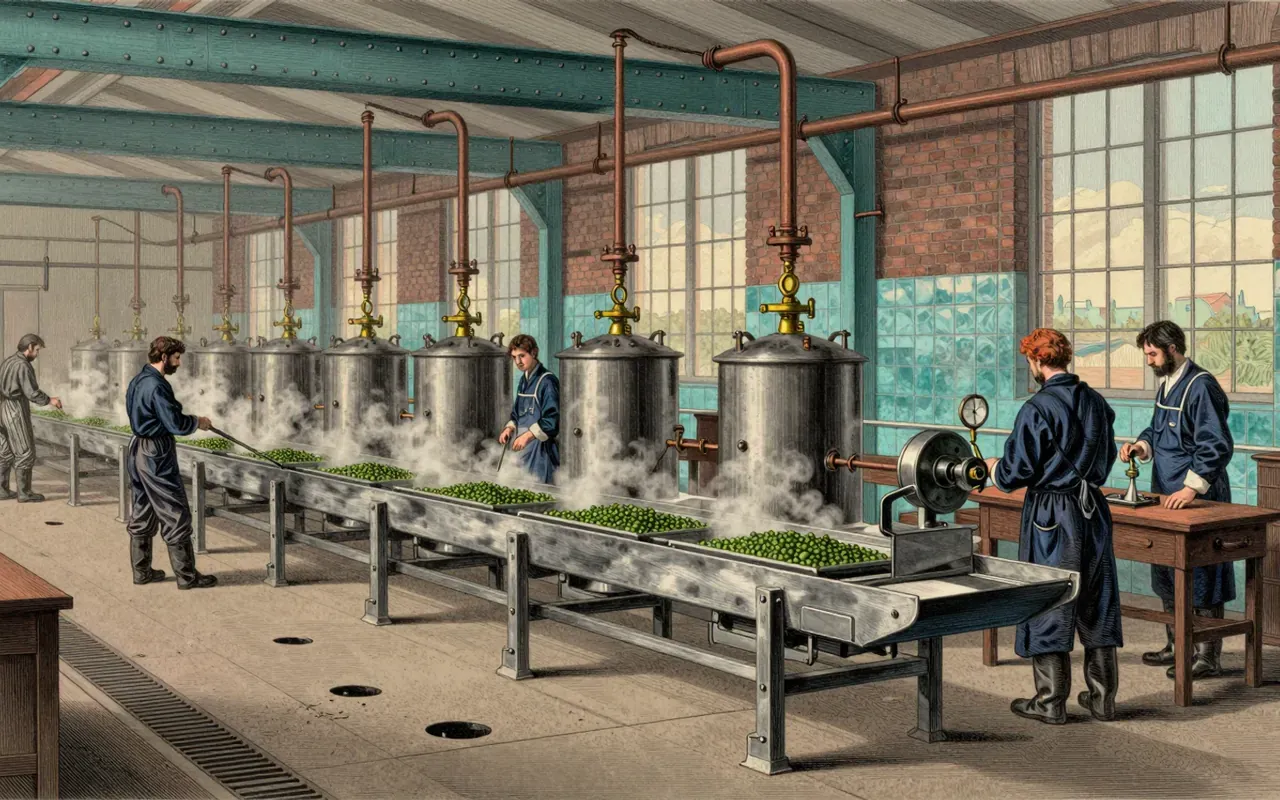
Biocon is an Indian biopharmaceutical company founded in 1978 in Bengaluru as a brewing enzyme producer, later evolving into a vertically integrated developer and manufacturer of APIs, biosimilars, and branded drugs.
How it actually makes money
Biocon makes money by manufacturing and exporting generic active pharmaceutical ingredients (APIs) to ~120 countries, selling branded formulations in India for metabolics, oncology, immunotherapy, and nephrology, and selling biosimilars in bulk and formulation form across emerging markets.
What works
Its early focus on export-grade enzyme manufacturing created technical credibility and regulatory access. That credibility enabled entry into US and EU markets before Indian peers—and sustained it through the 1990 joint venture with Cuba’s Center of Molecular Immunology and the 2000s launch of Biocon Biologics.
What does not
Biocon does not control its own US or European commercial infrastructure. It relies on partnerships to sell biosimilars there, and its Indian formulations face price controls and fragmented distribution.
What to take from it
Biocon demonstrates how regulatory constraints—like the 30% foreign ownership cap—can entrench founder control while forcing organic vertical integration: from papain extraction to FDA-approved biosimilars, all without external equity dilution.
Is it worth your time
Yes—if you are studying how Indian biotech navigated foreign ownership limits, built export capacity from enzyme extraction, or scaled biosimilars without domestic pricing leverage.