10:13in productionCh. 1 · Not Spanish — at first/ 10:13 · ceiling 15 min
Companies
Telefónica Germany
1995
A German telco that trades under a British brand, answers to Spanish shareholders, and owns more cell towers than any rival — but no longer answers to German investors.
Telefónica Germany is a German telecoms operator founded in 1995, owned by Spain’s Telefónica S.A. since 2005, rebranded in 2010, and delisted from the Frankfurt Stock Exchange on 19 April 2024. It operates its own mobile network with over 29,000 sites and managed 35.2 million mobile and 2.4 million broadband connections by end-2025. It sells all services under the O2 brand.
It began not as Telefónica, but as a 1995 German-British-Norwegian joint venture called VIAG Interkom.
1:42
Licensed, not launched
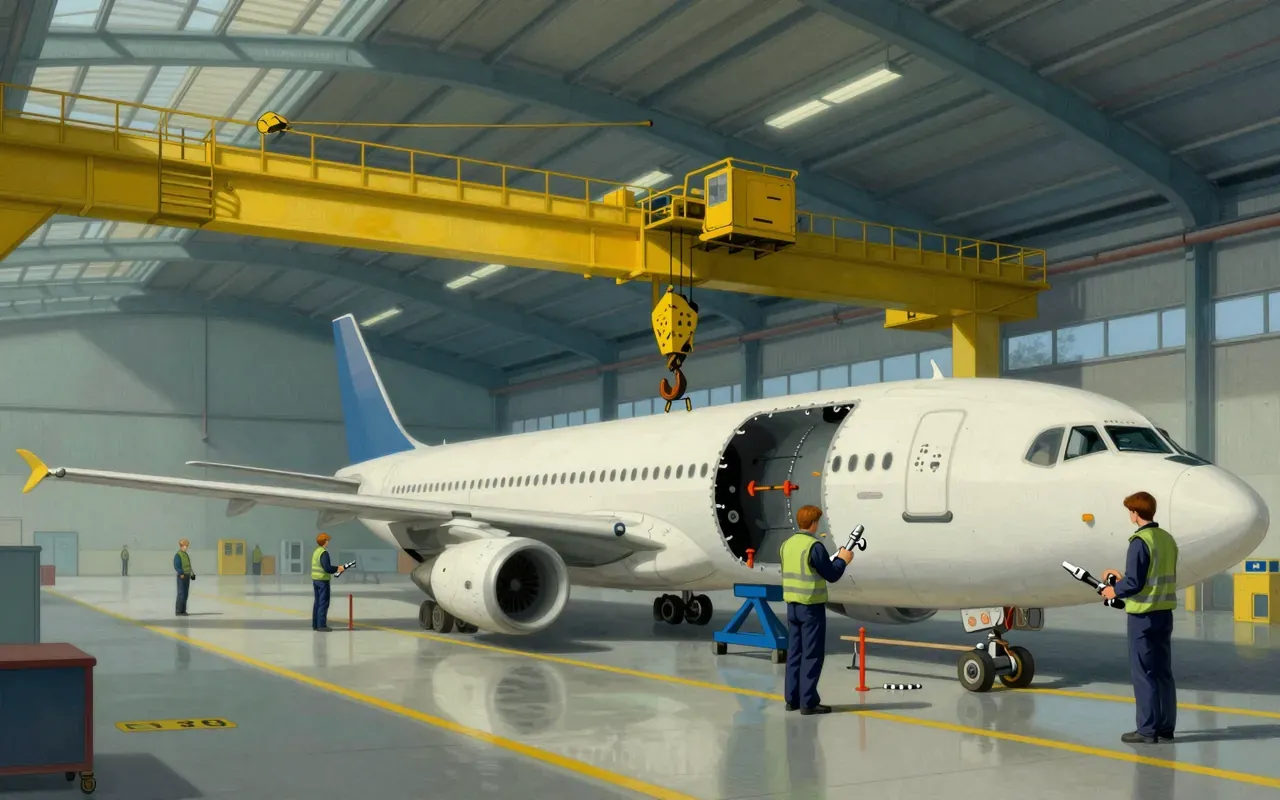
It launched in eight cities in 1998 using Germany’s second GSM-1800 licence — not as a disruptor, but as a licensed entrant.
3:08
Steel and SIMs
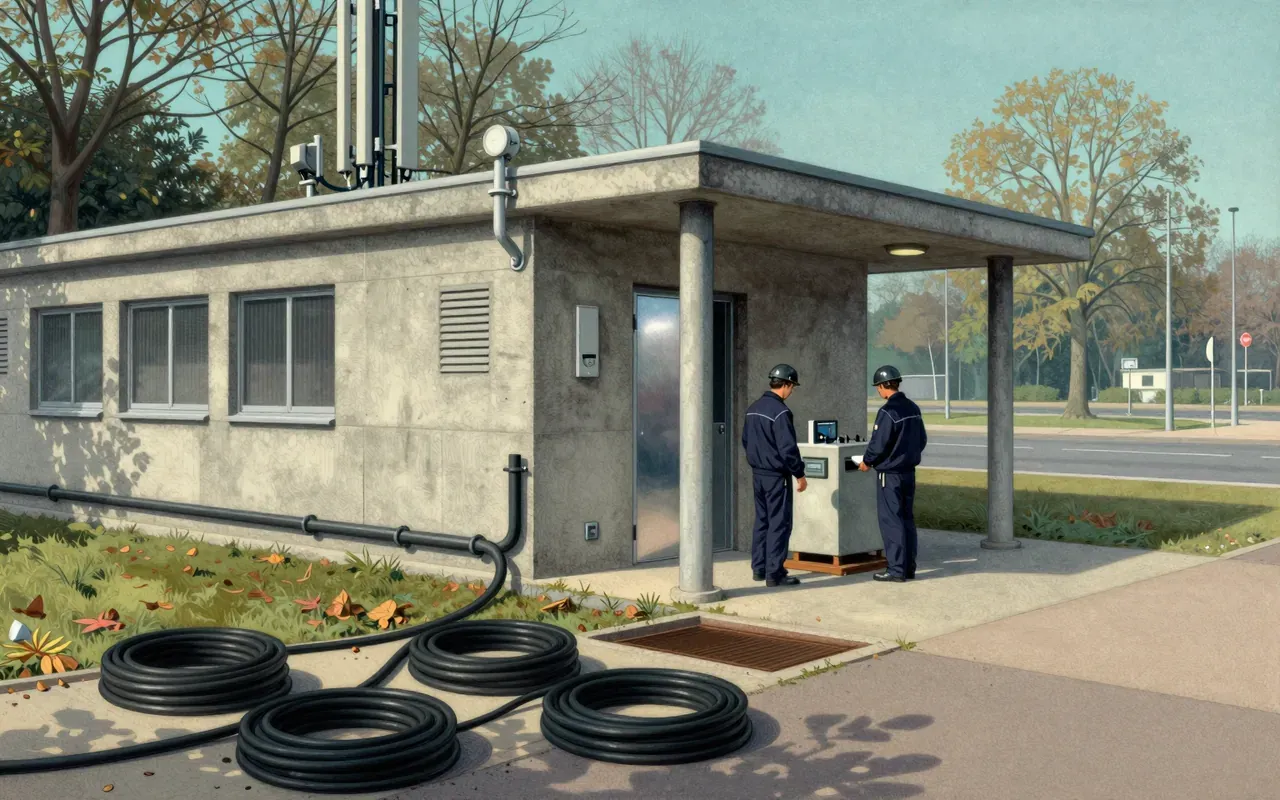
Its scale comes from owning 29,000+ cell sites and managing 37.6 million active connections — not from software or subscriptions alone.
4:32
Acquired, not built
It became part of Telefónica S.A. in 2005 — a strategic acquisition, not organic growth.
5:52
A British brand in Bavaria
It sells everything under the O2 brand — a UK-origin name with no German linguistic or cultural anchor.
6:44
Delisted, not dissolved
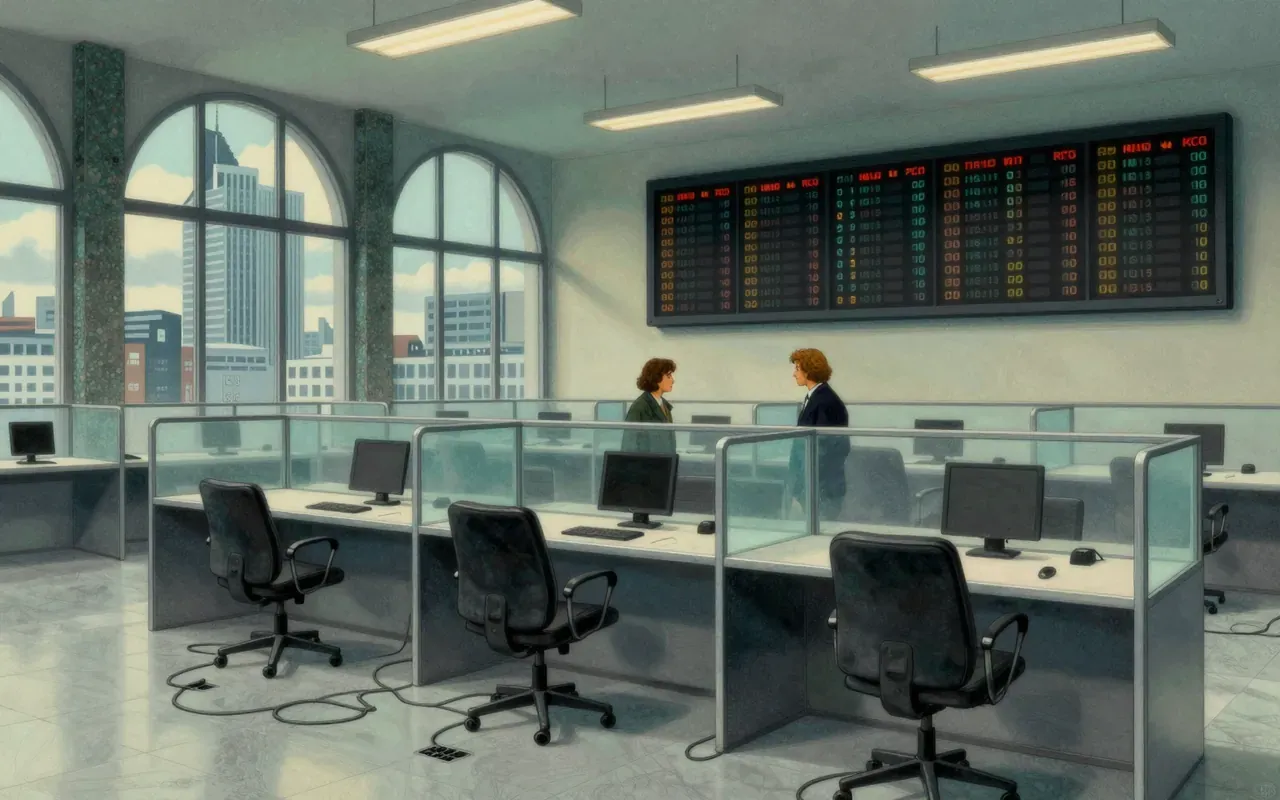
It is headquartered in Munich but owned entirely by a Madrid-based parent — with no local board autonomy or public accountability since April 2024.
Worth your time?
Yes. Study the whole thing.
3.5/ 5
What works
scale through owned network assets
brand consistency across service lines
integration into pan-European capital structure
What does not
control spectrum licensing
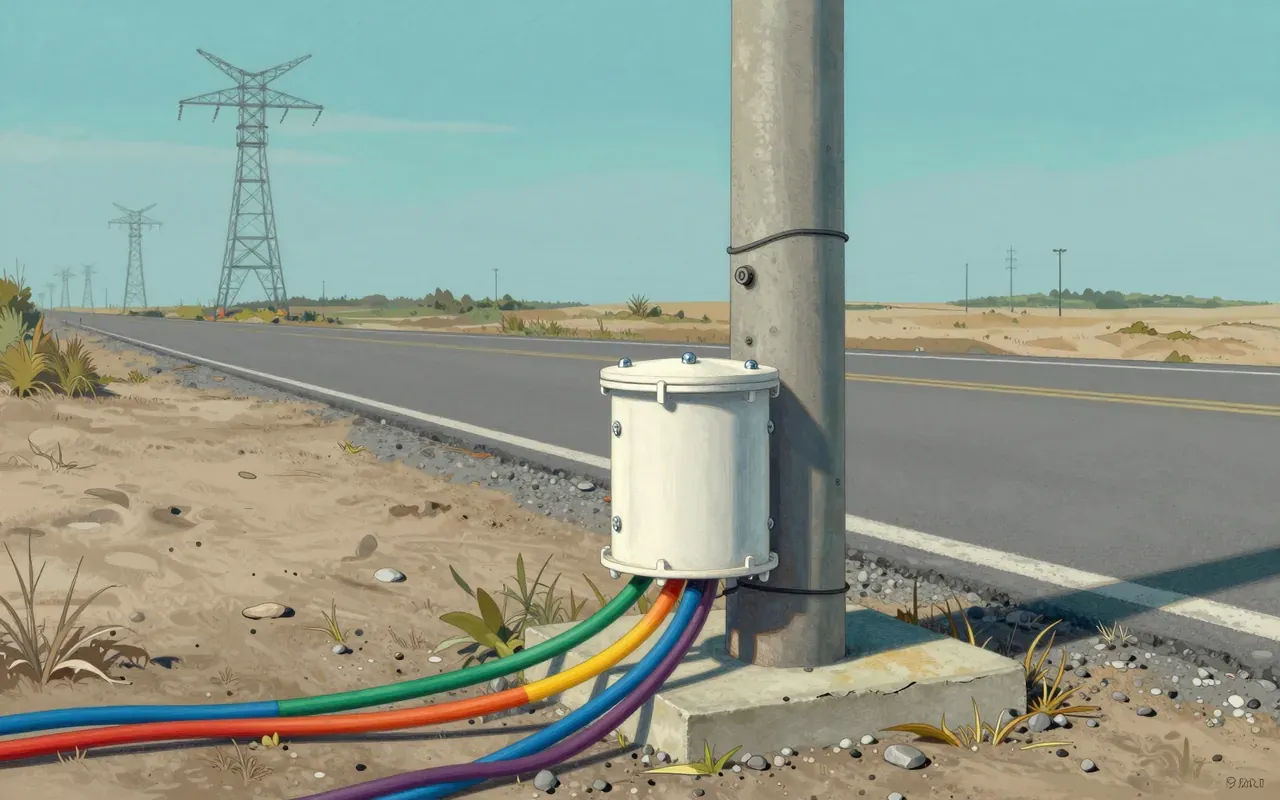
own cable infrastructure outright
answer to German investors after April 2024
Study it if
telecoms strategists
EU regulatory analysts
infrastructure investors
Skip it if
startup founders
consumer tech product teams
venture capital generalists
The written brief1 min read
What the company or idea is
Telefónica Germany is a German telecommunications operator founded in 1995 as VIAG Interkom, acquired by Spain’s Telefónica S.A. in 2005, rebranded in 2010, and delisted from the Frankfurt Stock Exchange on 19 April 2024.
How it actually makes money
It makes money by selling mobile, broadband, landline and IPTV services to consumers and businesses in Germany under the O2 brand.
What works
Owning over 29,000 mobile network sites gives it direct control over coverage, latency and service quality. Its 35.2 million mobile and 2.4 million broadband connections at end-2025 show scale in a saturated market.
What does not
It does not control its own spectrum licensing or regulatory approvals; those sit with German state authorities and the EU. It does not own cable infrastructure outright — its cable internet relies on wholesale access agreements it does not disclose.
What to take from it
Its longevity reflects regulatory stability and network ownership — not innovation or consumer loyalty — and its delisting signals full integration into a pan-European cost and capital structure.
Is it worth your time
Yes — as a case study in how a foreign-owned, infrastructure-heavy telco sustains scale without domestic ownership or public listing.