What the company or idea is
SAP is a German multinational enterprise software company founded in 1972 in Walldorf by Dietmar Hopp and four former IBM colleagues. It evolved from SAP GbR to SAP GmbH (1981), SAP AG (late 1980s), and SAP SE (2014).
How it actually makes money
SAP sells enterprise software licences and related services. The material does not state how much it charges, what share of revenue comes from maintenance or cloud subscriptions, or who its customers are beyond the first client.
What works
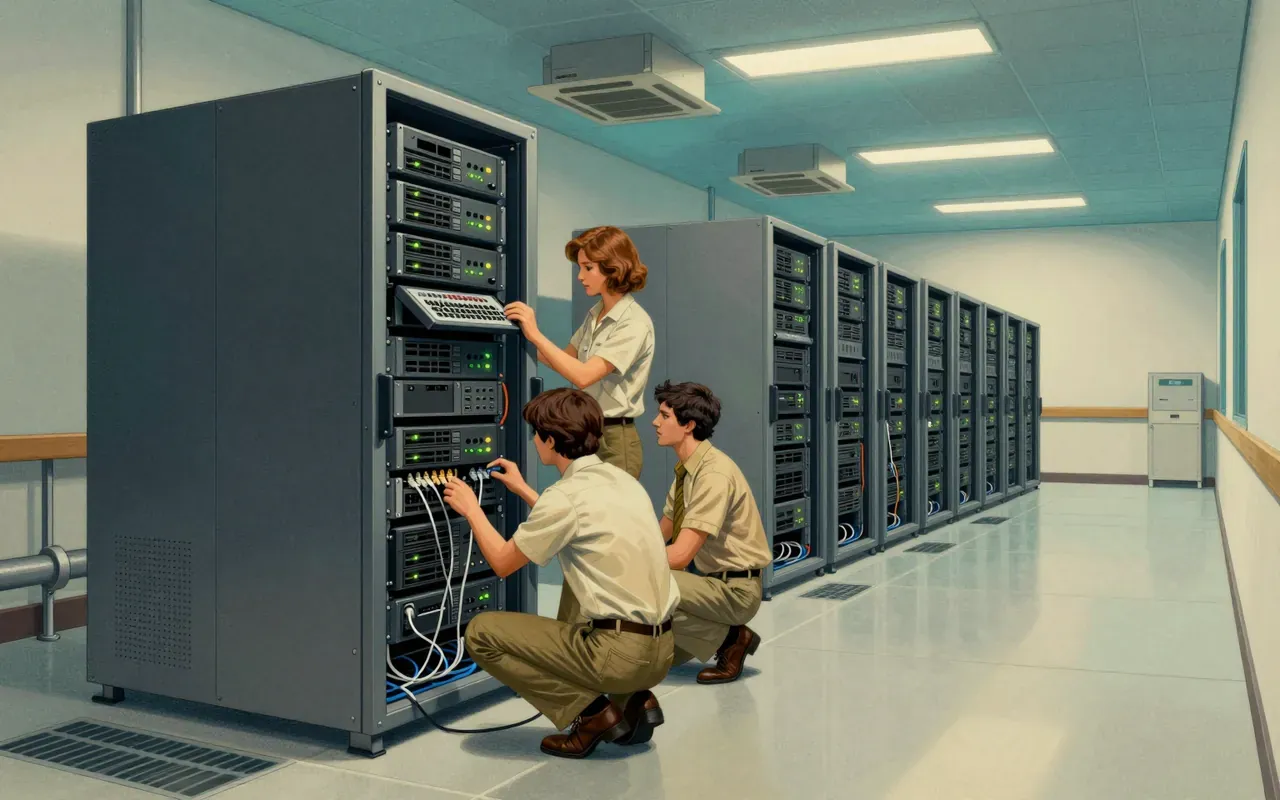
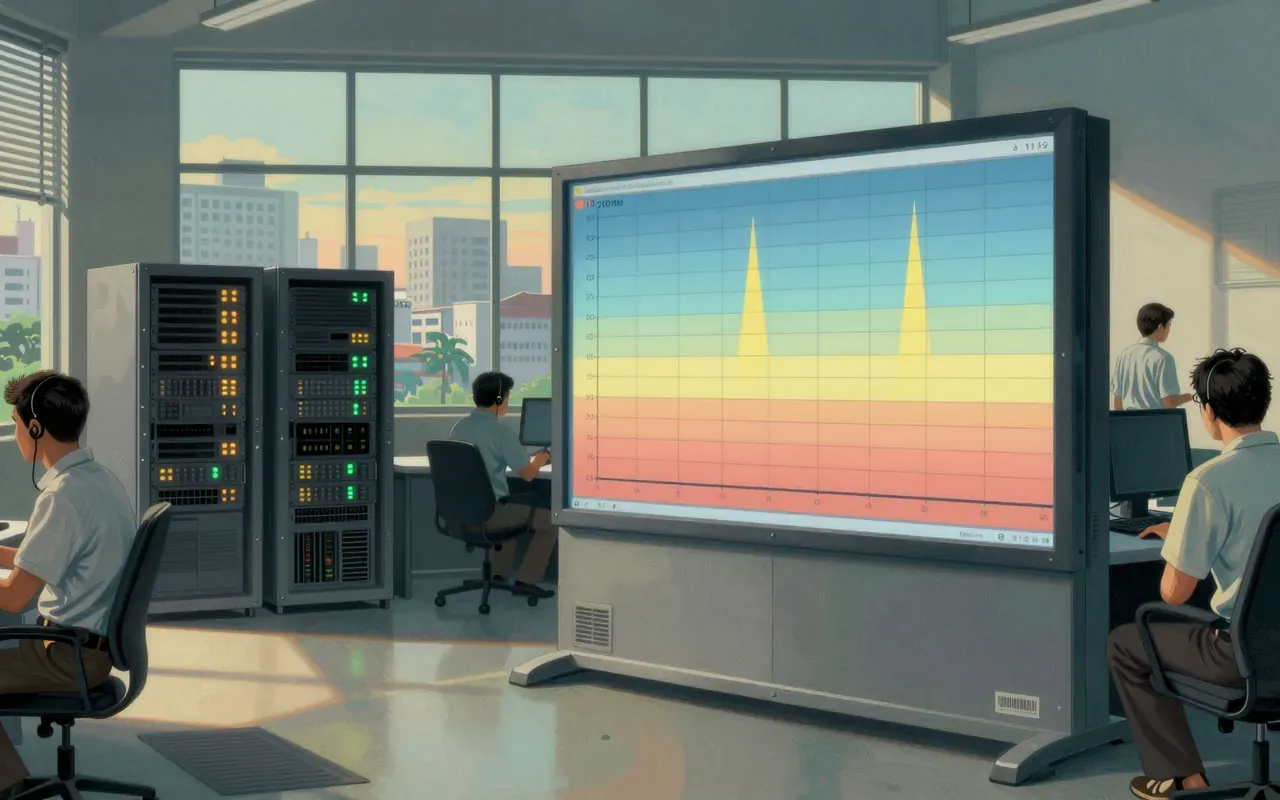
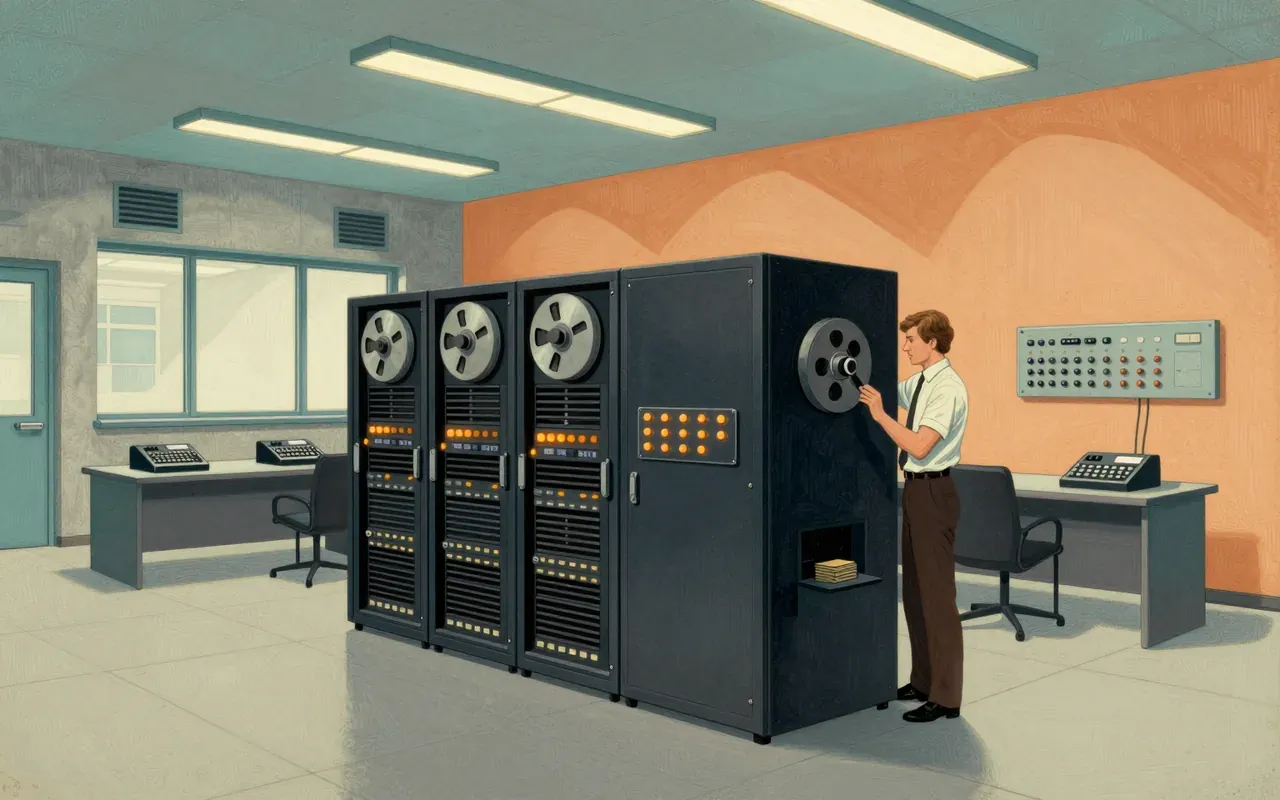
SAP’s first commercial product—the RF financial accounting system—launched in 1973. Its real-time operation, enabled by local electronic storage and a common logical database, eliminated overnight punch card processing. That architecture became foundational.
What does not
The material does not establish that SAP’s early technical distinction—local electronic storage plus a common logical database—solved a problem customers knew they had. It only states the system eliminated overnight punch card processing; it does not say whether customers demanded real-time capability or accepted it as a trade-off for other constraints.
What to take from it
SAP’s founding was an act of architectural divergence—not from competitors’ features, but from IBM’s punch card paradigm. Its early success rested on replacing batch with real-time logic, not on selling ‘solutions’ or ‘digital transformation’.
Is it worth your time
Yes—if you are studying how a real-time database architecture, built by ex-IBM engineers in 1972, scaled into the world’s largest enterprise software vendor without relying on public claims about market size, growth, or disruption.