What the company or idea is
Andrew Mellon was not a company. He was a financier, industrialist, and Treasury Secretary who built a vertically integrated financial-industrial apparatus anchored in Pittsburgh.
How it actually makes money
Andrew Mellon made money through concentrated ownership and control of banks, industrial firms, and natural resource companies — not through innovation or scale alone, but by sitting on their boards, financing their expansion, and consolidating their markets from Pittsburgh.
What works
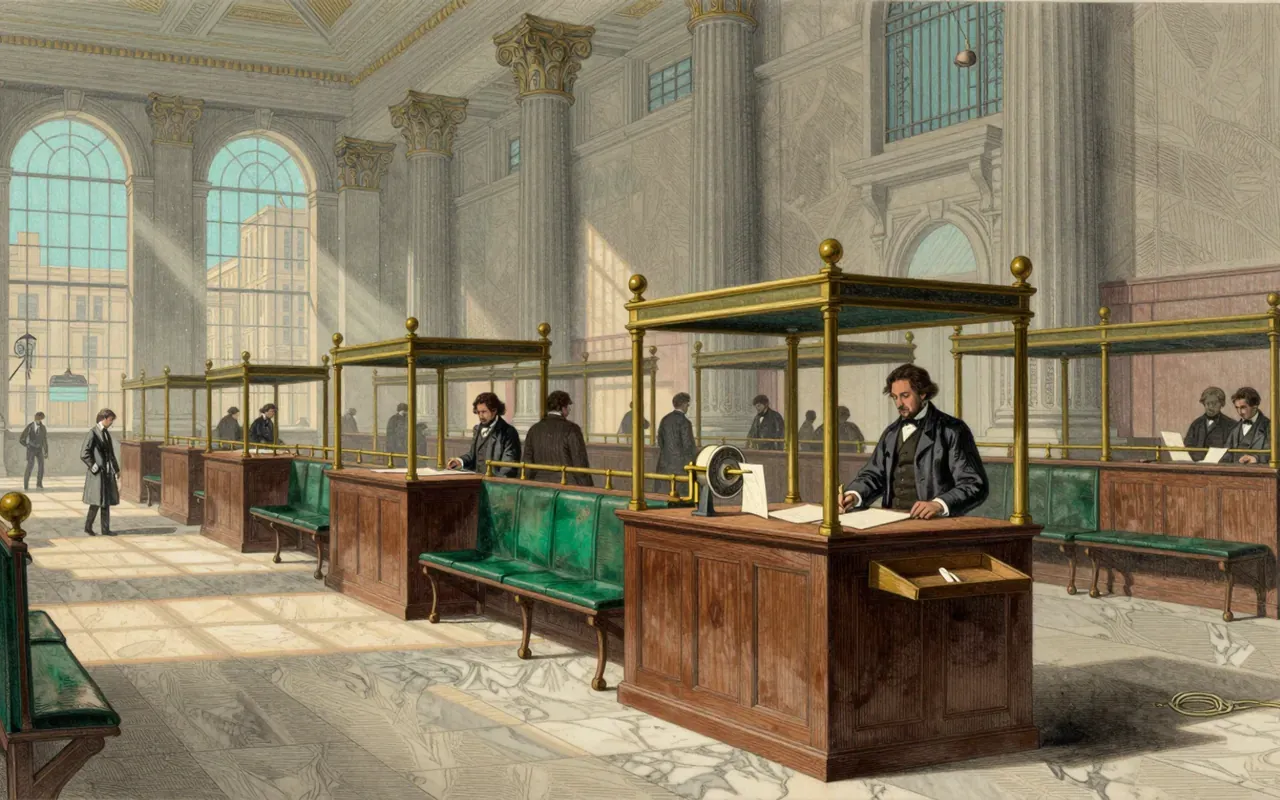
His banking dominance was real and measurable: by end-1913, Mellon National Bank held more deposits than any other Pittsburgh bank, and Union Trust controlled the second-largest.
What does not
His tax theory — that cutting top rates would increase revenue — was never proven causally. The national debt fell in the 1920s, but so did war spending and post-war inflation; the Revenue Act of 1926 cannot be isolated as the driver.
What to take from it
Mellon’s power came from controlling capital flows — deposits, credit, equity stakes — across interlocking institutions. His influence was structural, not rhetorical.
Is it worth your time
Yes — if you want to understand how financial power, tax policy, and industrial consolidation fused into a single governing logic in early-20th-century America.