What the company or idea is
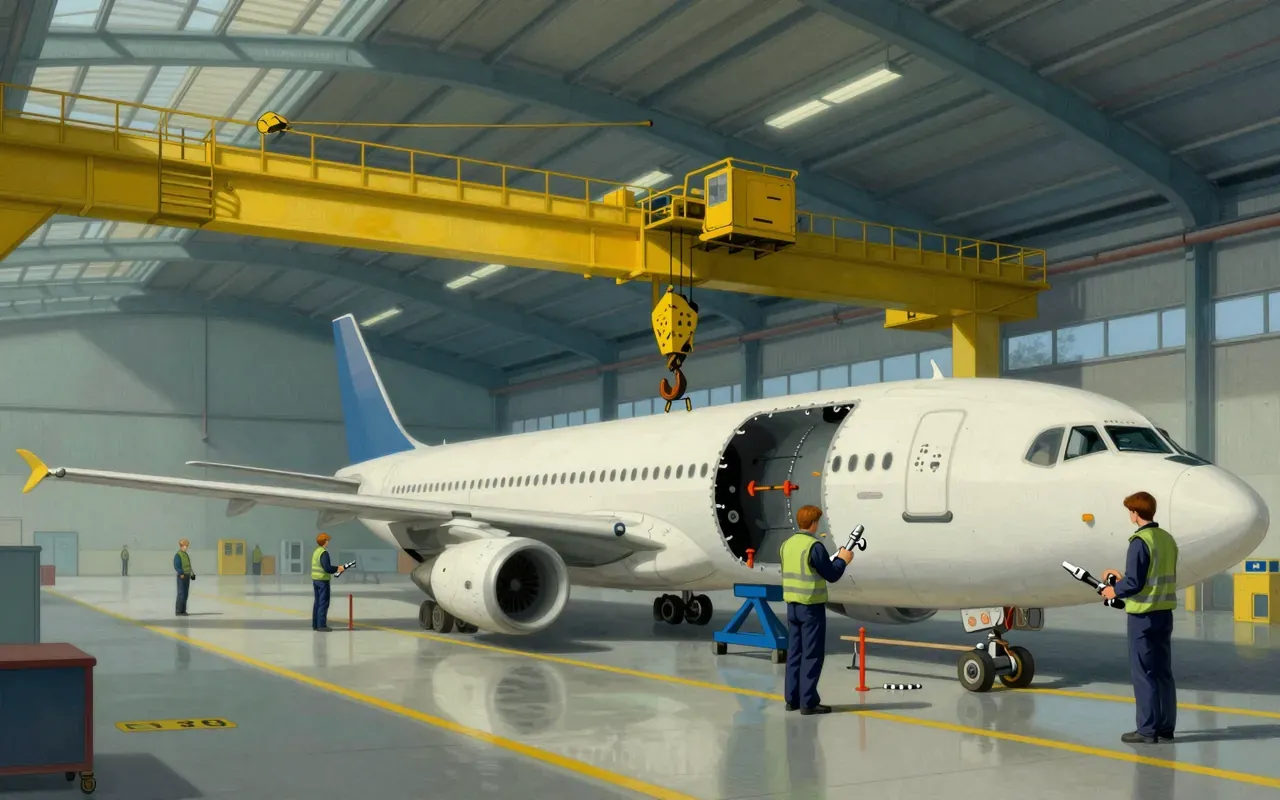
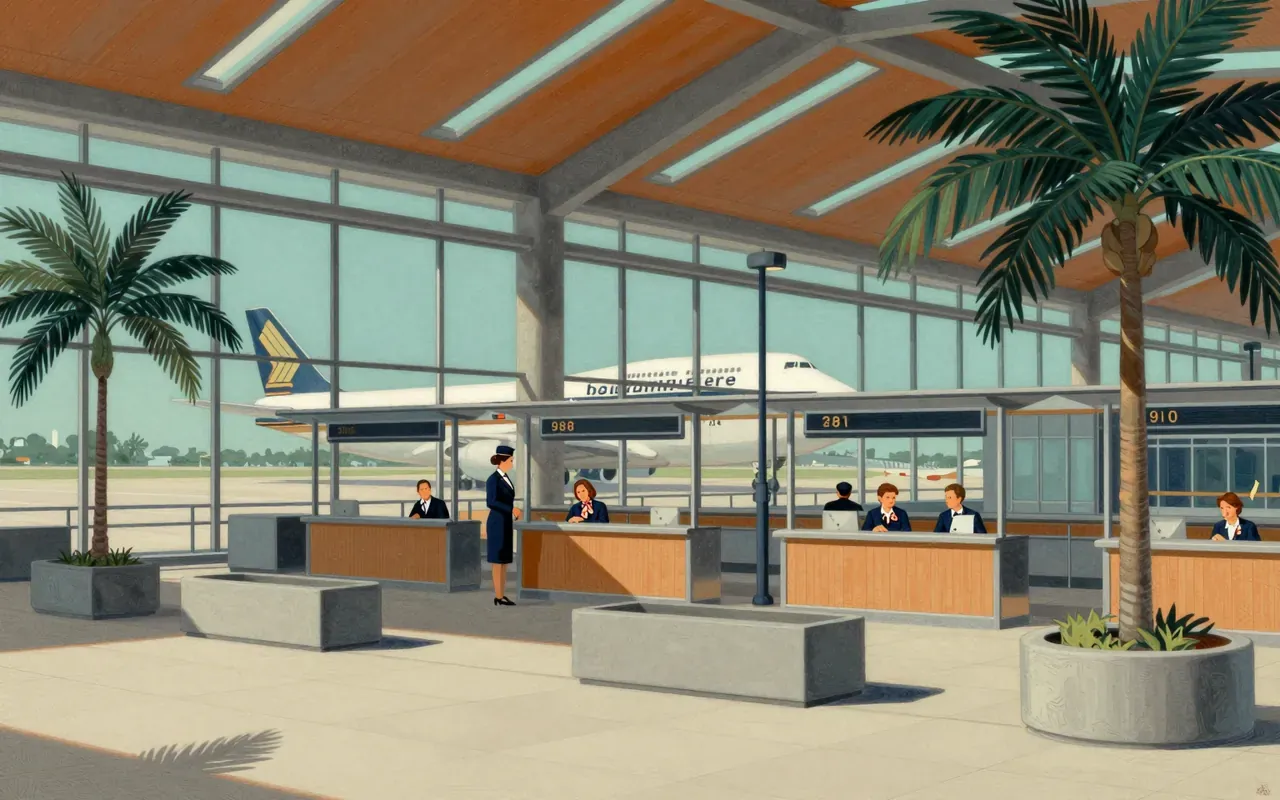
Singapore Airlines is Singapore’s flag carrier airline, headquartered at Changi Airport, operating a group of over 20 airline-related subsidiaries—including Scoot, Singapore Airlines Cargo, and SIA Engineering Company—and managing a fleet of 160 Airbus and Boeing aircraft.
How it actually makes money
Singapore Airlines makes money from selling passenger and cargo transport services across international routes, supplemented by engineering maintenance contracts (via SIA Engineering Company), freighter operations (via Singapore Airlines Cargo), and low-cost short-haul flights (via Scoot).
What works
Its launch-customer status for major aircraft types (A380, 787-10, A350-900ULR) secured route economics and network control. Its Star Alliance membership since April 2000 provides global distribution without owning infrastructure abroad. Its subsidiary structure allows segmentation: premium full-service, low-cost short-haul, and third-party MRO revenue.
What does not
Its branding around the ‘Singapore Girl’ does not reflect current workforce diversity or operational realities; it is a static, decades-old motif disconnected from the company’s modern subsidiary structure and cost pressures.
What to take from it
The gap between Singapore Airlines’ self-presentation—centred on heritage, service theatre, and aircraft firsts—and its actual business model—vertically integrated, alliance-dependent, and commercially diversified—is where the real strategy lies.
Is it worth your time
Yes—if you are studying how national carriers monetise scale, brand, and vertical integration in aviation—but not as a case study in leadership or founding vision, because Tan Chin Tuan had no role in the airline.