businessbriefs
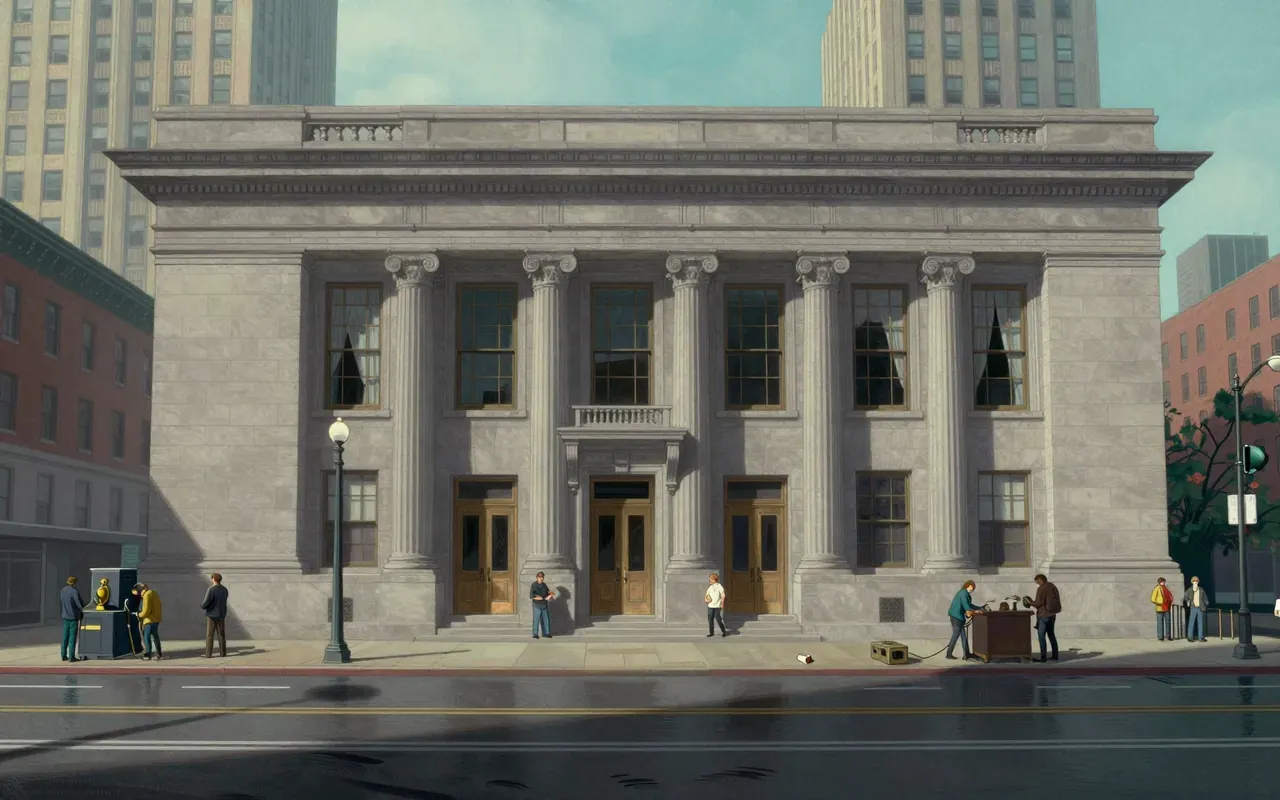
9:12in productionCh. 1 · The 8:00 am filing in Manhattan/ 9:12 · ceiling 15 min
Rise & fall

General Motors Chapter 11 reorganization

GM didn’t restructure — it was legally erased and replaced by a Treasury-backed shell.

General Motors’ 2009 collapse was not a restructuring but a legal dissolution: the old company vanished, its assets sold to a new Treasury-backed entity in a pre-packaged Chapter 11 process. It ranks fourth among U.S. bankruptcies by assets. No common stockholders recovered value. The outcome was not profitability restored, but continuity preserved — at public expense and with permanent brand and workforce reduction.

Chapters & takeaways4
  1. 1:06
    The 8:00 am filing in Manhattan

    The filing was timed and located for speed and jurisdictional control — not financial distress alone.

  2. 2:14
    $172.81 billion in debt

    GM entered bankruptcy with more debt than assets — and ranked fourth in U.S. history by asset size.

  3. 3:30
    NGMCO Inc. buys everything on July 10

    A new entity acquired GM’s trademarks, operations, and IP in a single Section 363 sale — not a merger or IPO.

  4. 5:01
    No value for common stockholders

    Old GM became Motors Liquidation Company — a hollow shell paying pre-petition creditors from whatever remained.

Worth your time?

Yes. Study the whole thing.

4.5/ 5
What works
  • legal continuity
  • asset isolation
  • political execution
What does not
  • restructure
  • recover
  • innovate
Study it if
  • lawyers
  • policy-makers
  • creditors
Skip it if
  • investors
  • entrepreneurs
  • brand strategists
The written brief1 min read

What the company or idea is

General Motors was a vertically integrated American automobile manufacturer whose 2009 Chapter 11 filing dissolved its legal continuity and transferred core operations to a new, Treasury-backed entity.

How it actually makes money

General Motors made money by selling cars and trucks through a dealer network, financed by vehicle loans, leases, and captive finance arms.

What works

The pre-packaged Chapter 11 process enabled rapid transfer of profitable assets to NGMCO Inc., insulating ongoing operations from old liabilities and allowing continuity of supply chains, dealer contracts, and trademark use.

What does not

The reorganization did not preserve GM’s pre-crisis structure, brands, or workforce. It eliminated four U.S. brands and cut tens of thousands of jobs with no value for common stockholders.

What to take from it

A government-endorsed Section 363 sale can bypass traditional creditor negotiations and legacy liabilities — but only when political will and public funds align behind a ‘systemically important’ firm.

Is it worth your time

Yes — it is the definitive case study of state-backed corporate triage under bankruptcy law, not a turnaround story.
Same desk · Rise & fall4 of 49
10:46
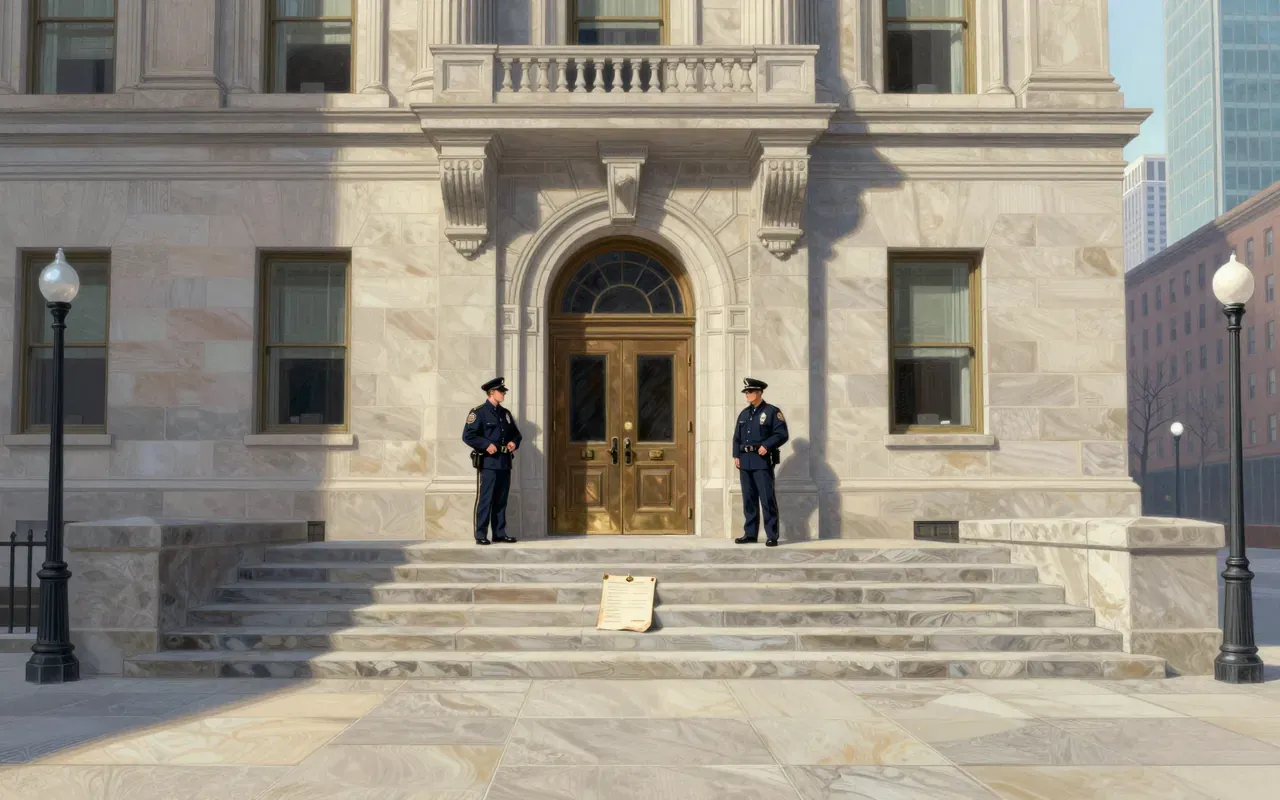
Chrysler Chapter 11 reorganizationChrysler’s 2009 Chapter 11 reorganization was not a turnaround. It was a state-directed asset transfer that overrode creditor agreements, cut payouts mid-process, and excluded key physical assets — all under judicial approval.
9:45
Cora (hypermarket)1969Cora was a hypermarket chain founded in 1974 by Belgium’s Louis Delhaize Group through the acquisition of three Carrefour hypermarkets in Belgium; it operated across several European countries before being progressively divested — Hungary (2011), Romania (2023), Luxembourg (2024), and France (2023–2024) — with its remaining seven Belgian hypermarkets scheduled to close on 31 January 2026.
10:44
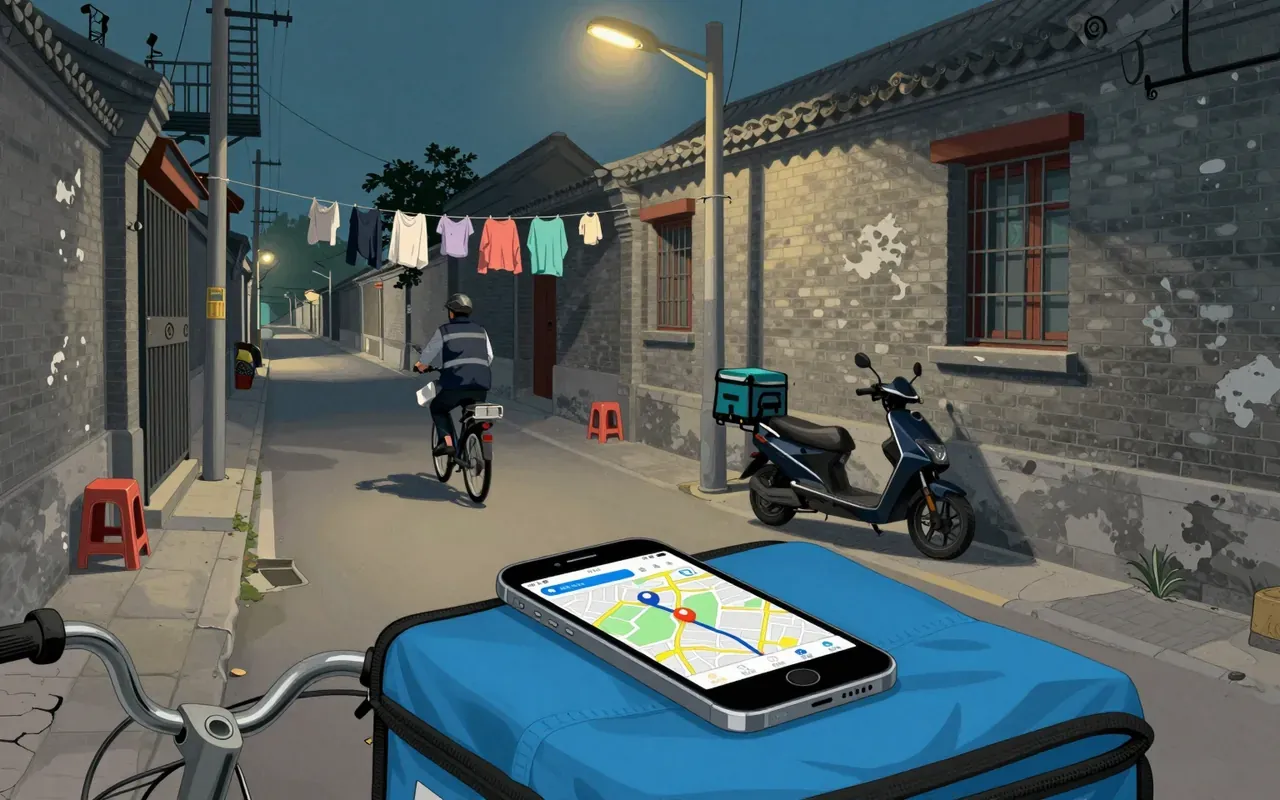
DiDiCheng Wei · 2012DiDi is a Chinese mobility technology company founded in 2012 by Cheng Wei in Beijing. It offers ride-hailing, taxi dispatch, bike sharing, vehicle leasing, food delivery, automobile services, and electric vehicle development. It merged with Kuaidi Dache in 2015 and acquired Uber China in 2016. It listed on the NYSE in June 2021 and was delisted in June 2022 after a $1.2 billion fine and app removal over data security concerns.
9:56
Noah GlassNoah Glass co-founded Twitter and coined its name. He helped develop its seed idea and designed core features in 2006 while at Odeo. He did not retain equity or recognition after the spin-out. This is not about who 'really' founded Twitter — it is about how contributions get assigned, erased, and rewritten when ownership changes hands.
Up next in Business

Noah Glass

· 9:56

Noah Glass built Twitter — then vanished from its story.

9:56