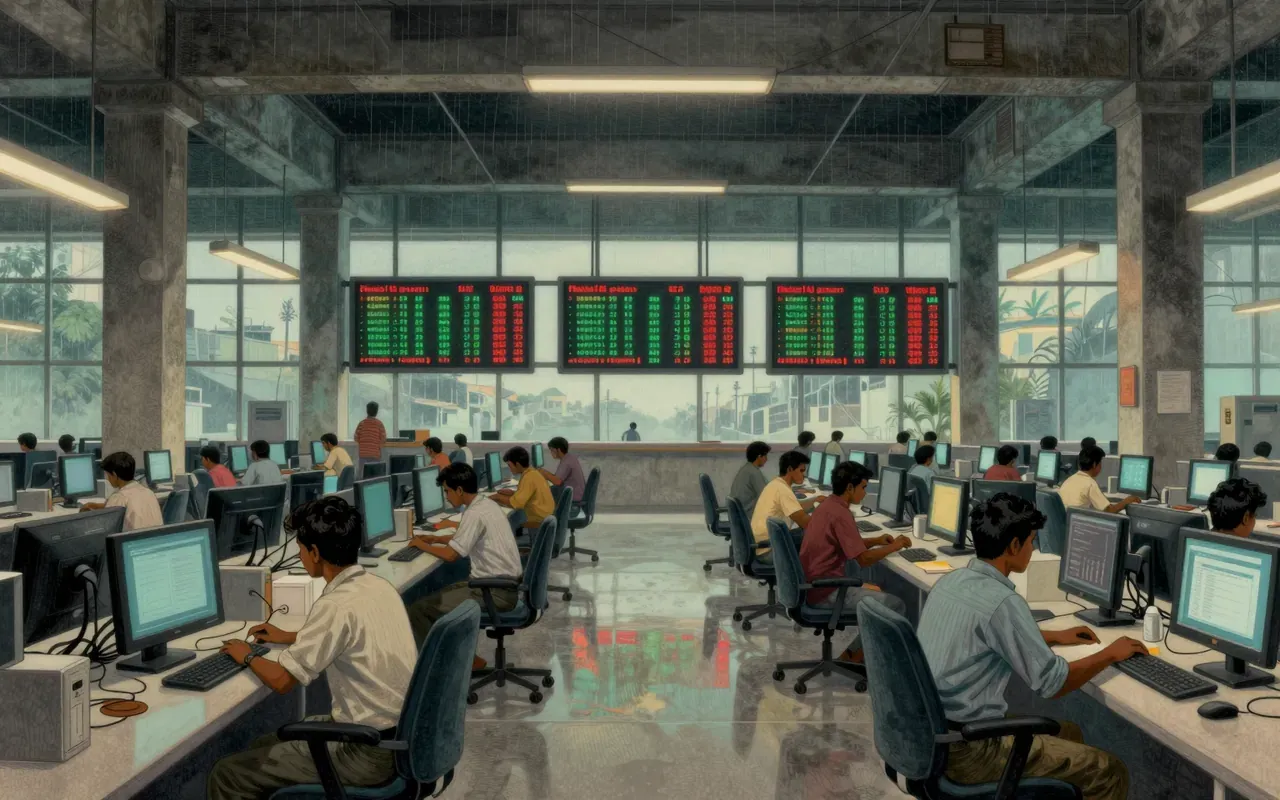
National Stock Exchange of India
A state-backed exchange beat India’s oldest bourse not by being better at finance — but by refusing to let brokers gatekeep the market.

Norsk Hydro began as a single-purpose vehicle for Birkeland’s nitrogen-fixing arc — a physics experiment turned factory. Its early dominance came not from IP or management, but from locking in Norway’s hydropower geography. It survived obsolescence not through reinvention, but by ceding chemical control to IG Farben. Its WWII role — sole European heavy water producer — was accidental infrastructure reuse. Its current aluminium and renewables business shares no technology with its origin, only its dams, debt, and place.

Peterbilt is a case study in acquisition-led industrial continuity: a timber operator bought a defunct truck maker to solve local hauling problems, engineered narrowly effective solutions, scaled only when external demand (military) appeared, and exited when land value exceeded truck value. Its legacy lies in execution, not vision.

Pfizer’s origin story is not about curing disease — it is about solving chemical supply problems with fermentation. Its therapeutic dominance came decades after it mastered industrial microbiology under pressure.

Regeneron is a biotech firm whose core innovation — the receptor trap — emerged from neurobiology, not pharmacology. It monetises that science via high-value partnerships and outsized government contracts, not broad platform dominance. Its success depends less on internal scale than on strategic leverage of public R&D funding.



Saudi Aramco is the majority state-owned national oil company of Saudi Arabia. It holds the world's largest proven crude oil reserves and largest daily oil production. It operates the world's largest single hydrocarbon network, the Master Gas System. Its shares began trading on the Saudi Exchange on 11 December 2019, reaching a market capitalisation of about US$1.88 trillion. Its origins lie in a 1933 concession granted by Ibn Saud and executed by Chevron Corporation.






Soros Fund Management is a case study in regulatory adaptation: a firm that built its reputation on transparency of idea (macro thesis) and opacity of structure (family office), where the numbers remain impressive but uncheckable.


Vestas is a Danish wind turbine company founded in 1945, engaged in manufacturing, selling, installing, and servicing turbines globally; it details major operational milestones including global installations, R&D investment and patenting activity, strategic mergers, facility expansions and closures, and technical innovations such as stealth blades and floating turbines.


Airbnb’s origin is materially humble: a rent crisis, two roommates, an air mattress, and Pop-Tarts. Its business model — brokerage via commission — was clear from the start, but its execution required repeated, costly pivots: cereal sales, crashed websites, YC’s $20k for 6%, and Sequoia’s $585k only after that. Its European expansion relied on acquiring Accoleo — not organic growth or superior product. The story Airbnb tells about itself is one of design-led innovation; the record shows it was one of opportunistic adaptation, funded by hustle and validated by investors only after infrastructure and evidence accumulated.

Alibaba Group is a Chinese multinational technology company founded in 1999 in Hangzhou as a B2B e-commerce marketplace, now operating nine major subsidiaries including Taobao, Tmall, and Alibaba Cloud.


AMD is not a story of disruption — it is a story of licensed dependence, contested access, and court-mandated self-reliance in semiconductor design.


Baidu is a foundational case of algorithm-first platform building: its 1996 RankDex technology became its 2000 product, its 2001 ad model predated Google’s, and its 2003 content-search innovations were tailored to Chinese media structures. It achieved national dominance and NASDAQ listing — but never decoupled from search advertising, even as it invested in Apollo, Xiaodu, and AI stacks.

The Bajaj Group is a 98-year-old Indian industrial conglomerate — not a tech platform, not a VC-backed startup, not a lifestyle brand. Its value comes from physical assets, sectoral spread, and continuity of ownership. It does not claim to disrupt. It owns factories.

Bayer was a dyestuffs partnership founded in 1863 by Friedrich Bayer and Johann Friedrich Weskott. It expanded through synthetic dye innovation, relocated due to arsenic contamination, built brand equity via Aspirin and the Bayer Cross, then merged into IG Farben in 1925 — whose assets were seized post-WWII for Nazi atrocities.


Bharti Airtel is not a tech innovator but a regulatory arbitrageur—its real product is the ability to operate at scale across borders where others stall on licensing, spectrum, or infrastructure cost. It built nothing foundational in telecom standards or silicon, but mastered the sequencing: assemble → manufacture → license → outsource → bundle → expand. That sequence works only once per market—and only if you start before the rules harden.



Epic Games is a vertically integrated software and entertainment company whose business model relies on cross-subsidising its store and engine through a hit game. Its self-portrait as a developer ally conflicts with its contractual terms and revenue structure. The gap between that story and its mechanics is where the real lesson lies.

Facebook is an American social networking service founded in 2004 by Mark Zuckerberg and four Harvard College roommates; initially limited to Harvard students, it expanded to other North American universities and then globally to users aged 13+ (14+ in select regions) starting in 2006; as of December 2023 it had ~3.07 billion monthly active users and as of July 2025 ranked third globally by web traffic, with 23% originating from the US; it was the most downloaded mobile app of the 2010s and is accessible across internet-connected devices including PCs, tablets, and smartphones; its headquarters are in Palo Alto, California.


Gap Inc. was a logistics play disguised as youth culture — and its early success came from solving stockouts, not selling identity.

Geely is a founder-led, family-financed industrial pivot machine — not a tech innovator or brand builder. It built scale by acquiring assets (Volvo, Lotus, Smart, Aston Martin), not customers. Its business model relies on platform reuse and regulatory arbitrage, not margin expansion or consumer loyalty. Verified financials are absent. Its most durable tactic is holding equity stakes where others seek control.

Hitachi’s origin was not entrepreneurial mythmaking — it was applied engineering inside a single mine. Its revenue came from selling hardware that replaced steam, muscle, and manual control with electrified motion. It succeeded by staying embedded in physical infrastructure — not by pivoting to services or software. Its independence in 1920 marked a shift in legal structure, not strategy. Odaira’s leadership lasted until 1947, but he never owned the firm he built.

ICICI Bank’s 1994 formation under K.V. Kamath was not the birth of a startup but the strategic repackaging of a state-backed institution into a private, technology-enabled, acquisitive financial group — with real execution in regulation-constrained conditions.

Infosys is a textbook example of policy-led scaling: no proprietary tech, no venture funding, no market creation — just disciplined execution on a regulatory opportunity.


JD.com is not a platform play. It is a logistics-and-service company disguised as an e-commerce site. Its scale comes from owning the last mile — and the first response.



L'Oréal is the world's largest cosmetics company — not because it invented beauty, but because it industrialised chemistry, controlled distribution, and systematised intellectual property.

Marks & Spencer began as a £5 stall with a slogan — not a brand, not a department store, but a refusal to haggle.


Nestlé is a case study in how industrial food companies scale not through singular genius, but through technical borrowing, wartime procurement, and post-war recalibration. Henri Nestlé invented a product, then exited. The company that bears his name grew via merger, contract, and consolidation — not continuity.

Netflix is a case study in operational iteration — not technological invention. Its value lies in how it structured incentives, removed friction, and scaled infrastructure — not in what it claimed to be.

Oracle Corporation is a multinational technology company founded in 1977 in Santa Clara, California, by Larry Ellison, Bob Miner, and Ed Oates. It sells database software (especially Oracle Database), enterprise applications (ERP, HCM, CX, SCM), and cloud infrastructure and hardware. By the mid-2000s, it had become the world's largest enterprise software vendor. Its foundational database design drew from Edgar F. Codd’s relational model paper. IBM’s delay in releasing a relational database for Unix and Windows allowed Oracle to dominate mid-range and microcomputer systems. Oracle acquired Sun Microsystems in 2010 after regulatory approval in the U.S. and EU.
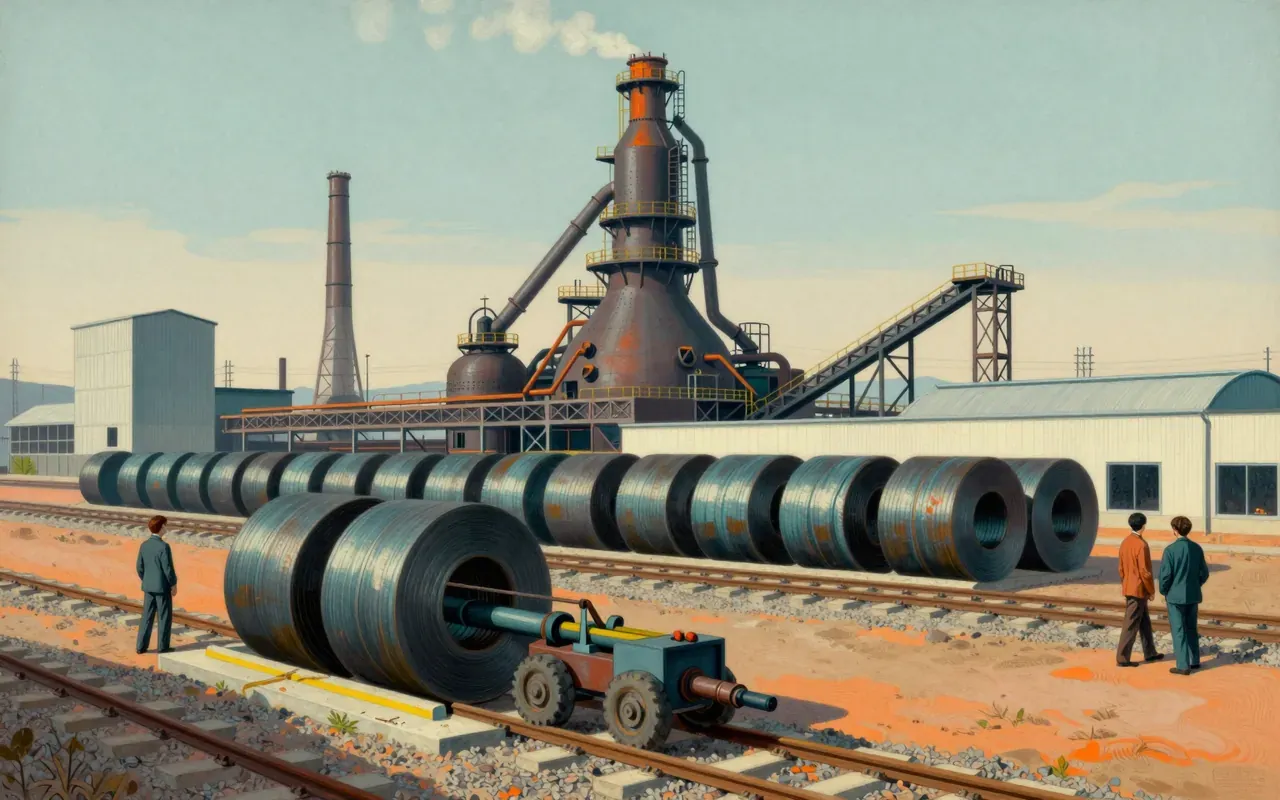
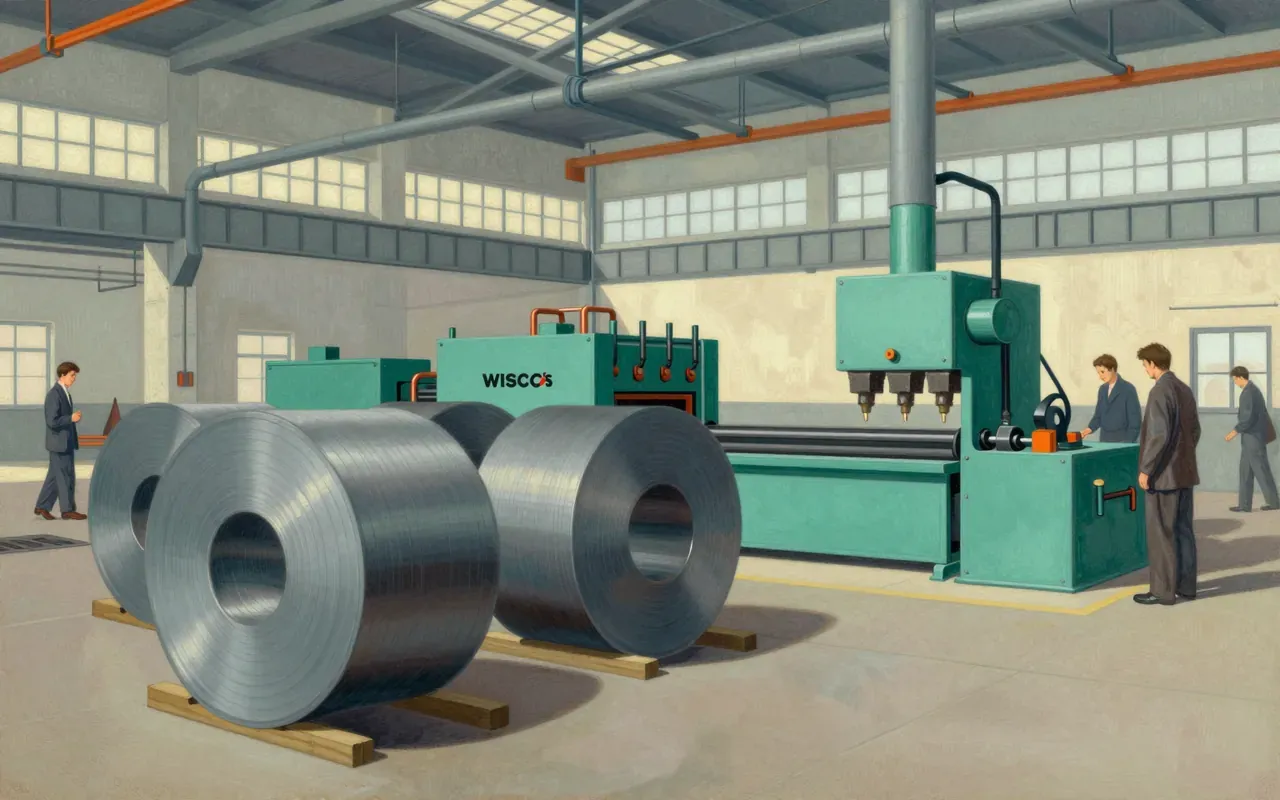
POSCO is a state-created steelmaker that achieved scale and productivity through sovereign backing — not market signals or founder vision.

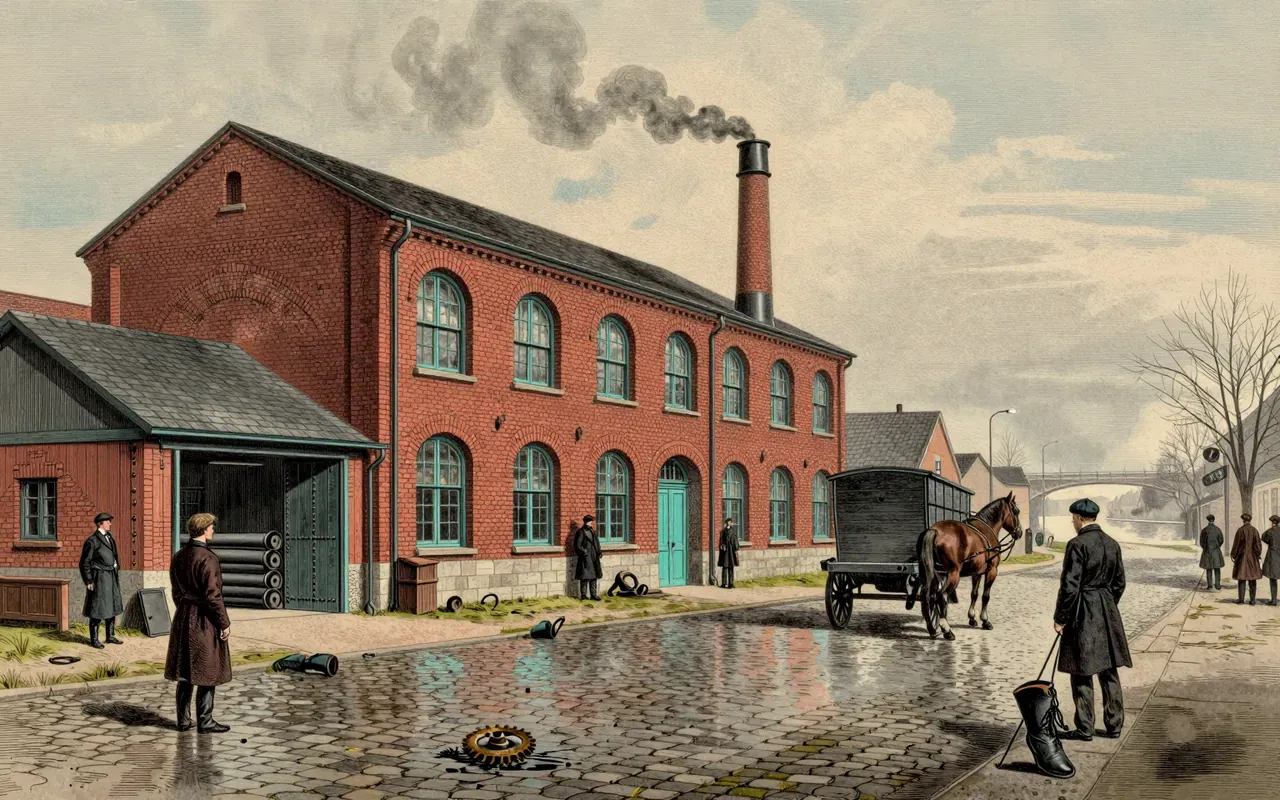


Rolex is a vertically integrated Swiss luxury watchmaker founded in London in 1905, whose early authority came from technical validation (Kew Observatory, 1914), wartime policy (RAF replacement), and structural control (foundation ownership since 1960). It claimed the first waterproof wristwatch case in 1926 — but Depollier patented a functionally identical design eight years earlier. No financial data appears in the sources.


Salesforce is a case study in narrative-first SaaS scaling: built on a slogan, funded by subscription growth, extended by platform logic, and recalibrated by AI-driven cost shifts—not disruption, but disciplined iteration.

Sega’s story is not about innovation or disruption — it is about sequential exit: from import to manufacture, from coin-op to console, from hardware to software. Its survival post-2001 rests on what it built before it tried to compete with Nintendo and Sony — arcade scale and Sonic.

Shein is a global fast fashion e-commerce platform founded in 2008 in Nanjing, China, and currently headquartered in Singapore. It began as a drop shipping-style operation sourcing from Guangzhou’s wholesale market, then transformed into a fully integrated retailer starting in 2012. Its product range spans women’s, men’s, and children’s apparel plus accessories and cosmetics, targeting Europe, the Americas, Australia, and the Middle East. Its growth has been tied to popularity among younger Millennials and older Gen Z consumers, enabled by low pricing and rapid trend response.





Warner Bros. is a trademarked asset that has outlived every corporate owner since its 1923 founding — surviving mergers, spin-offs, and acquisitions not through creative consistency, but because its library and IP rights remain licensable across shifting distribution models.

Zara is a case study in operational rigour, not branding or tech. Its advantage is physical: proximity, control, and repetition — not algorithms or virality.

Adidas is a German multinational athletic apparel and footwear corporation headquartered in Herzogenaurach. It was founded by Adolf Dassler in 1948, following the breakup of the Dassler Brothers Shoe Factory. Adidas makes money selling athletic apparel and footwear. Its revenue in 2024 was €23 billion. It operated 17 factories and generated one billion Deutschmarks in annual sales by 1978. Dassler’s focus on functional footwear innovation worked: he redesigned spiked running shoes, introduced interchangeable screw-in studs for football boots, and secured high-visibility athlete adoption (Jesse Owens, 1936). The three-stripe logo became a registered trademark in 1949 and a scalable visual identifier. The 1924 Dassler Brothers Shoe Factory was a shared venture — not Adidas — and dissolved in 1948 amid a rift. Post-war material shortages forced rapid reconversion from weapons to shoes — yet Adidas hit one billion Deutschmarks in sales by 1978. Adidas shows how a narrow technical advantage — screw-in studs, canvas-rubber spikes, the three-stripe trademark — can anchor decades of manufacturing expansion when paired with strict control over production, branding, and distribution channels. Yes — as a case study in how technical footwear innovation, trademark discipline, and athlete-led validation built industrial scale in post-war Europe — but only if you treat its origin story as a business reconstitution, not a founding myth.

ByteDance is an AI-driven content platform company built on internal competition, strategic acquisition, and rapid global scaling — not organic product leadership or transparent monetisation.

Goldman Sachs is a multinational investment bank and financial services company founded in 1869 and headquartered in New York City. It offers investment banking (advisory for mergers and acquisitions and restructuring), securities underwriting, prime brokerage, asset management, and wealth management. It acts as a market maker, operates private-equity and hedge funds, structures complex and tailor-made financial products, owns Goldman Sachs Bank USA (a direct bank), and trades both on behalf of clients and for its own account.


Morgan Stanley is a financial institution whose origin story is legally precise, but whose current identity is structurally ambiguous. It began as a Glass–Steagall-mandated spin-off — not a startup, not a rebellion, but a regulatory necessity. Its early market share proves execution mattered more than ideology. Its 1997 merger erased the line between investment banking and mass-market finance — yet the firm still trades on the prestige of 1935. That dissonance is the real story.

Tencent is a Chinese multinational technology conglomerate and holding company, co-founded in 1998 in Shenzhen. It is one of the highest-grossing multimedia companies globally by revenue and the world’s largest company in the video game industry by equity investments. Its first product, OICQ, launched in February 1999 and reached over one million registered users by year-end 1999. In 2000, Tencent secured $2.2 million in venture capital funding and adapted its platform for mobile messaging — generating 80% of revenue via telecom operator fee-sharing deals. After losing a U.S. arbitration case over domain names, it renamed OICQ to QQ in December 2000. By 2004, it held 74% of China’s instant messaging market and listed on the Hong Kong Stock Exchange.

Apple Inc. was founded in 1976 to market Wozniak’s Apple I. It achieved early success with the mass-produced Apple II. It pioneered graphical user interfaces via the Lisa (1983) and Macintosh (1984), launching desktop publishing in 1985 with the LaserWriter. Internal conflict led to Jobs’s 1985 departure. By 1997, Apple was losing money and failing to deliver a modern OS — prompting acquisition of NeXT and Jobs’s return as CEO. NeXTSTEP became the foundation of Mac OS X. Apple’s revival was structural, not inspirational.


Nokia's origin is industrial infrastructure, not digital ambition. Its longevity stems from disciplined capital management — not visionary foresight.

Nvidia is a fabless semiconductor company whose business model depends on external demand shocks, not internal cost control or manufacturing leverage.

PepsiCo is a post-1965 corporate construct. Its name recalls, but does not continue, Caleb Bradham’s 1893 pharmacy invention — a digestive soda that failed because of commodity price risk, not brand weakness.


Samsung’s origin contradicts its current identity: it was a trading and transport firm, not a tech innovator. Its electronics entry was late, small-scale, and licence-dependent — a strategic pivot enabled by infrastructure, not invention.
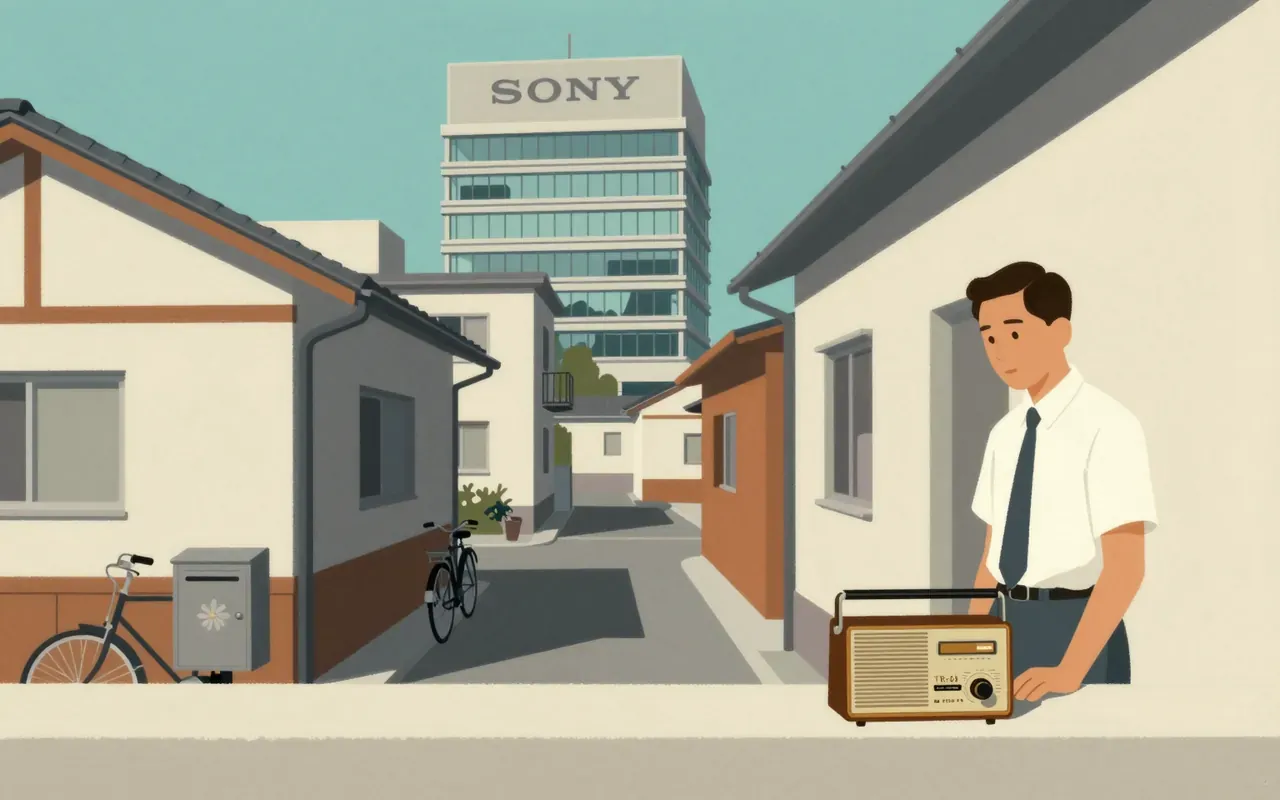
Sony’s early business model was hardware-first, export-first, and name-first — built on tangible, shipable, patentable devices that redefined category boundaries in foreign markets.

Starbucks is the world’s largest coffeehouse chain. It was founded in 1971 in Seattle as a coffee bean wholesaler. Howard Schultz transformed it into a company-owned coffeehouse chain serving espresso-based drinks. As of November 2022, it operated 35,711 stores in 80 countries. It held an IPO on June 26, 1992, raising $271 million to double its store count. It credits its growth to rejecting domestic franchising and positioning stores as social hubs — driving the second wave of coffee culture.

Stripe is infrastructure, not finance. It sells developer convenience — not banking services. Its $159bn valuation rests entirely on volume processed, not revenue disclosed, margins proven, or ownership of capital.

TikTok is a Chinese-origin short-form video platform launched internationally by ByteDance in September 2017 as the overseas counterpart to Douyin. It uses AI-driven recommendation algorithms to connect creators with audiences. It surpassed two billion mobile downloads by April 2020. Its corporate entity, TikTok Ltd, is incorporated in the Cayman Islands and headquartered in Singapore and Los Angeles. Zhang Yiming founded ByteDance in 2012 and explicitly framed global expansion as essential because China accounts for only one-fifth of global internet users. ByteDance acquired Musical.ly for US$800 million in August 2018 and integrated it into TikTok.

Toyota’s founding was a licensed, capital-backed industrial pivot — not a startup story.




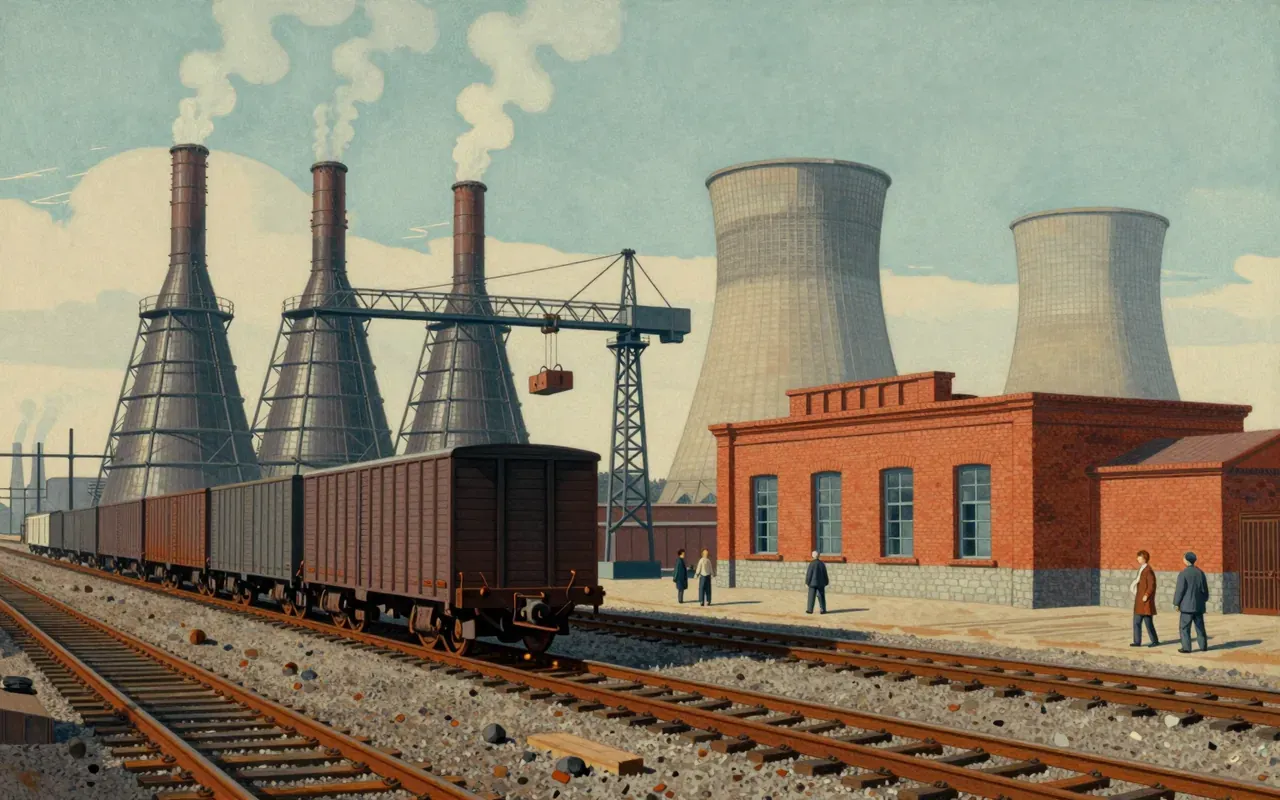



Hemköp is a Swedish supermarket chain owned by Axfood. It operated around 200 stores in 2024. Its business model relies entirely on physical retail scale within a consolidated ownership structure. No data is provided on margins, digital performance, private label, or customer behaviour. Its value lies in infrastructure reuse — not innovation.



The RJR Nabisco deal was a $25 billion leveraged buyout led by KKR in 1988 — the largest in history at the time. KKR’s $109-per-share bid prevailed over RJR management’s $112 offer because it was guaranteed. The transaction relied on institutional equity co-investors and a hostile tender offer. Post-acquisition, KKR repaid debt through asset sales and restructuring. Over 2,000 workers lost their jobs, most taking 5.6 months to find new work, and 72% who were rehired earned less than half their previous incomes.