businessbriefs
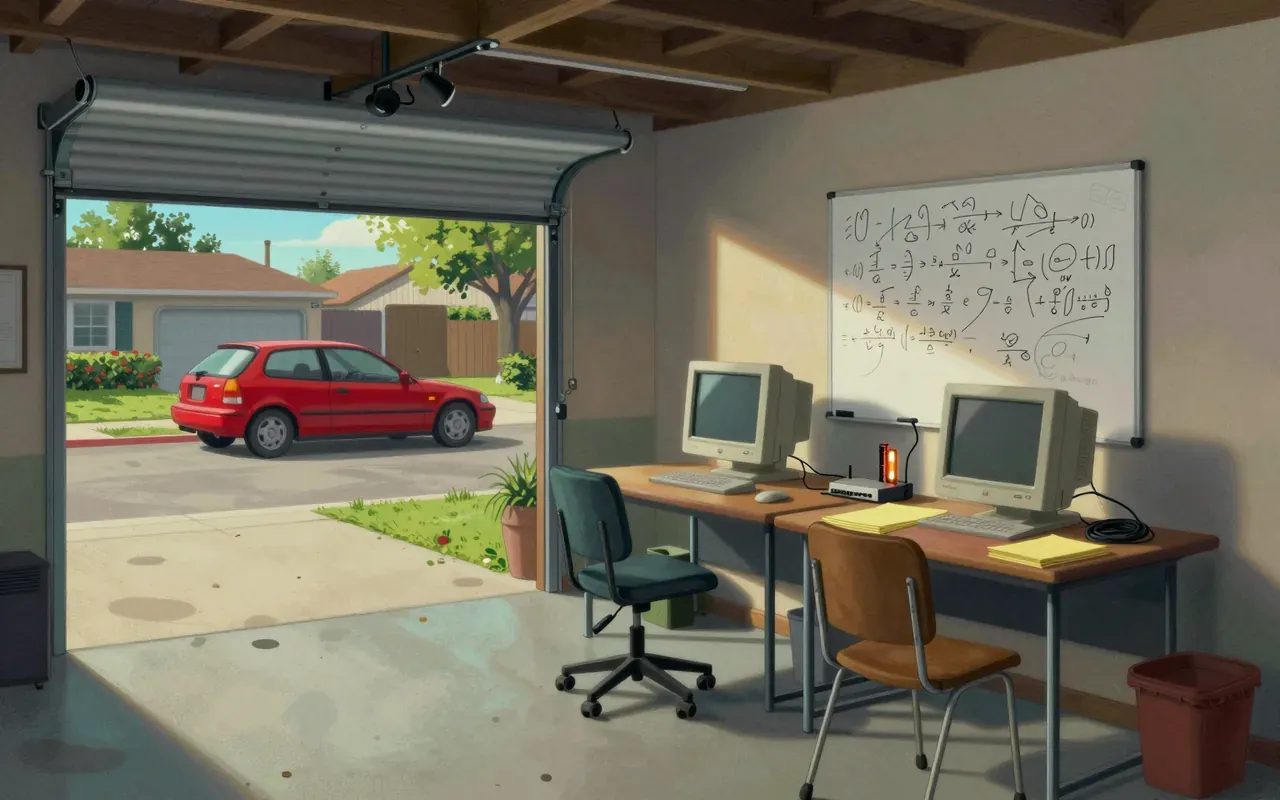
10:36in productionCh. 1 · Crist Drive, April 1, 1976/ 10:36 · ceiling 15 min
Startups & venture

Steve Jobs

Steve Jobs didn’t invent the Mac — he packaged Xerox’s GUI, Wozniak’s engineering, and Adobe’s PostScript into a profitable system.

Apple was a hardware business built around Wozniak’s engineering and Jobs’s distribution instincts — not a software or services company, not a lifestyle brand, and not yet a platform. Its first major success came not from a standalone device, but from a three-part system sale that created a new market.

Chapters & takeaways4
  1. 1:15
    Crist Drive, April 1, 1976

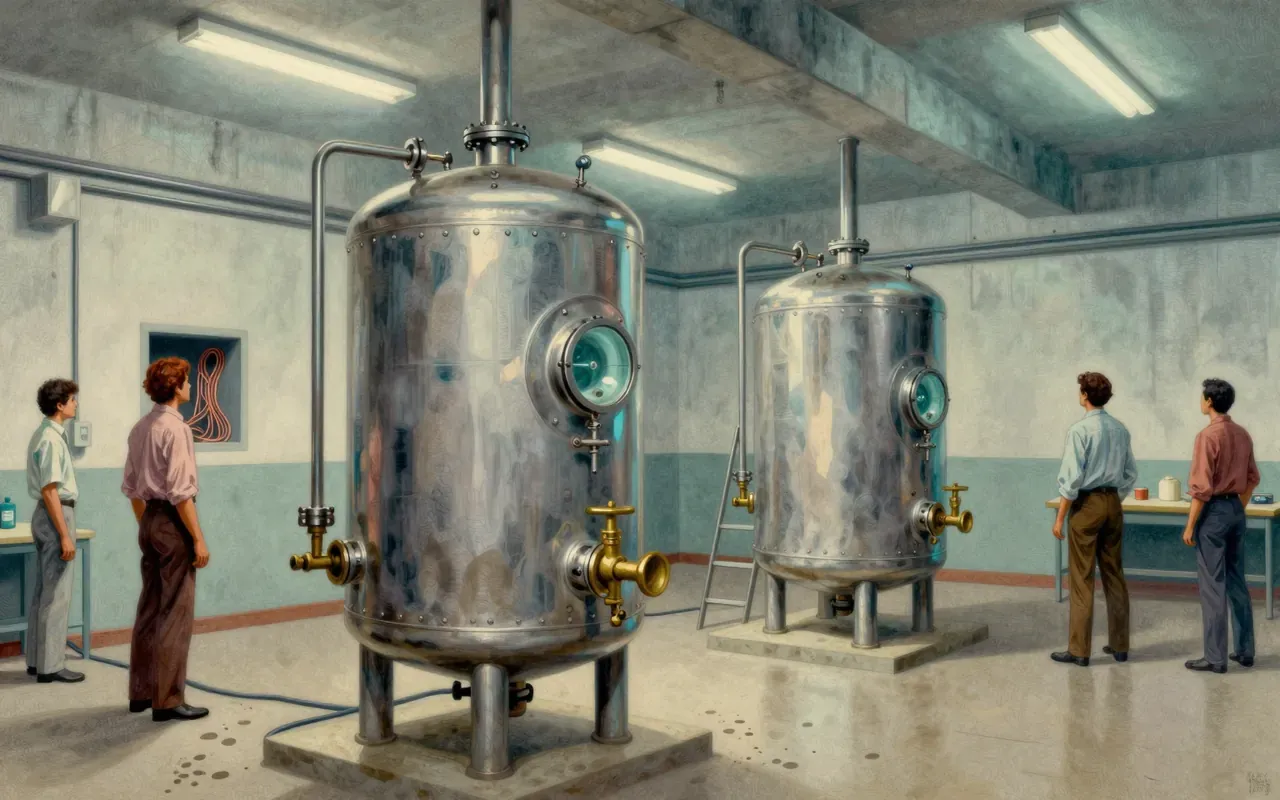
    Apple began as a partnership in a suburban garage — not a mythic garage, but a documented address: Crist Drive.

  2. 3:07
    The Apple I Was the Product

    Apple existed to sell Wozniak’s Apple I — not to change the world, but to commercialise one engineer’s prototype.

  3. 5:00
    Xerox Alto, 1979

    The Macintosh was a direct response to Xerox PARC — not original research, but rapid, focused technology transfer.

  4. 6:30
    1985: The First System Sale

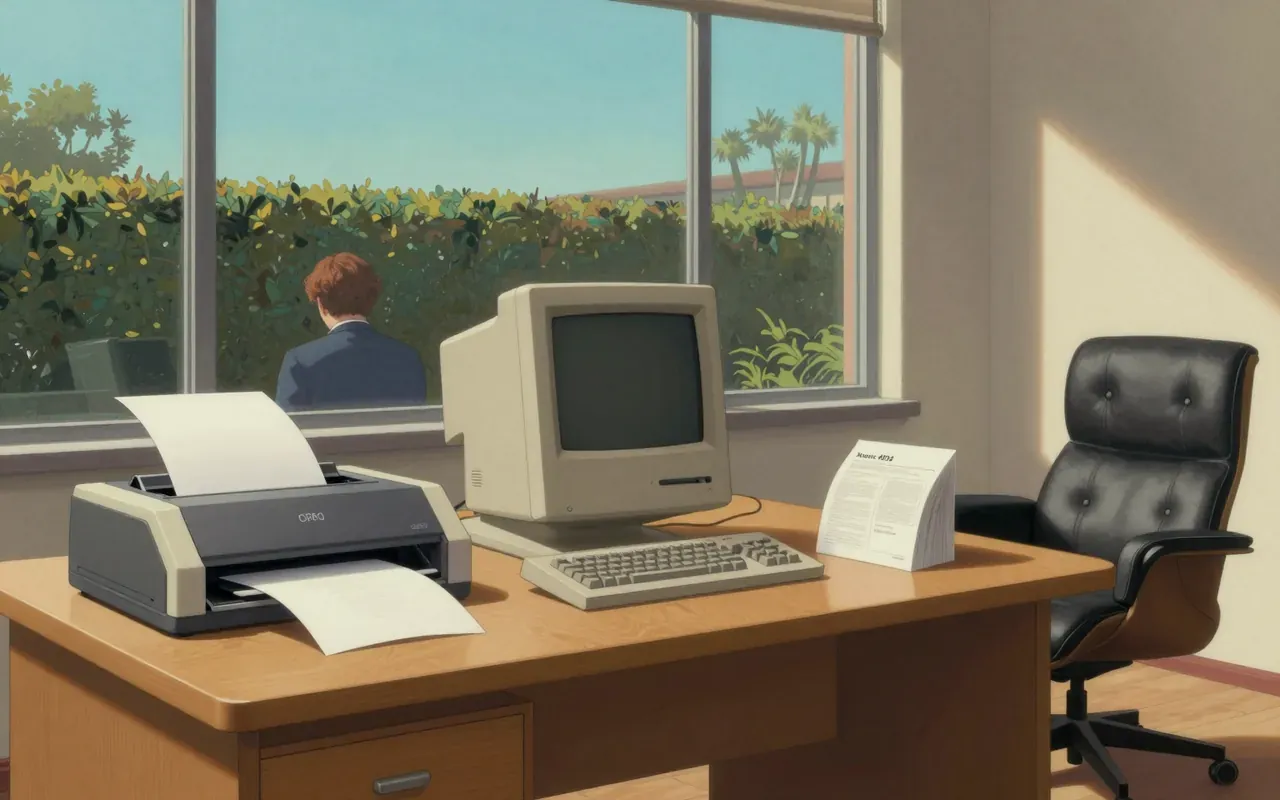
    Desktop publishing started in 1985 — not with the Mac alone, but with the Mac *plus* LaserWriter *plus* PageMaker.

Worth your time?

Yes. Study the whole thing.

4/ 5
What works
  • business/startups-and-venture
  • business/product
  • business/strategy
  • business/hardware
What does not
  • business/company-stories
  • business/founders
  • business/rise-and-fall
Study it if
  • product managers
  • hardware engineers
  • early-stage founders
Skip it if
  • brand strategists
  • VC analysts
  • biographers
The written brief1 min read

What the company or idea is

Apple Inc. is a computer company co-founded in 1976 to develop and sell Steve Wozniak’s Apple I personal computer.

How it actually makes money

Apple made money by selling personal computers — first the Apple I, then the Apple II, Lisa, and Macintosh — and later by bundling hardware with proprietary software and peripherals like the LaserWriter.

What works

The Macintosh 128K and Apple LaserWriter together launched desktop publishing in 1985 — a real, measurable industry shift driven by hardware-software-peripheral synergy.

What does not

The Lisa failed commercially. Jobs’s insistence on closed hardware-software integration limited third-party development and raised costs without guaranteeing adoption.

What to take from it

Founders matter less than their constraints: Jobs leveraged access to Xerox PARC’s GUI research, but turned it into a product only when paired with a laser printer and desktop publishing software — a system play, not a solo invention.

Is it worth your time

Yes, if you are studying how a founder’s operational choices — not vision or charisma — shape product-market fit, pricing, and vertical integration in early computing.

Same desk · Startups & venture4 of 52
12:42
Google DeepMindDemis Hassabis · 2010Google DeepMind is a research lab, not a business. Its value lies in its ability to produce peer-recognised scientific milestones — not revenue, not IP licensing, not product deployment. It proves that one company can fund high-risk, long-horizon AI research at industrial scale — but only by insulating it entirely from market logic.
8:28
GoogleLarry Page & Sergey Brin · 1998Google is a search engine company founded in 1998 by Larry Page and Sergey Brin. Its core technology, PageRank, ranked websites by inbound links — a method co-published with Motwani and Winograd and patented by Stanford. Scott Hassan wrote the first implementation. The company launched from Susan Wojcicki’s garage. Its name misspelled 'googol' to signal scale. Initial funding came from Andy Bechtolsheim’s $100,000 cheque in August 1998. The sources say nothing about advertising, revenue, users, infrastructure costs, or market position beyond this.
10:33
BioconKiran Mazumdar-Shaw · 1978Biocon is a rare case of a biotech company built without VC, without US incorporation, and without founder exit—its growth was constrained and enabled by Indian law, not Silicon Valley logic.
9:14
Jack DorseyJack Dorsey founded Twitter in 2007 after conceiving a real-time status service in 2000. He led its early development with explicit design principles—simplicity, constraint, craftsmanship—and prioritised technical reliability (uptime) over monetisation. Twitter had no revenue model as of 2008. Dorsey identified commercial use and API access as future paths to paid features, but neither yielded income during his first tenure. He secured two rounds of venture capital while deferring all revenue decisions.
Up next in Business

Sumitomo Corporation

1919 · 11:00

A '1919 company' that legally ceased to exist in 1947 — and rebuilt itself not as a startup, but as a sovereign-grade trading apparatus.

11:00