
Peter Thiel
Thiel sells liberation from inflation—but builds everything in dollars.
A place, an industry and an ideology, in that order.


AMD is not a story of disruption — it is a story of licensed dependence, contested access, and court-mandated self-reliance in semiconductor design.

Facebook is an American social networking service founded in 2004 by Mark Zuckerberg and four Harvard College roommates; initially limited to Harvard students, it expanded to other North American universities and then globally to users aged 13+ (14+ in select regions) starting in 2006; as of December 2023 it had ~3.07 billion monthly active users and as of July 2025 ranked third globally by web traffic, with 23% originating from the US; it was the most downloaded mobile app of the 2010s and is accessible across internet-connected devices including PCs, tablets, and smartphones; its headquarters are in Palo Alto, California.
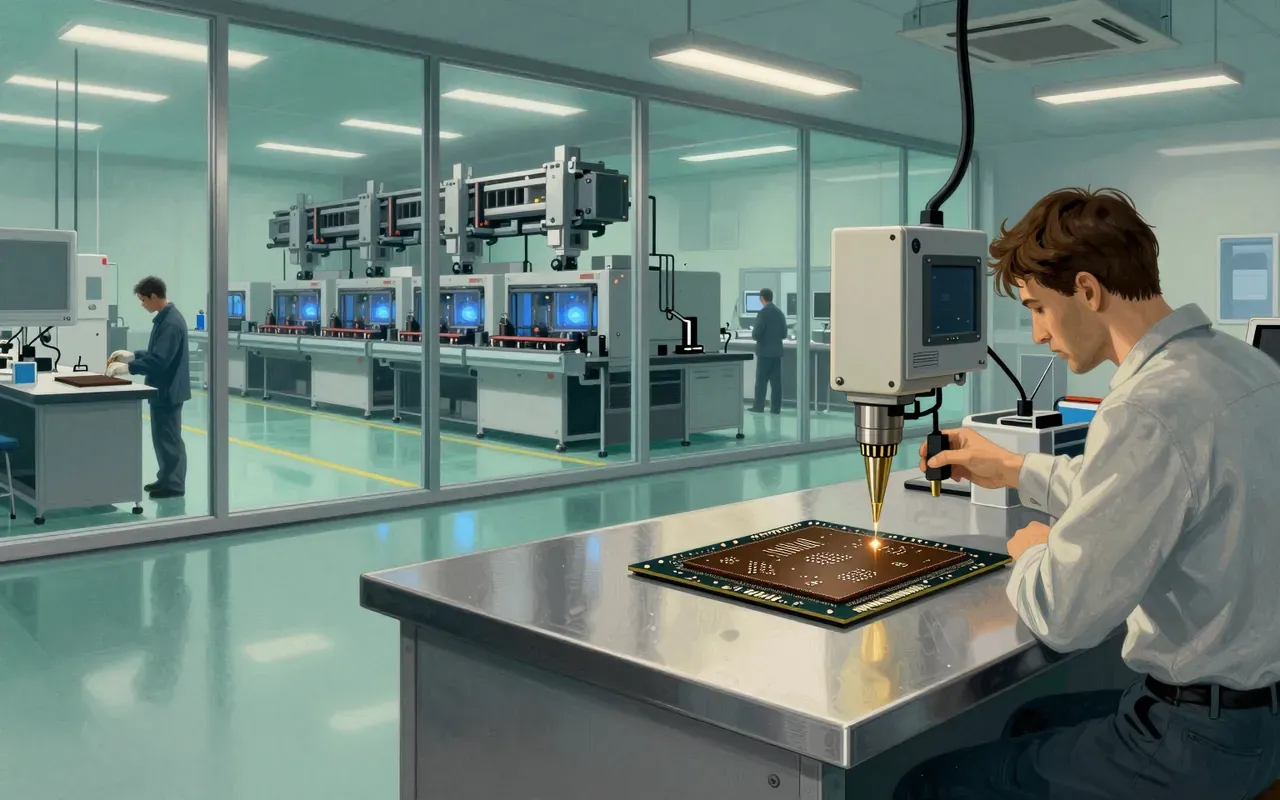
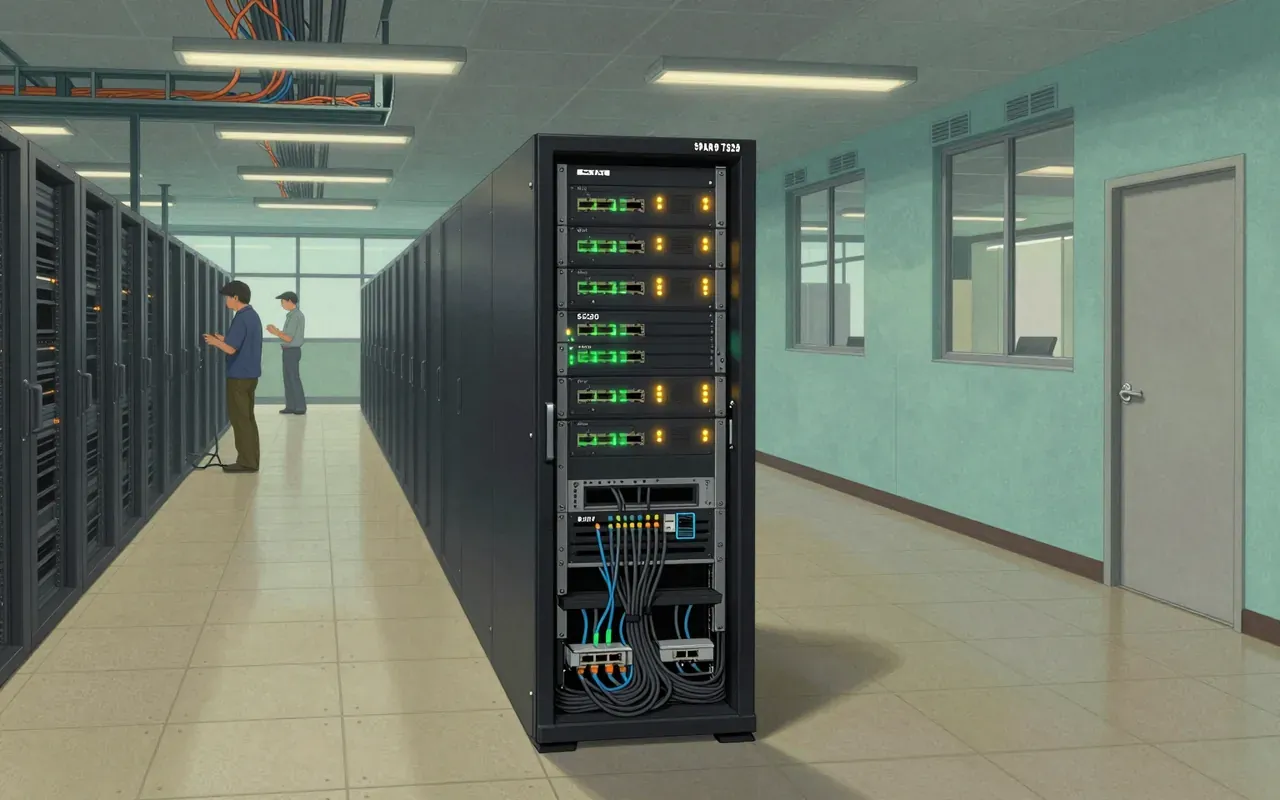


Oracle Corporation is a multinational technology company founded in 1977 in Santa Clara, California, by Larry Ellison, Bob Miner, and Ed Oates. It sells database software (especially Oracle Database), enterprise applications (ERP, HCM, CX, SCM), and cloud infrastructure and hardware. By the mid-2000s, it had become the world's largest enterprise software vendor. Its foundational database design drew from Edgar F. Codd’s relational model paper. IBM’s delay in releasing a relational database for Unix and Windows allowed Oracle to dominate mid-range and microcomputer systems. Oracle acquired Sun Microsystems in 2010 after regulatory approval in the U.S. and EU.

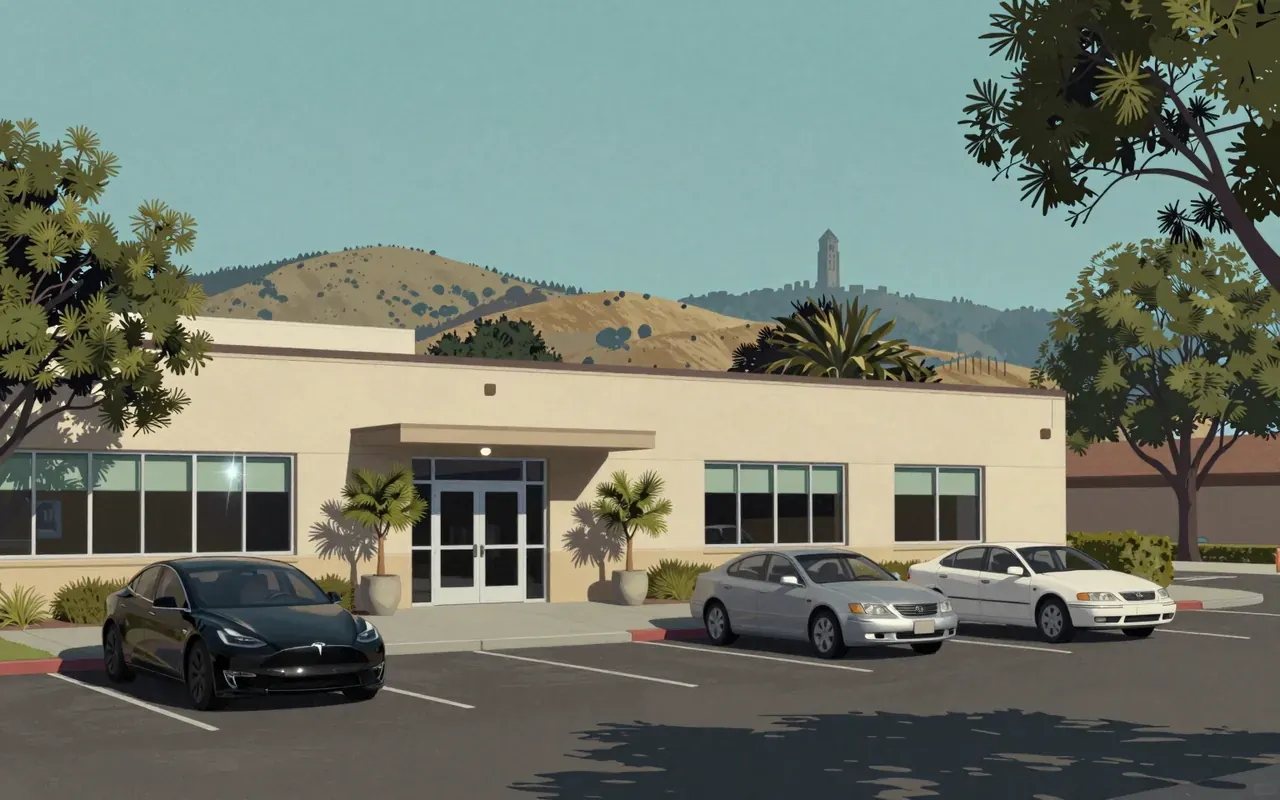
Theranos was a health technology company founded in 2003 in Palo Alto, California, that falsely claimed to perform rapid, accurate blood tests using minimal blood volume via proprietary devices; investigations revealed it relied on conventional machines, produced inaccurate results, voided two years of Edison data, and misrepresented its capabilities to investors, partners, and regulators.

Twitter, Inc. was a social media company founded in March 2006 in San Francisco, spun off from Obvious Corporation (formerly Odeo), operating the Twitter platform and other services. It prioritised uptime and design principles over revenue until after 2008, grew to over 100 million users by 2012 and 330 million monthly active users by 2019, went public in November 2013, and was acquired by Elon Musk for $44 billion in April 2022 before merging into X Corp. in April 2023. No source states its revenue model, unit economics, or profitability.

YouTube was a technical execution of a simple idea—upload and share video—with no monetisation strategy. Its founders leveraged prior wealth, network access, and timing to achieve rapid scale, then sold to Google before proving sustainability. The gap between usage and revenue was never closed—it was exited.

Intel is a foundational semiconductor company whose business model pivoted from memory to microprocessors—and whose lasting leverage came from controlling the x86 instruction set, not just fabrication.

Apple Inc. was founded in 1976 to market Wozniak’s Apple I. It achieved early success with the mass-produced Apple II. It pioneered graphical user interfaces via the Lisa (1983) and Macintosh (1984), launching desktop publishing in 1985 with the LaserWriter. Internal conflict led to Jobs’s 1985 departure. By 1997, Apple was losing money and failing to deliver a modern OS — prompting acquisition of NeXT and Jobs’s return as CEO. NeXTSTEP became the foundation of Mac OS X. Apple’s revival was structural, not inspirational.

OpenAI is a public benefit corporation whose legal structure separates nominal mission stewardship (26% nonprofit ownership) from actual control and value capture. Its market impact is real—ChatGPT became the fifth-most-visited site globally—but its $852bn valuation reflects investor appetite for AI infrastructure access, not verified unit economics, revenue, or margin discipline. Microsoft’s $13bn investment funds development but does not constitute revenue. The gap between OpenAI’s self-description as a public benefit entity and its operational reality is structural—not incidental.