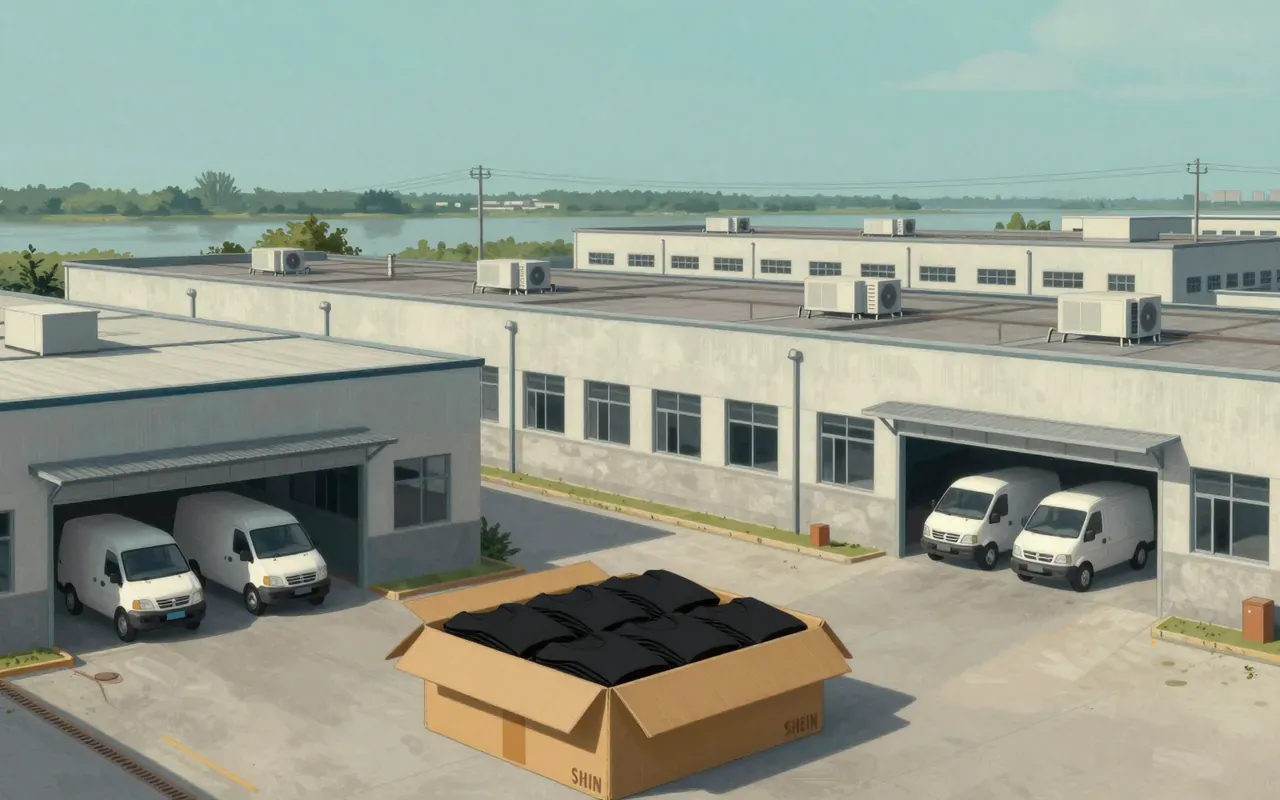
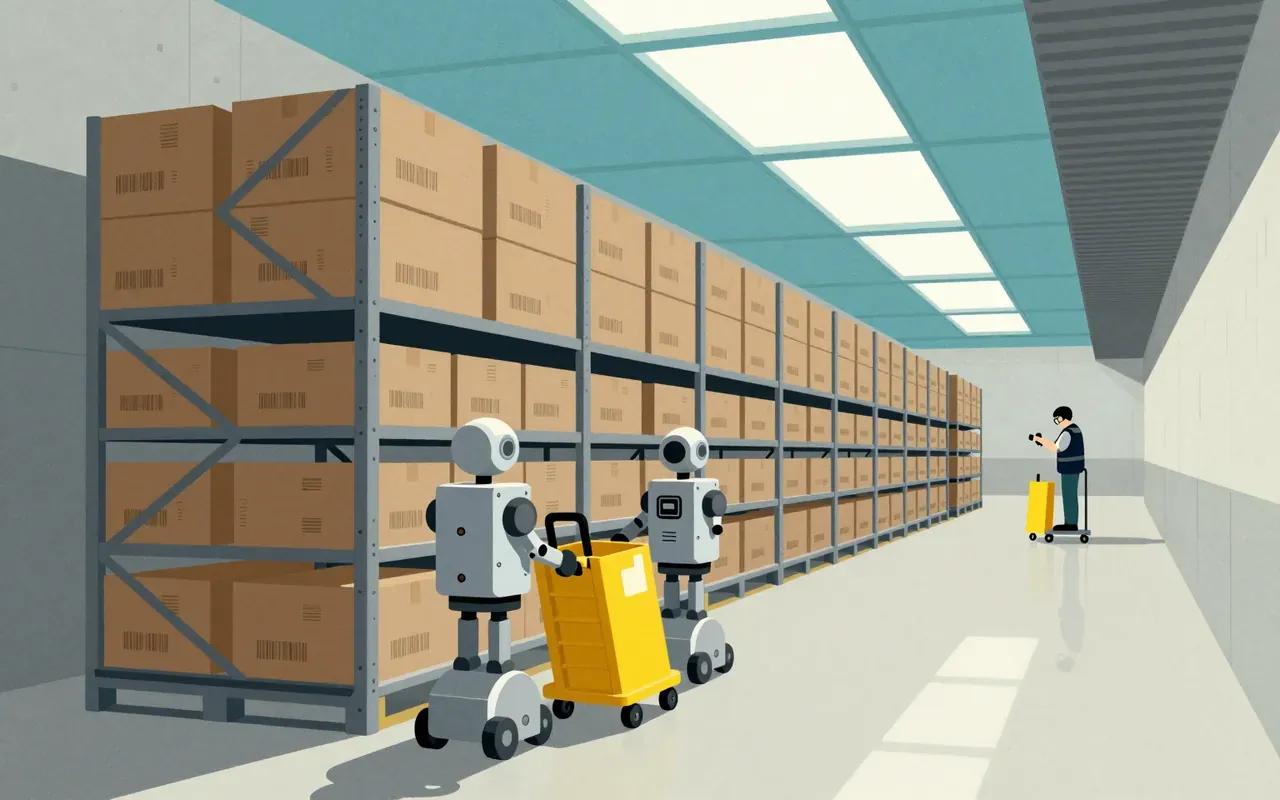
Shein didn’t build factories — it built a nervous system for fashion’s supply chain.
Shein is a global fast fashion e-commerce platform founded in 2008 in Nanjing, China, and currently headquartered in Singapore. It began as a drop shipping-style operation sourcing from Guangzhou’s wholesale market, then transformed into a fully integrated retailer starting in 2012. Its product range spans women’s, men’s, and children’s apparel plus accessories and cosmetics, targeting Europe, the Americas, Australia, and the Middle East. Its growth has been tied to popularity among younger Millennials and older Gen Z consumers, enabled by low pricing and rapid trend response.
Shein started as a middleman — not designing or making clothes — then rewired itself into a tightly coordinated retailer without owning production.
2:24
Platform First, Fashion Second
It is a global e-commerce platform first, a fashion brand second — with product range and geography defined by algorithmic demand signals, not cultural authority.
3:40
Growth Anchored in a Single Demographic
Becoming the world’s largest fashion retailer by 2022 relied entirely on capturing Gen Z and younger Millennial spending — not on premium pricing or brand loyalty.
5:57
Singapore Is a Flag, Not a Factory
Headquarters moved to Singapore — a strategic signal, not an operational shift — while manufacturing and supplier coordination remained rooted in Guangdong province.
Worth your time?
Yes. Study the whole thing.
4/ 5
What works
real-time responsiveness
hyper-targeted digital distribution
relentless cost discipline across fragmented supplier base
What does not
owns factories
sets industry-wide labour or environmental standards
governs production
Study it if
students of platform strategy
analysts of global manufacturing coordination
retail operators facing margin pressure
Skip it if
brand strategists seeking heritage models
ESG investors expecting transparency
design-led fashion practitioners
The written brief1 min read
What the company or idea is
Shein is a global fast fashion e-commerce platform founded in 2008 in Nanjing, China, now headquartered in Singapore. It sells women’s clothing as its primary category, plus men’s and children’s apparel, accessories, cosmetics, shoes, and bags.
How it actually makes money
Shein makes money by selling low-cost fast fashion directly to consumers via its global e-commerce platform. It does not design or manufacture most products itself — it began by drop shipping from Guangzhou’s wholesale market, and even after building its own supply chain from 2012, it relies on a dense network of third-party suppliers in China.
What works
Its model works because it targets younger Millennials and older Gen Z with ultra-low prices and rapid trend replication. Its shift from drop shipping to a self-built supply chain system starting in 2012 enabled tighter feedback loops between consumer data and production.
What does not
Shein does not own factories. It does not set industry-wide labour or environmental standards. Its integration stops short of vertical ownership: it coordinates, pressures, and aggregates — but does not govern — production.
What to take from it
Shein proves that dominance in fast fashion no longer requires brand heritage, physical retail, or upstream control — only real-time responsiveness, hyper-targeted digital distribution, and relentless cost discipline across a fragmented supplier base.
Is it worth your time
Yes — if you are studying how scale, speed, and platform control can compress fashion’s traditional value chain, while exposing structural dependencies on opaque supplier networks and algorithmic demand sensing.