businessbriefs
9:26in productionCh. 1 · Where and when it began/ 9:26 · ceiling 15 min
Companies

John Deere

A steel plow built a corporation — not vision, not software, but polish, power, and prairie soil.

John Deere is not a tech company. It is a manufacturer whose first product solved a tactile, geographic problem — soil adhesion — with a repeatable material fix. Its growth followed physical logic: water power, then scale, then diversification. Financial services are noted but undated. Nothing in the sources supports claims about digital transformation, autonomy, or data-driven farming.

Chapters & takeaways5
  1. 1:06
    Where and when it began

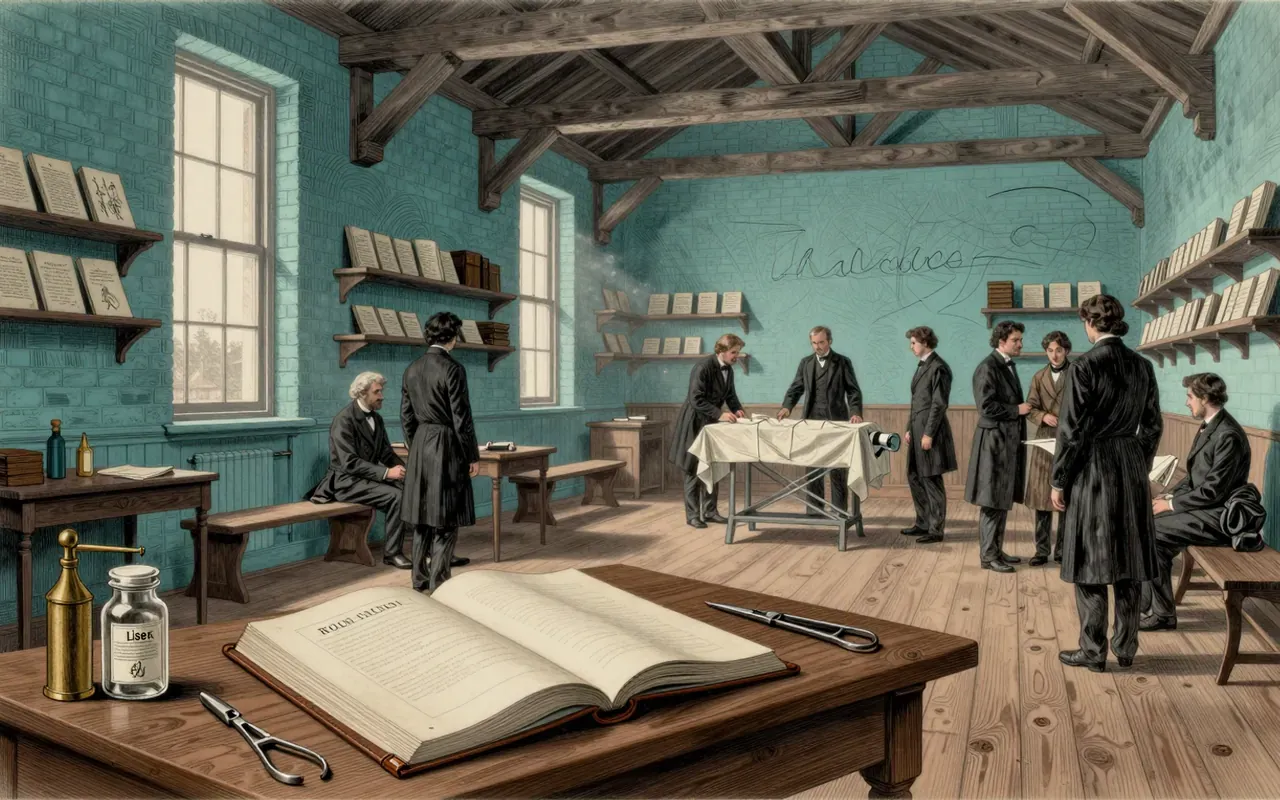
    Founded in 1836, headquartered in Moline, Illinois — a Midwestern industrial anchor from day one.

  2. 2:17
    What the plow actually did

    The 1837 steel plow succeeded because its polished surface physically repelled soil — no marketing, no metaphor, just metallurgy.

  3. 3:33
    What the plow enabled

    This wasn’t just better farming — it reshaped settlement patterns across the American Great Plains.

  4. 5:04
    How it scaled

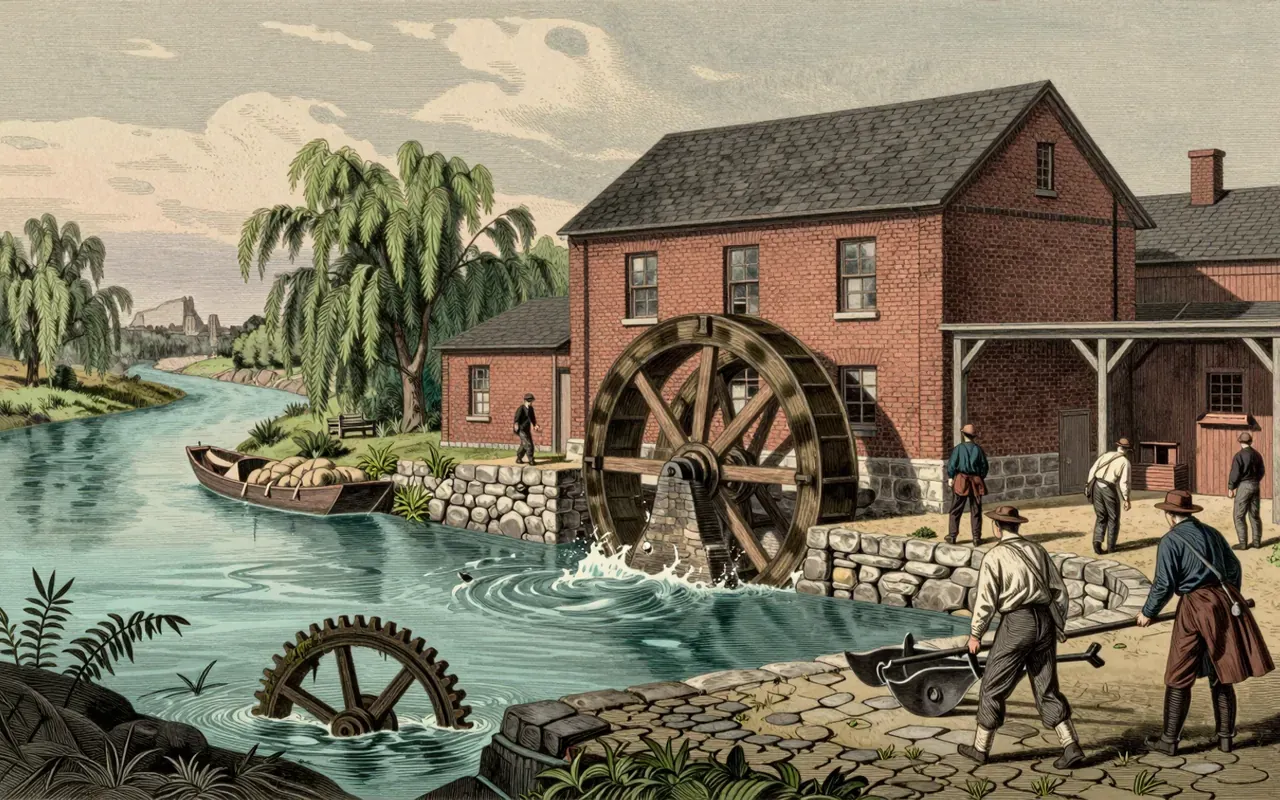
    By early 1843, Deere had moved beyond blacksmithing to water-powered factory production — scaling through infrastructure, not capital markets.

  5. 6:08
    What it sells now

    Today’s business is broader than plows: machinery, drivetrains, diesel engines — and financial services.

Worth your time?

Yes. Study the whole thing.

4/ 5
What works
  • material innovation as competitive advantage
  • infrastructure-led scaling
  • product-market fit defined by soil physics
What does not
  • digital strategy
  • software
  • data
  • autonomy
Study it if
  • historians of industrial manufacturing
  • students of agricultural infrastructure
  • analysts of embedded finance in hardware
Skip it if
  • investors seeking growth metrics
  • tech strategists looking for AI playbooks
  • founders seeking startup inspiration
The written brief1 min read

What the company or idea is

John Deere is an American corporation founded in 1836 in Illinois, manufacturing agricultural and heavy equipment, with origins in the 1837 self-scouring steel plow.

How it actually makes money

John Deere makes money by manufacturing agricultural machinery, heavy equipment, forestry machinery, diesel engines, drivetrains, and lawn care equipment. It also provides financial services.

What works

The self-scouring steel plow worked because it solved a specific physical problem — sticky prairie soil — with a reproducible material solution. It enabled farming on previously uncultivable land and aided migration into the Great Plains.

What does not

The sources do not establish revenue, profit, market share, valuation, headcount, or any post-1843 business model details. They say nothing about software, autonomy, data, subscriptions, or modern digital strategy.

What to take from it

Its early advantage was mechanical: a polished steel surface that shed soil. Its scaling was infrastructural: water-powered factory production by 1843. Its financial services came later — the sources do not date them.

Is it worth your time

Yes — if you are studying how industrial manufacturing, material innovation, and embedded finance co-evolved in US agriculture over nearly two centuries.
Same desk · Companies4 of 217
12:57
MeituanWang Xing · 2010Meituan is a Chinese technology company headquartered in Beijing that operates a platform for local services, including on‑demand food delivery, in‑store services, consumer reviews under Dazhong Dianping, hotel and travel bookings, and instant retail. It monetises through fees on its platform, taking a commission on food delivery orders and charging merchants for booking and in‑store services. Meituan’s rapid user growth is driven by its extensive coverage of local services, its integration of food delivery, in‑store services, and hotel bookings creating a one‑stop shop, and its large merchant base of 14.5 million active merchants providing network effects. Meituan faces regulatory scrutiny in China, its 2021 post by Wang Xing triggered a 7.1 % share plunge and anti‑monopoly investigation, and the company has been subject to scrutiny by Beijing Municipal Human Resources and Social Security Bureau. Meituan demonstrates the power of a diversified local‑services platform, its ability to scale across cities and internationally shows the importance of network effects, and its regulatory challenges highlight the need for compliance awareness. Meituan offers a case study in rapid scaling and diversification, but its regulatory risks caution investors.
10:56
ABBCharles Eugene Lancelot Brown · 1988ABB is a post-merger industrial incumbent whose value lies in proven, regulated, physical infrastructure — not software, platforms, or scalability stories.
10:50
AbbVie2012AbbVie is a textbook example of post-innovation pharmaceutical value extraction — built on a single blockbuster, sustained by patent thickets and pricing, checked only by biosimilars and congressional scrutiny.
11:08
Abu Dhabi National Oil Company1971ADNOC is the state-owned oil company of Abu Dhabi, UAE — founded by concession in 1939, ranked 12th globally by production, and expanding output to 5 million barrels per day by 2027. It is the UAE’s largest oil company. Output rose from ~2.5 mbpd in the 1990s to 2.9 mbpd in 2008 and 4.85 mbpd in 2024. It is described as efficient and well managed, but financially opaque. It is one of few oil companies increasing production amid climate pressure.
Up next in Business

Johnson & Johnson

Robert Wood Johnson · 1886 · 10:01

A medical supply company that sold authority before it sold medicine.

10:01