
Biz Stone
A creative director who co-patented Twitter but never ran its business — and whose second act at the company changed nothing.
The moment credited to one person and owed to many.

John Deere is not a tech company. It is a manufacturer whose first product solved a tactile, geographic problem — soil adhesion — with a repeatable material fix. Its growth followed physical logic: water power, then scale, then diversification. Financial services are noted but undated. Nothing in the sources supports claims about digital transformation, autonomy, or data-driven farming.
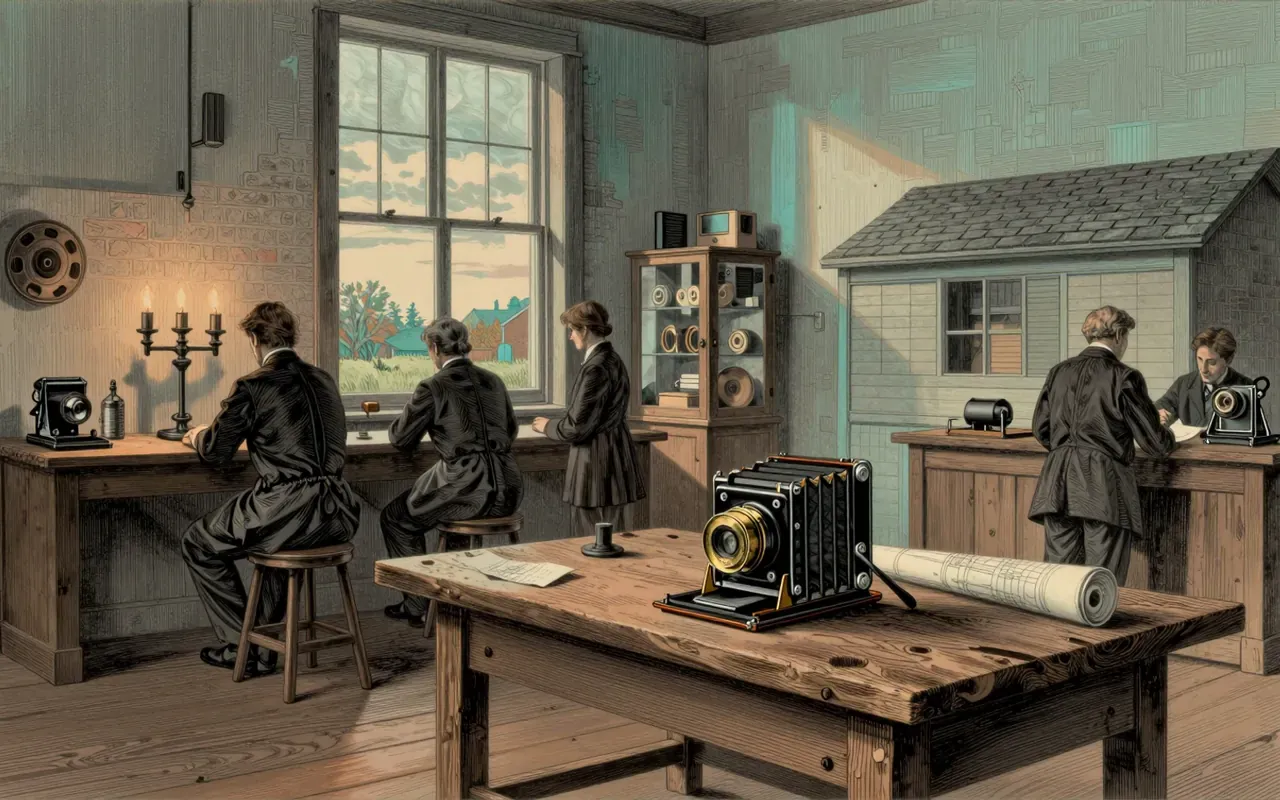
Kodak was not a camera company first — it was a film company that used cameras to distribute its consumable. Its 1888 system created a new market by removing technical barriers. Its dominance came from controlling the film supply chain, not the hardware. No source mentions digital disruption, so the brief stops at peak film-era success.
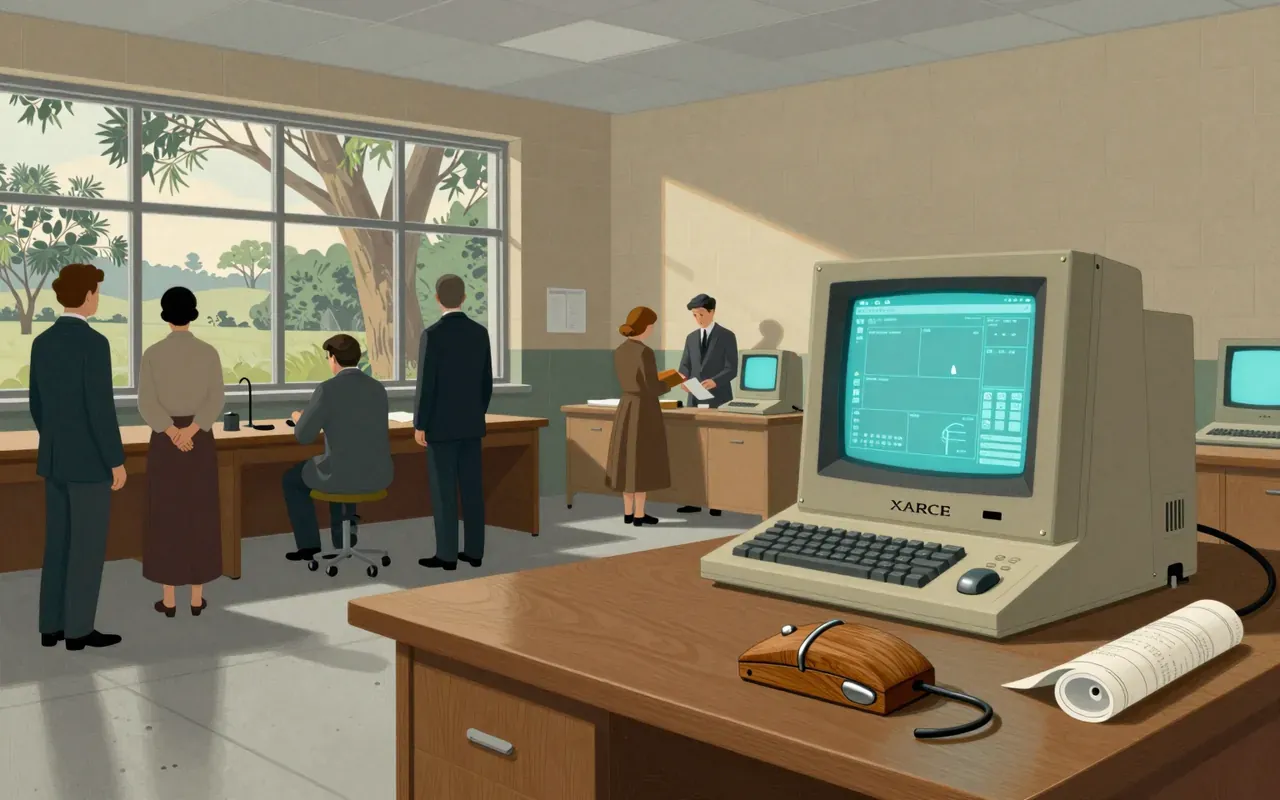
Xerox pioneered the photocopier market starting with the Xerox 914 in 1959; Joseph C. Wilson signed an agreement in 1946 to develop Chester Carlson's invention commercially; before the 914, Xerox tested the market with the Flat-plate 1385 prototype, which proved nonviable due to slow speed; the 914—the first plain paper photocopier—was developed by Carlson and John H. Dessauer; researchers at Xerox and PARC invented key personal computing elements including the GUI, mouse, and desktop computing; Xerox opened PARC in 1970; and Gary Starkweather invented the laser printer in 1969 by modifying a Xerox 7000 copier.

Nike’s origin is a textbook case of a startup succeeding not by inventing a category, but by reengineering a supply chain — then iterating relentlessly on one functional detail: traction.
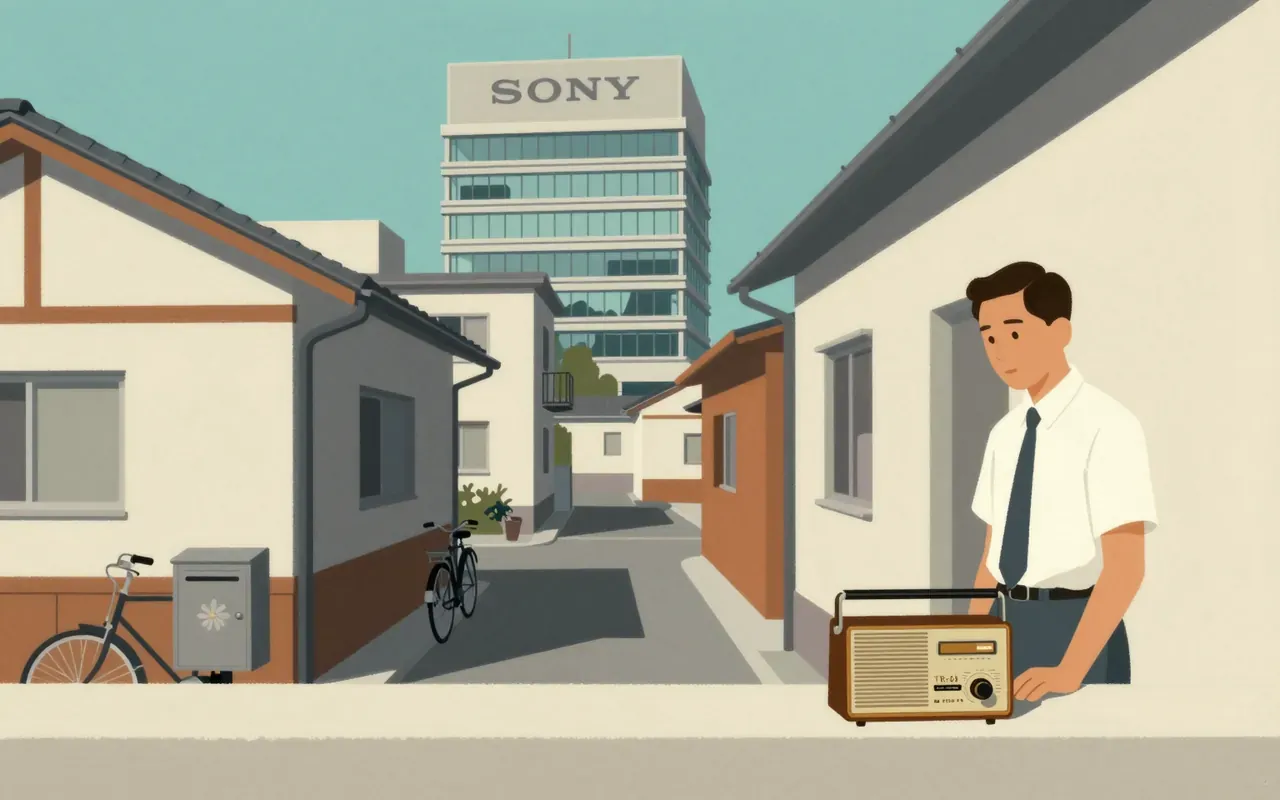
Sony’s early business model was hardware-first, export-first, and name-first — built on tangible, shipable, patentable devices that redefined category boundaries in foreign markets.