What the company or idea is
Nintendo is a Kyoto-based playing-card company founded in 1889 as an unincorporated workshop producing hanafuda, later expanding into Uta-garuta (1890), Trump cards (1902), and plastic cards (1953).
How it actually makes money
Nintendo made money by selling physical playing cards — first handmade hanafuda, then mass-produced plastic decks — using proprietary wood-block printing and distribution contracts with high-turnover venues like clubhouses.
What works
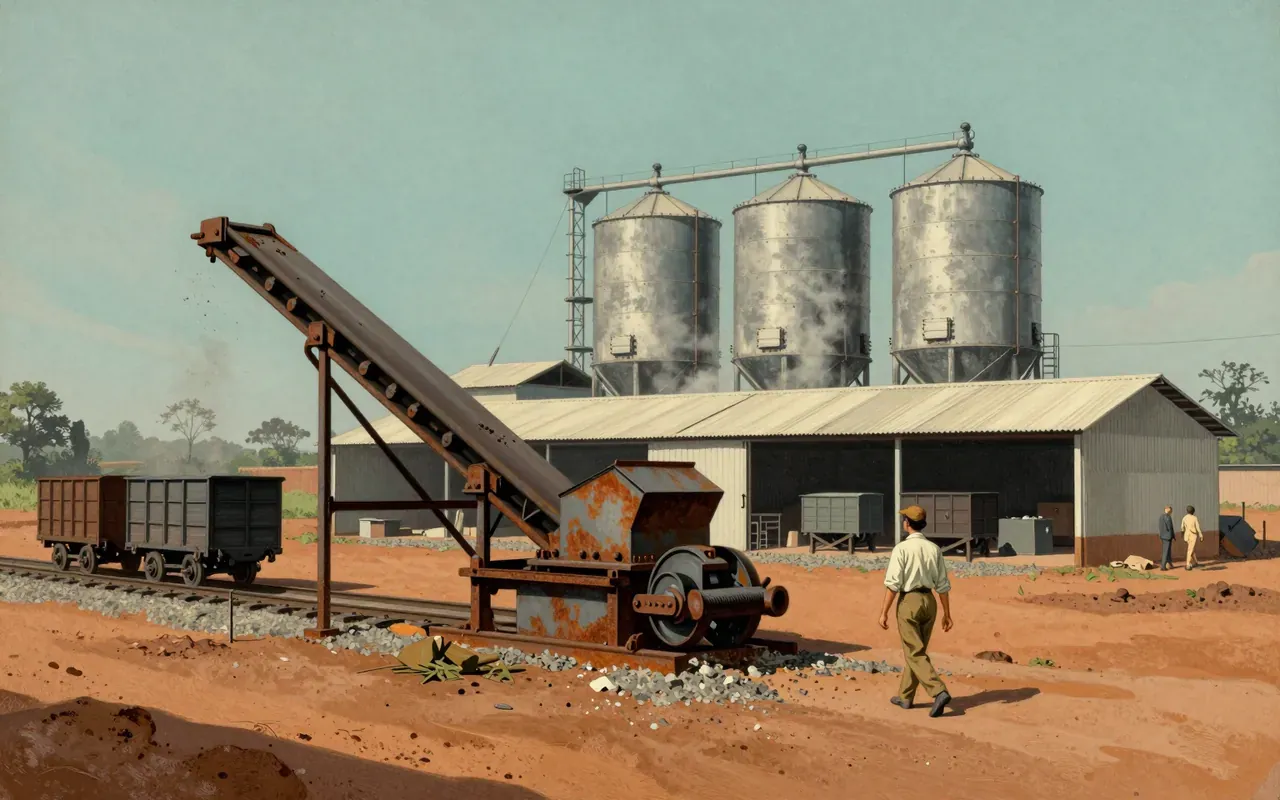
Fusajiro’s wood-block printing machine, self-designed and built, enabled consistent quality and cost control. His segmentation of decks (Napoleon-illustrated Daitōryō for Kyoto elites) and exclusive clubhouse contracts created predictable, high-volume demand.
What does not
Nintendo did not build its early dominance on brand storytelling or cultural resonance. Its success relied on mechanical advantages — custom printing, segmented deck design (Daitōryō vs. Tengu), and contractual lock-in with venues using ≥50 decks per night — not emotional appeal.
What to take from it
The gap between Nintendo’s origin story — ‘craftsman Fusajiro Yamauchi’ — and its actual operation reveals a disciplined, tax- and turnover-optimised manufacturing business, not a romantic artisanal venture.
Is it worth your time
Yes, if you study how durable business models emerge from material constraints, not technological leaps: Nintendo’s pivot from hanafuda to Trump cards in 1902 was a tax-avoidance play, not a creative evolution.