businessbriefs
10:44in productionCh. 1 · Before the company, there was the Voiturette/ 10:44 · ceiling 15 min
Companies

Renault

Renault didn’t disrupt transport — it colonised the taxi rank.

Renault’s early business was built on three concrete moves: selling before incorporation, vertically integrating engine production, and dominating municipal taxi supply — not on vision, branding, or disruption.

Chapters & takeaways4
  1. 1:08
    Before the company, there was the Voiturette

    Renault began before incorporation — selling its first car in December 1898, then formalising as Société Renault Frères in February 1899.

  2. 2:52
    The engine switch

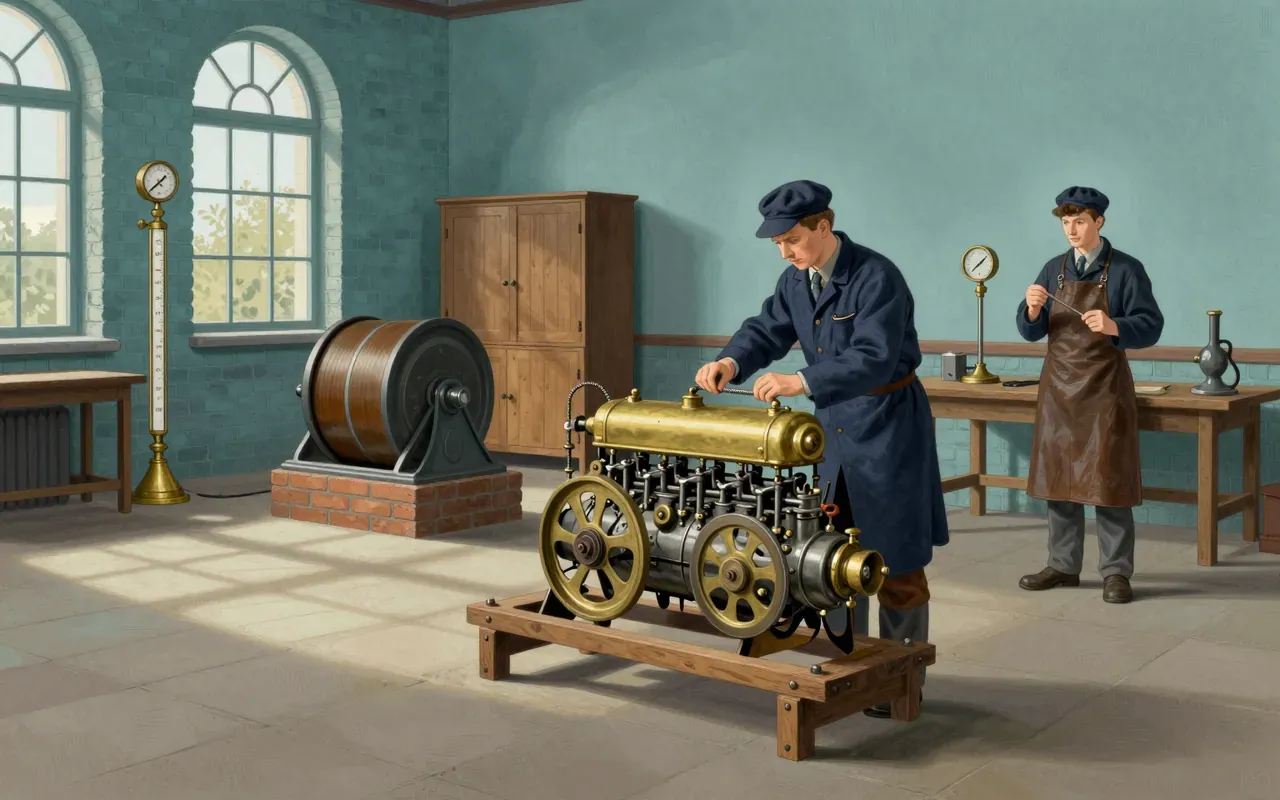
    In 1903, Renault stopped buying engines from De Dion-Bouton and started making its own — a decisive vertical move.

  3. 4:27
    Taxi dominance

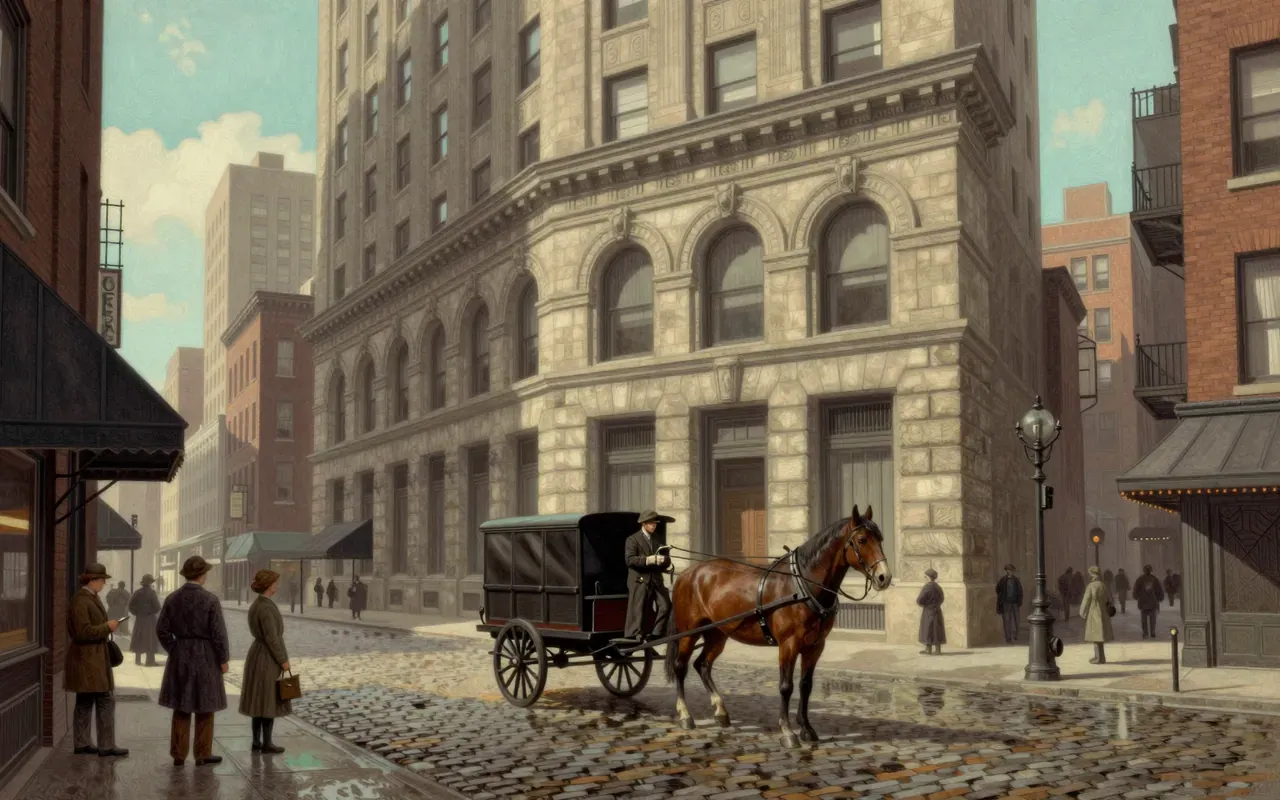
    By 1907, Renault supplied a significant share of taxis in both London and Paris — an early B2G play anchored in reliability and scale.

  4. 6:07
    Market leadership by volume

    In 1908, Renault produced 3,575 cars — more than any other French manufacturer — and became the country’s largest carmaker.

Worth your time?

Yes. Study the whole thing.

4.5/ 5
What works
  • vertical-integration
  • fleet-contracts
  • early-industrial-scale
What does not
  • electric-vehicles
  • venture-capital
  • software
Study it if
  • historians of industry
  • product strategists
  • operations managers
Skip it if
  • investors seeking valuation data
  • EV analysts
  • marketing teams
The written brief1 min read

What the company or idea is

Renault is a French automobile manufacturer founded in 1899 as Société Renault Frères by Louis Renault and his brothers Marcel and Fernand.

How it actually makes money

Renault makes money by manufacturing and selling cars, vans, and historically, trucks, tractors, tanks, buses, aircraft, aircraft engines, and autorail vehicles.

What works

Building its own engines from 1903 gave Renault cost and design control. Supplying taxis in two major capitals created volume, visibility, and infrastructure leverage. Producing 3,575 cars in 1908 confirmed industrial scalability.

What does not

The material says nothing about Renault’s modern revenue model, margins, ownership structure, electric vehicle strategy, or current market position. None of those can be assessed from the given sources.

What to take from it

Renault’s early success came from shifting from purchased engines to in-house production in 1903, then capturing institutional demand — notably taxi fleets in London and Paris by 1907 — before becoming France’s largest carmaker in 1908 with 3,575 units.

Is it worth your time

Yes — Renault reveals how early industrial scale was built not on software or venture capital, but on vertical control of engine production, municipal fleet contracts, and geographic concentration in Paris.

Same desk · Companies4 of 164
Up next in Business

Rosneft

1993 · 10:09

Rosneft isn’t a company that competes — it’s a sovereign hydrocarbon apparatus dressed as a public firm.

10:09