Bristol Myers Squibb
A 1989 merger of two penicillin-makers became a US-revenue monoculture built on seven drugs — not science, but scale.

British Airways is the UK’s flag carrier, formed by state merger in 1974, privatised in 1987, and folded into IAG in 2011. It is the largest UK airline by fleet and international reach. It was the first passenger airline to earn over $1 billion on a single route in a year. It has a documented reputation for poor staff conduct, arbitrary service changes, and refusing compensation claims.





Zara is a case study in operational rigour, not branding or tech. Its advantage is physical: proximity, control, and repetition — not algorithms or virality.



Carrefour is a foundational case in retail format design — not technology, not branding, not finance — but physical integration, location logic, and incremental scaling.

Takeda’s origin story is misaligned with its present identity: it began as a repackaging merchant, not a drug developer. Its longevity reflects adaptability, not continuity.


Syngenta is a global agricultural technology company headquartered in Basel, Switzerland, operating primarily in crop protection and seeds for farmers. It was founded in 2000 by the merger of the agrichemical businesses of Novartis and AstraZeneca. In 2004, Syngenta Seeds purchased Garst and Golden Harvest Seeds. In February 2016, ChemChina offered to purchase Syngenta for $43 billion, a deal Syngenta unanimously recommended to shareholders. In April 2017, U.S. and European antitrust authorities approved ChemChina's acquisition of Syngenta. To secure regulatory approval, ChemChina agreed to divest pesticide production of paraquat, abamectin, and chlorothalonil.



YouTube was a technical execution of a simple idea—upload and share video—with no monetisation strategy. Its founders leveraged prior wealth, network access, and timing to achieve rapid scale, then sold to Google before proving sustainability. The gap between usage and revenue was never closed—it was exited.

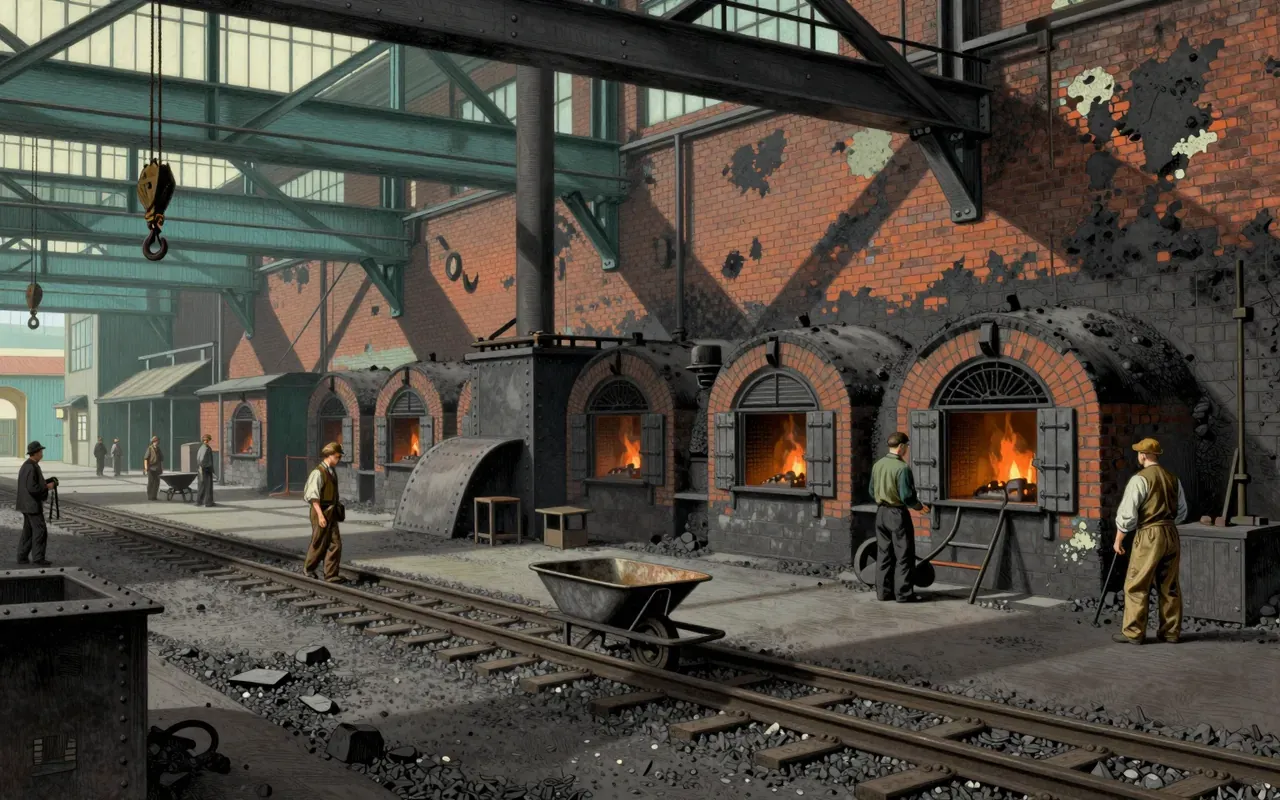
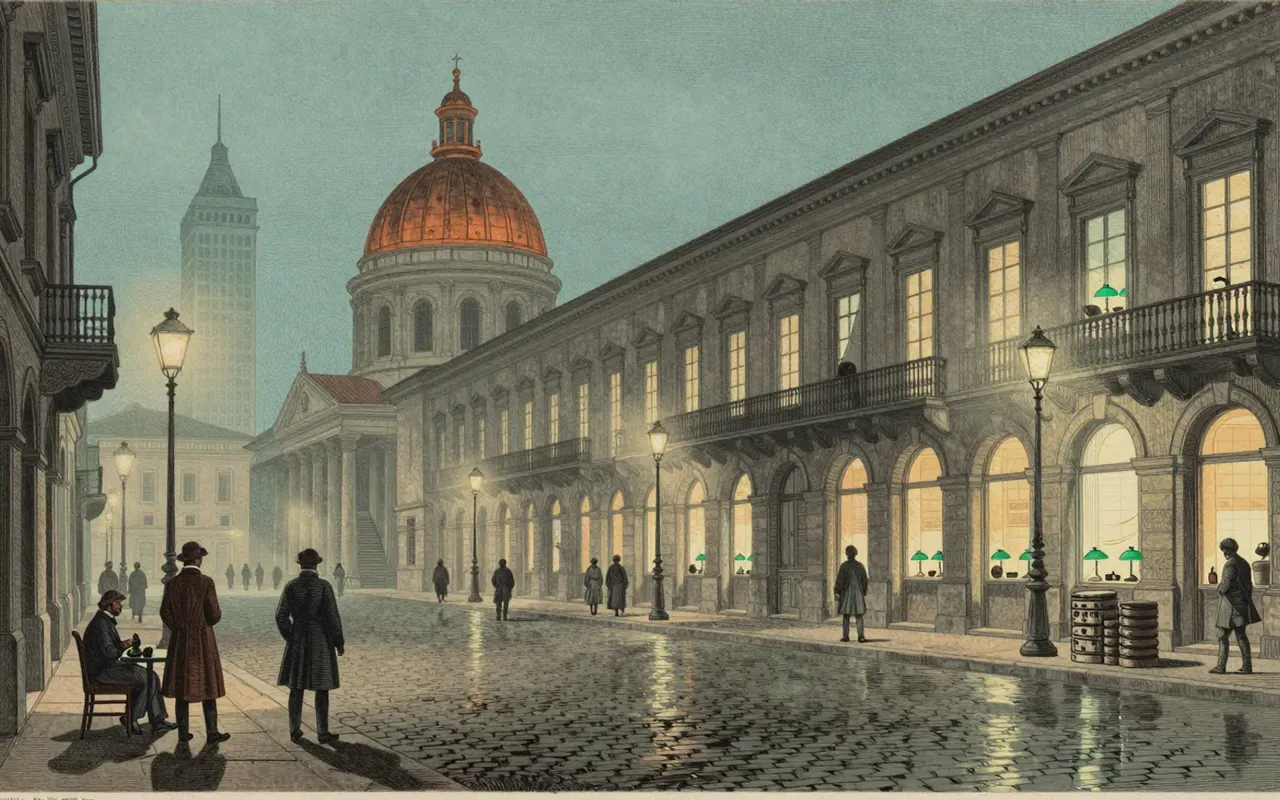

Glencore is a vertically integrated commodity trader and miner whose power rests on controlling physical flows — especially zinc and copper — across jurisdictions. It emerged from Marc Rich + Co AG in 1994 after Rich was forced out following a failed zinc market corner. Its structure splits legal registration (Jersey), operational HQ (Baar), and oil-and-gas command (London). It holds no disclosed valuation or margin, but its 2010 market shares — 60% in zinc, 50% in copper — show where its leverage lies: not in brands or code, but in tons moved, stored, and priced across borders.

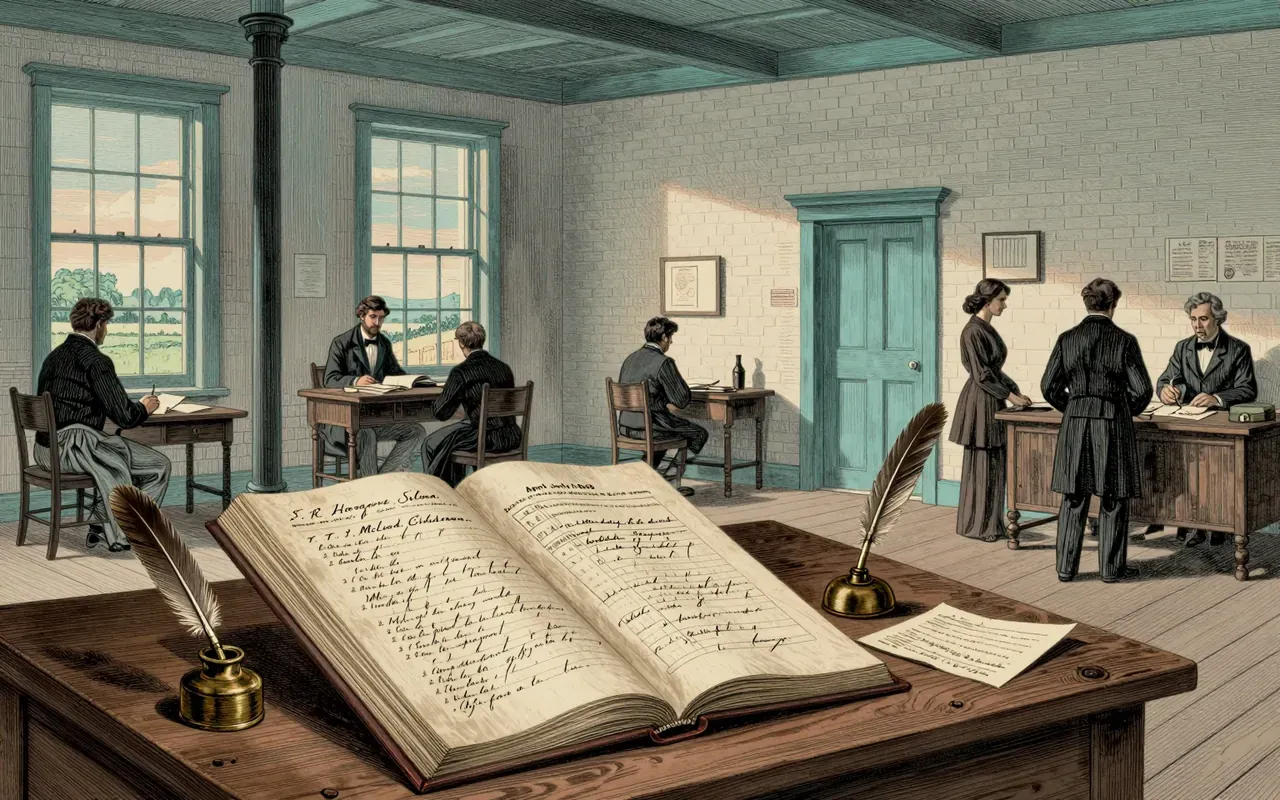
Lehman Brothers’ origin was material: cotton. Its end was financial: illiquid mortgage assets. The gap between the two is where the real story lives.
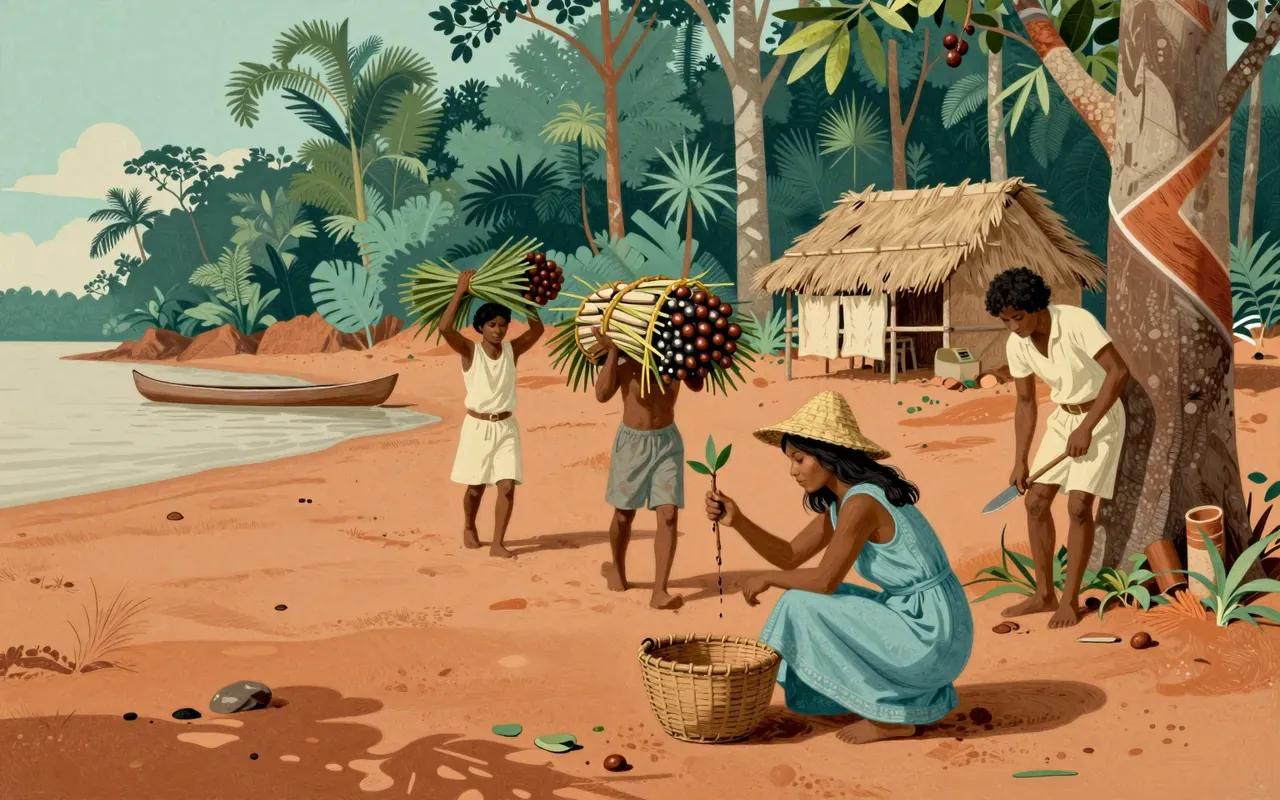
Natura built a global cosmetics business using direct sales—not digital platforms—and anchored its identity in ethical sourcing and animal-testing bans. It listed on Brazil’s highest-governance stock exchange tier in 2004. But none of its stated commitments include third-party verification, cost impact, or enforcement mechanisms. Its scale—6.6 million consultants in 2018—is real. Its ethics are aspirational.

ANA is Japan’s largest airline, rooted in a 1952 helicopter-and-aeroplane transport company. It launched Japan’s first postwar scheduled flight by a Japanese pilot in December 1953, added passenger service on the Osaka–Tokyo route in February 1954, and scaled into a dominant domestic carrier. Its growth reflects regulatory privilege more than competitive differentiation. No financials, pricing, or cost structure are disclosed in the source material.








Danone’s origin is a tightly documented sequence: a Barcelona workshop, a legal name fix, physician validation, pharmacy distribution, then expansion. No funding rounds, no founder mythmaking — just regulatory adaptation and clinical credibility turned into commerce.
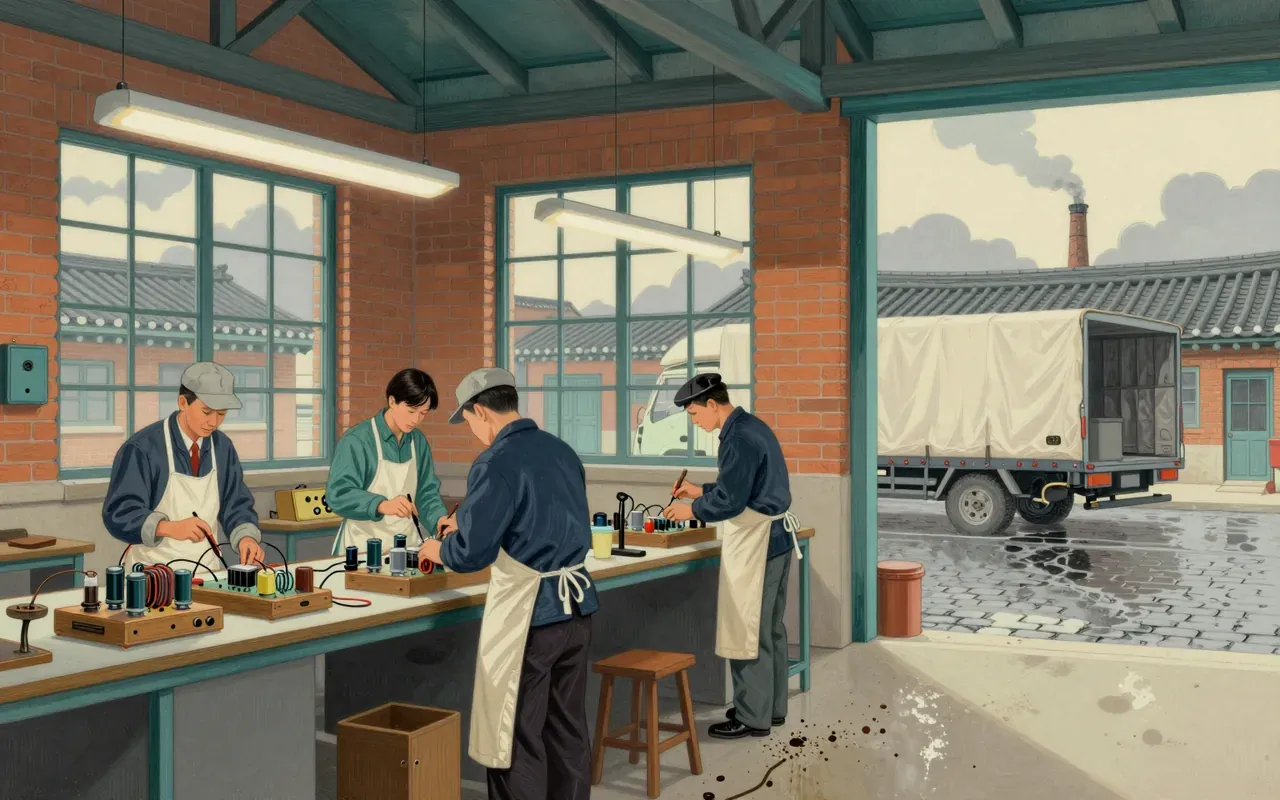
LG Electronics is a vertically integrated South Korean hardware manufacturer whose post-war origins, protected domestic launch, and 1995 rebranding reveal more about industrial policy than innovation mythology.

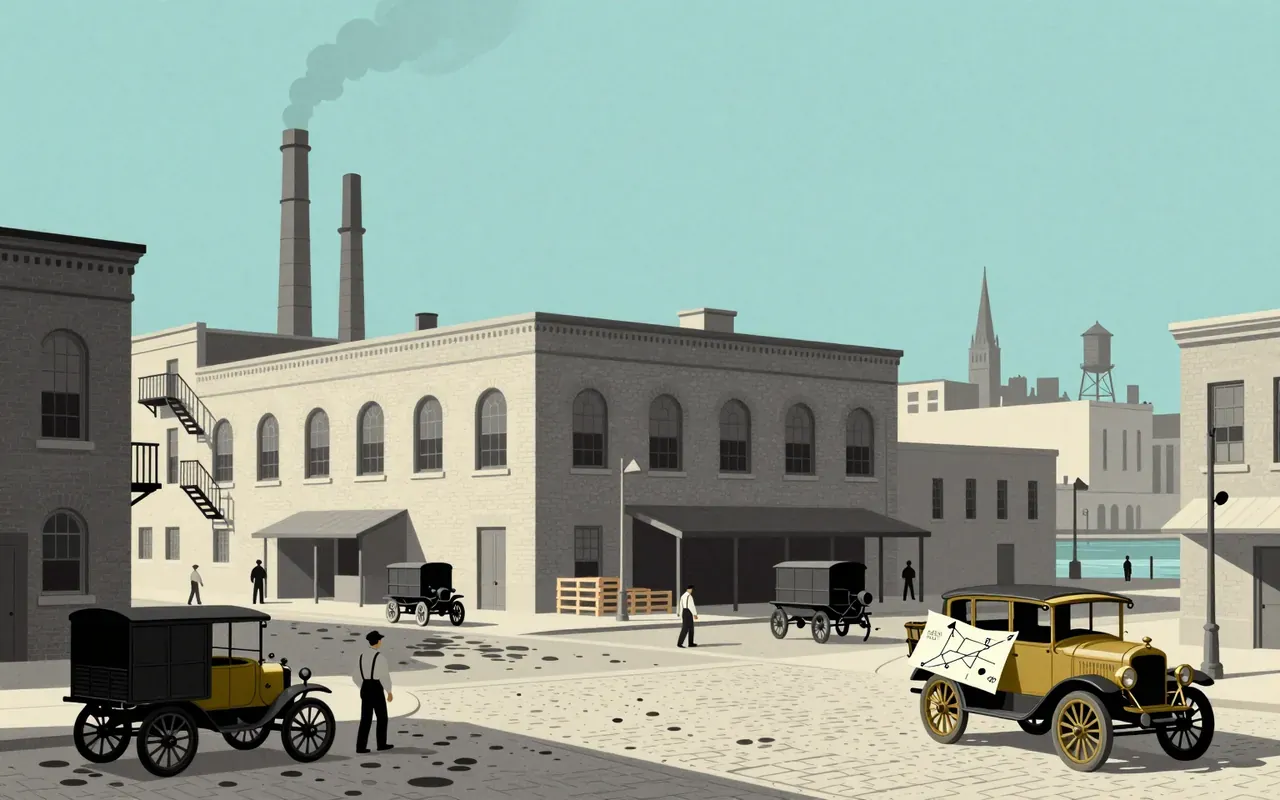
General Motors was founded in 1908 as a holding company, not a manufacturer. It made money by acquiring brands and suppliers, issuing stock to secure alignment, and franchising dealerships — all before building a single integrated factory. Its early success came from financial engineering, not product innovation. Durant was removed twice — in 1910 and 1920 — exposing the fragility of growth without operational discipline. Sloan’s later reforms codified what Durant had improvised: a scalable, tiered brand architecture. The real innovation was not the car, but the corporation.

The Thomson family is a dynastic holding structure anchored by a UK hereditary peerage and centred on The Woodbridge Company. Its wealth is not generated by visible operations but preserved by title, trust law, and concentrated private ownership. Sherry Brydson’s 23.47% stake is the sole quantified anchor of its financial claim. No public revenue, valuation, or operational detail is disclosed — only lineage and control.



WhatsApp is not a messaging app with a business model—it is a telecom identity layer wrapped in an app. Its value lies in what it replaced (SMS, MMS, local calling) and what it enabled (cross-border, zero-cost, asynchronous communication at planetary scale). Its acquisition by Facebook in 2014 for $19.3 billion confirmed its strategic value as infrastructure—not as a consumer product.

OpenAI is a public benefit corporation whose legal structure separates nominal mission stewardship (26% nonprofit ownership) from actual control and value capture. Its market impact is real—ChatGPT became the fifth-most-visited site globally—but its $852bn valuation reflects investor appetite for AI infrastructure access, not verified unit economics, revenue, or margin discipline. Microsoft’s $13bn investment funds development but does not constitute revenue. The gap between OpenAI’s self-description as a public benefit entity and its operational reality is structural—not incidental.

Adobe’s founding story is not about creative tools—it is about control of a foundational layer: the language that told printers what to print. That decision, made in a garage in 1982, let Adobe license across hardware and software ecosystems before ever selling to end users. Everything else came later—and is absent from the verified record.
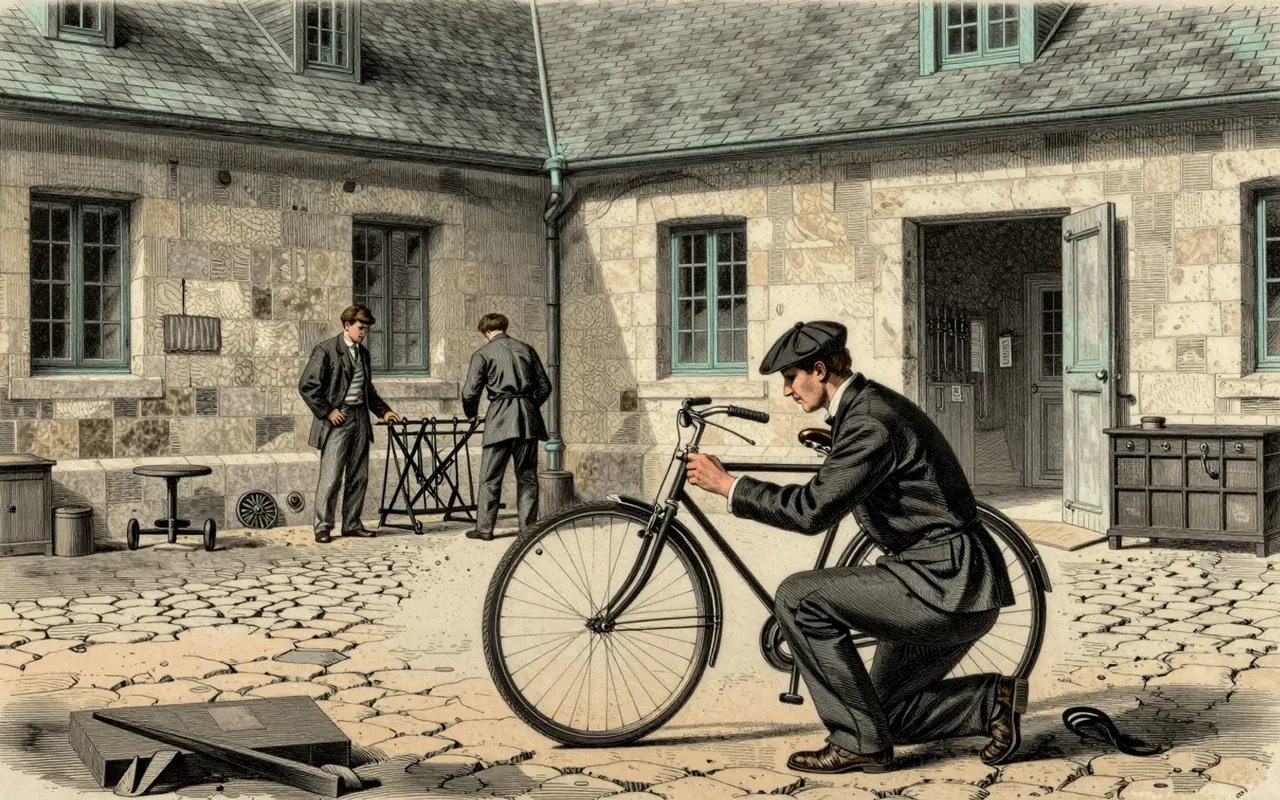
Michelin is a tyre company whose early dominance came from patenting and proving mechanical improvements — detachable, automobile, run-flat, radial, asymmetric — all tested in races or real-world conditions. It monetised mobility itself: first via tyres, then via the Michelin Guide, which existed solely to grow the car-tourism market and thus tyre sales. No evidence supports claims about culture, legacy, or unmeasured influence — only documented innovations, patents, and commercial pivots.
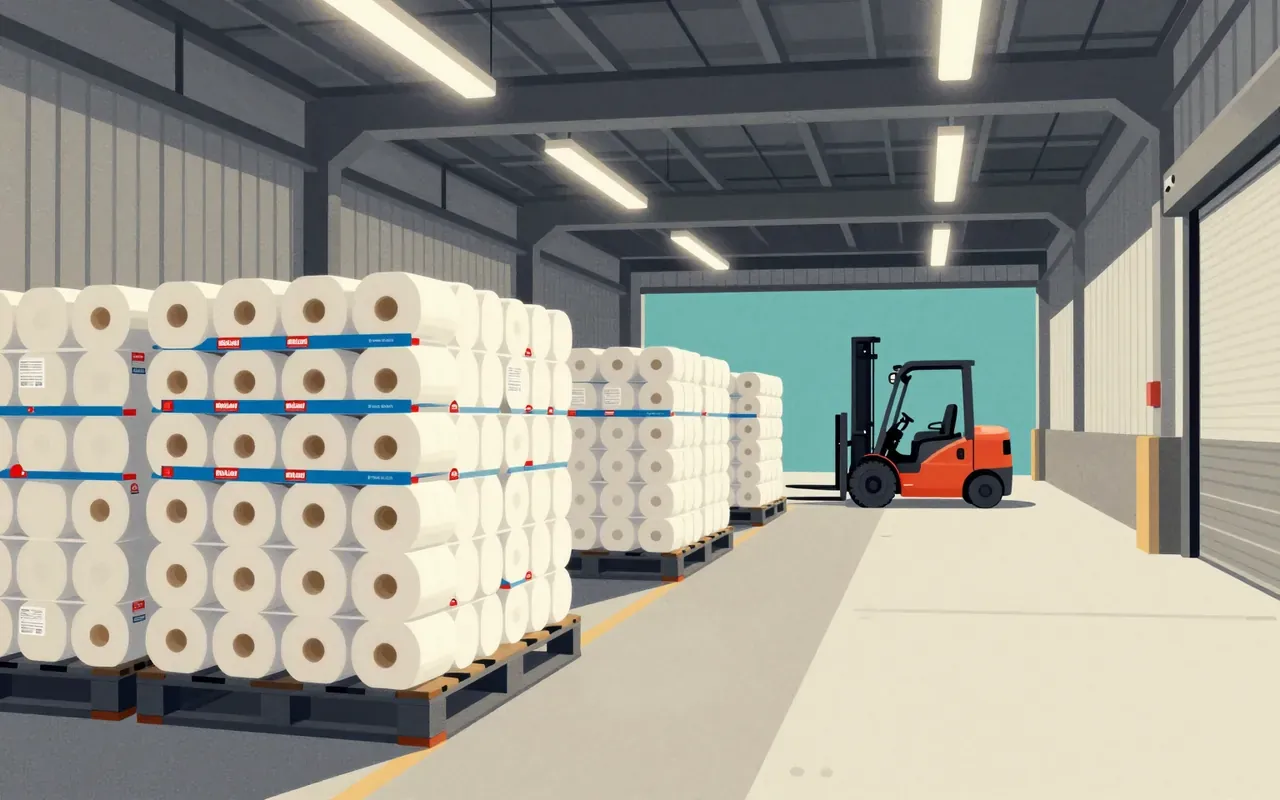
Costco is a membership-first retail system whose financial mechanics are transparent: fees fund operations, low margins enforce discipline, and private label locks in loyalty. It works where density, income, and culture permit bulk buying — and fails where they don’t. No hype. No exceptions.
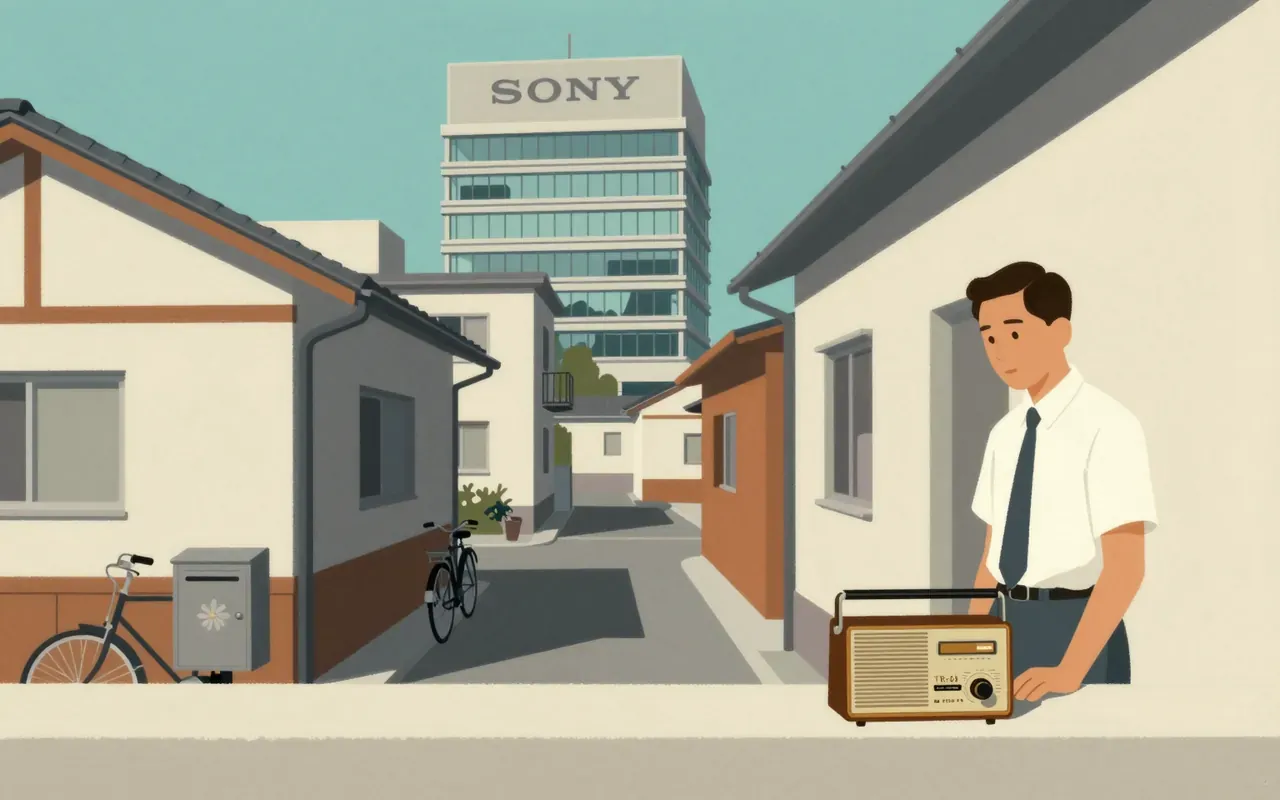
Sony’s early business model was hardware-first, export-first, and name-first — built on tangible, shipable, patentable devices that redefined category boundaries in foreign markets.

Goldman Sachs is a multinational investment bank and financial services company founded in 1869 and headquartered in New York City. It offers investment banking (advisory for mergers and acquisitions and restructuring), securities underwriting, prime brokerage, asset management, and wealth management. It acts as a market maker, operates private-equity and hedge funds, structures complex and tailor-made financial products, owns Goldman Sachs Bank USA (a direct bank), and trades both on behalf of clients and for its own account.




Johnson & Johnson began as a vertically integrated supplier of standardised, sterile medical consumables — selling trust, training, and readiness, not cures.




Yahoo Inc. (2017–present) is not the original Yahoo!. It is a Delaware-incorporated media entity formed in 2006, acquired by Verizon in 2017 for $4.48 billion — reduced from $4.8 billion after two breaches affecting over a billion users. Verizon wrote down its combined AOL-Yahoo value by $4.6 billion in 2018 and rebranded it Verizon Media in 2019. In 2021, Apollo Global Management acquired 90% for $5 billion, reinstating the Yahoo name and appointing Jim Lanzone CEO. Its $7.4 billion 2020 revenue comes from advertising across vertically focused, high-traffic properties — but it has shed Tumblr, HuffPost, and AOL without replacing their scale or influence.



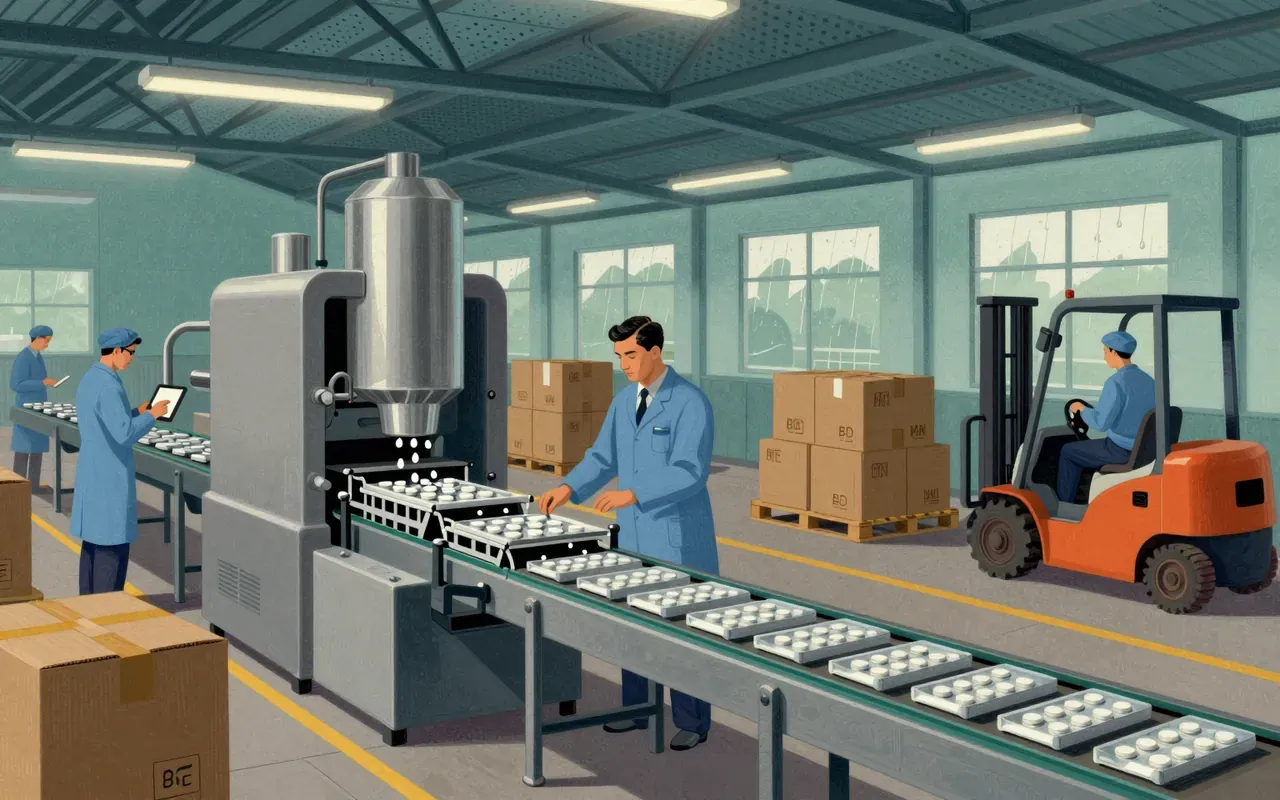



Bear Stearns collapsed because its business model depended on continuous short-term funding — and when counterparties stopped rolling over repo loans, liquidity vanished faster than capital could be deployed. Its balance sheet held value, but confidence did not. The firm was sold to JPMorgan Chase in a Fed-brokered fire sale.
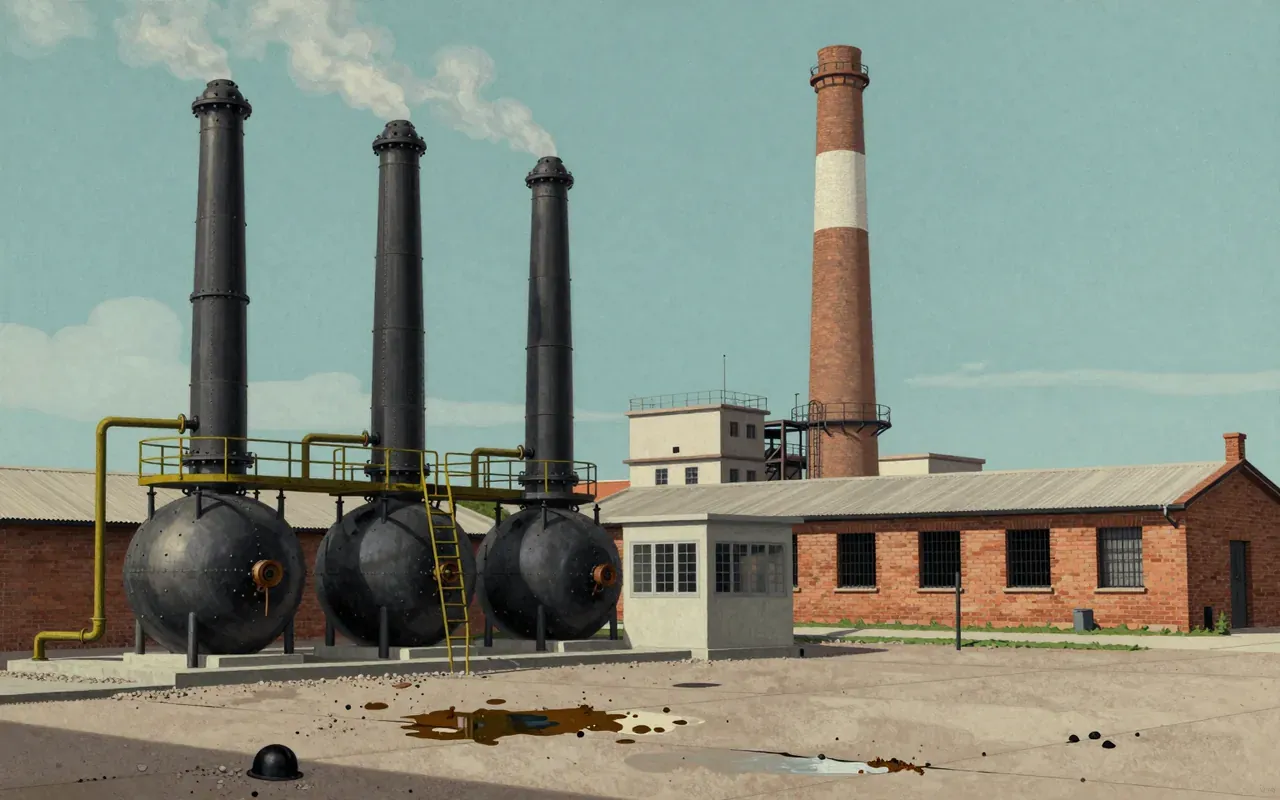
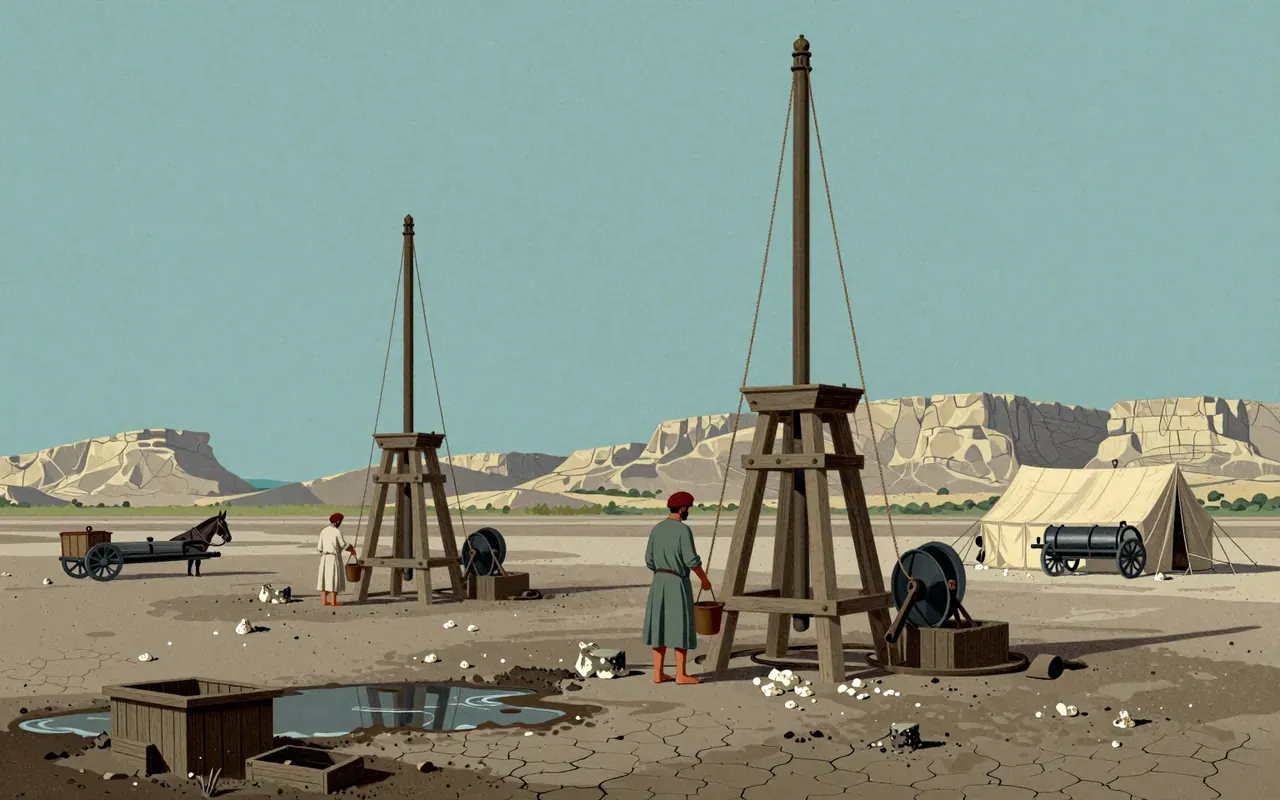
BP’s origin story is not about entrepreneurship or engineering — it is about a sovereign concession enabling extraction. Its business model depends on controlling physical assets and political access, not market creation or product innovation.


Caterpillar Inc. is the world's largest construction equipment manufacturer, founded in 1925 via merger, but rooted in Benjamin Holt’s continuous-track tractor innovation of 1904–1907.
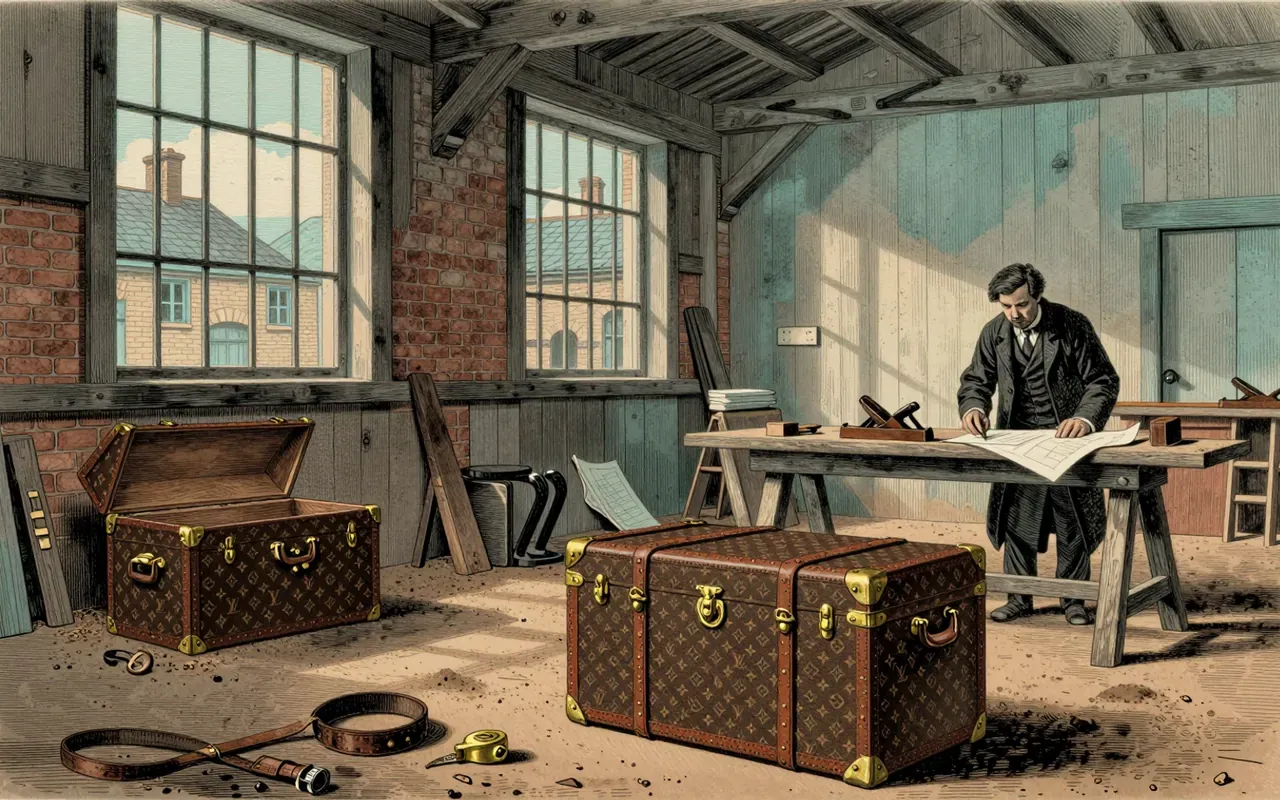
Louis Vuitton is a French luxury fashion house founded in 1854. It merged into LVMH in 1987. It earns revenue from globally distributed, monogrammed luxury goods sold via 460+ owned stores. Its valuation rose from US$25.9bn (2012) to US$28.4bn (2013), alongside US$9.4bn revenue that year. It is repeatedly named the world’s most valuable luxury brand—but never discloses margins, unit costs, or subsidiary-level financials. Legal actions, WWII collaboration, model mistreatment, UNESCO site damage, and cultural appropriation claims are documented—but none appear in its financial reporting or governance disclosures.
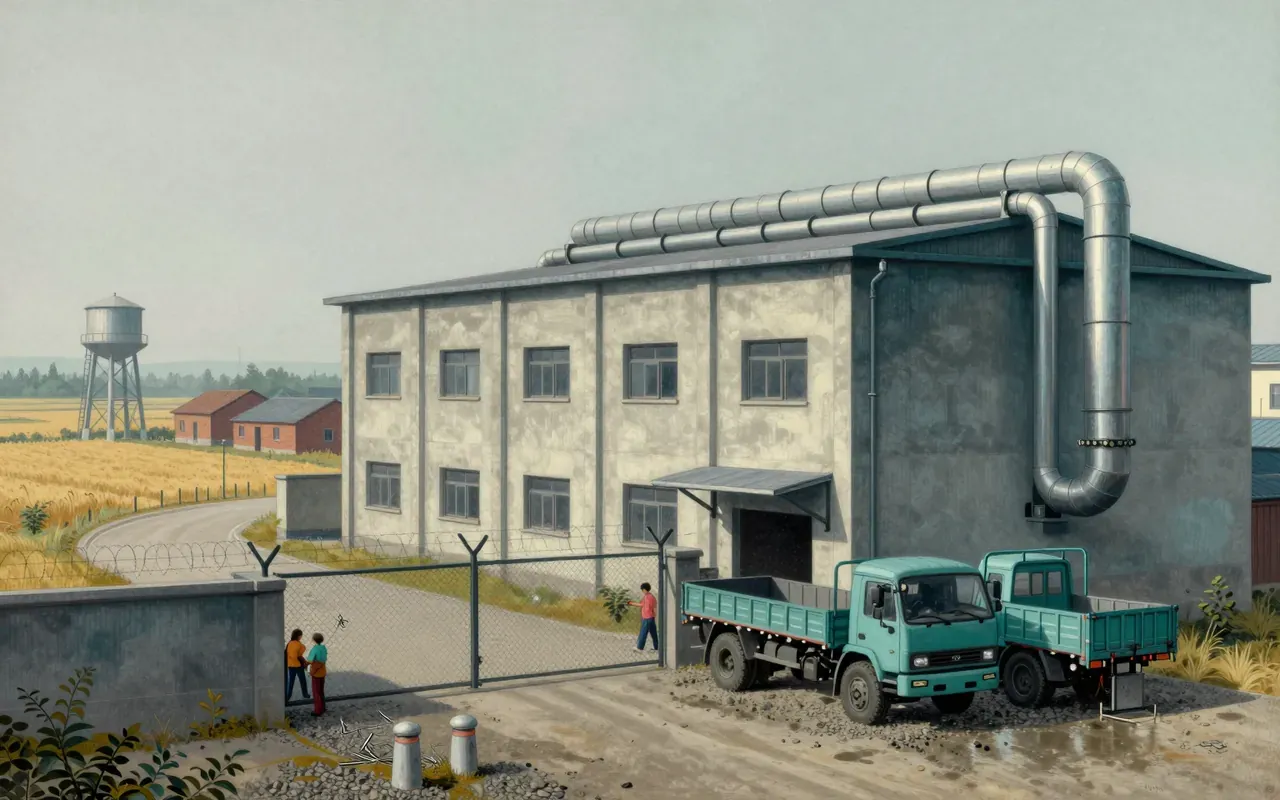
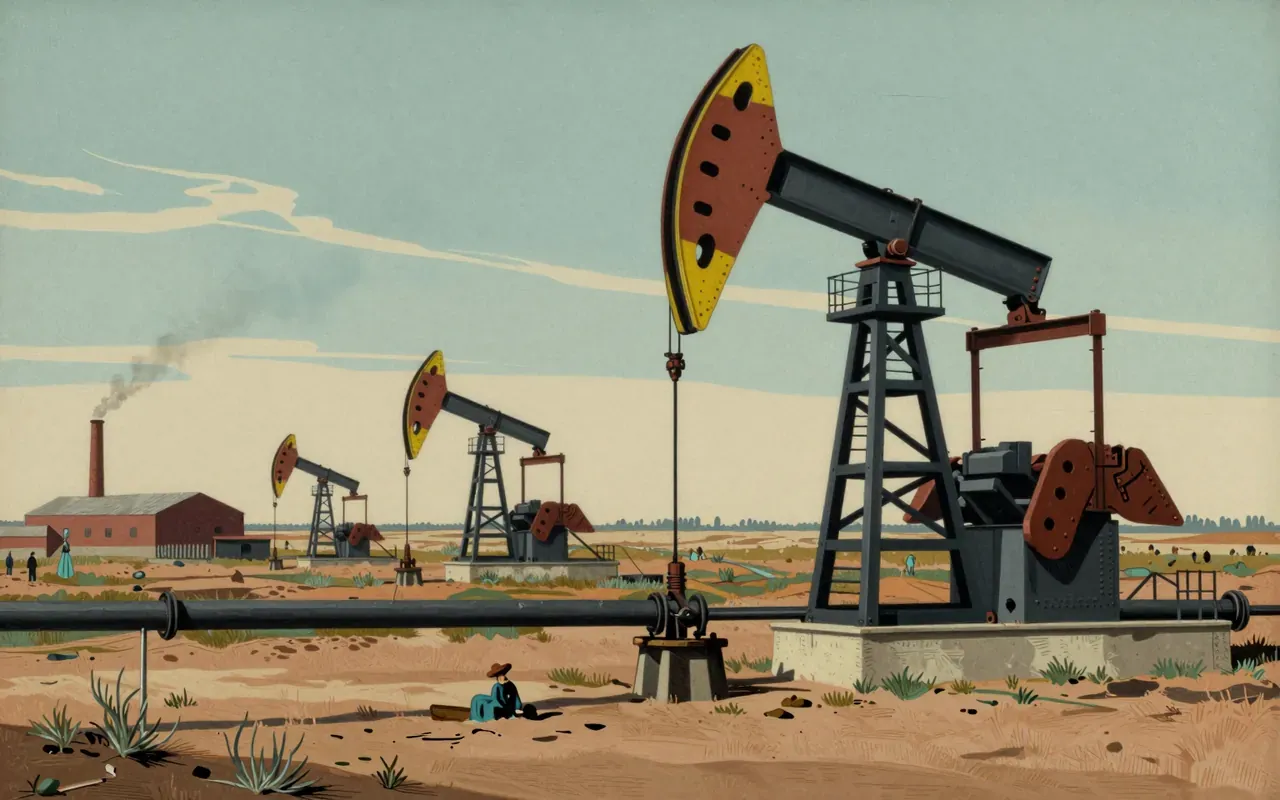

Peterbilt is a case study in acquisition-led industrial continuity: a timber operator bought a defunct truck maker to solve local hauling problems, engineered narrowly effective solutions, scaled only when external demand (military) appeared, and exited when land value exceeded truck value. Its legacy lies in execution, not vision.






Saab AB is a Swedish aerospace and defence company founded in 1937 by AB Bofors to build aircraft domestically. It merged with ASJA in 1940, developed its first aircraft — the SAAB 17 — which flew on 1940-05-18, began automobile production in 1947, merged with Scania-Vabis in 1968, changed its name to Saab AB in May 1965, and was re-established as an independent entity in 1995 after de-merger.

Merck & Co. is a multinational pharmaceutical company founded in 1891 as the American affiliate of the German Merck Group, made independent in 1919 after U.S. government expropriation and resale. Its early growth came from strategic mergers — not organic R&D — and its landmark streptomycin breakthrough relied on external academic research funded by the company. Under George W. Merck’s presidency (1925–1950), it developed synthetic vitamins, sulfas, antibiotics, and hormones, while simultaneously leading the U.S. biological weapons programme. The gap between its self-presentation as a scientific pioneer and its actual mechanics — acquisition, outsourcing, and state-aligned research — is the core of its business story.


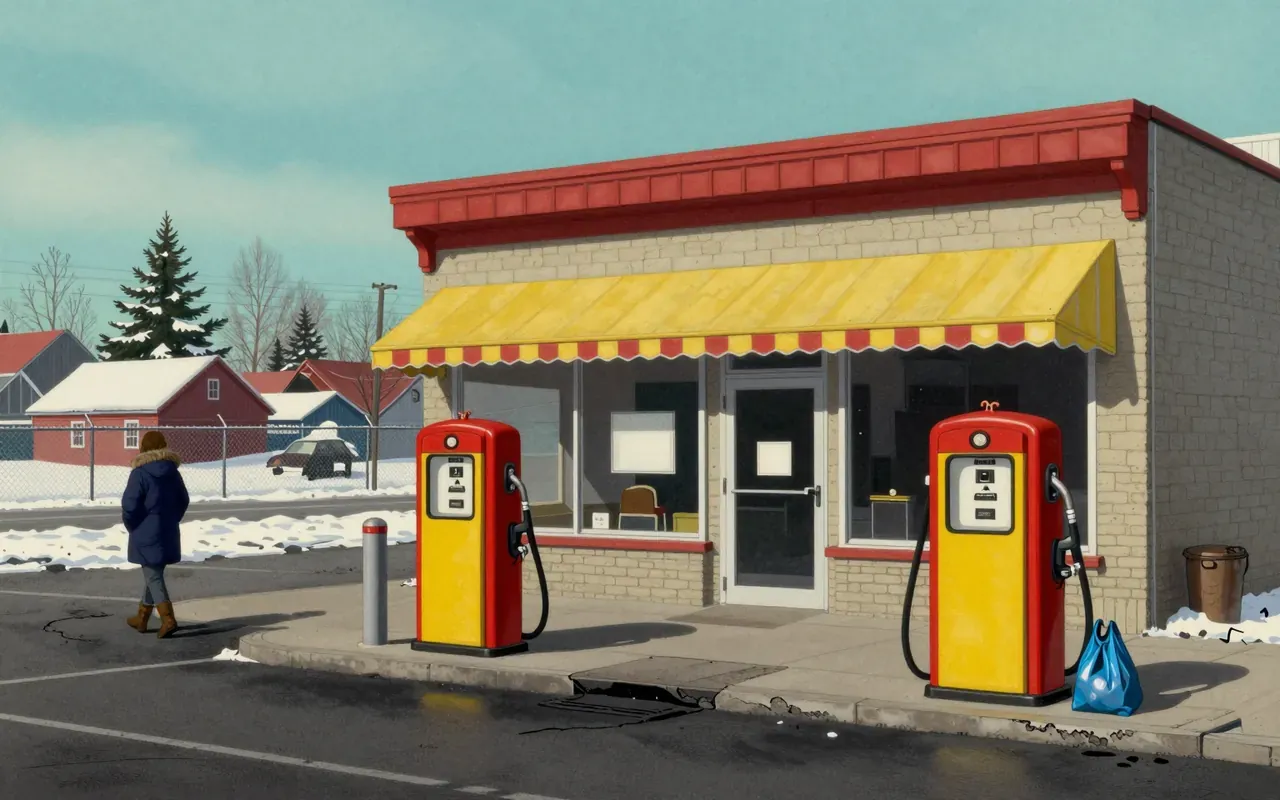
Alimentation Couche-Tard is a textbook case of geographic and operational scaling through acquisition and banner standardisation — not product, tech, or marketing innovation. Its model depends on acquiring undermanaged regional chains, stripping overlapping functions, and enforcing consistency in procurement and site selection. It reveals little about consumer behaviour or retail design, but much about how capital, real estate leverage, and decentralised execution combine to dominate fragmented markets.


Sainsbury’s is the second-largest UK supermarket chain. It was the largest UK grocery retailer for most of the 20th century. It was founded in 1869 as a partnership by John James Sainsbury and Mary Ann Sainsbury at 173 Drury Lane in London. It began selling fresh foods and later expanded into packaged groceries. Its founding philosophy was 'Quality perfect, prices lower'. It used distinctive cast-iron signage, offered home delivery, and prioritised centrally located shops for better display and cooling before refrigeration existed. It grew to 128 stores by 1928 and remained a family business throughout Sainsbury’s lifetime. He served as Chairman and Governing Director from incorporation in 1922 until his death in 1928.

LVMH is a French multinational luxury goods conglomerate formed in 1987 by merger—not founded—of Louis Vuitton and Moët Hennessy. Bernard Arnault assumed control shortly thereafter, not by founding but by outmanoeuvring the initial family owners. The company operates through ~60 subsidiaries managing 75 luxury brands across six branches. Its $500B valuation in April 2023 reflects disciplined acquisition—Boussac Saint-Frères (1984), Tiffany & Co. (2021)—and structural decentralisation that preserves brand identity while centralising financial control. LVMH does not invent luxury; it acquires, integrates, and governs it.
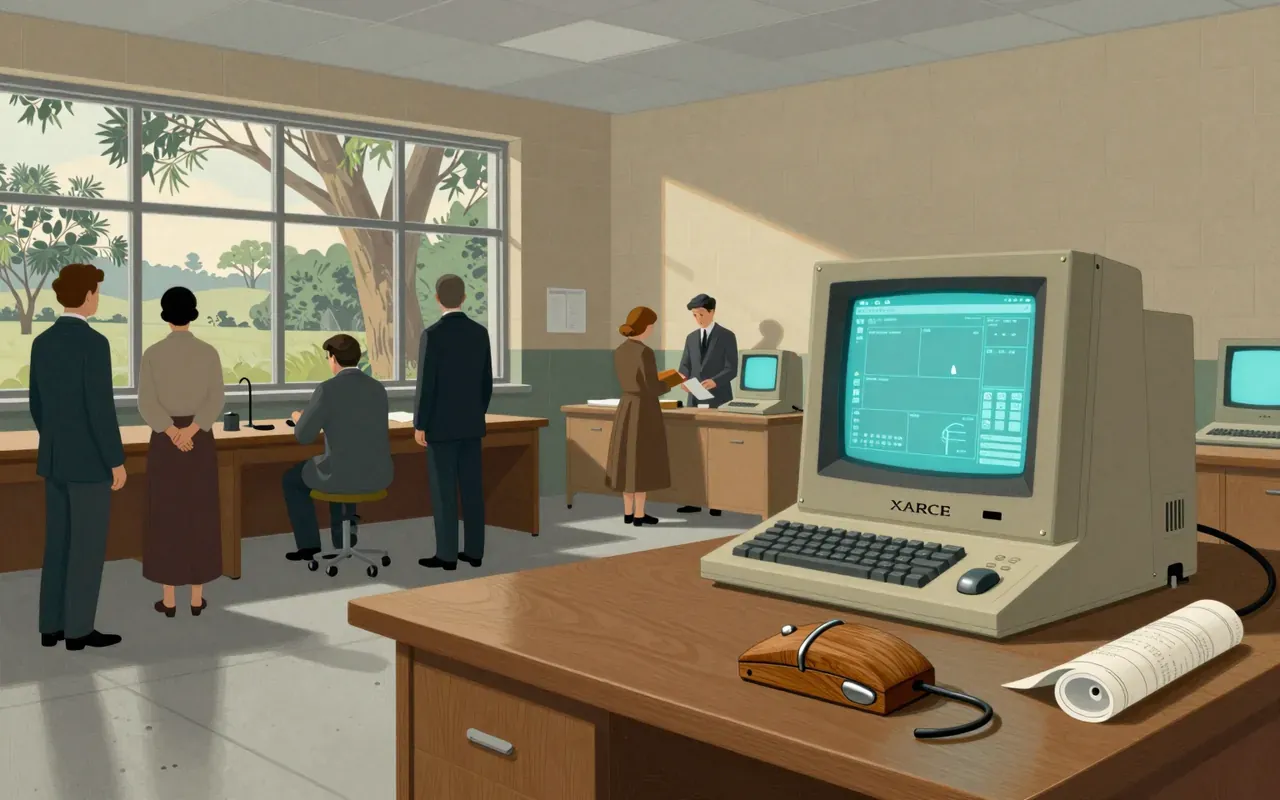
Xerox pioneered the photocopier market starting with the Xerox 914 in 1959; Joseph C. Wilson signed an agreement in 1946 to develop Chester Carlson's invention commercially; before the 914, Xerox tested the market with the Flat-plate 1385 prototype, which proved nonviable due to slow speed; the 914—the first plain paper photocopier—was developed by Carlson and John H. Dessauer; researchers at Xerox and PARC invented key personal computing elements including the GUI, mouse, and desktop computing; Xerox opened PARC in 1970; and Gary Starkweather invented the laser printer in 1969 by modifying a Xerox 7000 copier.

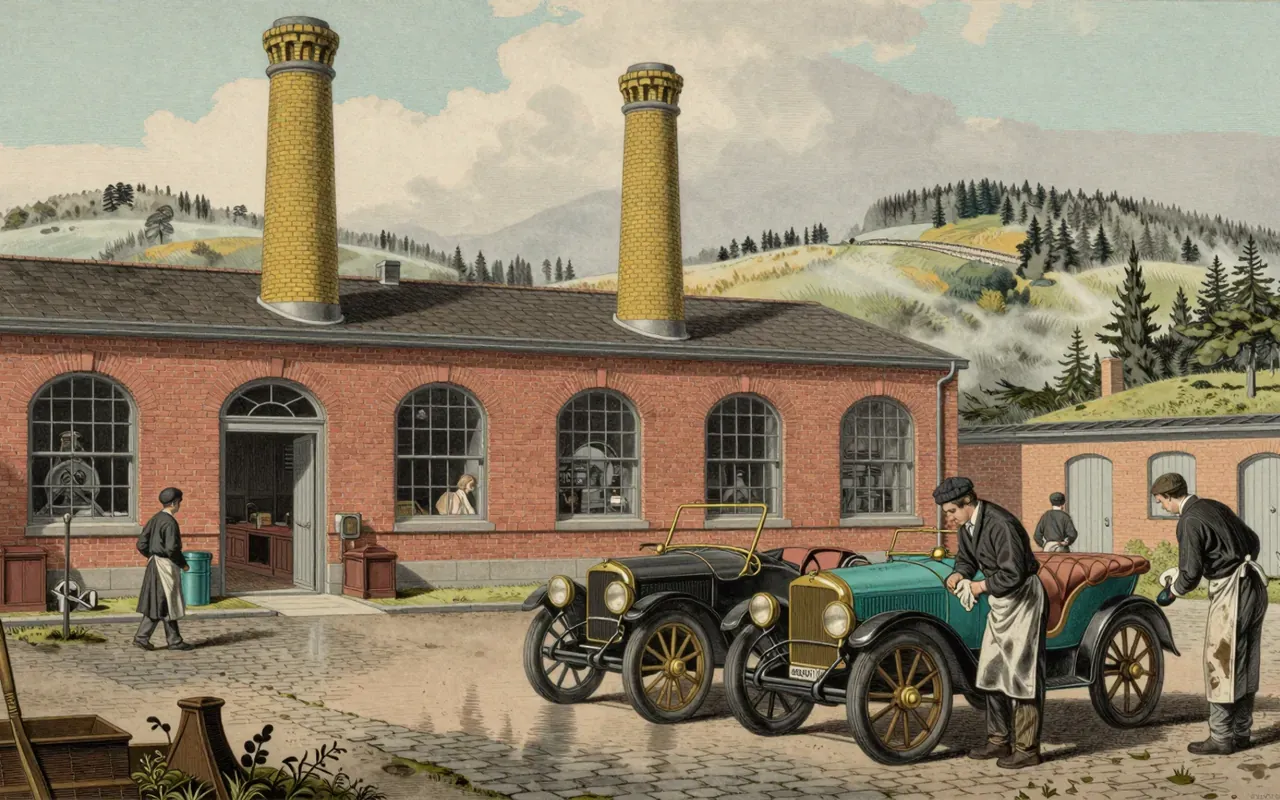
Peugeot is the oldest car company in the world — but only because it formalised its automobile division in 1896, 86 years after its founding as a steel foundry. Its success came not from breakthrough invention, but from disciplined technology adoption, rapid iteration, and industrial scaling.