What the company or idea is
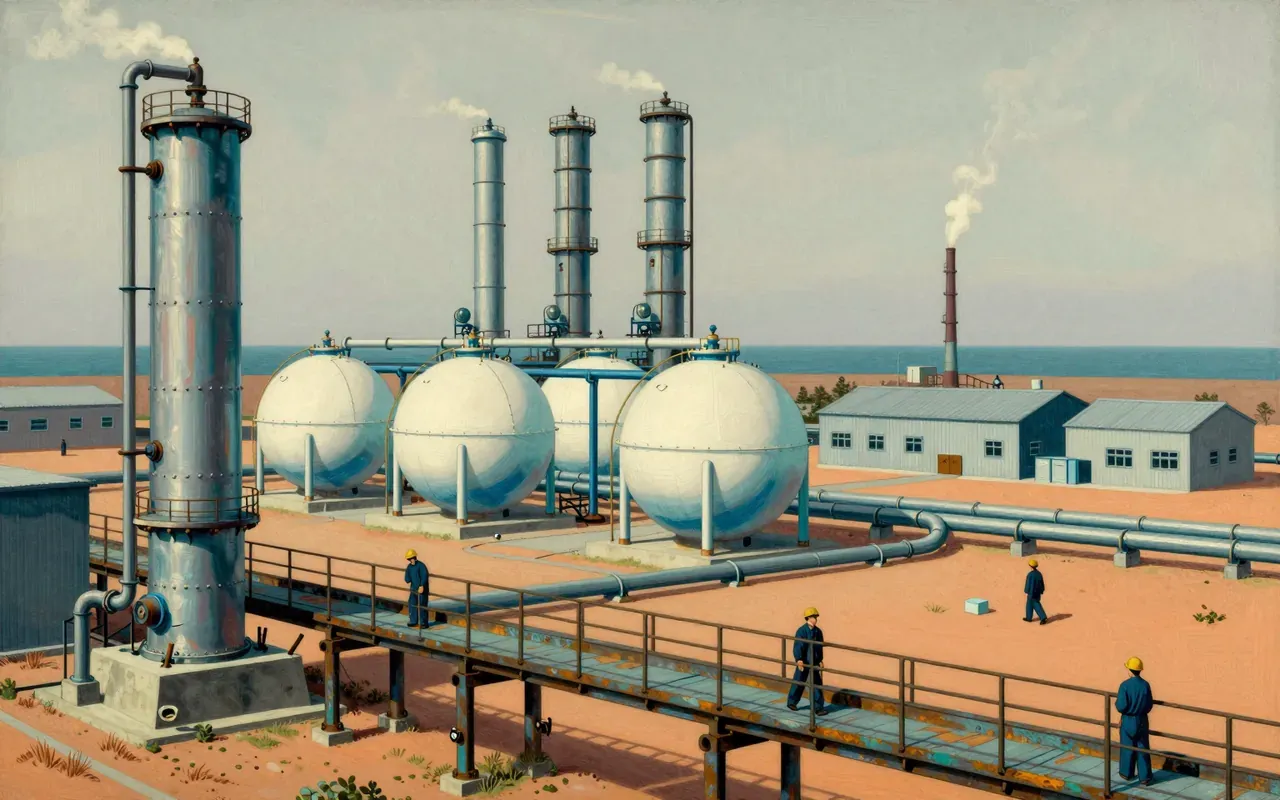
LG Electronics is a South Korean multinational major appliance and consumer electronics corporation founded in 1958 as GoldStar—the electronics division of Lak-Hui Chemical Industrial Corp.—to supply domestically produced electronics and home appliances to Korea’s post-Korean War rebuilding effort.
How it actually makes money
LG Electronics makes money selling televisions, home appliances, and consumer electronics. It owns the world’s largest display company by revenue (LG Display) and acquired Zenith in 1995 to strengthen its US TV distribution and manufacturing footprint.
What works
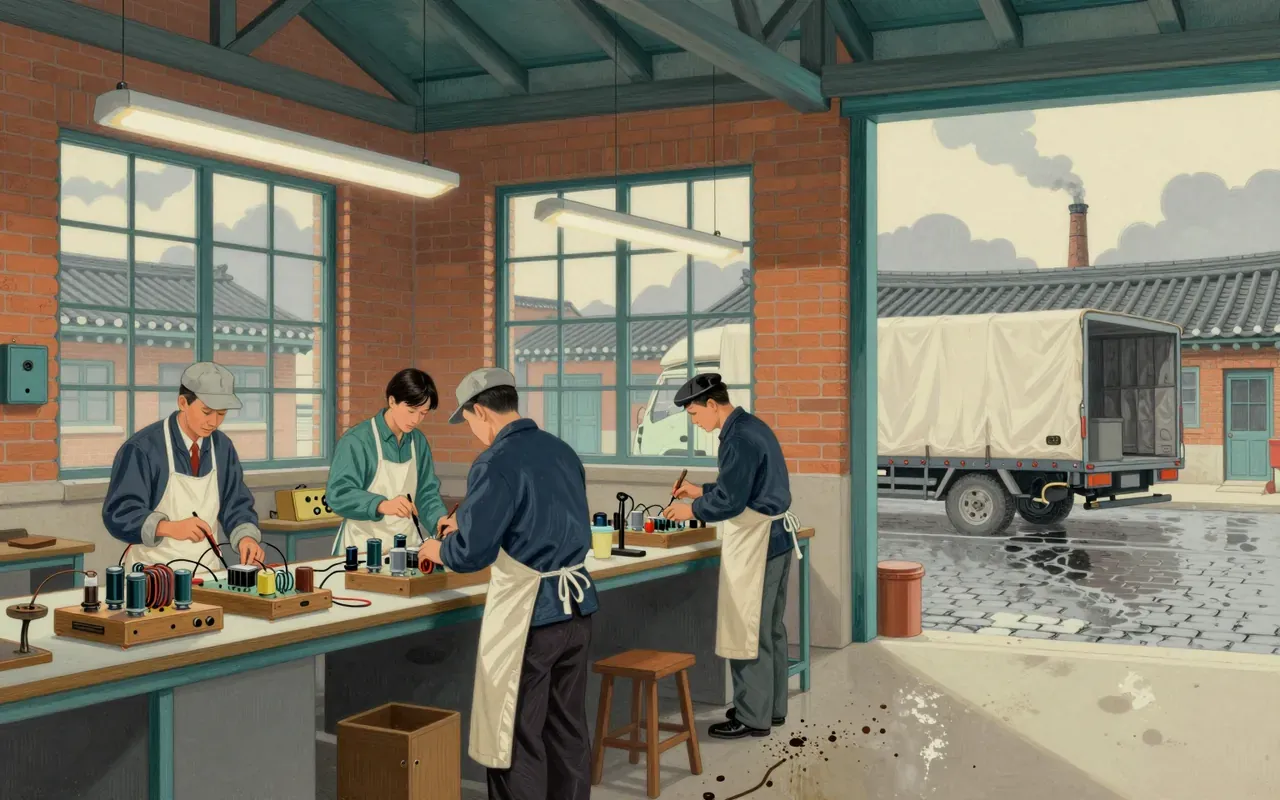
Its early focus on domestic manufacturing capability worked: GoldStar built Korea’s first domestically produced radio in 1959, then expanded into phones, fans, air conditioners, TVs, and refrigerators. Its acquisition of Zenith gave it immediate US market access and service infrastructure—unlike purely export-driven rivals.
What does not
It does not control its own display supply chain beyond equity ownership: LG Display is a separate listed entity. It is second, not first, in global TV market share—behind Samsung Electronics—and its origin story as GoldStar obscures that its early growth relied on protected domestic markets, not export-led competition.
What to take from it
Its trajectory shows how corporate identity can be retrofitted: GoldStar became LG Electronics only after a 1995 merger with Lucky Chemical and GoldStar Cable; the ‘LG’ brand was not original, but a post-merger construct. The firm’s scale (128 locations, 83,000 employees) stems from vertical consolidation—not disruptive invention.
Is it worth your time
Yes—if you are studying how state-rebuilding mandates, post-war industrial policy, and vertical integration shape multinational hardware firms. No—if you assume its ‘innovation’ narrative reflects current R&D autonomy or pricing power.