KLM
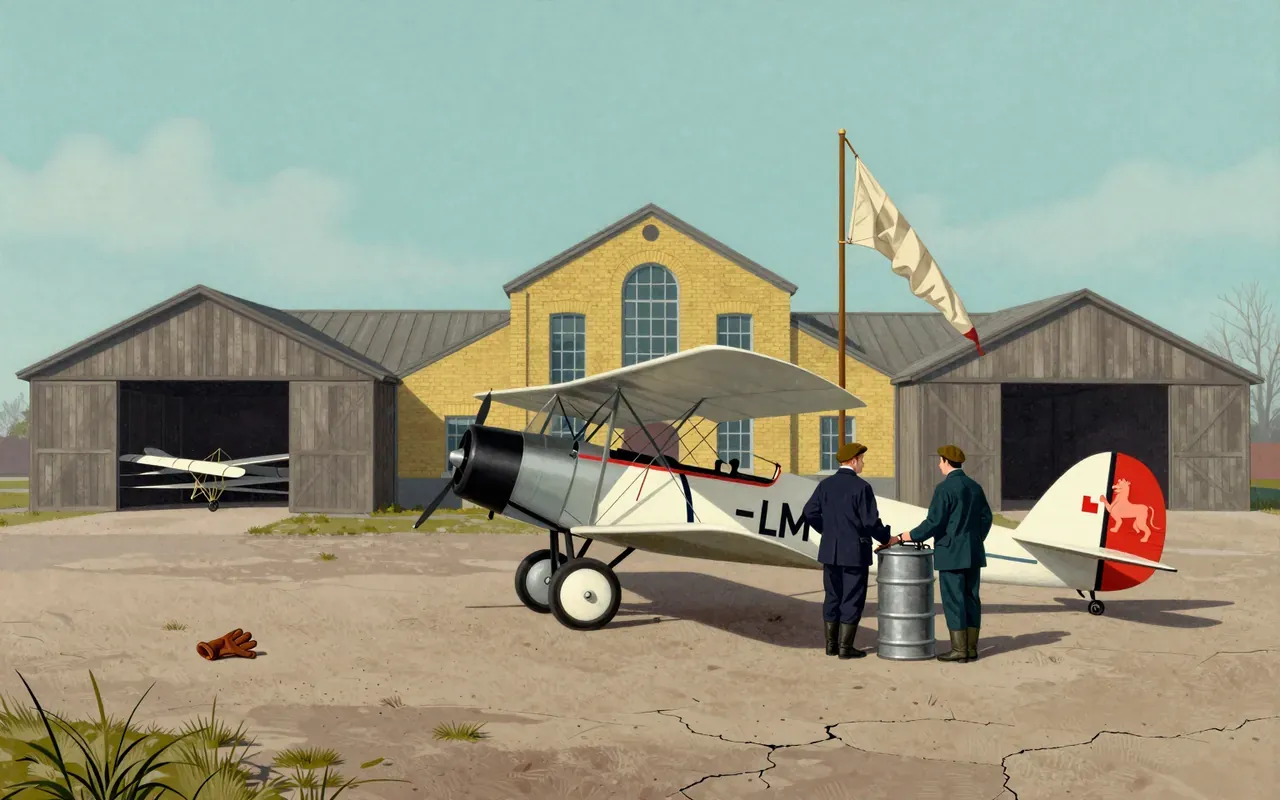
Albert Plesman · 1919
KLM was not a private venture but a state-backed aviation instrument. Its longevity stems from institutional alignment — not market innovation.
KLM was not a private venture but a state-backed aviation instrument. Its longevity stems from institutional alignment — not market innovation.


Lamborghini is a case study in disciplined positioning: a luxury carmaker built on agricultural engineering, anchored in one town, defined by one cultural metaphor, and repeatedly tested — and sometimes broken — by global economic forces.
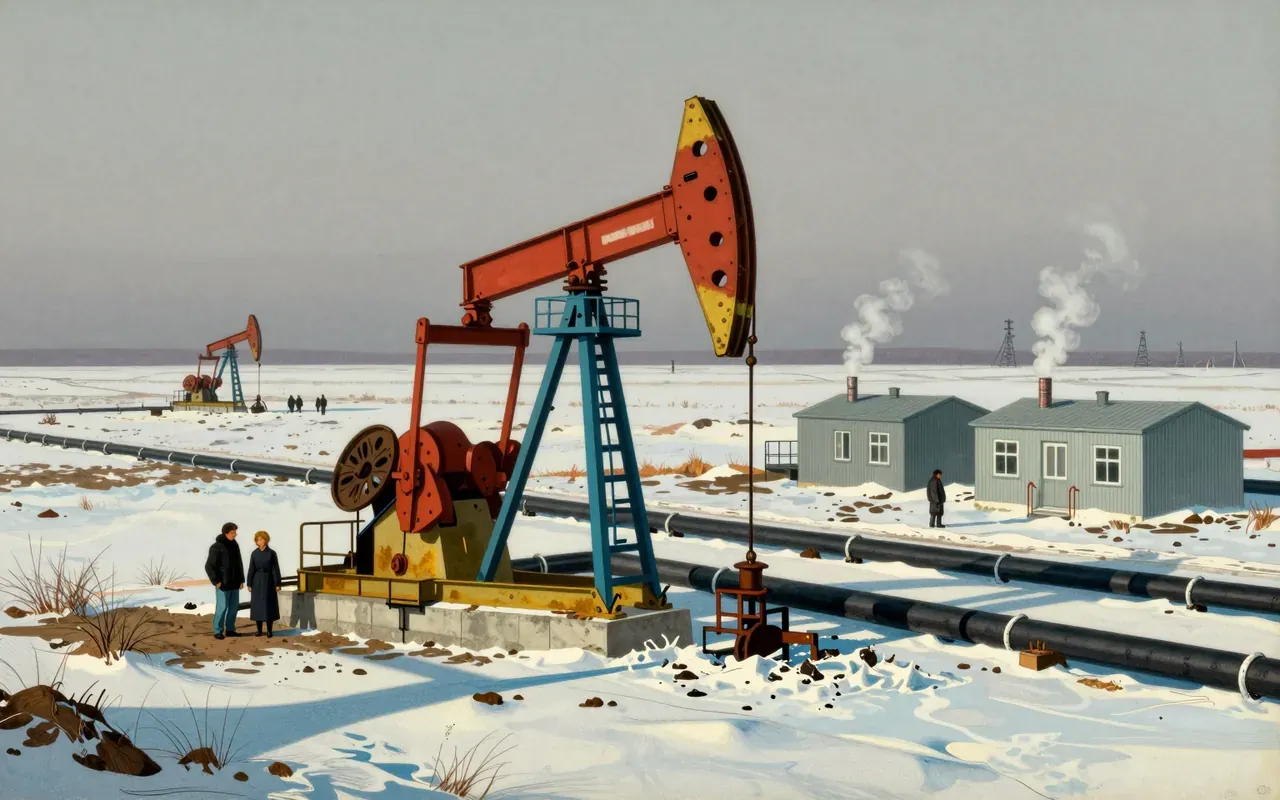
Lukoil is a Russian multinational energy corporation headquartered in Moscow, formed in 1991 by merger of three state-run western Siberian oil enterprises: Langepasneftegaz, Urayneftegaz, and Kogalymneftegaz.


Mack Trucks is a vertically narrow, geographically mobile, and corporately subordinated industrial brand — sustained not by innovation or scale, but by consistent execution in a defined vehicle class and enduring customer trust in its vocational durability.
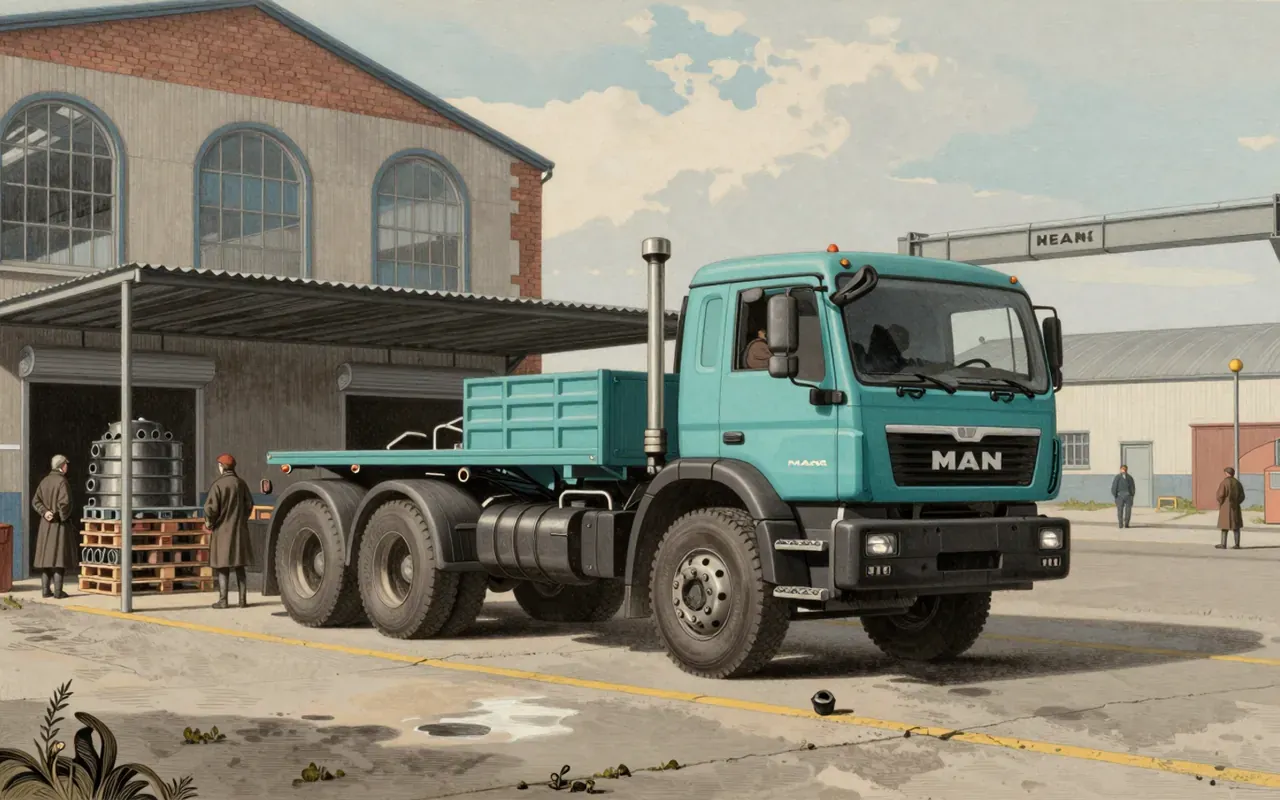

Merck & Co. is a multinational pharmaceutical company founded in 1891 as the American affiliate of the German Merck Group, made independent in 1919 after U.S. government expropriation and resale. Its early growth came from strategic mergers — not organic R&D — and its landmark streptomycin breakthrough relied on external academic research funded by the company. Under George W. Merck’s presidency (1925–1950), it developed synthetic vitamins, sulfas, antibiotics, and hormones, while simultaneously leading the U.S. biological weapons programme. The gap between its self-presentation as a scientific pioneer and its actual mechanics — acquisition, outsourcing, and state-aligned research — is the core of its business story.

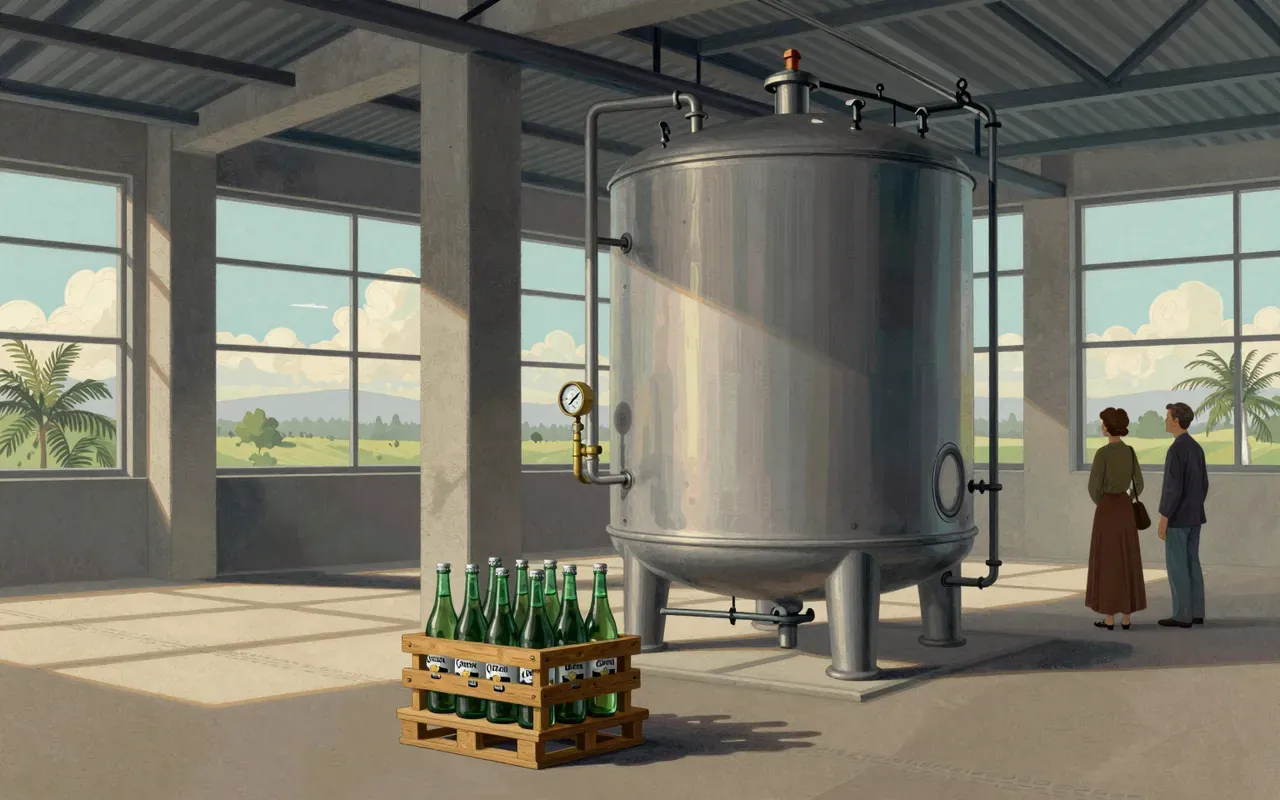


Moody's Ratings is the credit ratings division of Moody's Corporation, rebranded from Moody's Investors Service in March 2024. It provides international financial research on bonds issued by commercial and government entities, operates as one of the Big Three credit rating agencies, uses a standardized ratings scale measuring expected investor loss in default, assigns ratings from Aaa (highest) to C (lowest), and was founded by John Moody in 1909 to produce manuals of statistics related to stocks, bonds, and bond ratings.

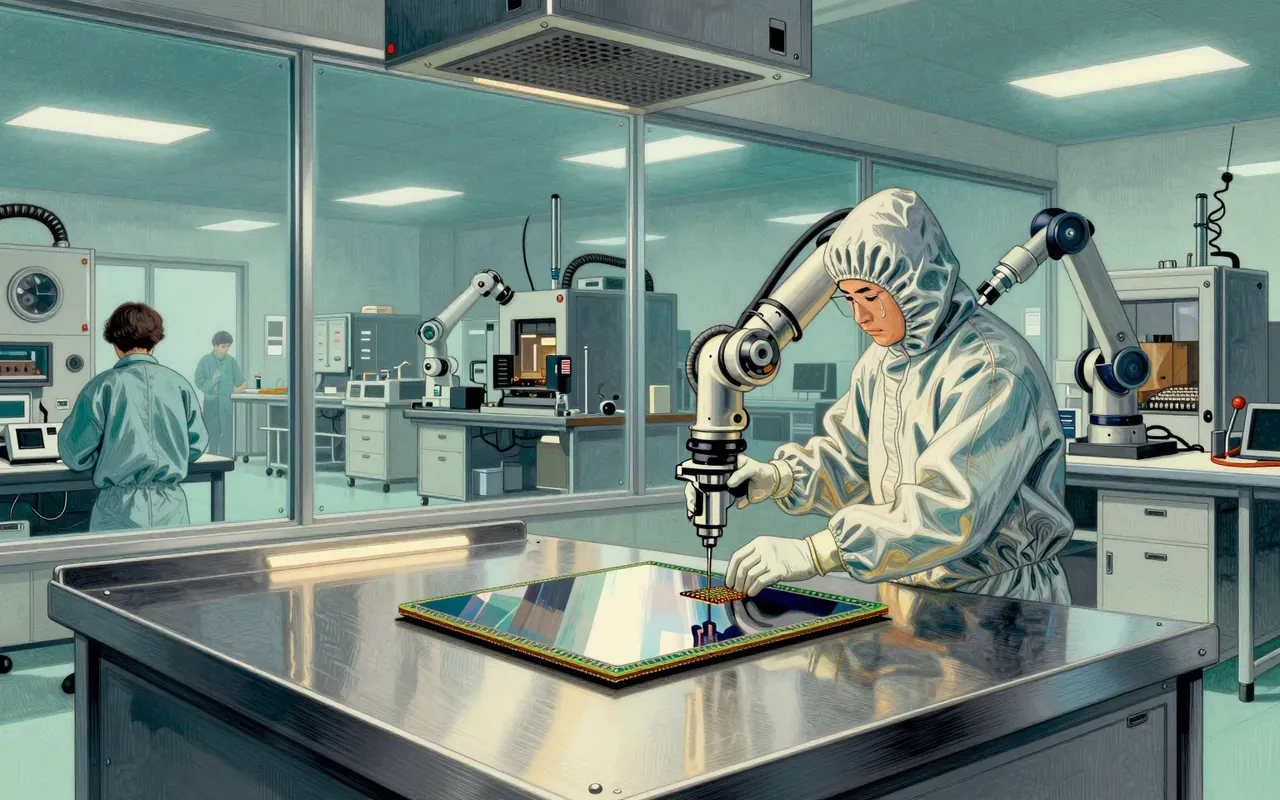

Nasdaq is not a disruptor — it is the incumbent infrastructure operator. Its value lies in ownership of exchange platforms, data feeds, and listing rules — not in technological novelty, which has long since been replicated. It works where liquidity and branding converge: tech IPOs, real-time data sales, and cross-border access. It falls short as a neutral arbiter: its incentives align with listed companies and high-frequency traders, not retail investors or public market integrity. The gap between its self-presentation as a ‘market enabler’ and its actual function as a toll collector is wide — and profitable.

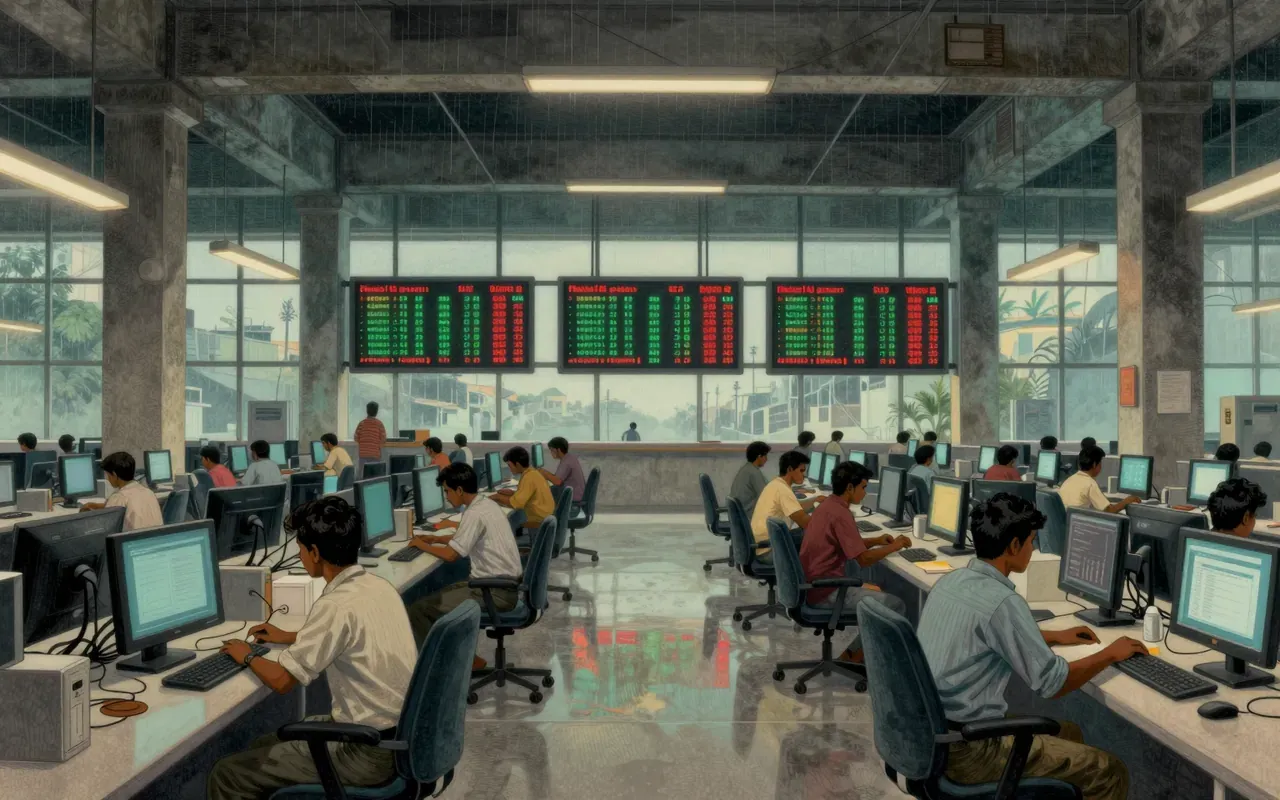
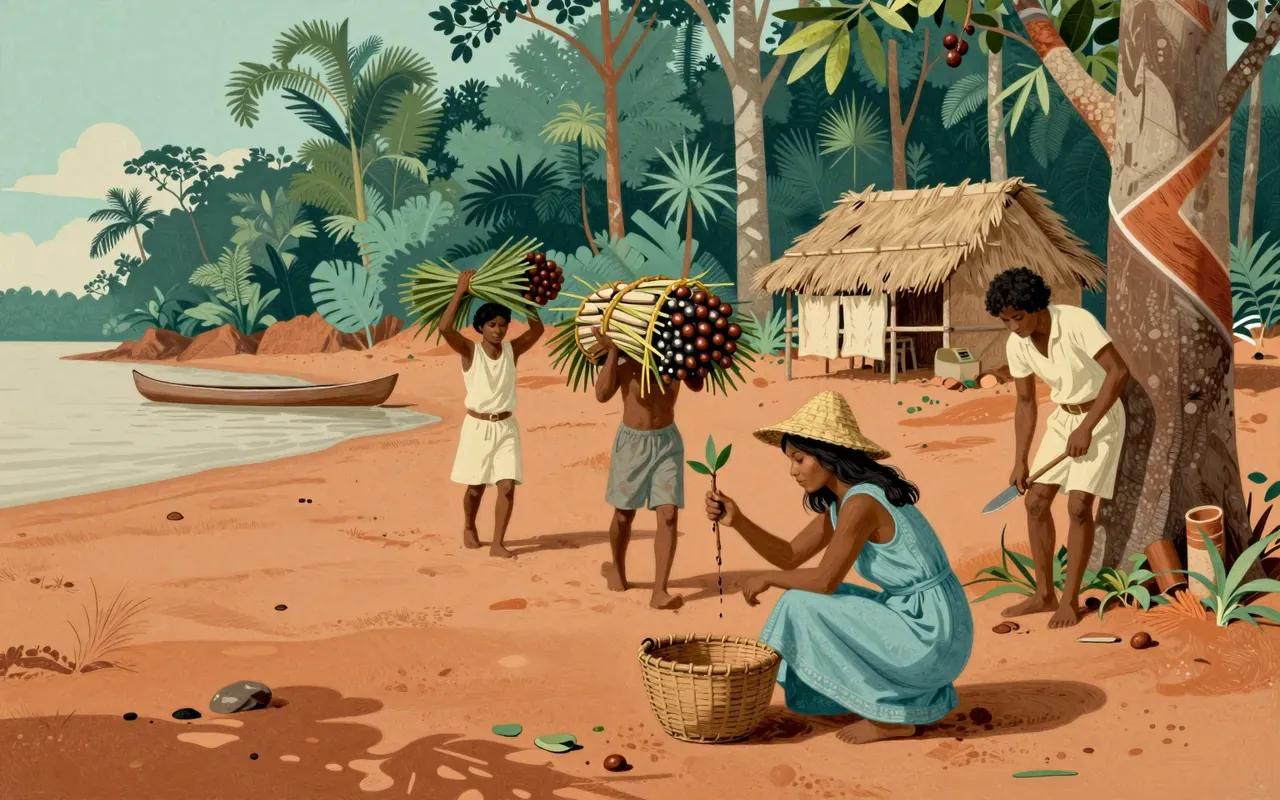
Natura built a global cosmetics business using direct sales—not digital platforms—and anchored its identity in ethical sourcing and animal-testing bans. It listed on Brazil’s highest-governance stock exchange tier in 2004. But none of its stated commitments include third-party verification, cost impact, or enforcement mechanisms. Its scale—6.6 million consultants in 2018—is real. Its ethics are aspirational.

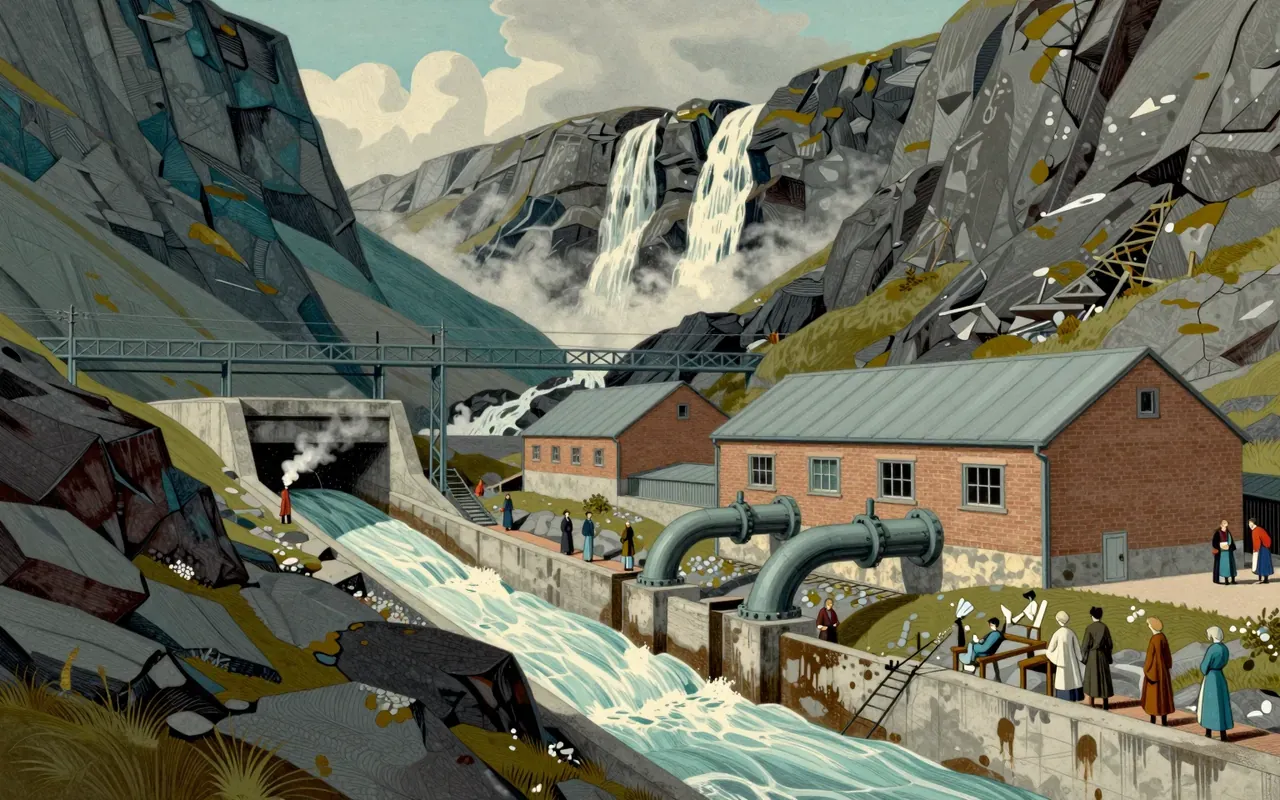
Norsk Hydro began as a single-purpose vehicle for Birkeland’s nitrogen-fixing arc — a physics experiment turned factory. Its early dominance came not from IP or management, but from locking in Norway’s hydropower geography. It survived obsolescence not through reinvention, but by ceding chemical control to IG Farben. Its WWII role — sole European heavy water producer — was accidental infrastructure reuse. Its current aluminium and renewables business shares no technology with its origin, only its dams, debt, and place.
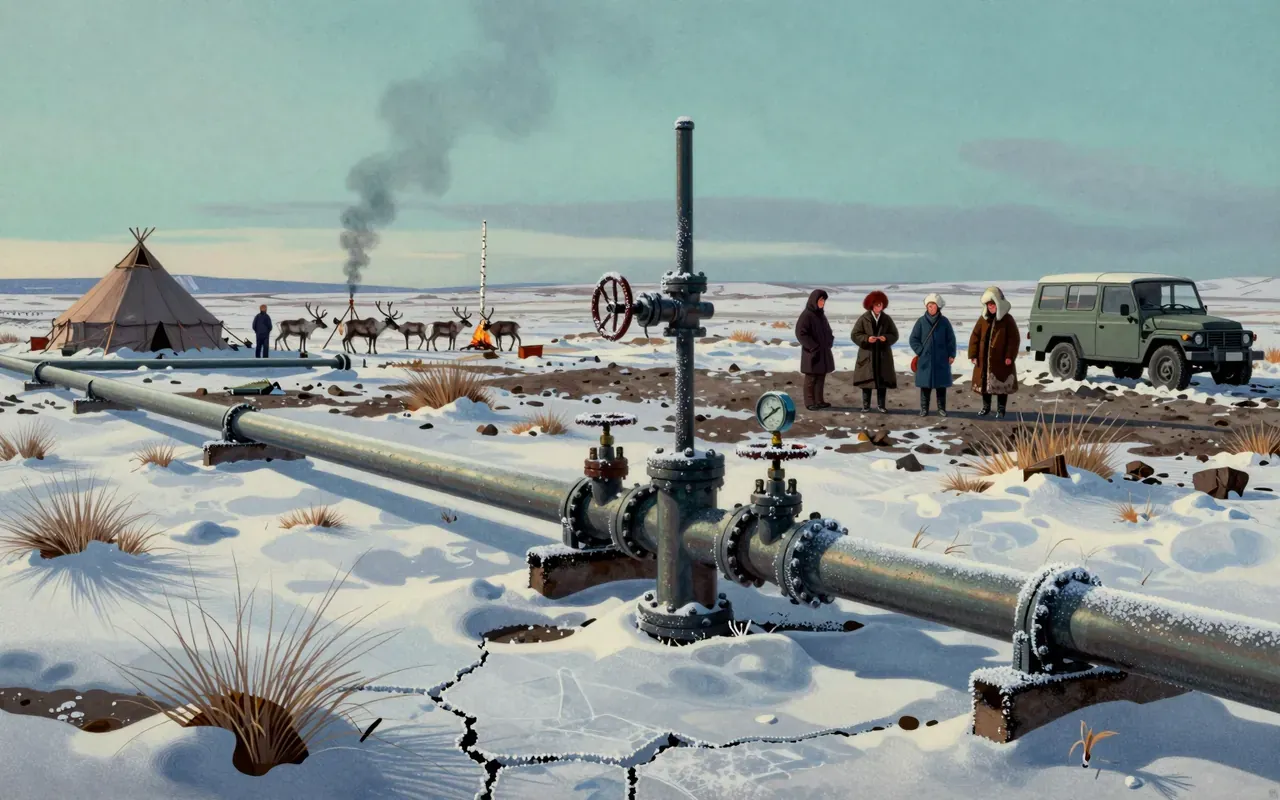
Novatek is a state-tolerated gas monopoly-in-waiting: dominant domestically, absent internationally, priced by regulation not competition.

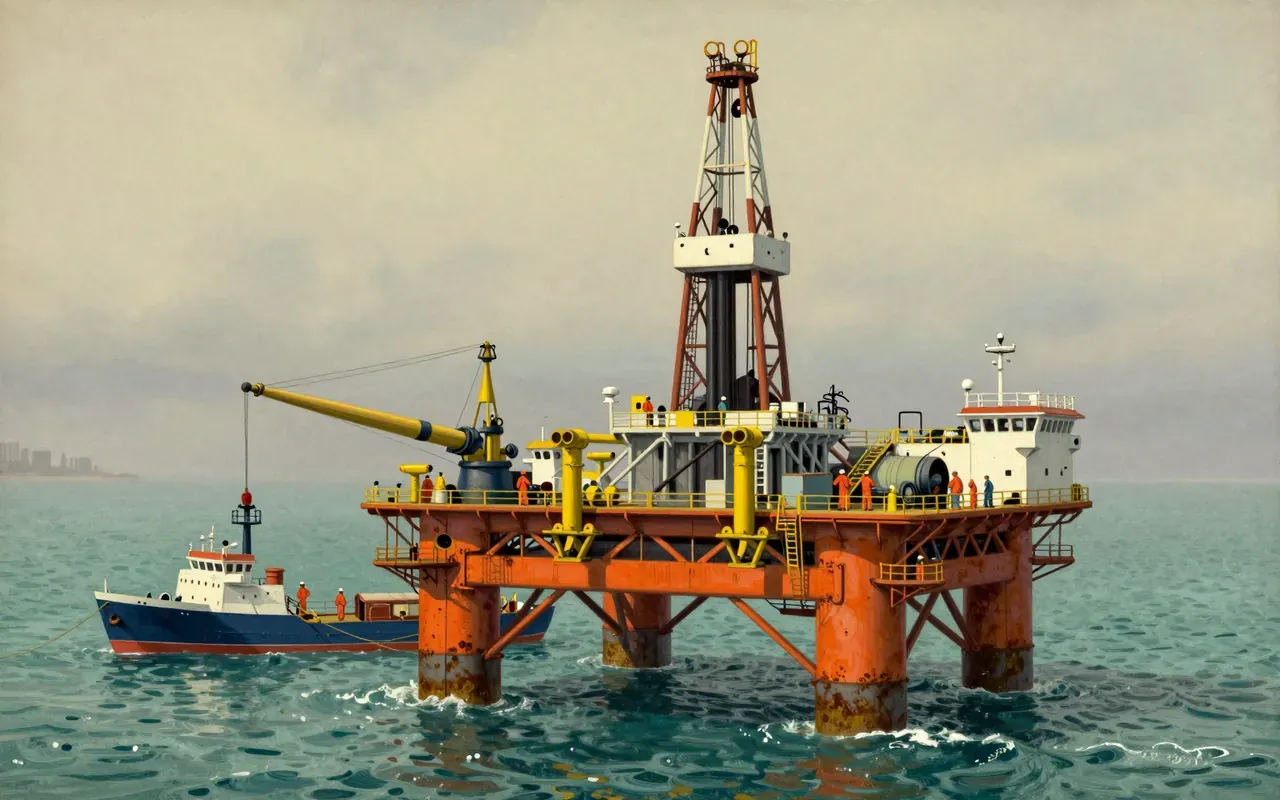
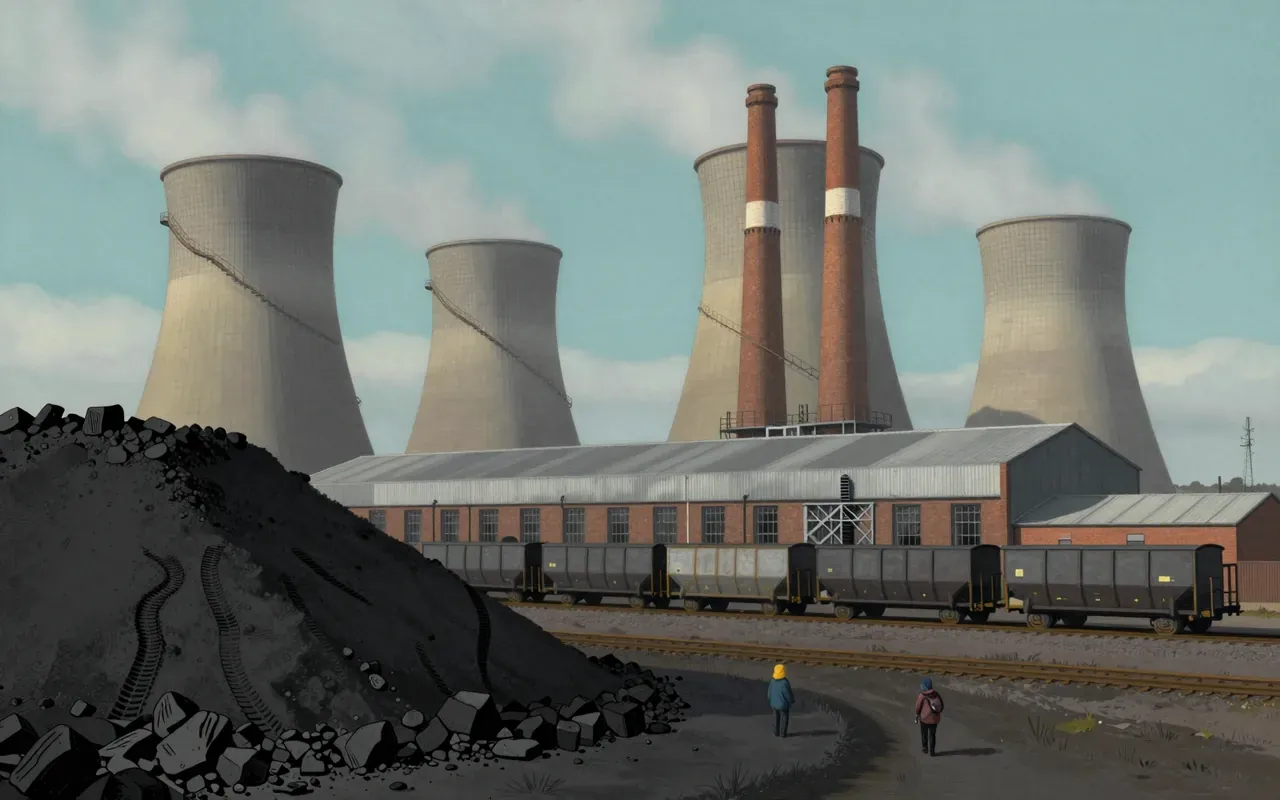

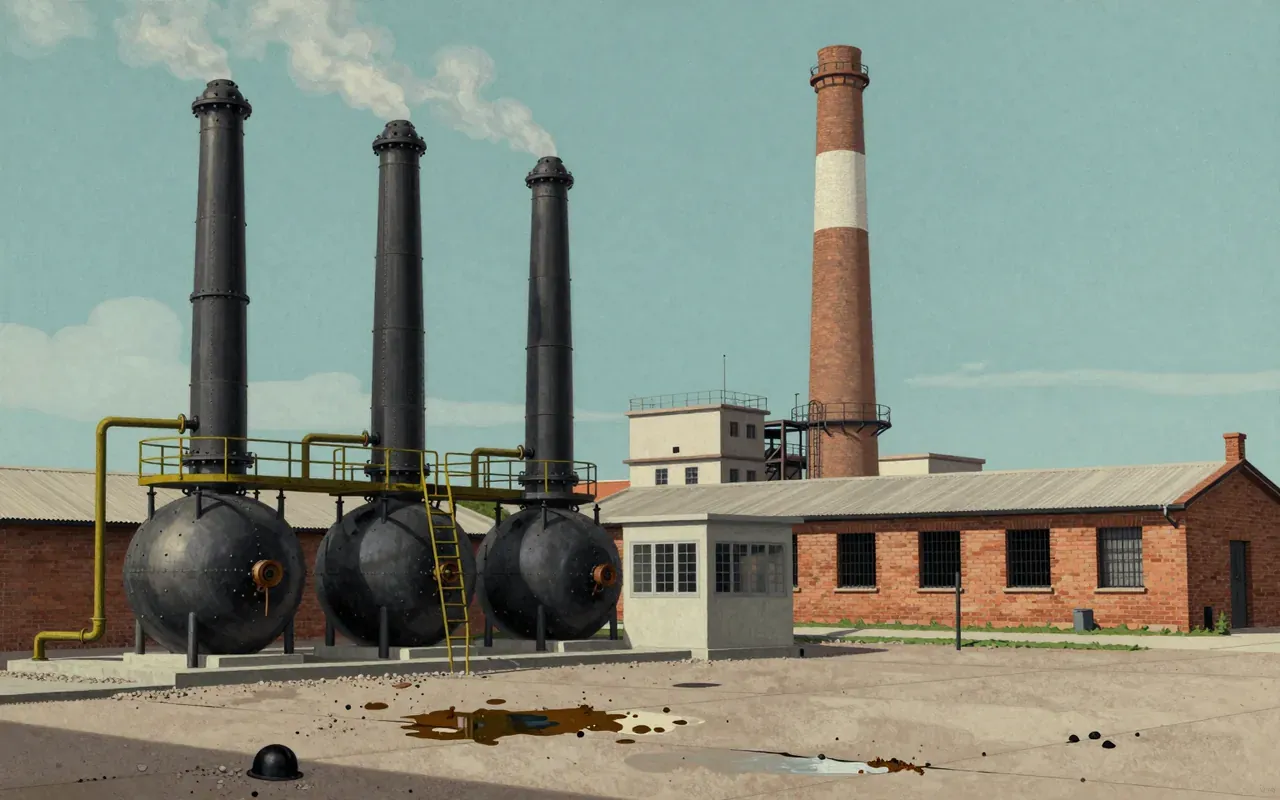
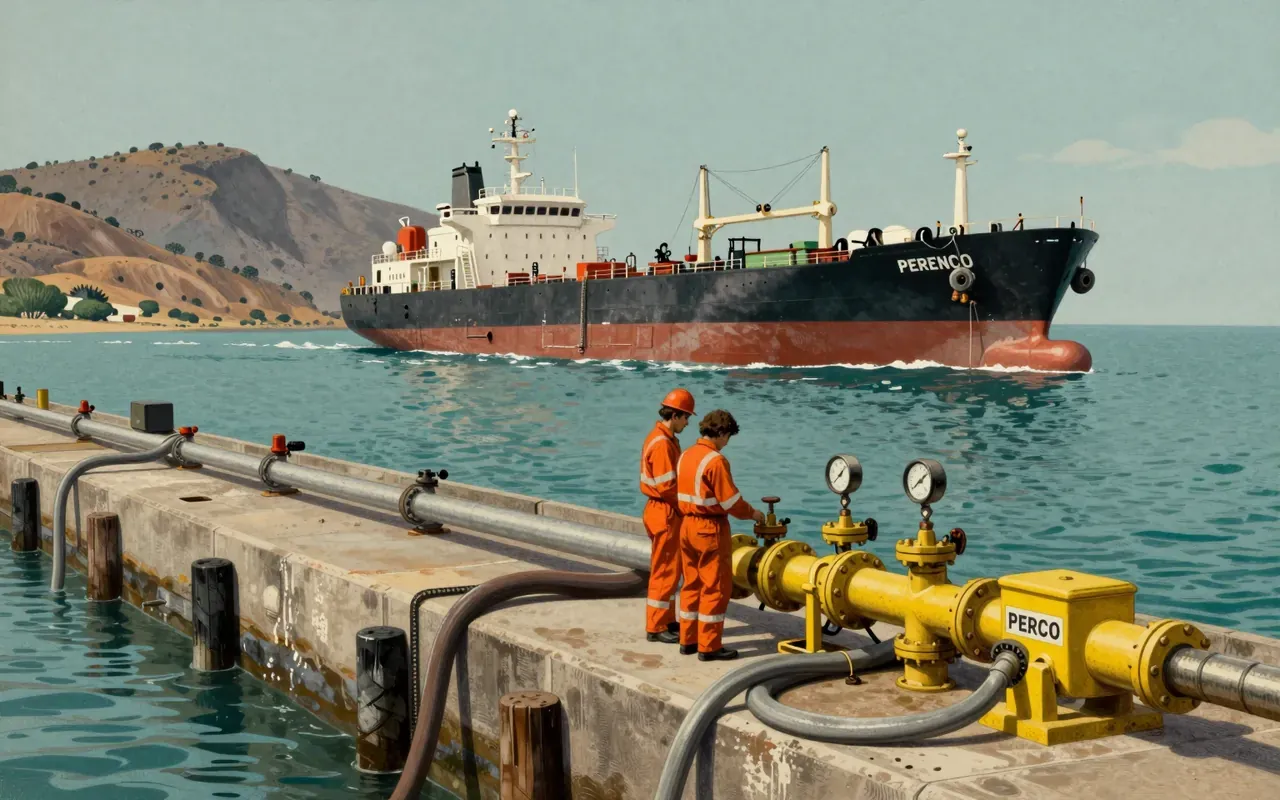

Peterbilt is a case study in acquisition-led industrial continuity: a timber operator bought a defunct truck maker to solve local hauling problems, engineered narrowly effective solutions, scaled only when external demand (military) appeared, and exited when land value exceeded truck value. Its legacy lies in execution, not vision.
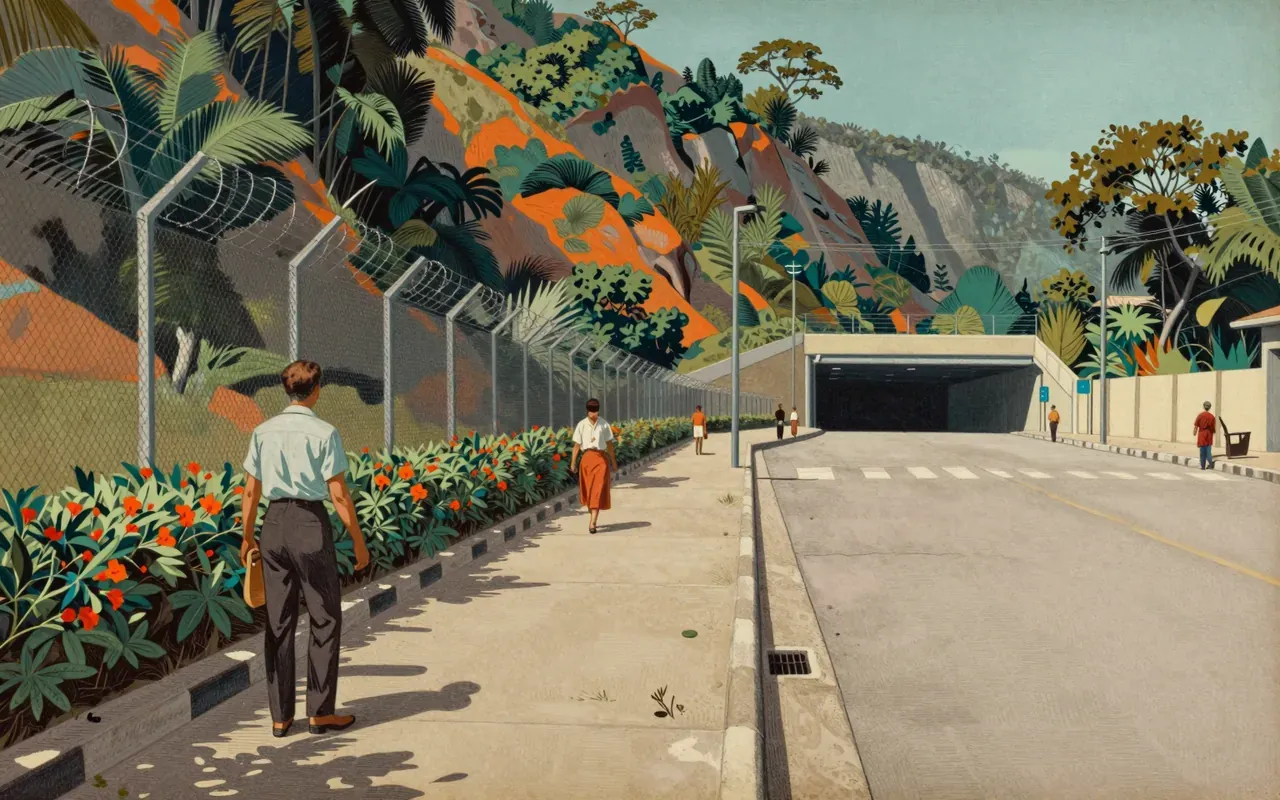
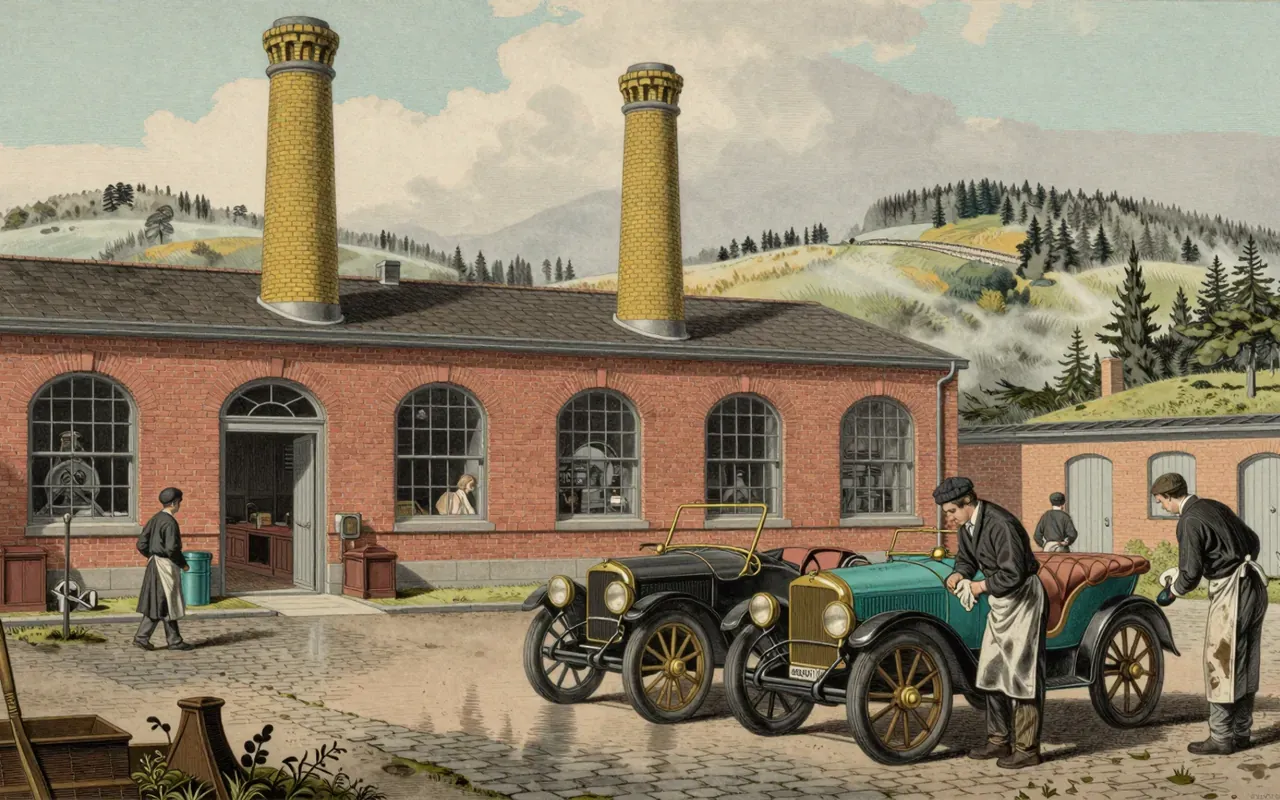
Peugeot is the oldest car company in the world — but only because it formalised its automobile division in 1896, 86 years after its founding as a steel foundry. Its success came not from breakthrough invention, but from disciplined technology adoption, rapid iteration, and industrial scaling.

Pfizer’s origin story is not about curing disease — it is about solving chemical supply problems with fermentation. Its therapeutic dominance came decades after it mastered industrial microbiology under pressure.
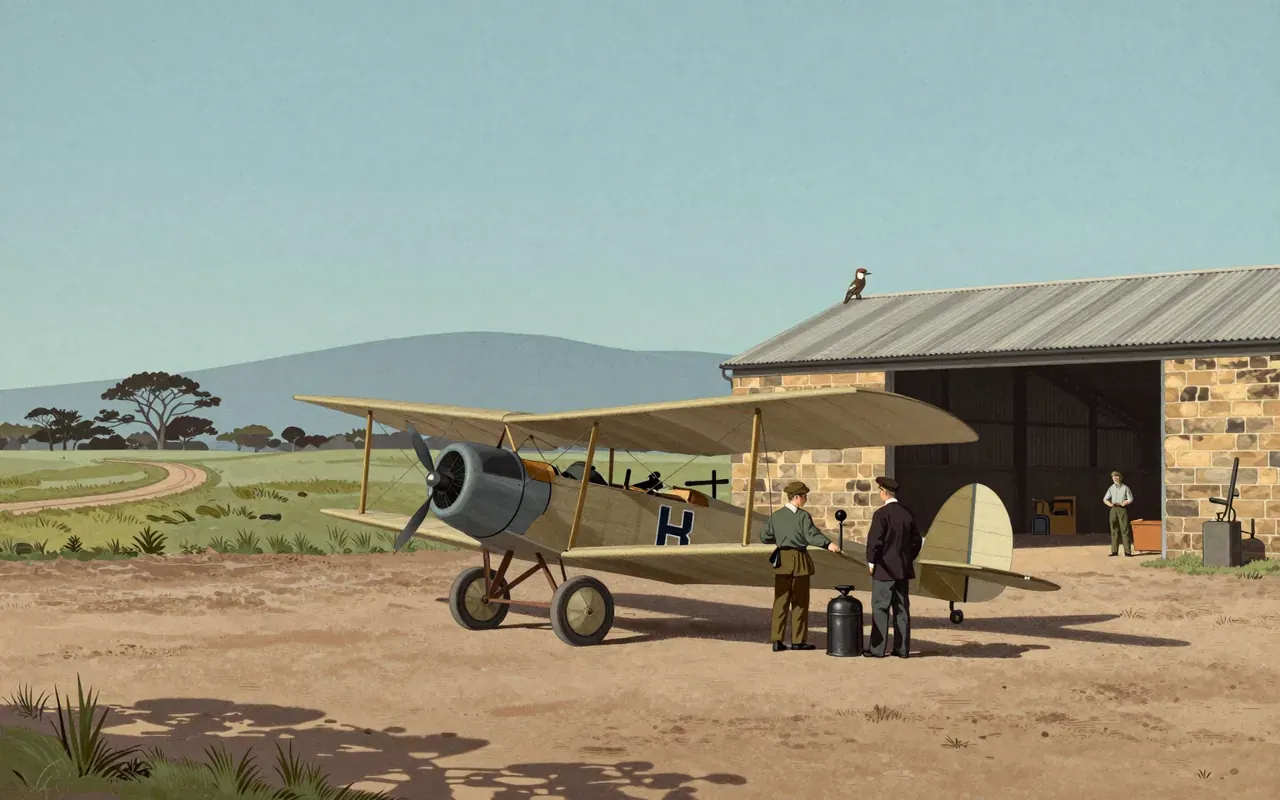
Qantas was founded as a government-enabled airmail service — not a passenger airline — and its early survival depended entirely on public infrastructure needs, not market demand.

Regeneron is a biotech firm whose core innovation — the receptor trap — emerged from neurobiology, not pharmacology. It monetises that science via high-value partnerships and outsized government contracts, not broad platform dominance. Its success depends less on internal scale than on strategic leverage of public R&D funding.

Renault’s early business was built on three concrete moves: selling before incorporation, vertically integrating engine production, and dominating municipal taxi supply — not on vision, branding, or disruption.
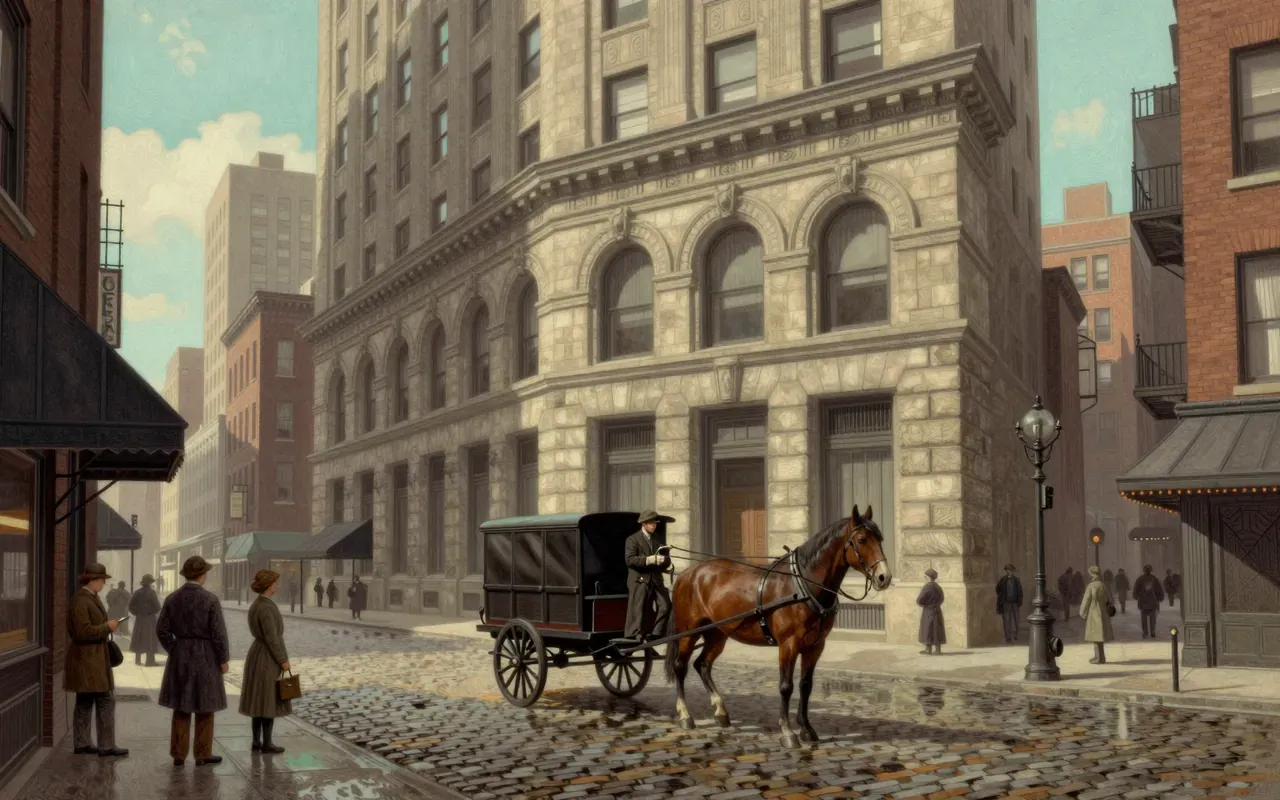

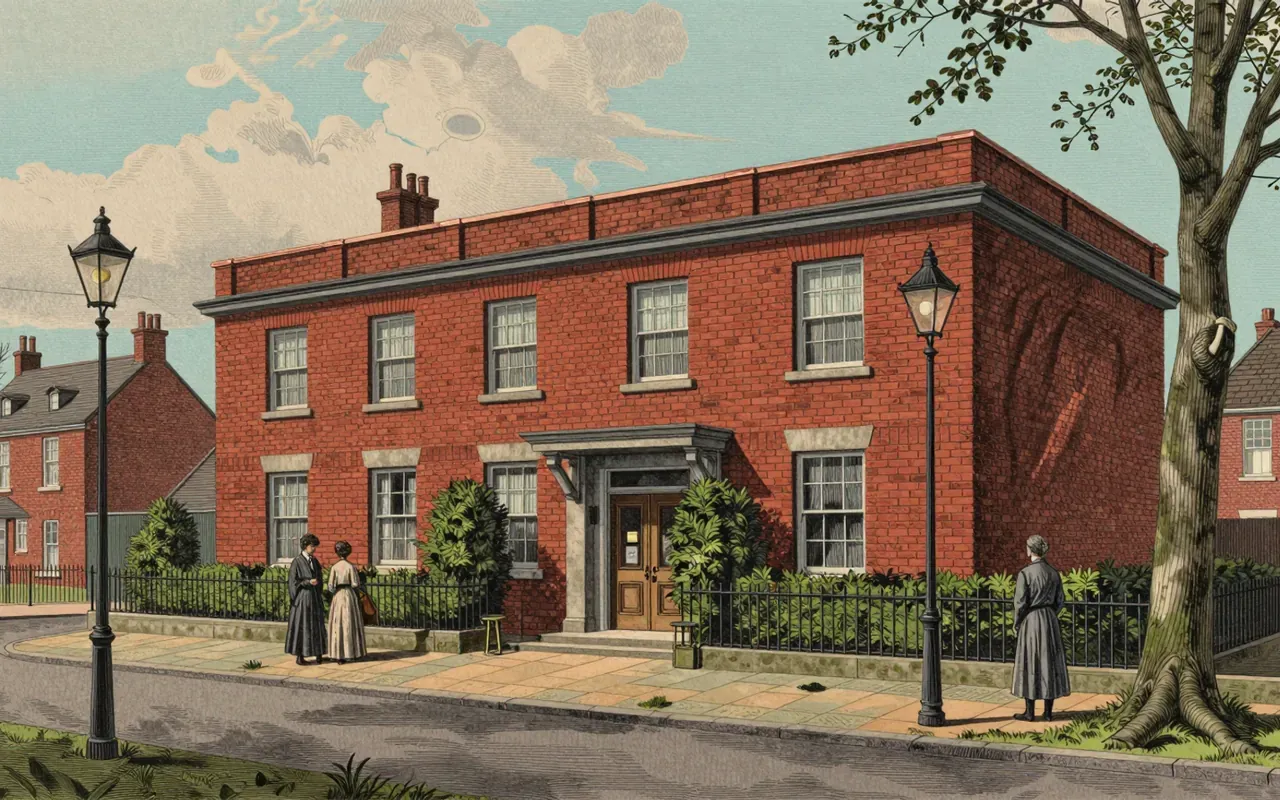
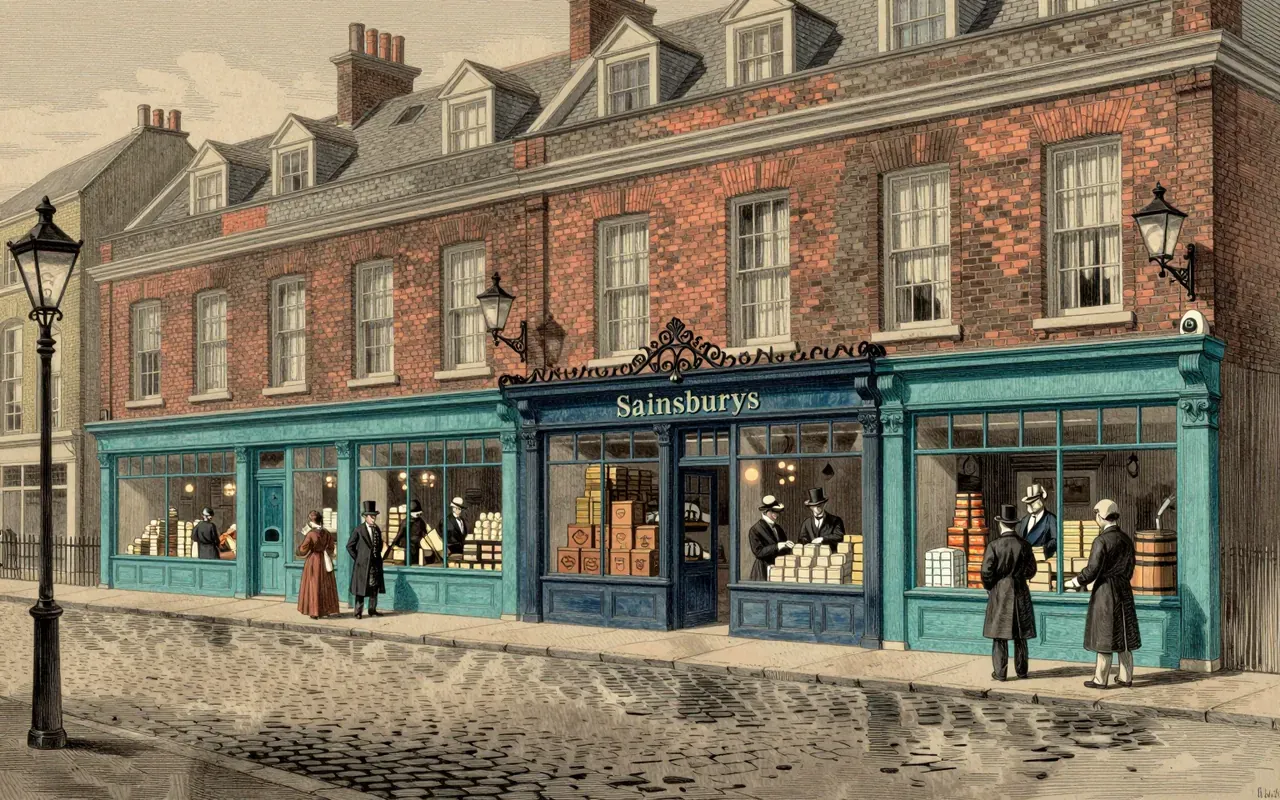
Sainsbury’s is the second-largest UK supermarket chain. It was the largest UK grocery retailer for most of the 20th century. It was founded in 1869 as a partnership by John James Sainsbury and Mary Ann Sainsbury at 173 Drury Lane in London. It began selling fresh foods and later expanded into packaged groceries. Its founding philosophy was 'Quality perfect, prices lower'. It used distinctive cast-iron signage, offered home delivery, and prioritised centrally located shops for better display and cooling before refrigeration existed. It grew to 128 stores by 1928 and remained a family business throughout Sainsbury’s lifetime. He served as Chairman and Governing Director from incorporation in 1922 until his death in 1928.
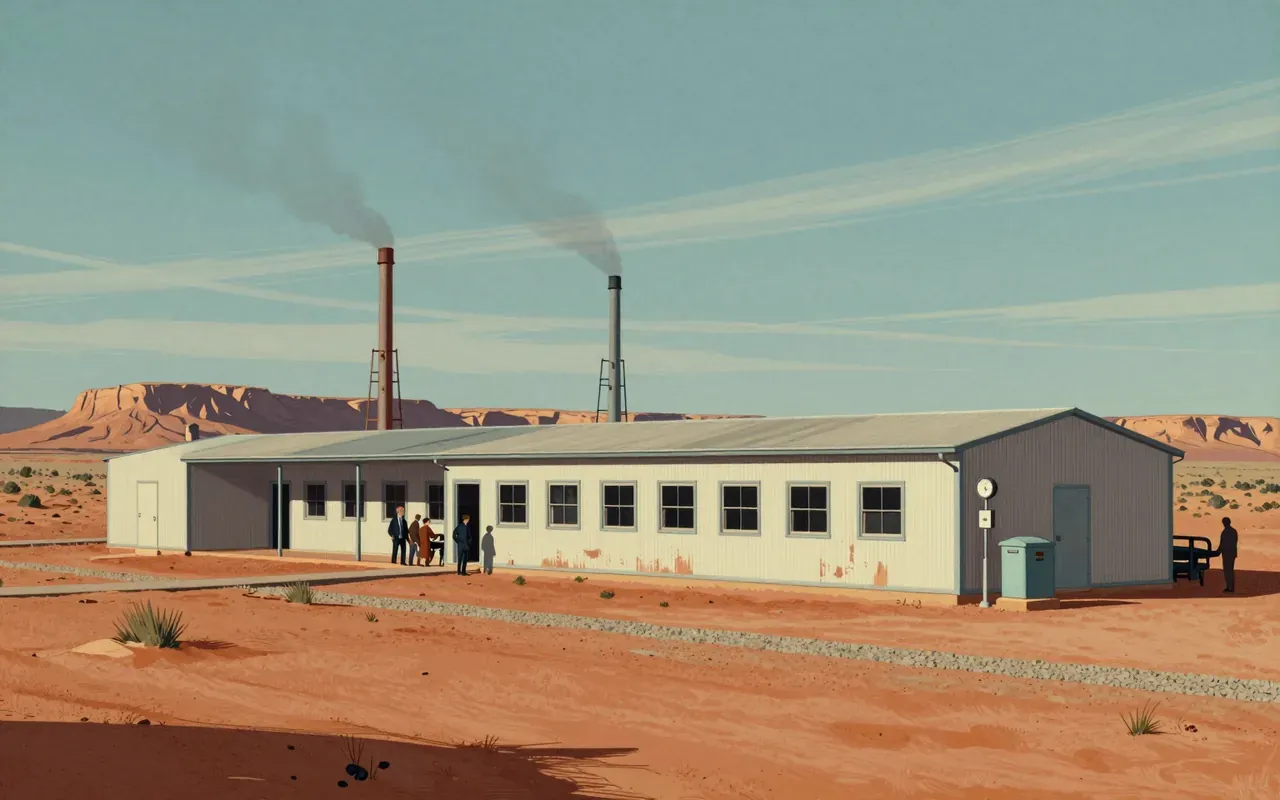
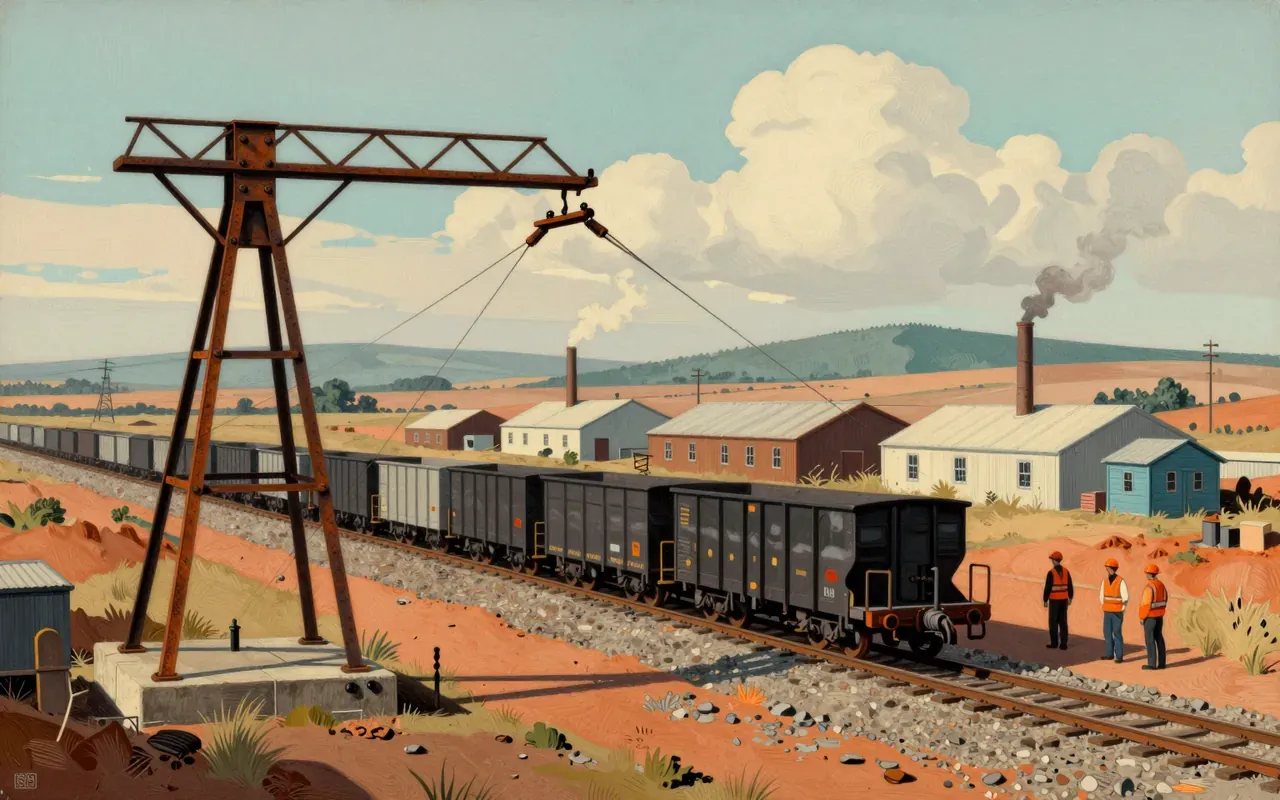

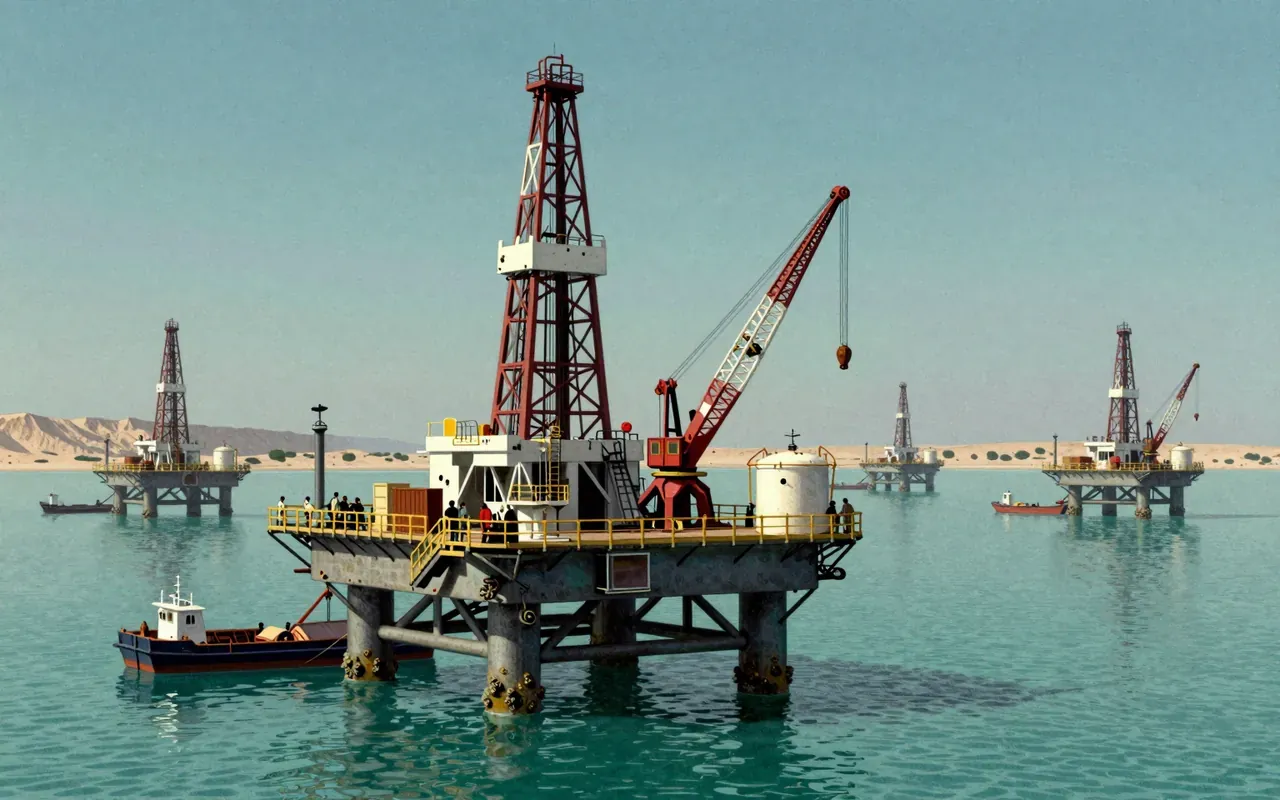
Saudi Aramco is the majority state-owned national oil company of Saudi Arabia. It holds the world's largest proven crude oil reserves and largest daily oil production. It operates the world's largest single hydrocarbon network, the Master Gas System. Its shares began trading on the Saudi Exchange on 11 December 2019, reaching a market capitalisation of about US$1.88 trillion. Its origins lie in a 1933 concession granted by Ibn Saud and executed by Chevron Corporation.









Soros Fund Management is a case study in regulatory adaptation: a firm that built its reputation on transparency of idea (macro thesis) and opacity of structure (family office), where the numbers remain impressive but uncheckable.




Tesco is a British multinational groceries and general merchandise retailer headquartered in Welwyn Garden City, England. It was founded in 1919 by Sir Jack Cohen in Hackney, London, beginning with a market stall selling war-surplus groceries. The Tesco brand emerged in 1924 from supplier initials and Cohen’s surname. The first dedicated shop opened in 1931 in Edgware. It was floated on the London Stock Exchange in 1947. It pioneered self-service (1948) and supermarket formats (1956). Cohen’s core business method was 'pile it high and sell it cheap' and the motivational internal motto 'YCDBSOYA'.




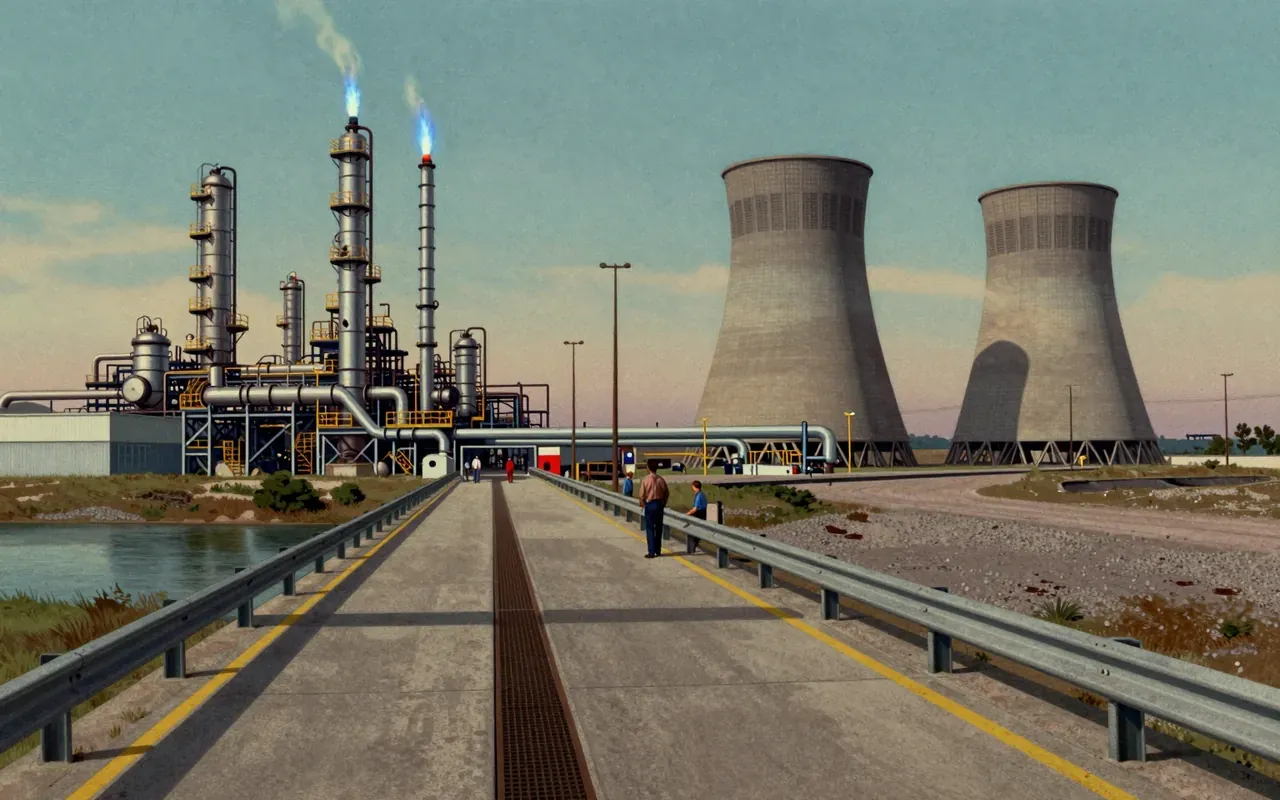

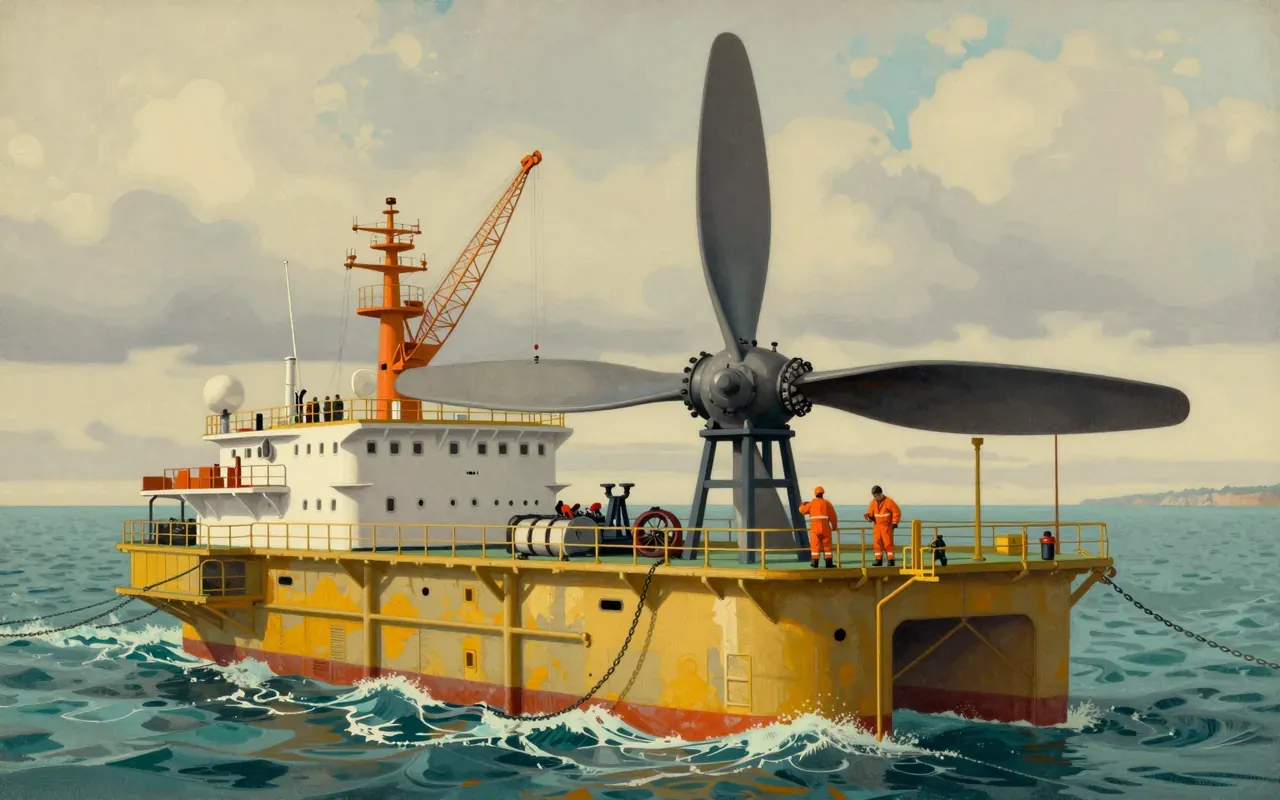
Vestas is a Danish wind turbine company founded in 1945, engaged in manufacturing, selling, installing, and servicing turbines globally; it details major operational milestones including global installations, R&D investment and patenting activity, strategic mergers, facility expansions and closures, and technical innovations such as stealth blades and floating turbines.

Volvo’s origin was not a corporate spin-off or investor-backed startup. It was a personal bet — financed by commissions saved in Paris, structured around a high-risk contract, validated by ten physical prototypes, and launched only after institutional rejection. Its early revenue came from trucks, not cars. Its founding story contradicts the myth of visionary consensus — it was a solo act of leverage, execution, and timing.

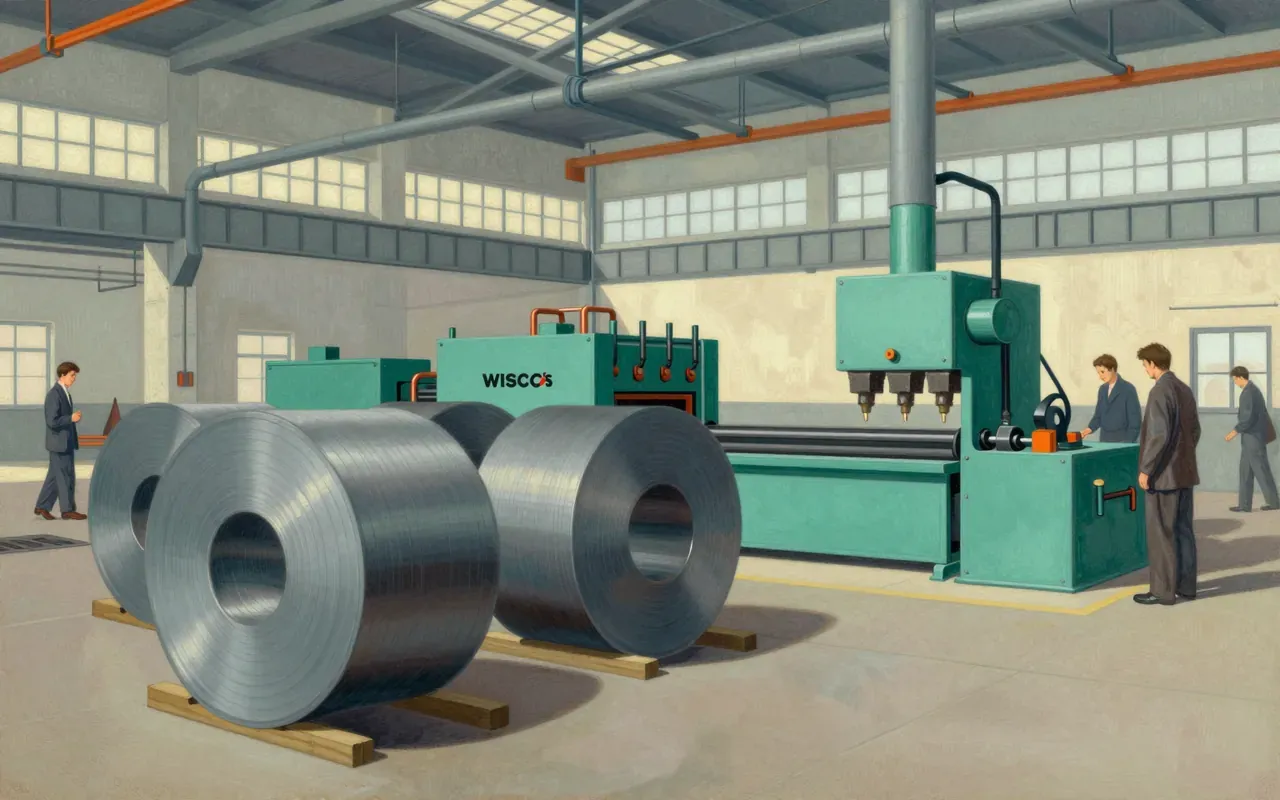


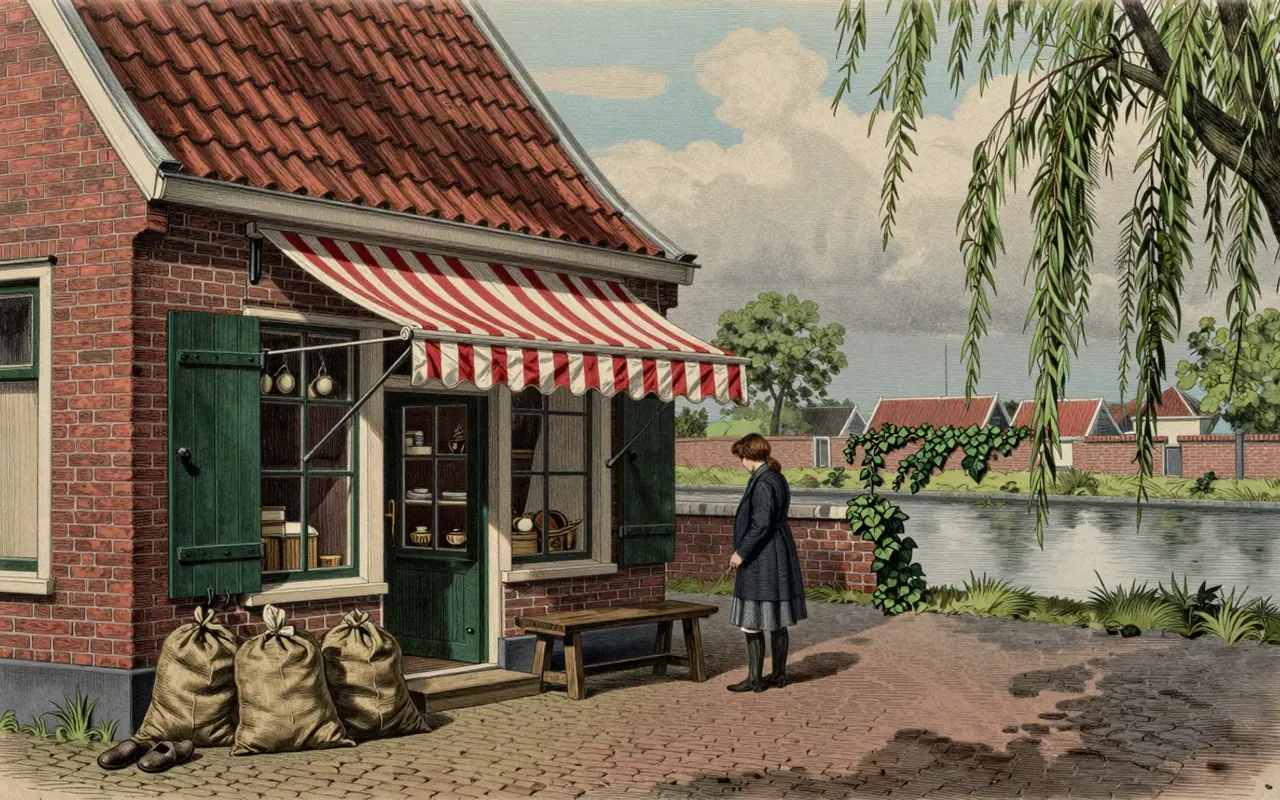
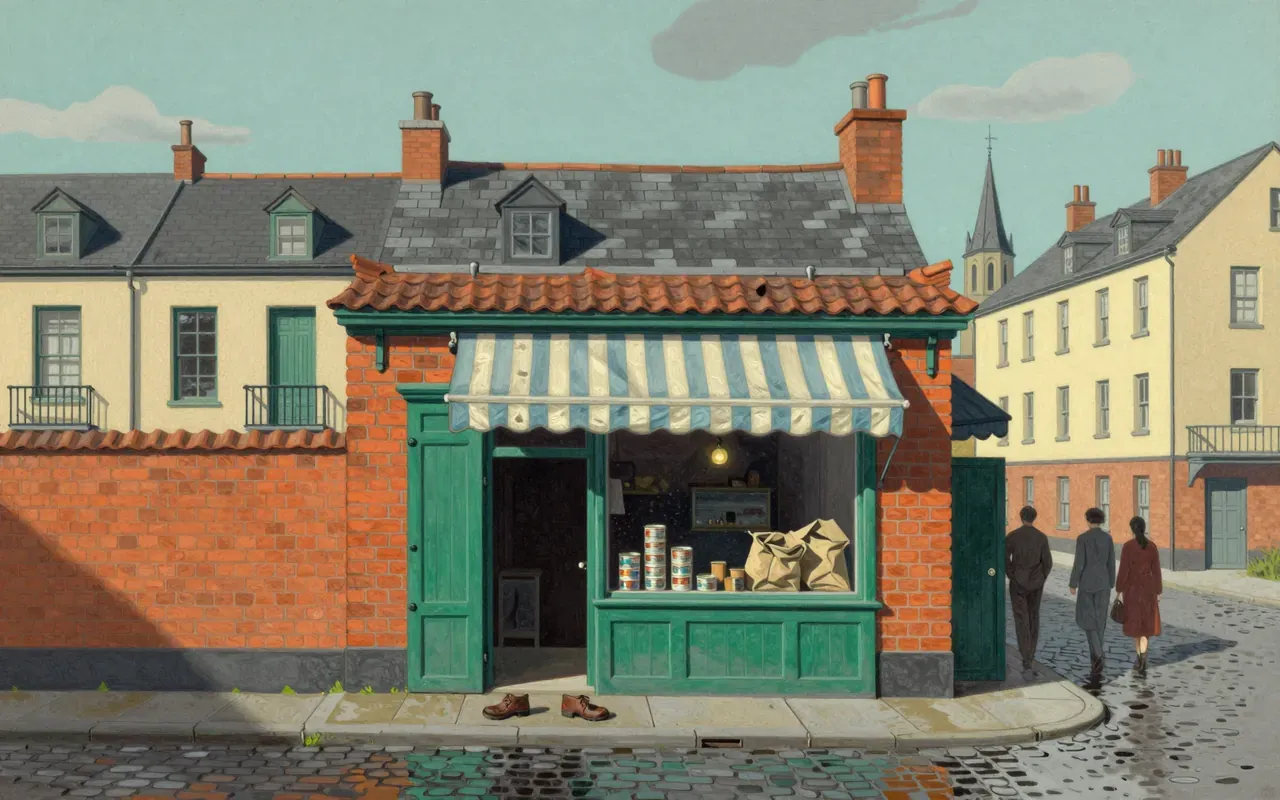
Aldi is not a single company. It is two legally and financially separate firms — Aldi Nord and Aldi Süd — born from a 1960 split triggered by a disagreement over cigarettes. They share a name, a cost-cutting method, and a lineage, but no ownership, no shared board, and no central strategy. Their model works because it eliminates variables: no fresh produce, no advertising, no unsold stock, no large stores, no rebates beyond the legal 3%. By 1960, that method had scaled to 300 stores. Family control ended by 2002. The business survives not through narrative, but through subtraction.

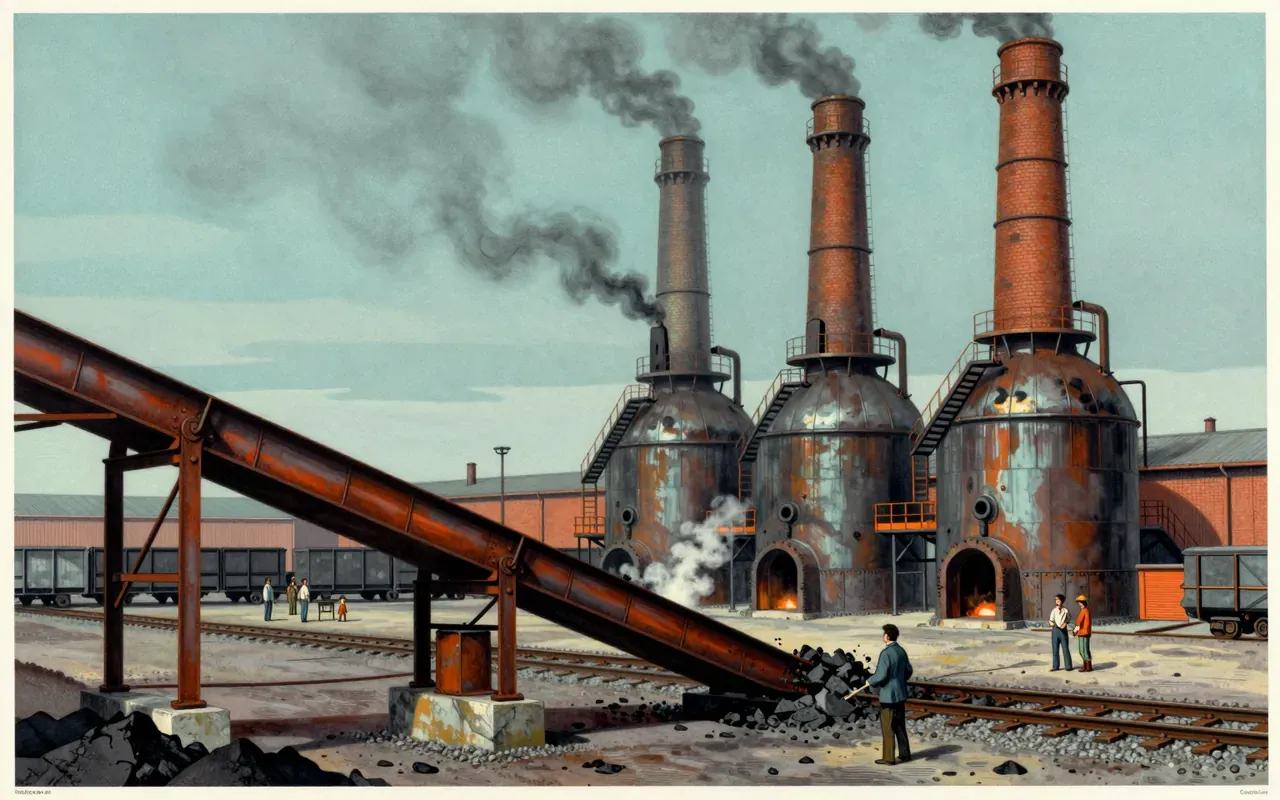
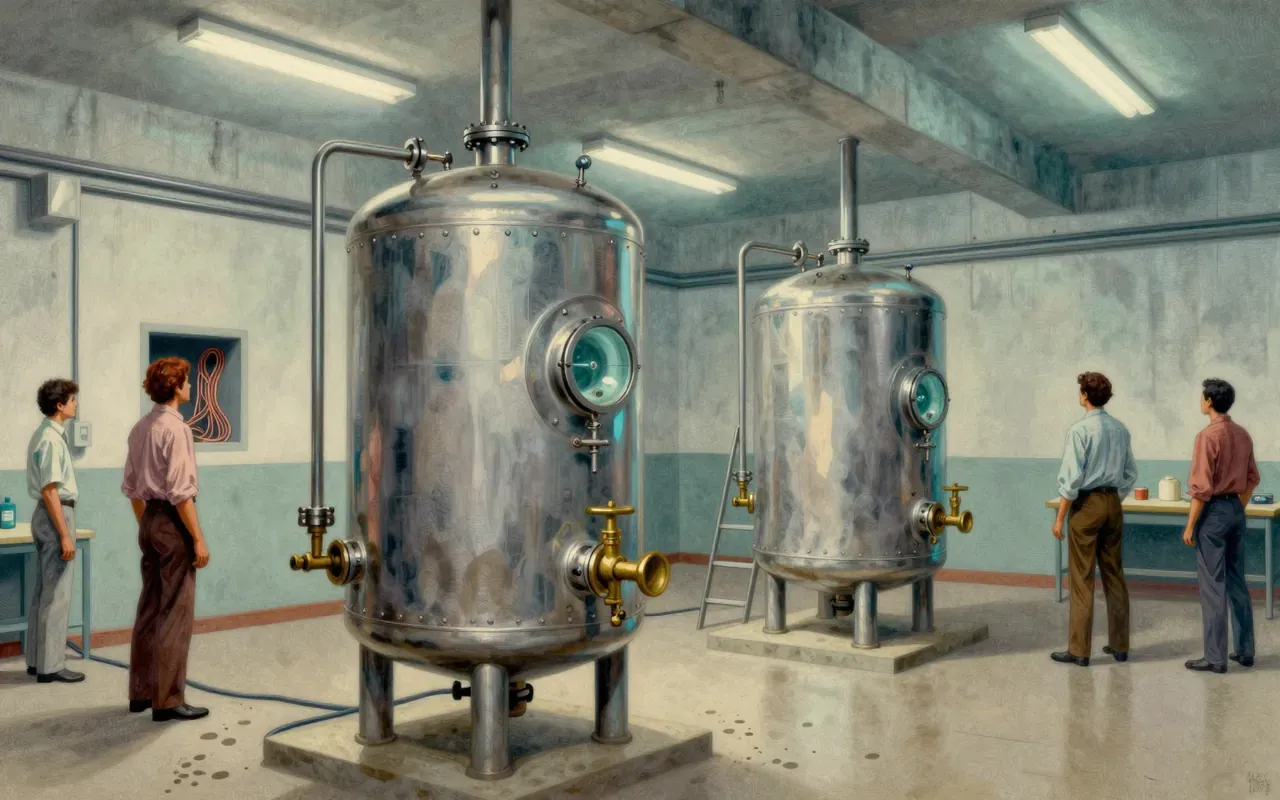
Biocon is a rare case of a biotech company built without VC, without US incorporation, and without founder exit—its growth was constrained and enabled by Indian law, not Silicon Valley logic.
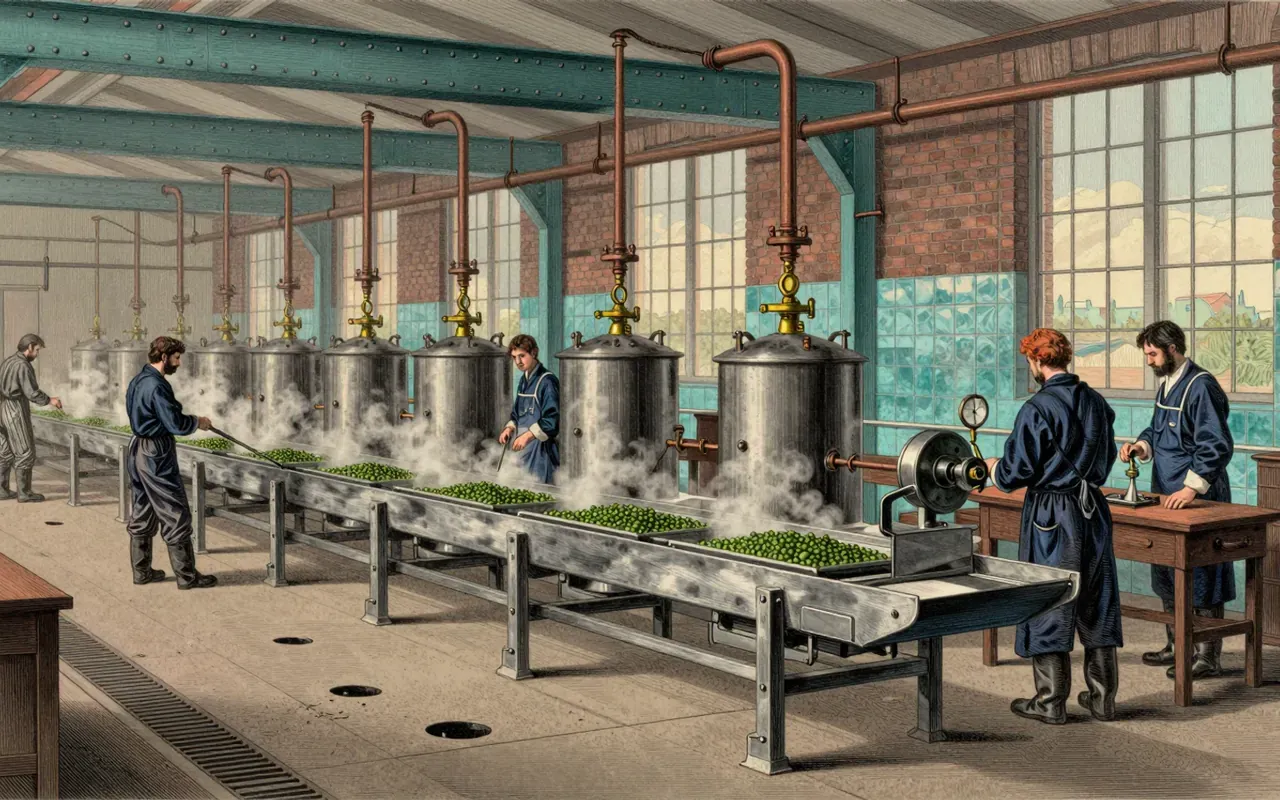


BT Group is a British multinational telecommunications holding company headquartered in London, England. It operates in around 180 countries and is the largest provider of fixed-line, broadband and mobile services in the UK. Its origins date back to the founding in 1846 of the Electric Telegraph Company. BT Group as it came to be started in 1912, when the General Post Office, a government department, took over the system of the National Telephone Company, becoming the monopoly telecoms supplier in the UK. The Post Office Act of 1969 led to the GPO becoming a public corporation, Post Office Telecommunications. The British Telecom brand was introduced in 1980, and became independent of the Post Office in 1981. British Telecom was privatised in 1984, becoming British Telecommunications plc, with some 50 percent of its shares sold to investors. BT runs the telephone exchanges, trunk network and local loop connections for the vast majority of British fixed-line telephones. The General Post Office (GPO) was the state postal system and telecommunications carrier of the United Kingdom until 1969. Established in England in the 17th century, the GPO was a state monopoly covering the dispatch of items from a specific sender to a specific receiver; it was overseen by a Government minister, the Postmaster General. The GPO was abolished by the Post Office Act 1969, which transferred its assets to the Post Office, so changing it from a Department of State to a statutory corporation. Responsibility for telecommunications was given to Post Office Telecommunications, the successor of the GPO Telegraph and Telephones department. In 1980, the telecommunications and postal sides were split prior to British Telecommunications' conversion into a totally separate publicly owned corporation the following year as a result of the British Telecommunications Act 1981. When new forms of communication came into existence in the 19th and early 20th centuries the GPO claimed monopoly rights on the basis that like the postal service they involved delivery from a sender and to a receiver. The Telegraph Act 1869 conferred on the Postmaster General a monopoly in telegraphic communication in the UK. The Wireless Telegraphy Act 1904, which granted control of radio waves to the General Post Office, who licensed all senders and receivers.

Carrefour is a foundational case in retail format design — not technology, not branding, not finance — but physical integration, location logic, and incremental scaling.