
Biz Stone
A creative director who co-patented Twitter but never ran its business — and whose second act at the company changed nothing.
A temporary monopoly granted to encourage disclosure.



Biogen is a neurology-focused biotech that built scale via acquisition, not foundational science — and César Milstein, whose hybridoma work underpins modern antibody therapeutics, has no documented relationship to the company.

Caterpillar Inc. is the world's largest construction equipment manufacturer, founded in 1925 via merger, but rooted in Benjamin Holt’s continuous-track tractor innovation of 1904–1907.

Regeneron is a biotech firm whose core innovation — the receptor trap — emerged from neurobiology, not pharmacology. It monetises that science via high-value partnerships and outsized government contracts, not broad platform dominance. Its success depends less on internal scale than on strategic leverage of public R&D funding.

Vestas is a Danish wind turbine company founded in 1945, engaged in manufacturing, selling, installing, and servicing turbines globally; it details major operational milestones including global installations, R&D investment and patenting activity, strategic mergers, facility expansions and closures, and technical innovations such as stealth blades and floating turbines.

Activision’s founding was a contractual rupture, not a technological leap. It turned programmer identity and shelf presence into revenue — and proved third-party publishing could exist only after winning in court.


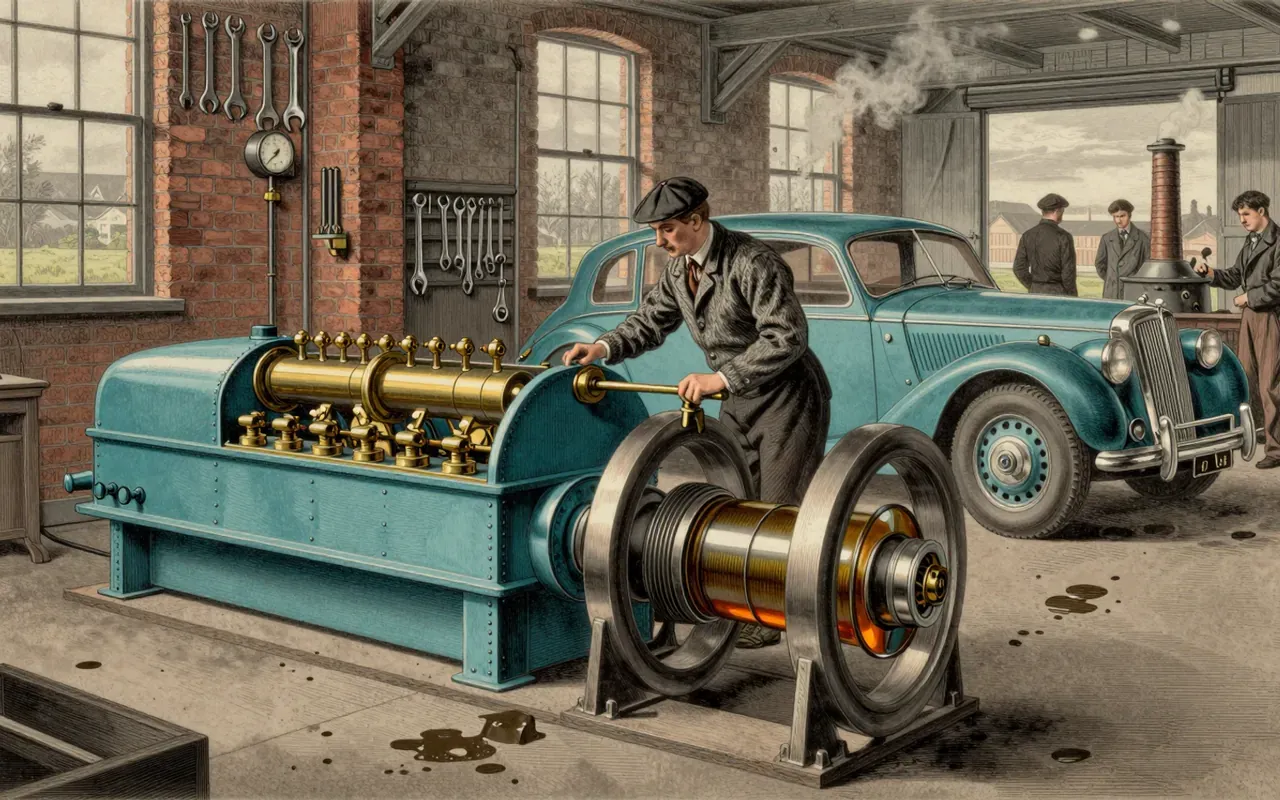
The Daimler Company was a British motor vehicle manufacturer founded in London in 1896, with manufacturing based in Coventry; it acquired rights to the Daimler name from Gottlieb Daimler and Daimler-Motoren-Gesellschaft; underwent reorganisation in 1904 and was purchased by BSA in 1910; absorbed the Lanchester Motor Company in 1933; held a Royal Warrant from 1902 until the 1950s; employed distinctive technologies including the Daimler-Knight engine, worm gear final drive, and patented fluid flywheel with Wilson preselector gearbox; and was dissolved on 23 December 2025 after years of dormancy.
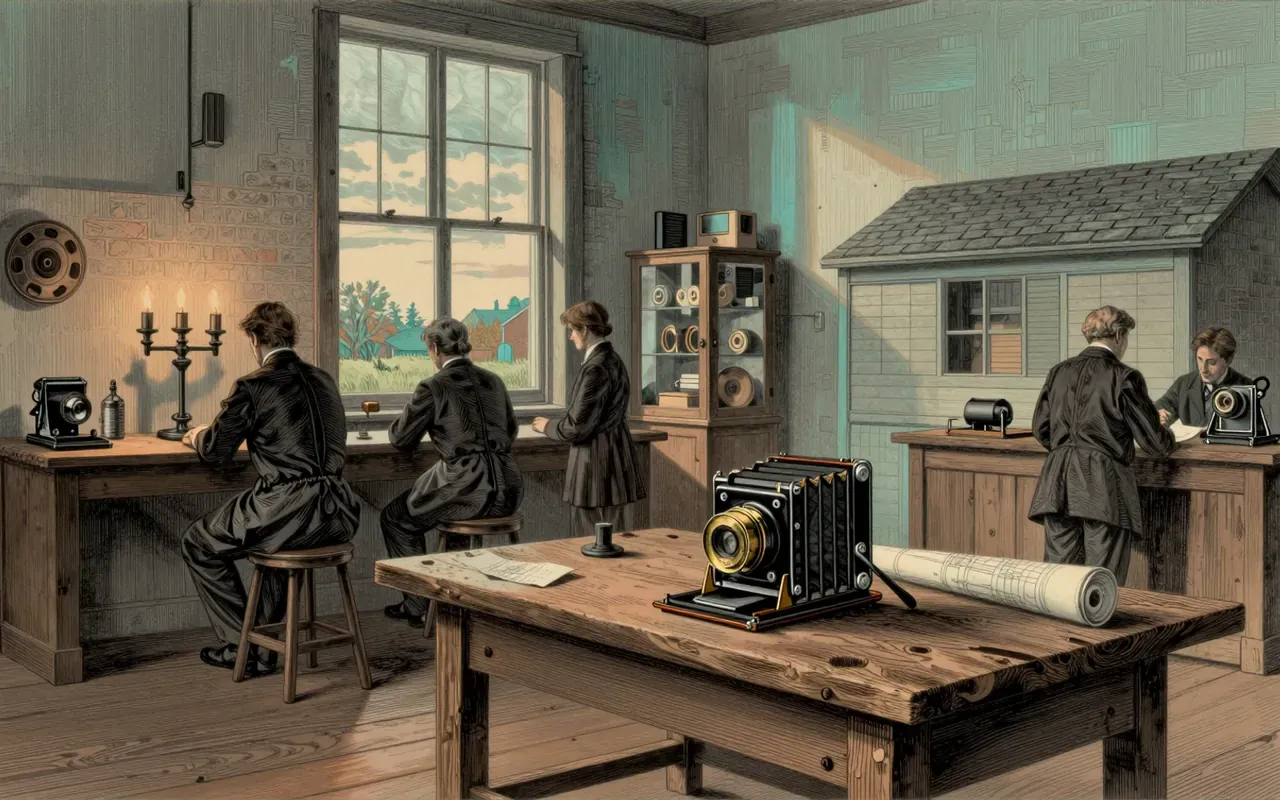
Kodak was not a camera company first — it was a film company that used cameras to distribute its consumable. Its 1888 system created a new market by removing technical barriers. Its dominance came from controlling the film supply chain, not the hardware. No source mentions digital disruption, so the brief stops at peak film-era success.
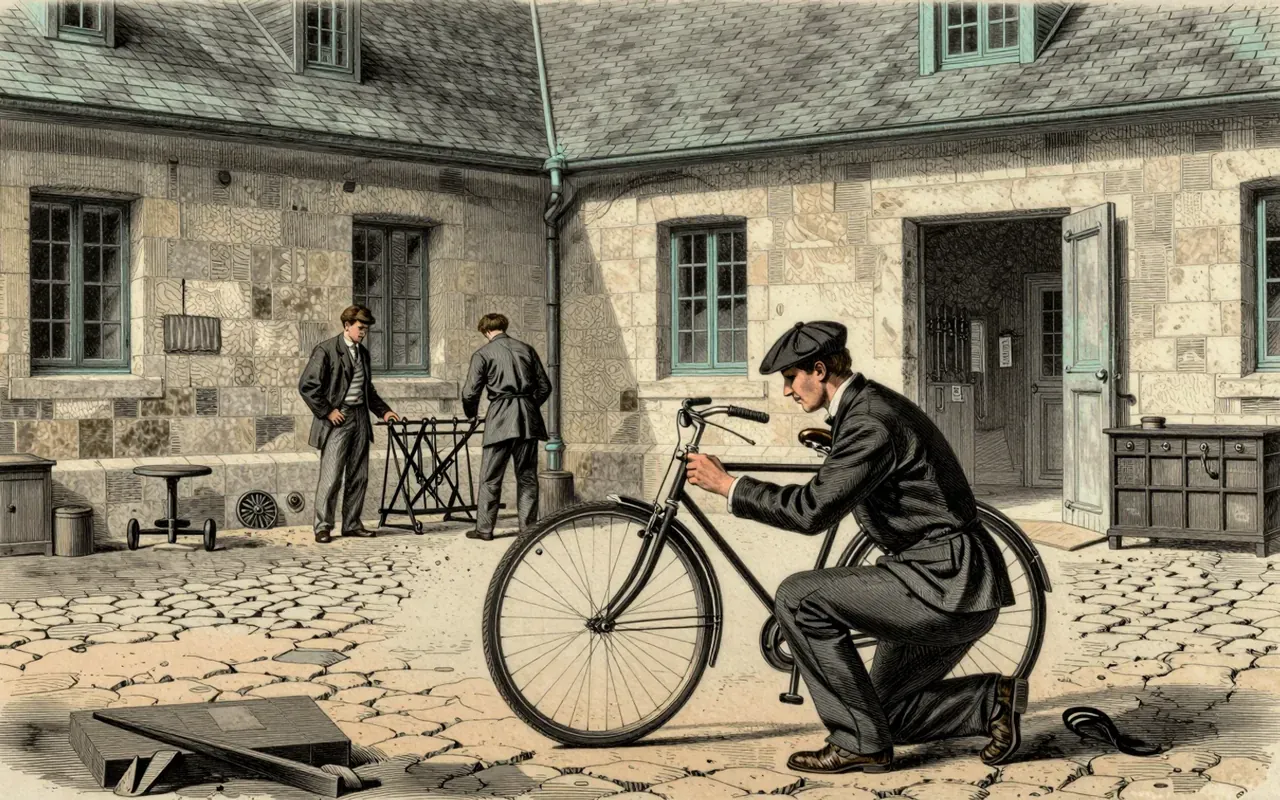
Michelin is a tyre company whose early dominance came from patenting and proving mechanical improvements — detachable, automobile, run-flat, radial, asymmetric — all tested in races or real-world conditions. It monetised mobility itself: first via tyres, then via the Michelin Guide, which existed solely to grow the car-tourism market and thus tyre sales. No evidence supports claims about culture, legacy, or unmeasured influence — only documented innovations, patents, and commercial pivots.

Panasonic is a Japanese multinational electronics manufacturer founded in 1918 by Kōnosuke Matsushita, headquartered in Kadoma, Osaka. It makes money by manufacturing and selling electronics, batteries, automotive systems, industrial equipment, and home renovation services. Its early innovation in battery-powered bicycle lamps — replacing three-hour candle and oil lamps — established product-market fit. Its 1963 plant produced eight CRT TVs per minute, accounting for 21.8% of Japan’s output — the largest share of any company. It ranked 6th globally in PCT patents in 2025 — down from three decades as the world’s top patent applicant. Its repeated workforce reductions — 40,000 in 2011, 10,000 in 2025 — signal structural strain, not agility. These are reactive cost cuts, not evidence of resilient business design. Patent leadership does not guarantee market dominance; Panasonic held the world’s top patent applicant rank for three decades but lost consumer electronics leadership as CRT TV production collapsed. Yes — its patent intensity, scale of operational recalibration, and sustained market position offer concrete lessons in industrial adaptation.

Rolex is a vertically integrated Swiss luxury watchmaker founded in London in 1905, whose early authority came from technical validation (Kew Observatory, 1914), wartime policy (RAF replacement), and structural control (foundation ownership since 1960). It claimed the first waterproof wristwatch case in 1926 — but Depollier patented a functionally identical design eight years earlier. No financial data appears in the sources.

Universal Pictures was a business architecture designed to extract value from every layer of film — from performer contracts to theatre leases — using legal, spatial, and branding levers. Its success was tactical, not mythic.

BlackBerry Limited is a Canadian software company specialising in secure communications and IoT. It was founded in 1984 as Research In Motion (RIM) and developed the BlackBerry brand of wireless mobile devices from 1999 to 2016. After spinning off its mobile division into BlackBerry Mobile in 2016 — discontinued in 2020 — the company transitioned to providing software and services and holds critical software application patents. RIM was the first wireless data technology developer in North America and the first outside the Nordic countries to develop Mobitex connectivity products. In 1996, RIM introduced the Interactive Pager, the first two-way messaging pager. In 1999, RIM introduced the BlackBerry 850 pager, the first device to use the BlackBerry OS, which received push email from Microsoft Exchange Server using BlackBerry Enterprise Server (BES). Its introduction set the stage for enterprise-oriented products, such as the BlackBerry 957 in April 2000, the first BlackBerry smartphone.