BHP
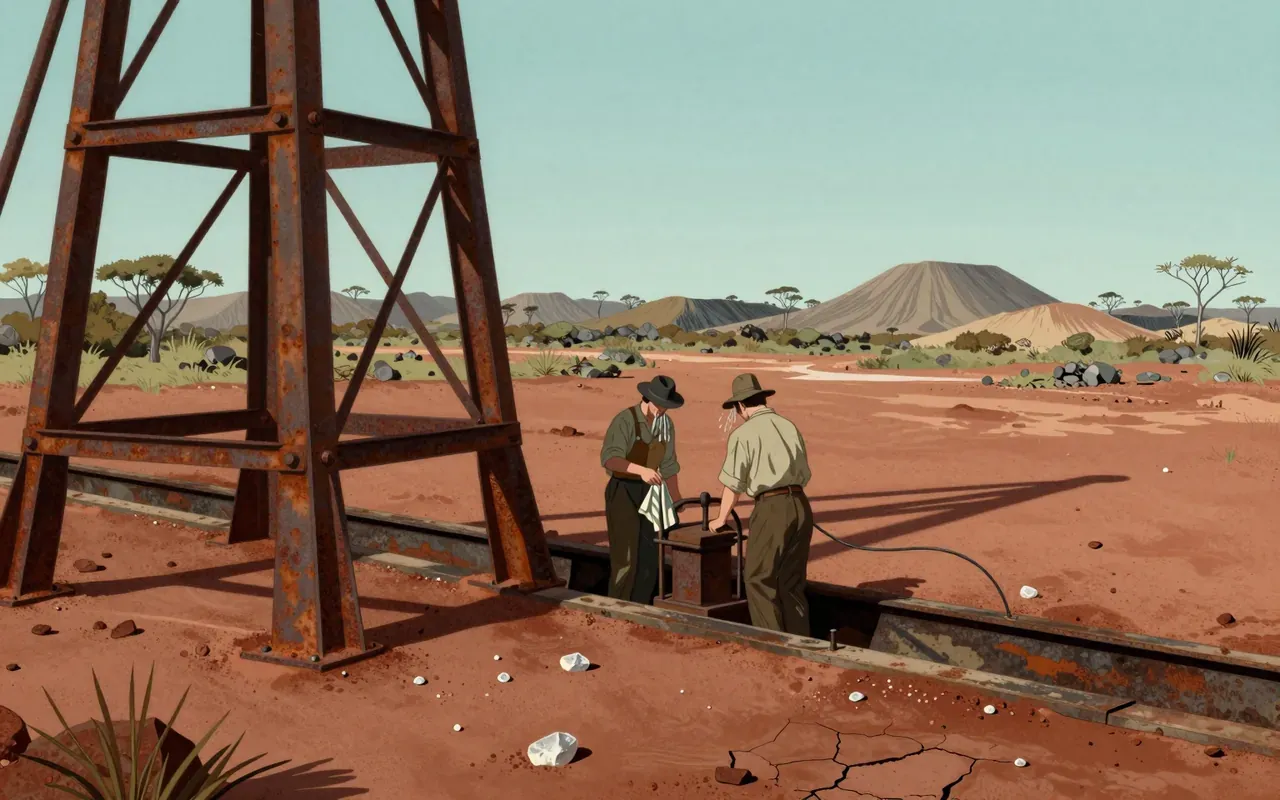
BHP is an Australian mining company, founded at Broken Hill in 1885, that today mines iron ore, copper and coal.
Deciding what not to do, which is the part everyone skips.
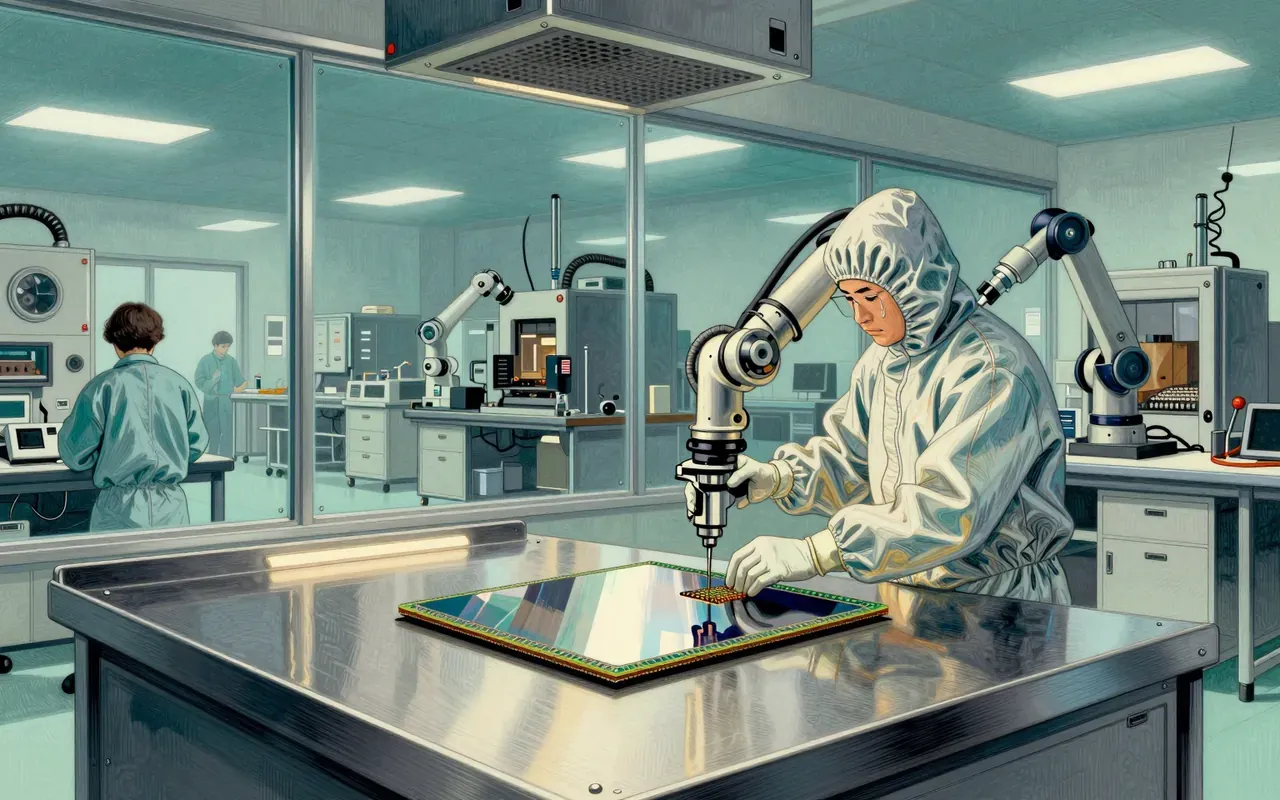
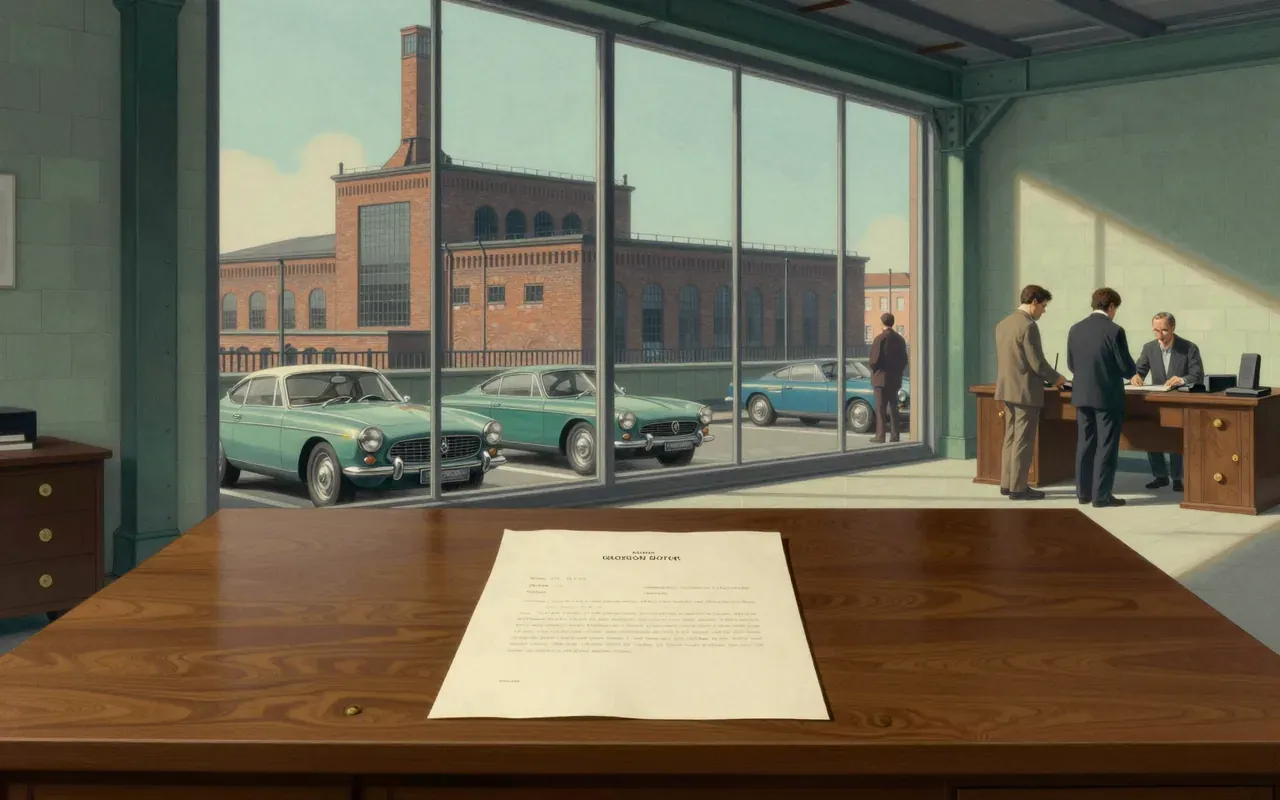

LVMH is a French multinational luxury goods conglomerate formed in 1987 by merger—not founded—of Louis Vuitton and Moët Hennessy. Bernard Arnault assumed control shortly thereafter, not by founding but by outmanoeuvring the initial family owners. The company operates through ~60 subsidiaries managing 75 luxury brands across six branches. Its $500B valuation in April 2023 reflects disciplined acquisition—Boussac Saint-Frères (1984), Tiffany & Co. (2021)—and structural decentralisation that preserves brand identity while centralising financial control. LVMH does not invent luxury; it acquires, integrates, and governs it.
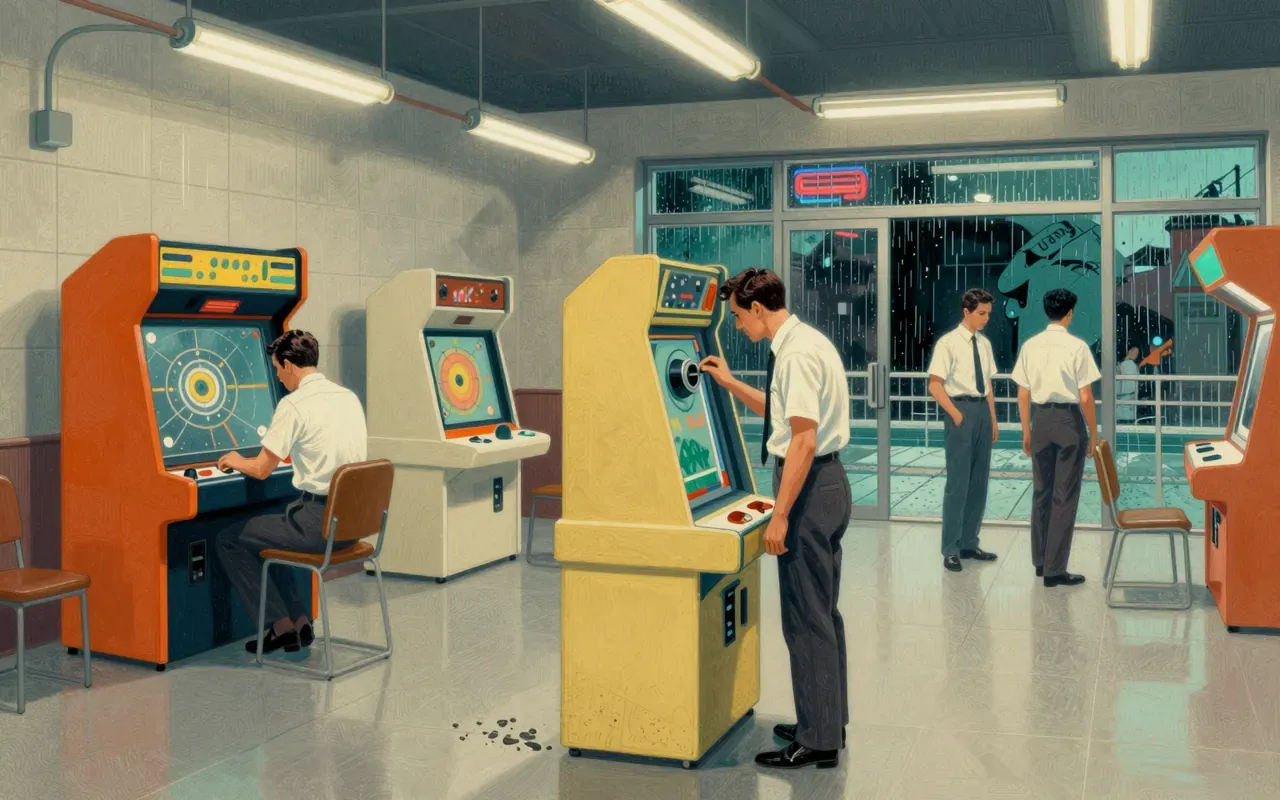
Sega’s story is not about innovation or disruption — it is about sequential exit: from import to manufacture, from coin-op to console, from hardware to software. Its survival post-2001 rests on what it built before it tried to compete with Nintendo and Sony — arcade scale and Sonic.
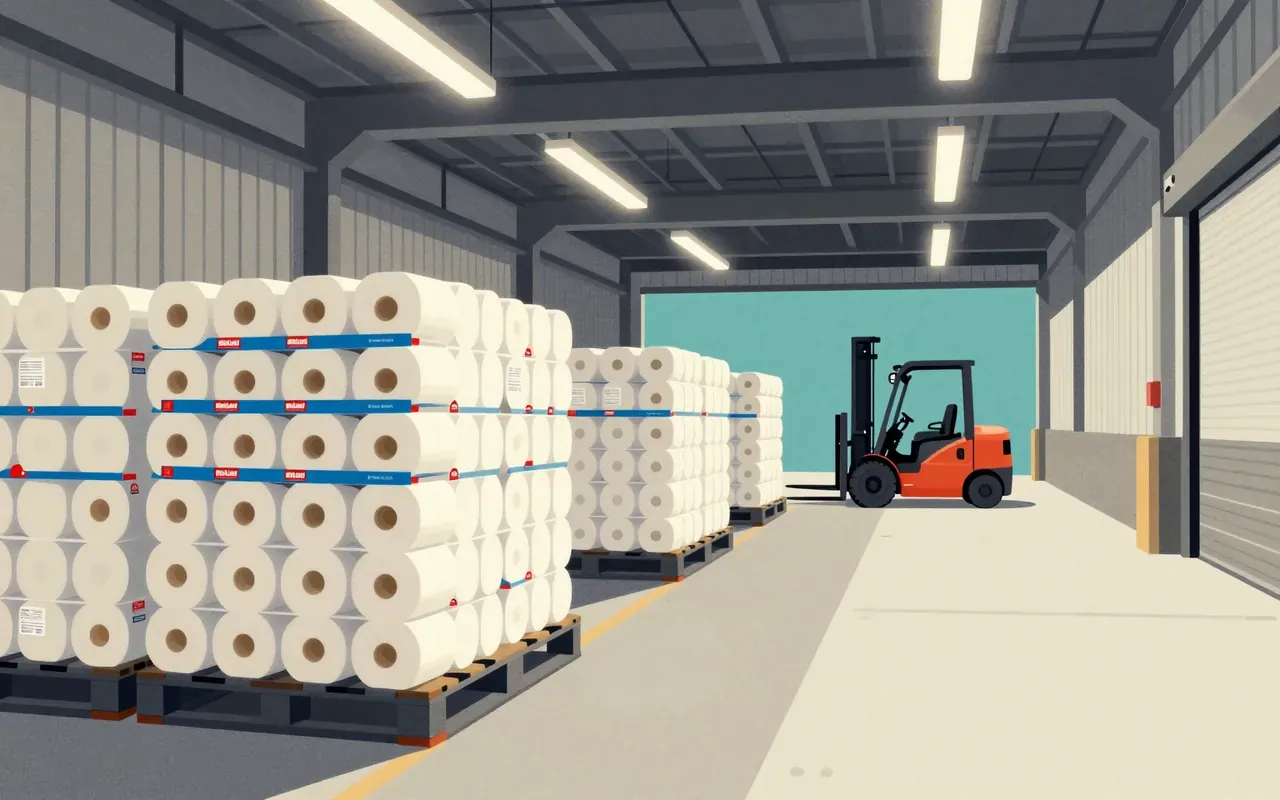
Costco is a membership-first retail system whose financial mechanics are transparent: fees fund operations, low margins enforce discipline, and private label locks in loyalty. It works where density, income, and culture permit bulk buying — and fails where they don’t. No hype. No exceptions.