businessbriefs
Topic

Marketing

Finding out what people want, or persuading them they do.

7
in business
11:08
average
78 min
in total
14
across the network
Marketing across the network →
All briefs7
video still
11:21

Peloton Interactive

John Foley · 2012

Peloton Interactive is an American exercise equipment and media company founded in January 2012 in New York City. It sells Internet-connected stationary bicycles, treadmills, and rowers equipped with touchscreens that stream live and on-demand fitness classes through a subscription service. Built-in sensors track metrics such as power output, providing real-time performance feedback and leaderboard rankings. Peloton charges $49.99 monthly for equipment-based access and $12.99 for app-only access. Its first bike sold on Kickstarter in 2013 at an early-bird price of $1,500; its first commercial Internet-connected bike launched in 2014. The company faced safety recalls (Tread+ in 2021, Bike PL01 in 2023), leadership changes (Foley stepped down as CEO in 2022, McCarthy resigned in 2024, Stern became CEO in 2025), and a sharp valuation decline—from $8.1 billion at IPO in 2019 to ~$1.3 billion by June 2024.
11:24

Aeroplan

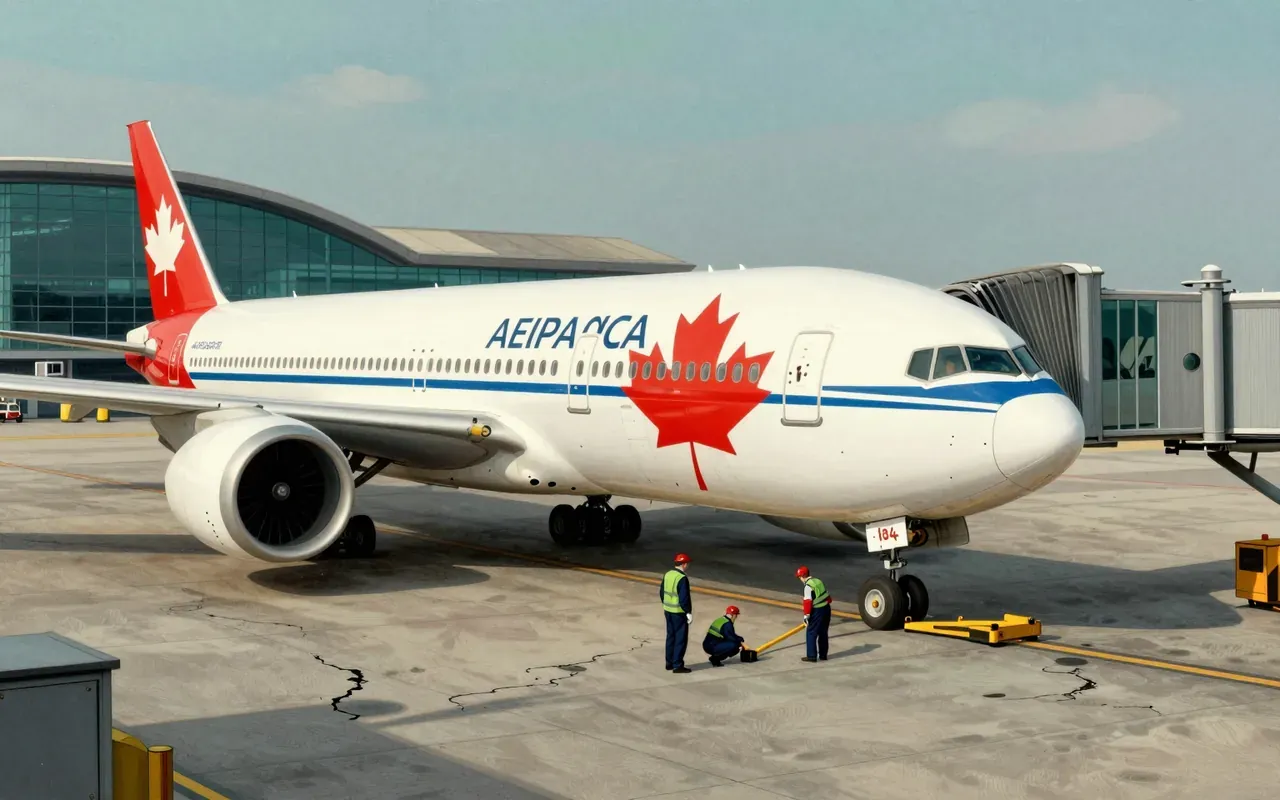
Aeroplan isn’t a loyalty program—it’s a licensed data-and-redemption conduit owned, sold, and reacquired for CA$450 million.
10:34

Grupo Modelo

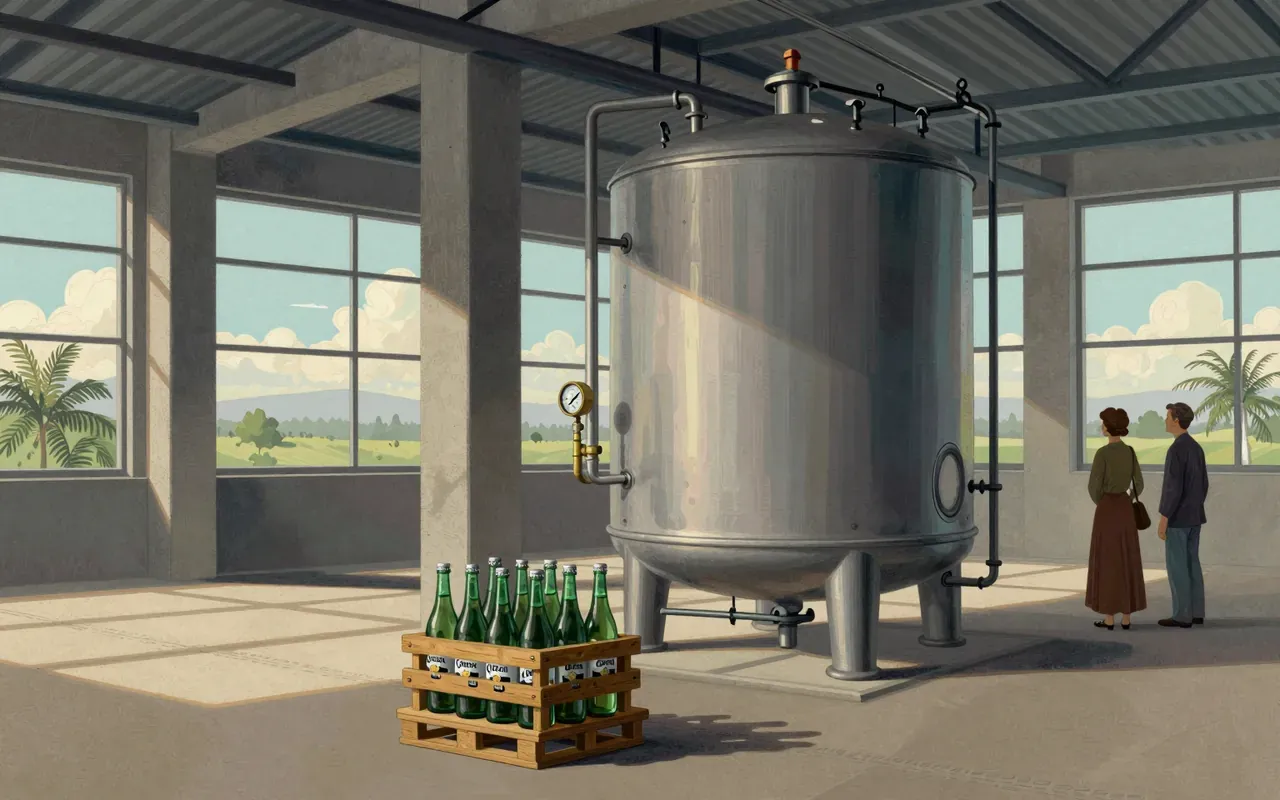
A national monopoly built on Spanish immigrant capital became a global beer leader only after surrendering its biggest export market to a third party.
10:43

Ted Turner

Turner didn’t build a media company — he built a regulatory arbitrage engine disguised as a broadcaster.
12:54

IBM

Thomas J. Watson · 1911

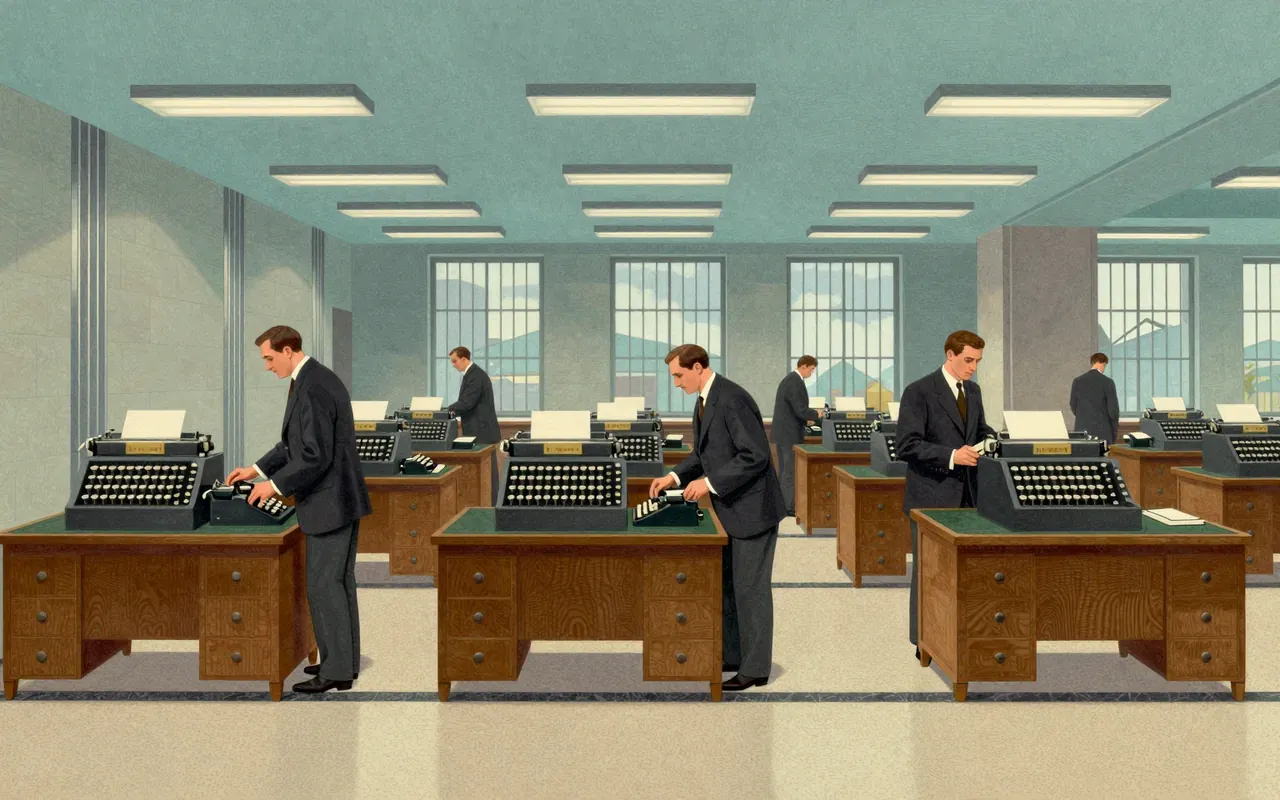
IBM under Thomas J. Watson Sr. was a sales-and-leasing enterprise built on punched card tabulators — not computing. Its dominance relied on vertical control, not technical novelty. That control was dismantled by antitrust action in 1936. Everything else — System/360, AI, PCs — belongs to a later era.

11:01

The Coca-Cola Company

Asa Griggs Candler · 1892

The Coca-Cola Company was founded in 1892 by Asa Griggs Candler in Atlanta after he purchased the formula from John Stith Pemberton in 1888. It generated revenue by manufacturing and selling syrup to soda fountains, then licensing bottling rights for $1 per territory — a contract that transferred capital and operational risk to third parties while preserving brand control. By 1895 it achieved nationwide US distribution; exports began in 1899 (Cuba) and 1901 (Europe). Candler trademarked the brand and paid dividends in 1893, proving early financial viability. The model worked because it scaled without infrastructure — but failed to ensure product consistency across bottlers. This is a masterclass in leveraging intellectual property through contractual design, not product innovation.

9:59

Costco

Jim Sinegal & Jeffrey Brotman · 1983

Costco is a membership-first retail system whose financial mechanics are transparent: fees fund operations, low margins enforce discipline, and private label locks in loyalty. It works where density, income, and culture permit bulk buying — and fails where they don’t. No hype. No exceptions.