Saved
Topic

Luxury

Scarcity manufactured and sold at the margin it implies.

7
in business
11:02
average
77 min
in total
55
across the network
Luxury across the network →
All briefs7
12:01

Birks Group

Henry Birks · 2005

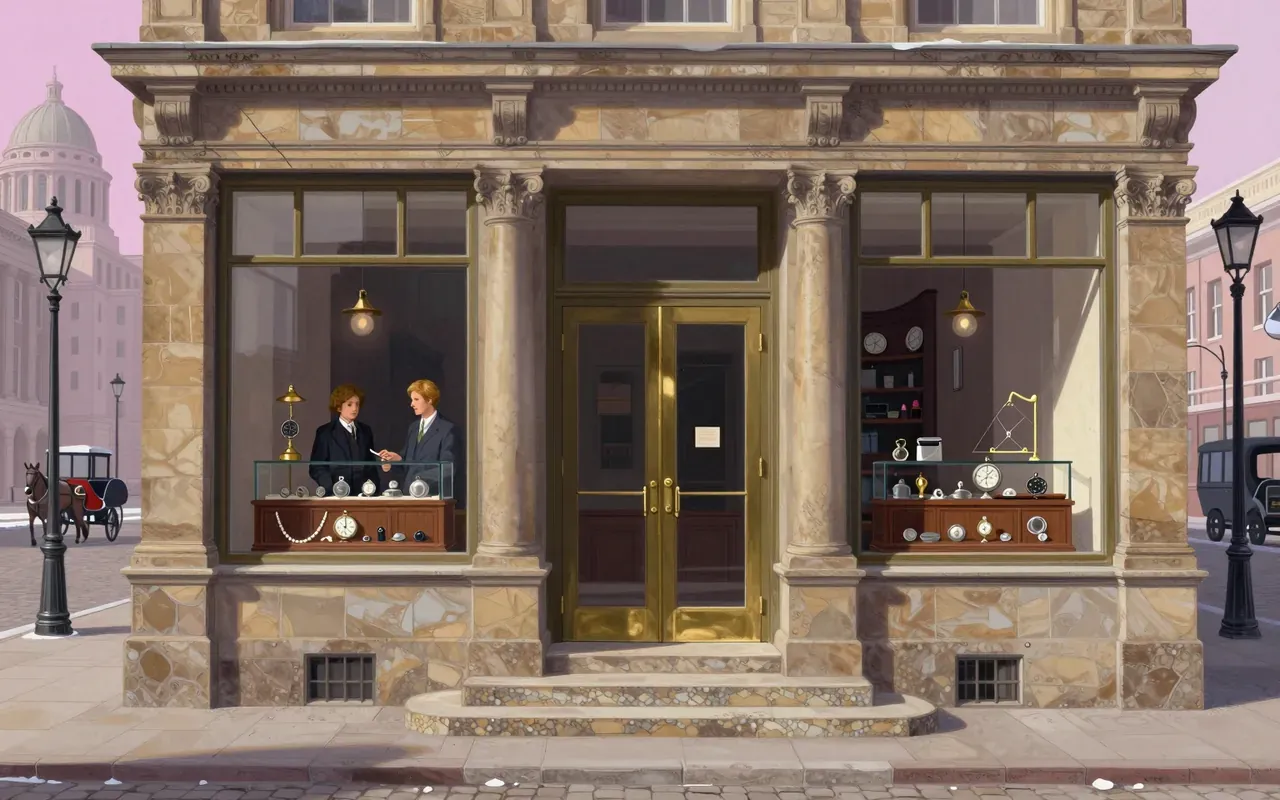
Birks Group is the legal successor to Henry Birks and Sons — a Canadian jeweller founded in 1879, vertically integrated from design to retail, with manufacturing roots in Roden Bros. and national reach built through owned stores and co-branded acquisitions. Its 2005 merger with Mayors was a structural consolidation, not a new beginning.
11:52

Lamborghini

Ferruccio Lamborghini · 1948

Lamborghini is a case study in disciplined positioning: a luxury carmaker built on agricultural engineering, anchored in one town, defined by one cultural metaphor, and repeatedly tested — and sometimes broken — by global economic forces.

12:12

Bernard Arnault

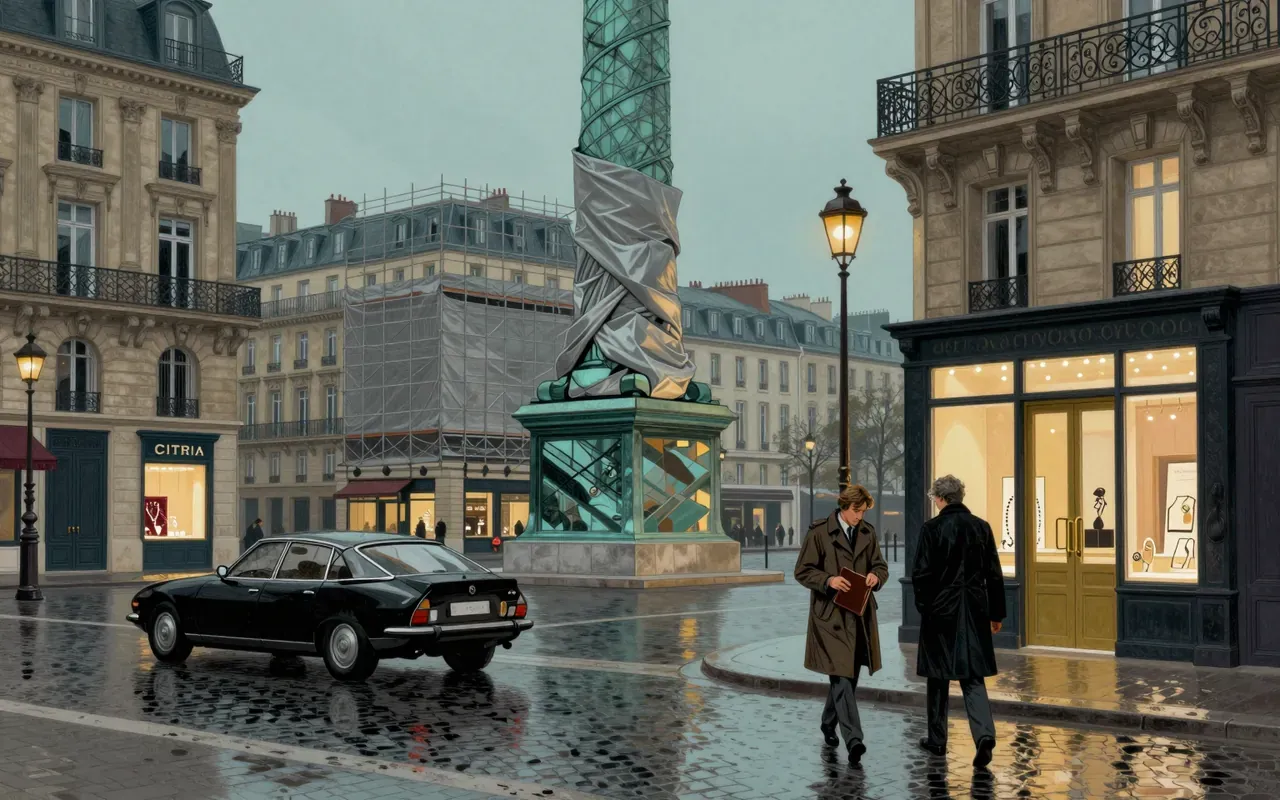
Arnault didn’t build luxury — he bought it, branded it, and insulated it from market logic.
11:40

Hermès

Thierry Hermès · 1837

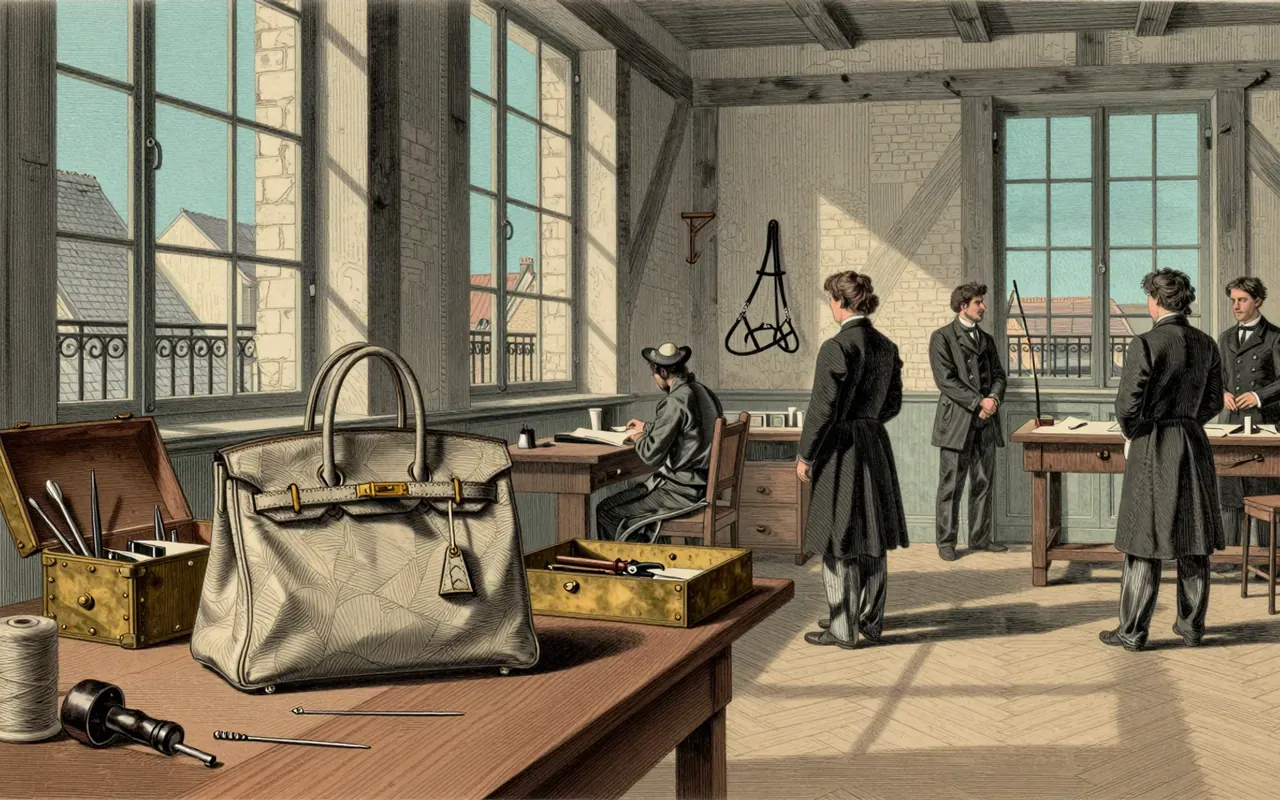
Hermès is a vertically integrated French manufacturing company built on a hand-sewn stitch, sustained by family control, and monetised through scarcity-enforced pricing across 16 product lines.

10:06

Louis Vuitton

Louis Vuitton · 1854

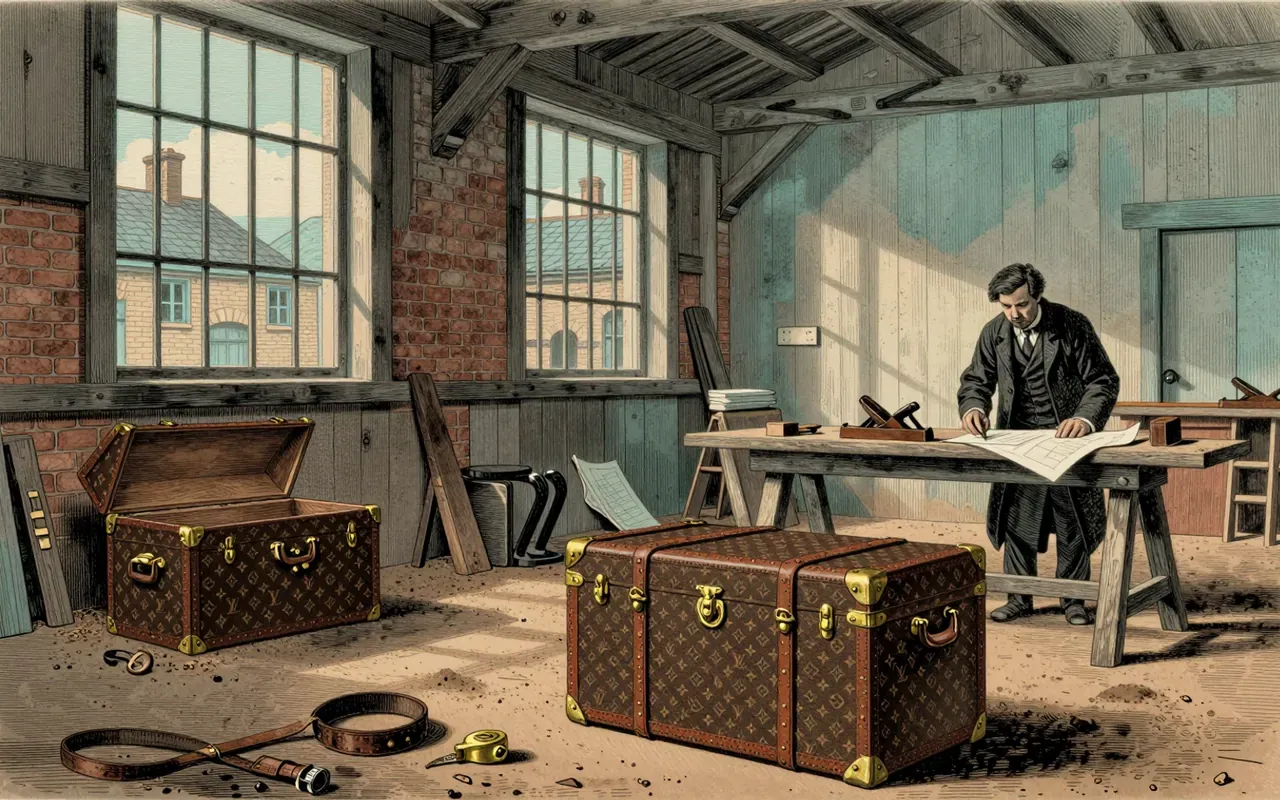
Louis Vuitton is a French luxury fashion house founded in 1854. It merged into LVMH in 1987. It earns revenue from globally distributed, monogrammed luxury goods sold via 460+ owned stores. Its valuation rose from US$25.9bn (2012) to US$28.4bn (2013), alongside US$9.4bn revenue that year. It is repeatedly named the world’s most valuable luxury brand—but never discloses margins, unit costs, or subsidiary-level financials. Legal actions, WWII collaboration, model mistreatment, UNESCO site damage, and cultural appropriation claims are documented—but none appear in its financial reporting or governance disclosures.

10:10

LVMH

Bernard Arnault · 1987

LVMH is a French multinational luxury goods conglomerate formed in 1987 by merger—not founded—of Louis Vuitton and Moët Hennessy. Bernard Arnault assumed control shortly thereafter, not by founding but by outmanoeuvring the initial family owners. The company operates through ~60 subsidiaries managing 75 luxury brands across six branches. Its $500B valuation in April 2023 reflects disciplined acquisition—Boussac Saint-Frères (1984), Tiffany & Co. (2021)—and structural decentralisation that preserves brand identity while centralising financial control. LVMH does not invent luxury; it acquires, integrates, and governs it.