What the company or idea is
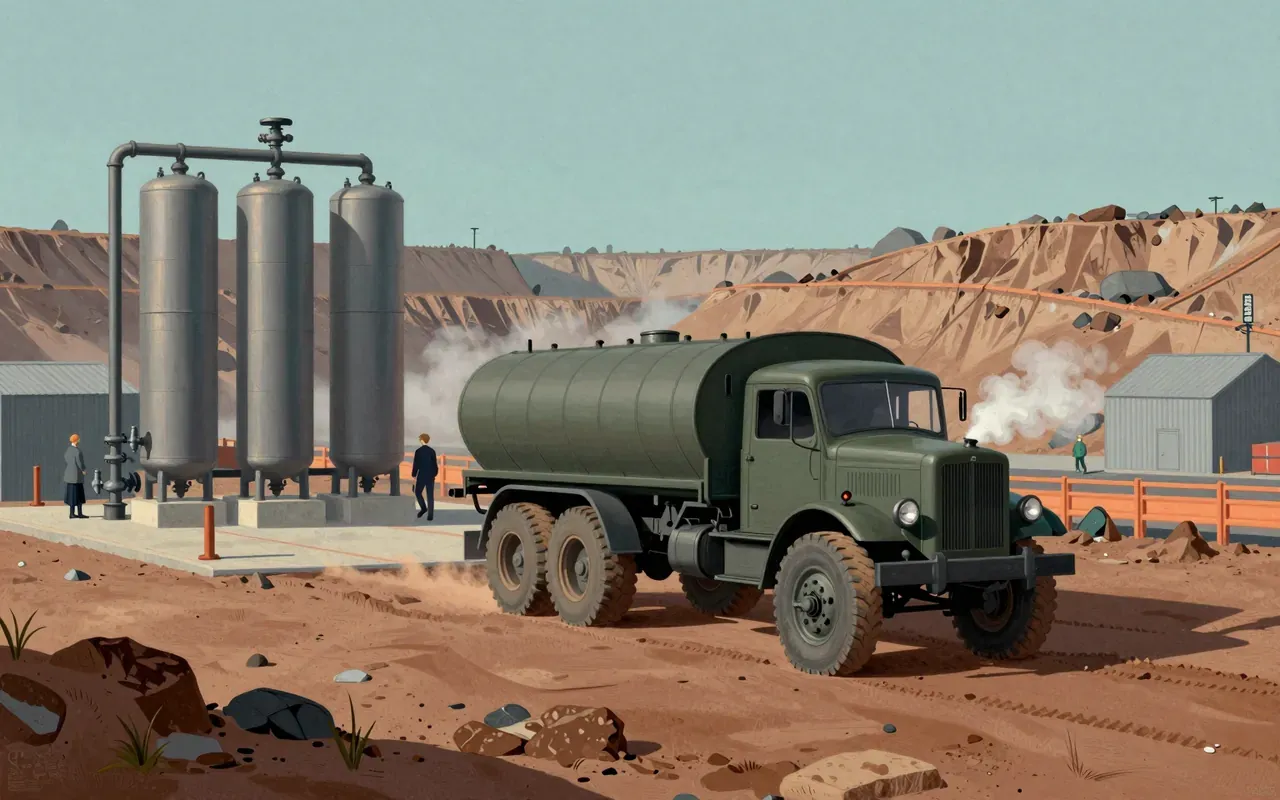
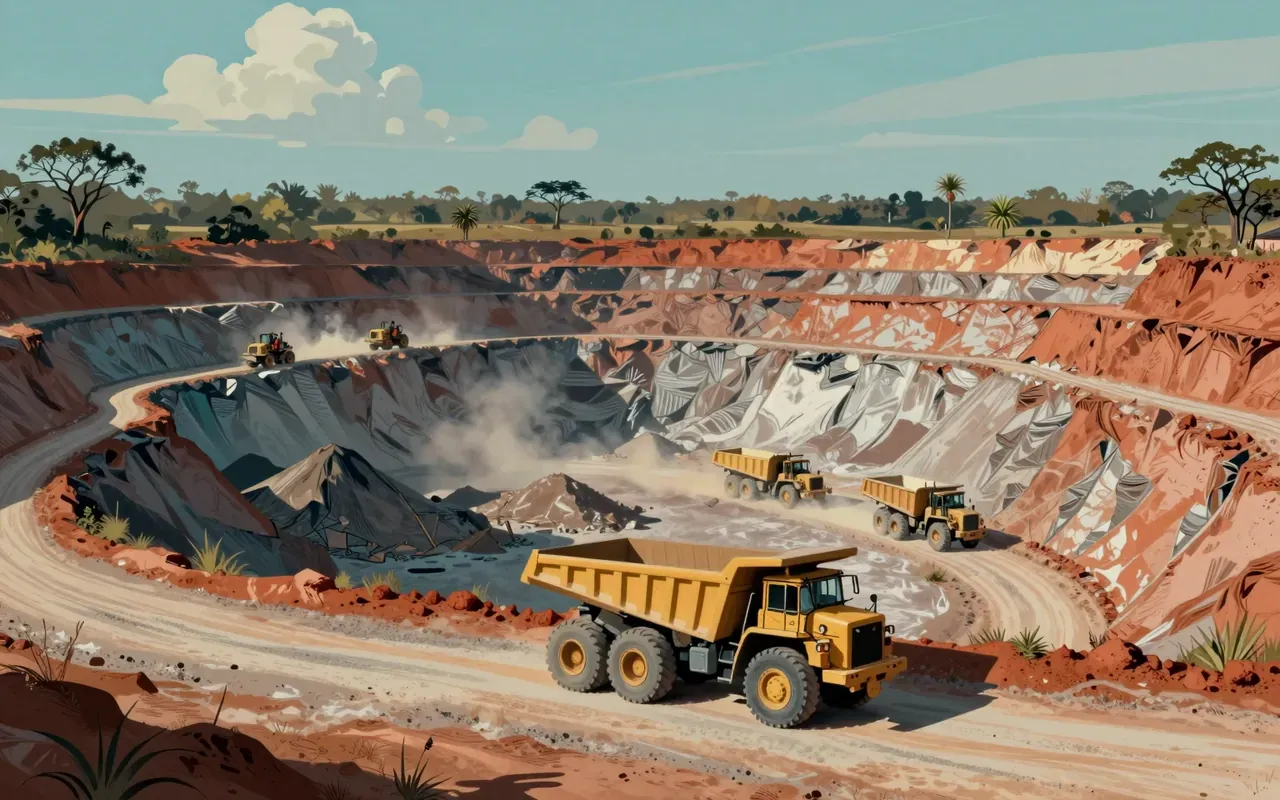
A U.S.-based chemical company formed in 2004 by merger, mining phosphate and potash and collecting urea for fertilizer.
How it actually makes money
It sells concentrated phosphate and potash fertilizers to wholesalers, retail dealers, and individual growers worldwide.
What works
It controls the largest operational potash capacity (10.4 million tons) and finished phosphate capacity (16.8 million tons) in the U.S., exceeding competitors’ combined output.
What does not
The document says nothing about margins, pricing power, cost of production, environmental liabilities, or customer retention. It does not establish resilience to commodity price cycles or regulatory risk in mining jurisdictions.
What to take from it
Mosaic’s dominance is structural: built on ownership of extraction capacity, not distribution, branding, or technology. Its scale is measured in tons, not users or transactions.
Is it worth your time
Yes—if you are studying vertically integrated commodity producers whose scale comes from merger-driven control of mining assets, not innovation or market creation.