What the company or idea is
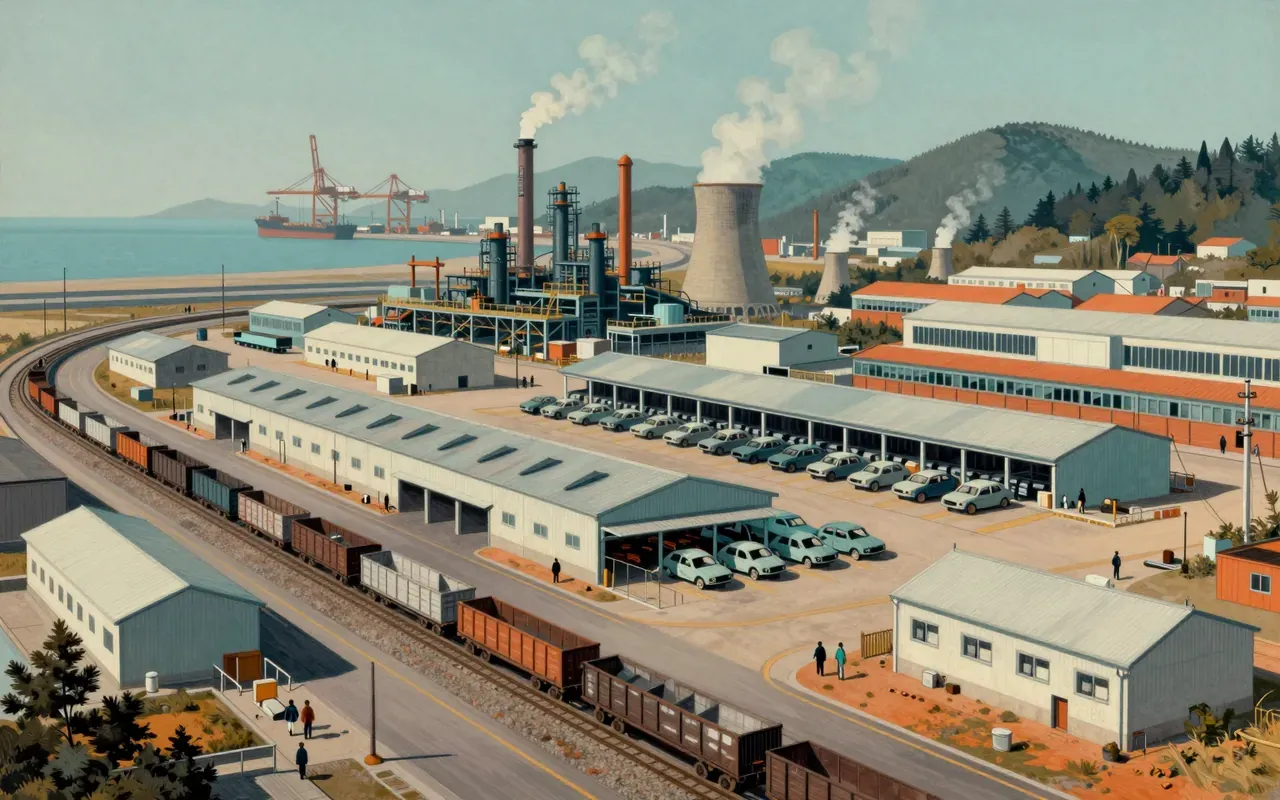
BYD is a Chinese multinational manufacturing conglomerate founded in 1995 by Wang Chuanfu as a battery company. It is vertically integrated, with major subsidiaries in automobiles (BYD Auto), electronics (BYD Electronics), and EV batteries and components (FinDreams).
How it actually makes money
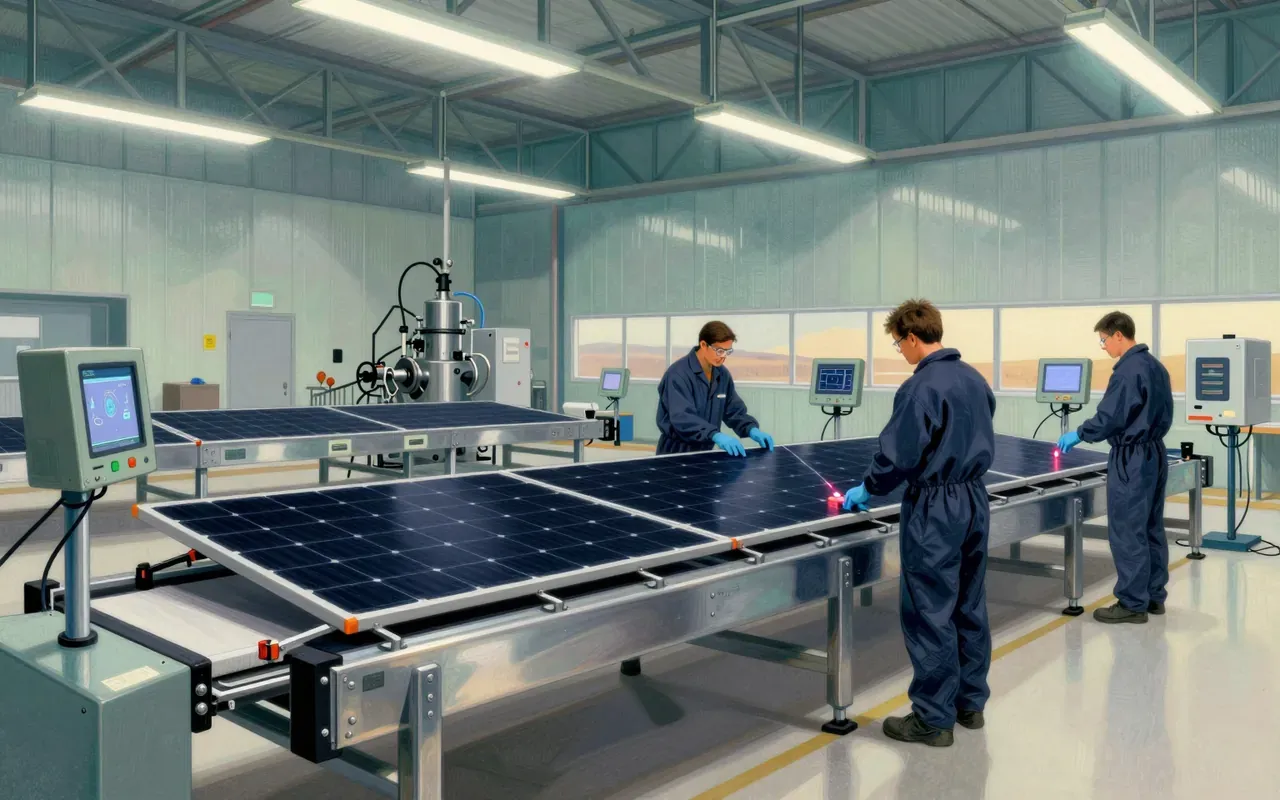
BYD makes money primarily from automotive sales, which accounted for over 50% of revenue since 2009 and more than 80% by 2023. It also earns revenue from rechargeable batteries (mobile phone and EV), electronics manufacturing, solar panels, semiconductors, forklifts, and rail transit systems.
What works
Its vertical integration enabled a fast pivot from mobile phone batteries to automotive in 2003, then dominance in plug-in EV production and second-place global EV battery share (17% in 2024). Its scale made it China’s largest private-sector employer since 2022.
What does not
The sources do not establish profitability, unit economics, export share, government subsidies, or customer retention. They say nothing about brand perception, service infrastructure, software capability, or recall rates. The claim that BYD is ‘the world’s largest plug-in EV maker’ is unqualified — no volume, geography, or time frame is given beyond ‘world’s largest’.
What to take from it
BYD demonstrates how control over battery chemistry, cell production, pack assembly, motor design, and vehicle manufacturing can compress supply chains — but the sources reveal nothing about cost discipline, IP ownership, or quality control across those layers.
Is it worth your time
Yes — if you are studying vertical integration at scale, the economics of state-adjacent private employment, or how battery-first manufacturing enables rapid automotive pivots. No — if you expect transparency on margins, pricing, or customer acquisition costs, none of which the sources disclose.