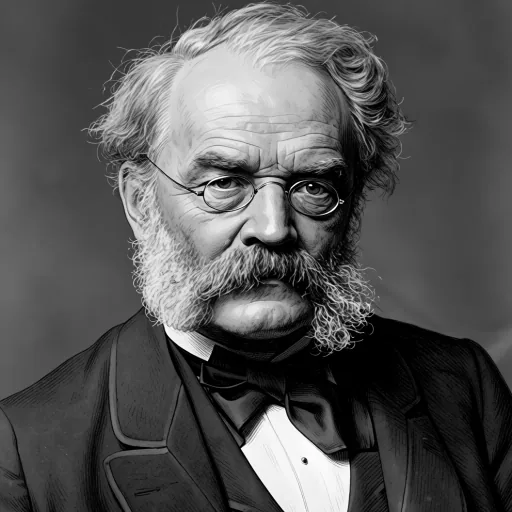

Siemens
Siemens is a German multinational engineering company founded in 1847 as Telegraphen-Bauanstalt von Siemens & Halske in Berlin. It evolved through mergers into Siemens AG in 1966. It makes money from industrial automation, building automation, rail transport, and health technology. Its early model worked: rapid internationalisation via family agents, vertical integration from invention to installation, and patent-backed standard-setting. It does not sustain leadership in all its historical domains: it no longer builds x-ray tubes, electric trams, or passenger trains as standalone products. The gap between Siemens’s founding logic — applied electromagnetism deployed via owned workshops and international agents — and its present structure — a diversified, publicly listed conglomerate with AI and software at its core — reveals how industrial capability gets recoded as platform strategy over time. Yes — if you are studying how engineering firms scale infrastructure innovation into global revenue without pivoting to venture capital narratives.